Hepper is reader-supported. When you buy via links on our site, we may earn an affiliate commission at no cost to you. Learn more.
Are Coffee Plants Toxic to Cats? Vet-Approved Facts & FAQs


In this article
Coffee is a staple in our lives. We use coffee beans from the most well-known coffee plant to extract caffeine, which is used in several products such as chocolate, drinking coffee, carbonated drinks, and even diet pills and cosmetics. The Arabica coffee plant is beautiful and makes a lovely addition to the home as a fragrant ornamental. However, the whole plant (and all other coffee plants) is toxic to cats and can make them very sick if ingested.

What Is the Coffee Plant?
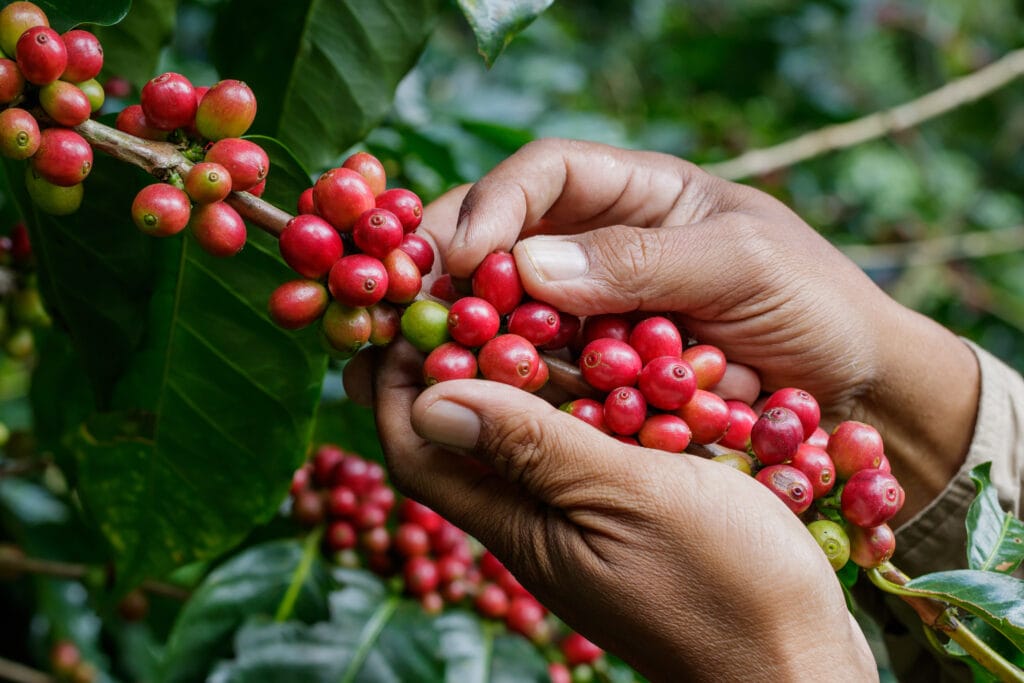
Most coffee plants are evergreen shrubs or trees, which grow fragrant flowers and fruits, such as the ripe red "cherry" Arabica coffee plant fruits. The seeds within these fruits are coffee seeds; one well-looked-after Arabica coffee plant should be able to produce enough coffee beans for a cup of joe.
The plant is not native to America but rather to Africa and Asia. Coffee plants can be grown in the US, but many are known as "wild coffee," and the beans don't contain caffeine. One type of wild coffee (found in Florida)1 can be brewed, but we wouldn't advise it as the beans can cause intense headaches!
Wild coffee plants are native to Florida's coasts and have red fruit similar to the Arabica plant. Other edible coffee plants are native to Asia, such as the Robusta plant. In most coffee plants, caffeine can be found in the leaves, which is toxic to cats. The Polyscias guilfoylei and the Kentucky Coffee Tree can also be extremely toxic to animals, including cats.
What Does the Coffee Plant Do to Cats?
Different types of coffee plants will have different causes of toxicosis in cats. The Coffeea Arabica plant is toxic due to the caffeine in its leaves and berries, for example, and the Coffee Tree plant contains very harmful saponins.
Coffee Plants (Drinkable Coffee)
The coffee plants you can find in specialist plant stores across the US nearly always have caffeine in the fruits, seeds, and leaves. Caffeine is the plant's natural defense against natural predators like insects and is produced and released in the plant's tissues. Because cats famously like to chew on things they shouldn't, this can sometimes give them a high dose of caffeine.
Cats are much more sensitive to caffeine than us humans. The degree of the caffeine toxicity will depend on the amount ingested and the size and health status of the cat.A cat that lightly chews a coffee plant leaf might experience no signs but cat’s can experience physiological and psychological effects within half an hour of ingesting caffeine, that are very distressing for them. These effects can last up to 12 hours.
In any case, always contact your vet if you are concerned your cat may have ingested part of a coffee plant for advice on the next steps. These are the signs of caffeine toxicity that can be seen:2
- Increased heart rate
- Tremor
- Seizures
- Vomiting
- Diarrhea
- Jitters
- Cardiac arrhythmia
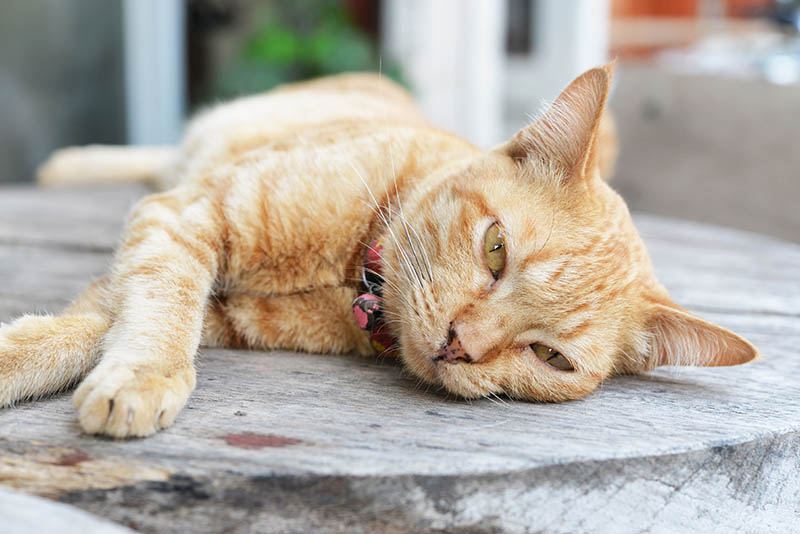
Not only do some coffee plants, like the Arabica coffee plant, contain caffeine, but they also contain theobromine. Theobromine is an ingredient found in chocolate that is highly toxic to cats. It's unlikely that chewing on a coffee plant will cause a toxic reaction from the theobromine, but here are the signs you should look out for just in case:
- Vomiting
- Diarrhea
- Panting
- Restlessness
- Increased heart and respiratory rate
- Tremors
- Seizures
Coffee Trees (Polyscias guilfoylei), Kentucky Coffee Tree
Coffee tree plants are highly toxic and irritant to cats. The substance responsible for the plants’ toxicity is called saponin, and it can have very serious effects.
The Kentucky Coffee Tree and the Coffee Tree (Polyscias guilfoylei) are two types of plants that evolved to contain saponins. These saponins are present in the leaves, stems, and seeds, so your cat can be exposed to the plants' toxins from chewing the leaves or if your cat brushes past them and the plant’s oils come into contact with the skin. Saponins can cause contact dermatitis, neurological and gastrointestinal effects, including:
- Red inflamed/itchy skin
- Vomiting
- Diarrhea
- Depression and lethargy
- Loss of appetite
- Neurological depression
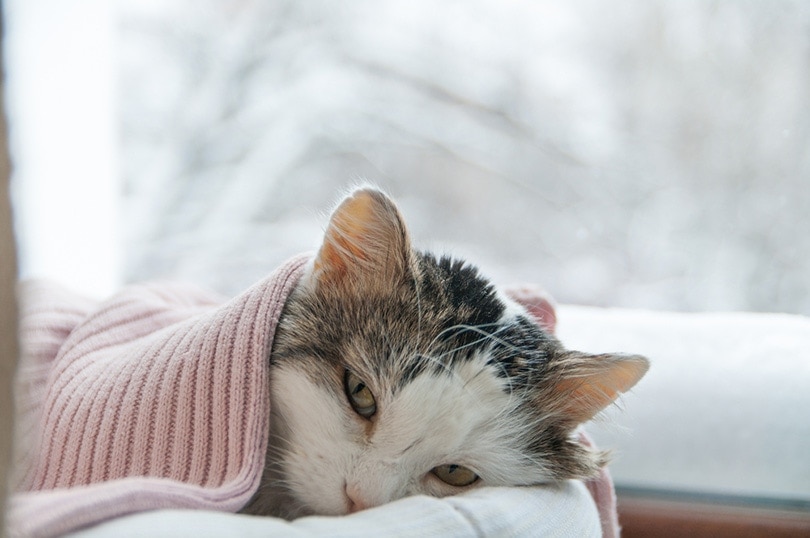
What Should I Do if I Think My Cat Has Eaten Part of a Coffee Plant?
If your cat consumes part of a coffee plant, contact your veterinarian immediately. The severity of the toxicity will depend on the plant (and part of the plant) and how much of the plant was eaten.
For example, if you notice your cat chewing on your freshly ground coffee beans or the leaf of a Coffee Tree plant, they may have ingested a toxic amount and will need prompt treatment at the vet's office (possibly to save their life).
If you have any information on the plant your cat has eaten (such as an information panel that sometimes comes with houseplants), bring it with you; this will help the vet identify the plant and its toxicity to your cat. Also, tell them what part of the plant was eaten, such as the leaves or seeds, how much was eaten, and whether your cat has displayed any signs.
What Is the Treatment for Cats Who Have Eaten a Coffee Plant?
If your cat has been exposed to caffeine, your vet may induce vomiting and give them activated charcoal to eliminate as much caffeine as they can in your cat's body. Fluid therapy may be needed to help counteract any dehydration, and the vet will closely monitor their breathing and heart rate.
If your cat has ingested or come into contact with saponins from coffee plants, treatment is usually supportive and addresses any issues that may come up.
Final Thoughts
There are several coffee plants harvested around the world, such as those that produce the small brown beans we dry and grind into coffee (Arabica and Robusta). Others are more obscure and found in decorative borders instead of coffee shops, such as the Wild Coffee plant.
All coffee plants can be toxic to cats in different ways; the coffee plant we get our coffee from contains caffeine and theobromine, which are toxic to cats in high amounts. In addition, wild coffee plants and coffee tree plants contain saponins in their leaves and stems. If your cat has eaten any quantity of a coffee plant, it's best to take them to your vet for evaluation to ensure they're safe and can receive prompt treatment.
Sources
Featured Image Credit: bonga1965, Shutterstock
Get Hepper In Your Inbox


Pet care tips from our vets and experts, straight to your inbox.
You may opt-out at any time. View our Privacy Policy for more information.
Beth is a mom to two babies: one with four legs, and one with two. Beth has years of practical experience as a veterinary care assistant, working in both the operating room and in consult, expanding her knowledge to gain certification in her favorite subject: feline behavior and well-being! When she's not writing about her favorite topics (cats, dogs, and creature comforts), she's looking after her two-year-old daughter and her energetic eight-year-old Nebelung, Kiba. When she gets a moment's respite, Beth loves to read fiction books. Horror is her number one genre, with fantasy and rich history being her second option.
Join the conversation
Ask a question, share your story, or send private feedback.