Hepper is reader-supported. When you buy via links on our site, we may earn an affiliate commission at no cost to you. Learn more.
Are Dogs Usually Monogamous? Science, Facts, & FAQ

In this article
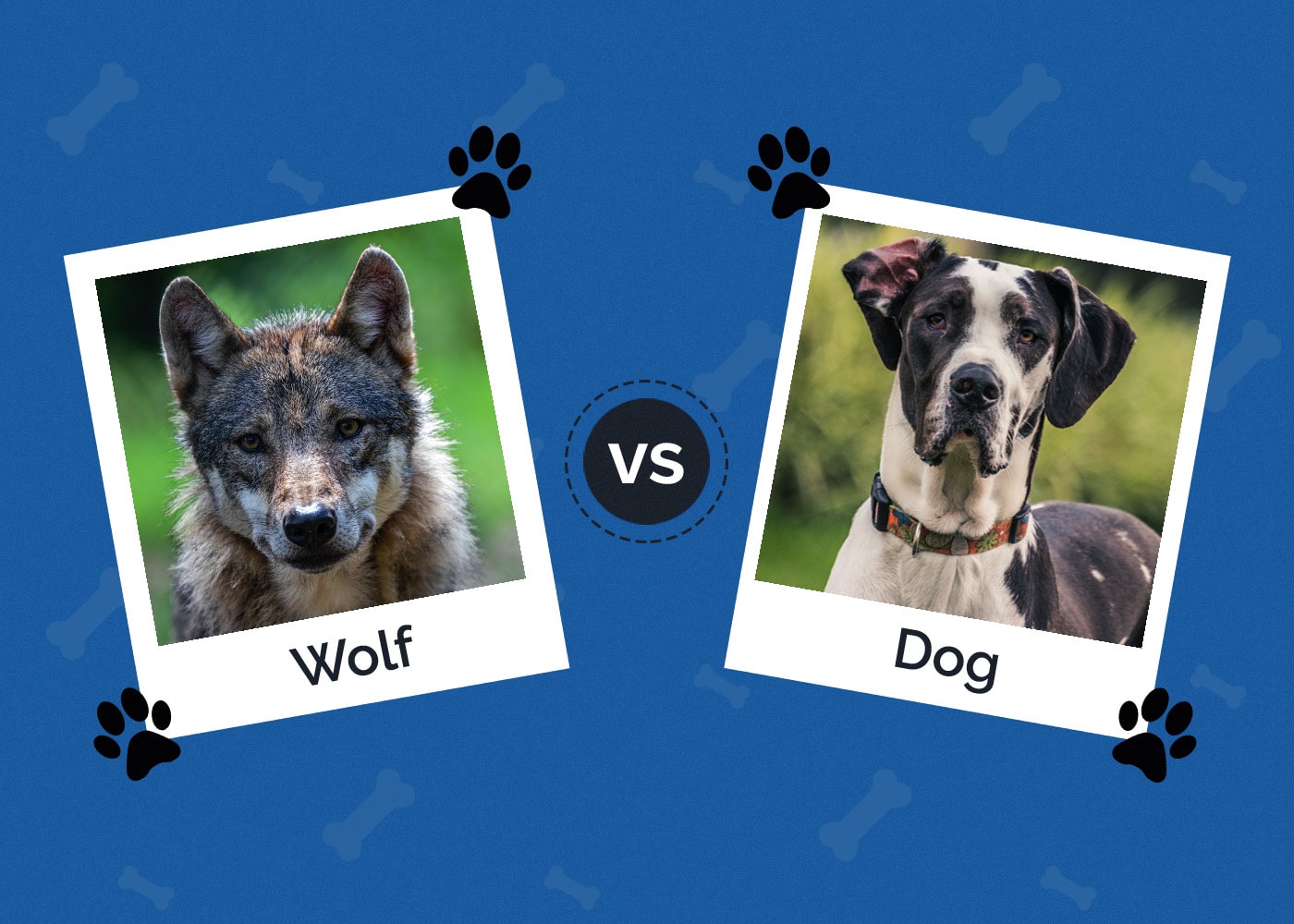
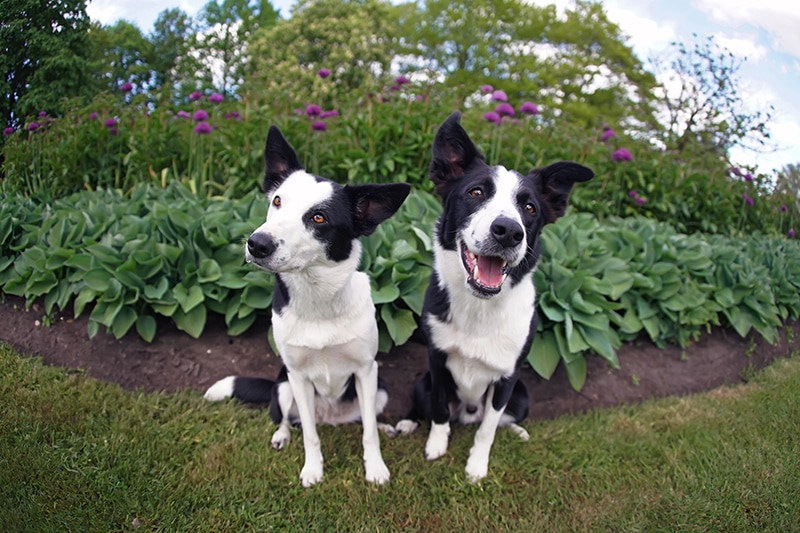
A dog’s faithfulness to human companions is unmatched, but what about to one another? Domestic dogs are not monogamous and are instead polygamous, which means they mate with more than one partner. This may be surprising to some because wolves are known for being monogamous but, when you think about it, the domestic dog’s polygamy makes perfect sense.
Let’s take a closer look at this phenomenon.

Are Wolves Monogamous?
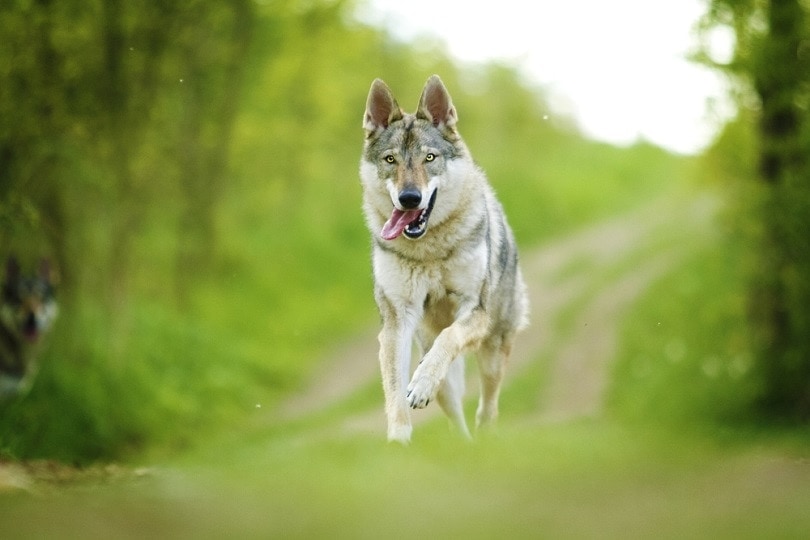
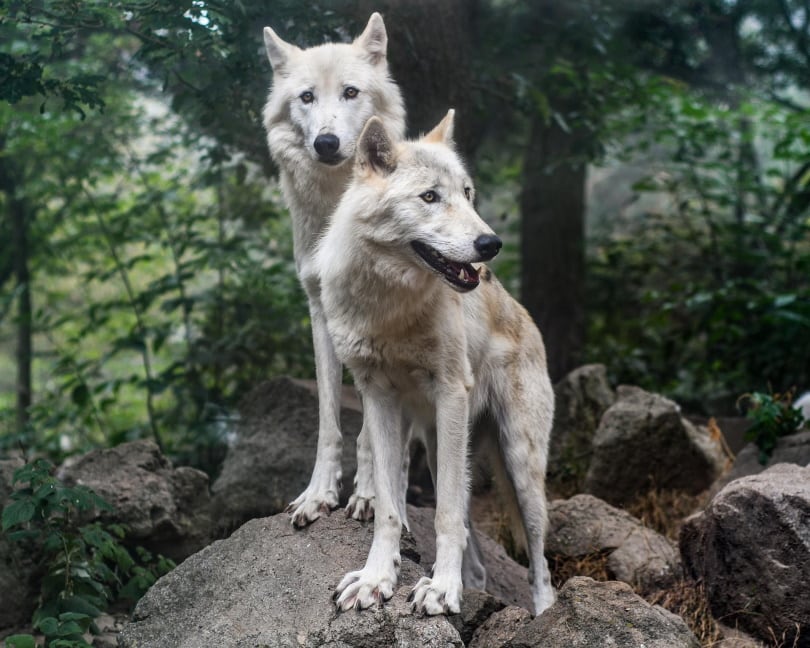
Yes, gray wolves are socially monogamous and tend to stick with one partner for life. The alpha male is usually the most dominant member of the pack, but the alpha female becomes the dominant member during mating season. The majority of the time, out of a wolf pack, only the alpha pair mates during mating season.
All that said, while wolves usually mate for life, males occasionally mate with other females from the same pack. Furthermore, if one of the pair passes away, the surviving wolf will find another partner. In fact, only around 3%–5% of species practice social monogamy, which means they form a pair but aren’t necessarily always “faithful”.
Male wolves are ready to mate when they’re around 2–3 years old, whereas females typically mature at around the 2-year mark. Pregnant females prepare a den in which to give birth, and litters consist of between five and eight pups as a rule.
Are Domestic Dogs Monogamous?
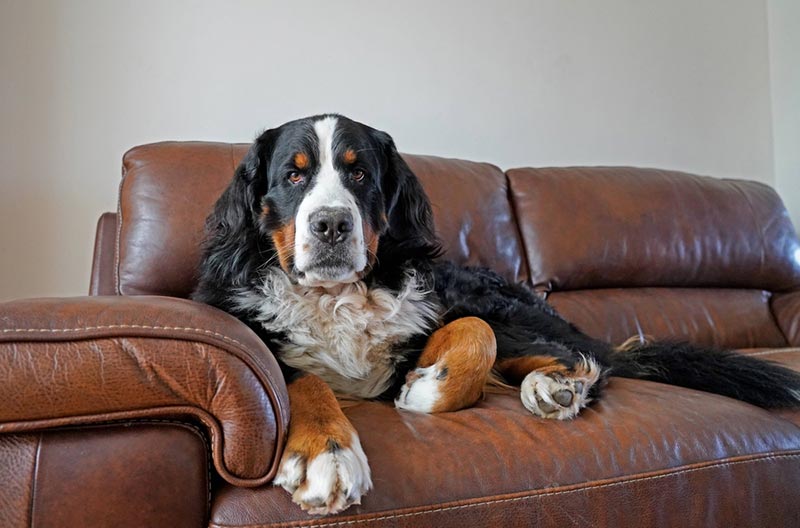
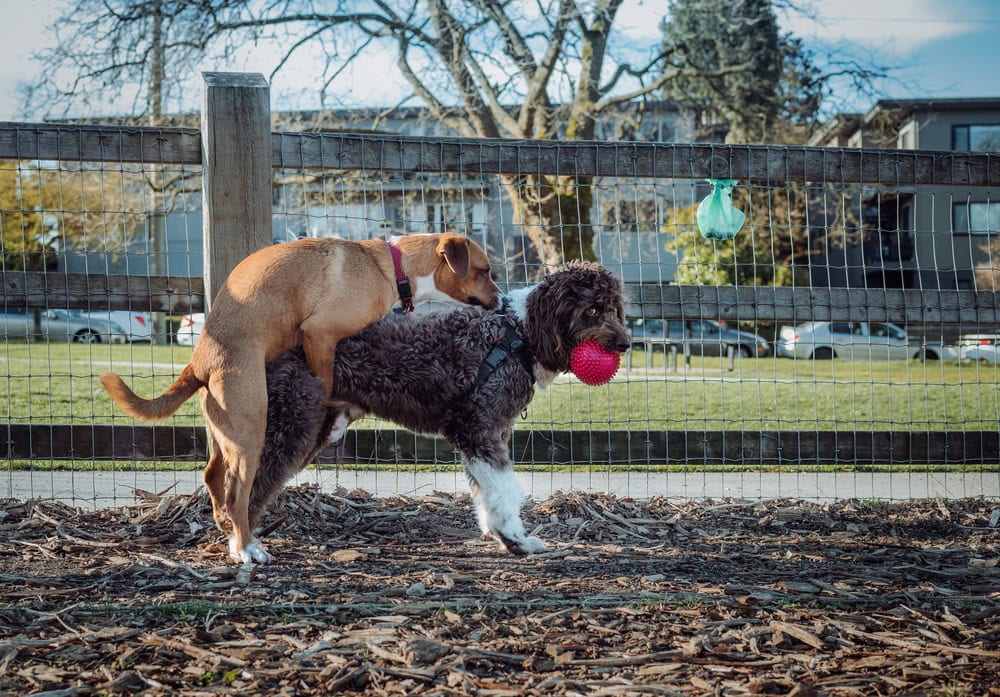
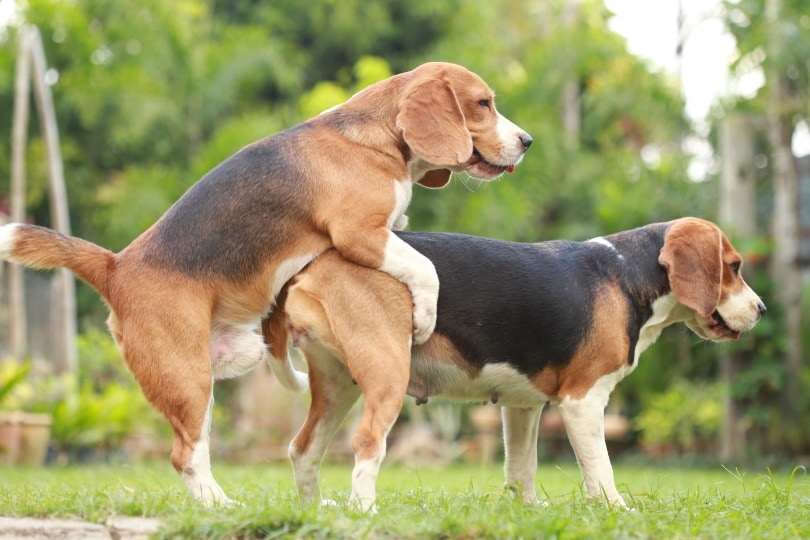
No, domestic dogs are distinct from wolves in their mating habits because they have multiple partners over the course of their lifetime. This applies to both male and female domestic dogs.
Dogs typically come into sexual maturity earlier than wolves—between 6 and 9 months of age, though this can vary depending on the breed. Large and giant dog breeds may take longer than this to reach full maturity.
Why Aren’t Dogs Monogamous?
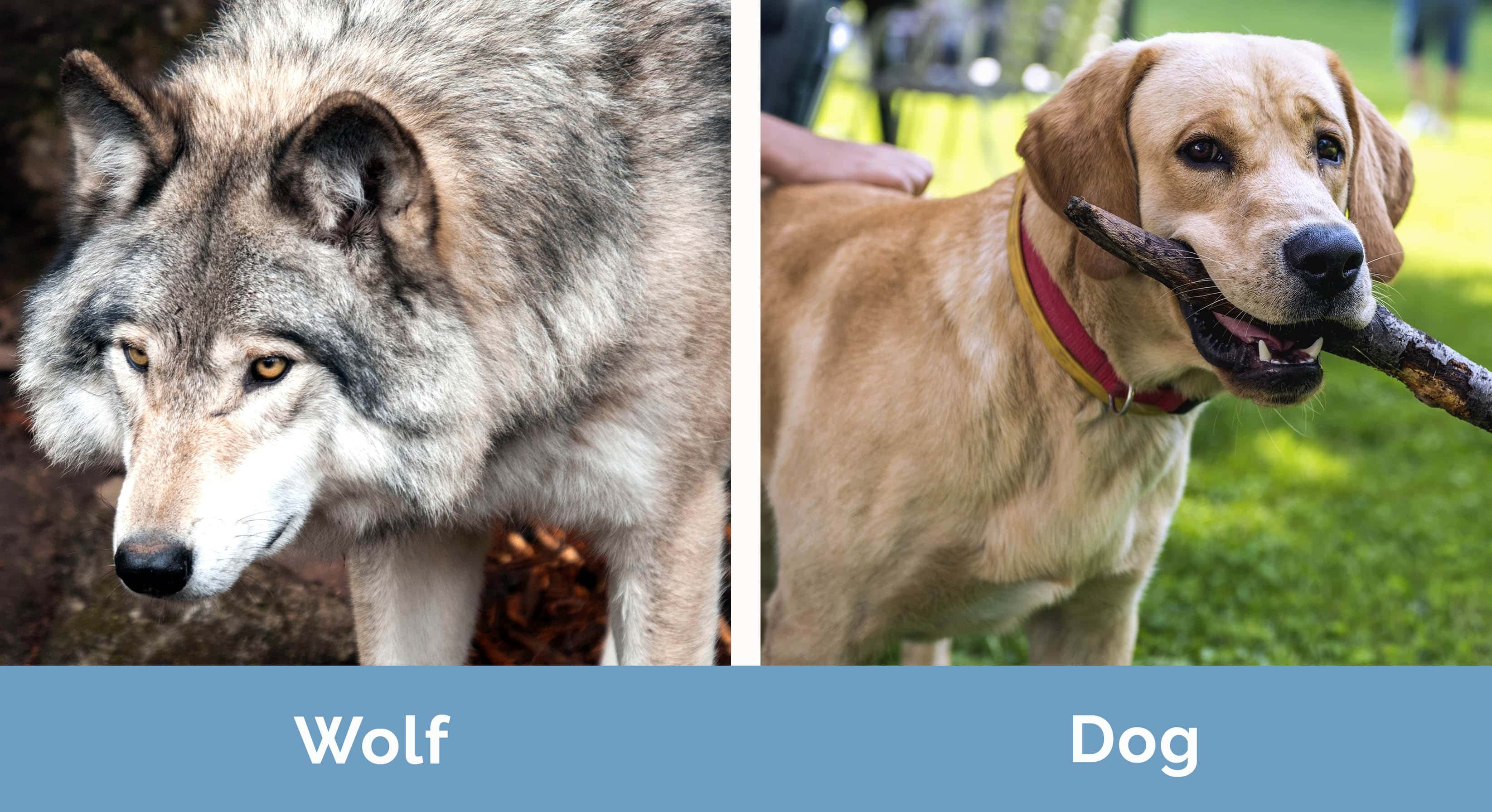
Since dogs descend from wolves, it seems only natural to conclude that dogs would also be monogamous, but this isn’t actually the case and one crucial difference between dogs and wolves could explain why. To understand this better, we need to explore why wolves are monogamous in the first place.
Wolves are wild animals and, in the wild, everything is a game of survival. To add to this, in the case of alpha wolves, staying at the top of the pack is crucial to maintaining order and stability.
According to David W. Macdonald et al in Monogamy: Cause, Consequence, or Corollary of Success in Wild Canids, it’s important for alpha males to practice monogamy because they can focus their strength on protecting a single mate instead of multiple, which helps remind other pack members of the alpha male’s dominance.
In addition, monogamy in the wild helps preserve wolves as a species because the female and her pups enjoy the male’s protection. The male and the rest of the pack bring food to the female and pups, allowing the female to remain with and protect her pups. In short, male wolves make pretty good dads!
For domestic dogs, these measures are no longer necessary because they’ve adapted to being cared for by humans. There are no potential predators to snatch puppies away from their mothers, and domestic dogs don’t need to go out and hunt for food—it’s provided by us. This may be the reason why domestic dogs don’t practice monogamy like wolves do.

Can Dogs Bond with Other Dogs?
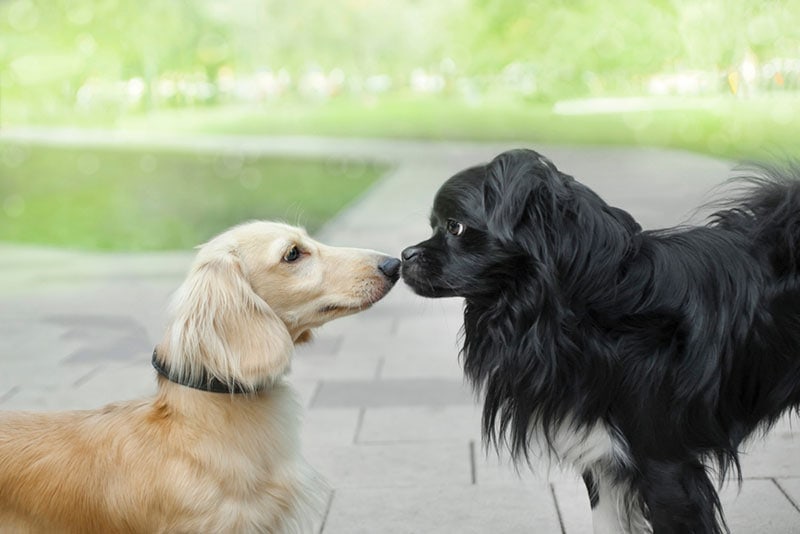
Just because domestic dogs aren’t monogamous doesn’t mean they don’t bond with other dogs at all. Dogs are social animals and enjoy interacting with other dogs, and you may have noticed that when out at the dog park, your dog spends most of their time around a certain dog or group of dogs.
Your dog may feel more comfortable around these particular dogs because they play similarly to them or share similar personalities. For example, a quiet, reserved dog may appreciate a doggy friend that’s happy to trot along beside them rather than dogs with “in your face” personalities or who like to play rough. On the other hand, a bouncy, outgoing dog might enjoy being around similarly exuberant personalities.

Final Thoughts
So, while dogs are not monogamous like wolves—a trait that likely comes about as a result of domestication—they’re faithful in other ways and form strong bonds with humans and sometimes other animals. To eliminate the risk of your dog mating and potentially bringing unwanted puppies into the world, please speak to your vet about spaying and neutering.
See Also:
Sources
http://www.wolfcountry.net/information/WolfReproduction.html
https://animalark.org/education/learn-about-animals/family-canidae/gray-wolf/
https://www.pbs.org/wnet/nature/what-females-want-to-have-to-hold-and-to-cheat/829/
https://pethelpful.com/dogs/Social-Structures-Canines-Are-Dogs-Monogamous
https://retrieverman.wordpress.com/2012/10/20/monogamy-and-polygyny-in-canids/
https://www.reed.edu/biology/professors/srenn/pages/teaching/web_2007/kwmn_site/
https://www.akc.org/expert-advice/health/sexual-maturity-in-puppies-what-to-expect/
https://www.fieldmuseum.org/blog/dedicated-animal-dads-care-their-young
https://www.petmd.com/news/view/can-dogs-have-dog-best-friends-37116
Featured Image Credit: Eudyptula, Shutterstock
Get Hepper In Your Inbox


Pet care tips from our vets and experts, straight to your inbox.
You may opt-out at any time. View our Privacy Policy for more information.
Kit Copson is a freelance writer and lifelong animal lover with a strong interest in animal care. She has parented various furry beings over the years and is currently a proud cat mom of two—one skittish but adorable Domestic Shorthair and very chilled (unless hungry) Siamese and a —and dog mom of one—an adopted Bichon Poodle cross. When not writing about or spending time with pets, Kit can be found doodling in her sketchpad, reading, or more often than not, drinking tea.
Join the conversation
Ask a question, share your story, or send private feedback.