Hepper blog

Search our database of over 9,984 posts with up-to-date information from our experts and veterinarians.

Hepper is reader-supported. When you buy via links on our site, we may earn an affiliate commission at no cost to you. Learn more.

Is Dieffenbachia Toxic to Cats? Vet-Reviewed Info to Keep Your Cat Safe

By Hallie Ballard · Reviewed & fact-checked by Dr. Paola CuevasVet Approved
Dr. Paola Cuevas
Reviewed & Fact-Checked byDr. Paola CuevasMVZ (Veterinarian)
Paola Cuevas is a veterinarian and animal behaviorist, with over 18 years of experience working with a variety of species. Her passion is animal welfare and focuses on the importance of preventive medicine. Paola has skills in the fields of nutrition, microscopy, clinical pathology, diagnostic imaging, and endoscopy as well as extensive experience in animal training through positive reinforcement. As our in-house veterinarian, Paola is very happy to share her knowledge and experience with our readers and hopes to be helpful with any issue presented by your non-human family members.View authorThe information is current and up-to-date in accordance with the latest veterinarian research. Read about our vets
Share
Ask us a question in the comments
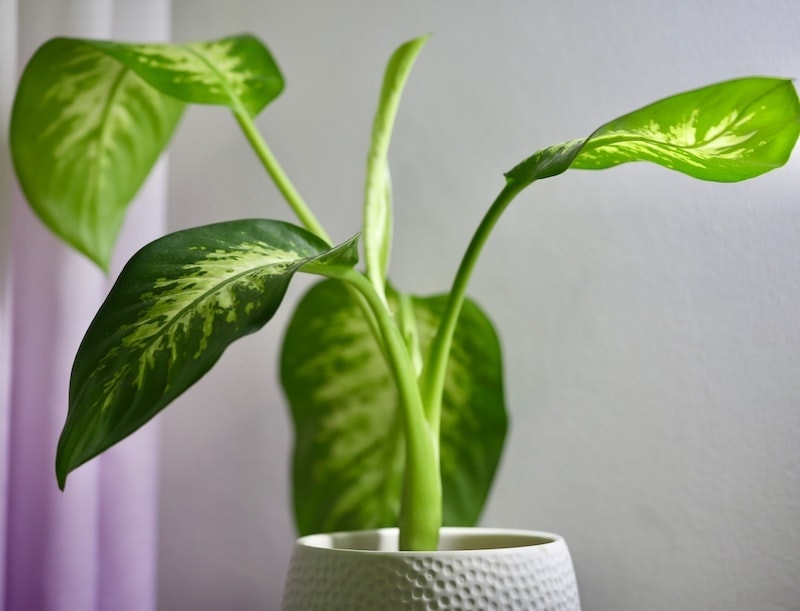
dieffenbachia houseplant in pot

There are all sorts of plants that are not safe for our cats to be around. Even though we want some of the prettiest plants in our homes, you have to be careful about what you’re exposing your pets to. One common plant that you might be tempted to bring home is Dieffenbachia.

While this plant is beautiful and easy to care for, you might be hurting the pets around you by bringing it home. Dieffenbachia is toxic to cats and could have some severe health consequences. Read on to find out more.

An Overview of Dieffenbachia

Scientific NameDieffenbachia
FamilyAraceae
Common NamesGiant Dumb Cane, Tropic Snow, Dumbcane, Exotica, Spotted Dumb Cane, Exotica Perfection, Charming Dieffenbachia
ToxicityToxic to cats, toxic to dogs
Toxic PrinciplesProteolytic enzyme, insoluble calcium oxalates

What Is Dieffenbachia?

Dieffenbachia, also commonly called Dumbcane, is a tropical perennial flowering plant. There are currently over 50 different species. These plants are commonly sold and kept as houseplants because they tolerate shade and have pretty and unique appearances. If you have any pets in the home, it is crucial to understand that these plants are poisonous to pets that chew on or eat them.
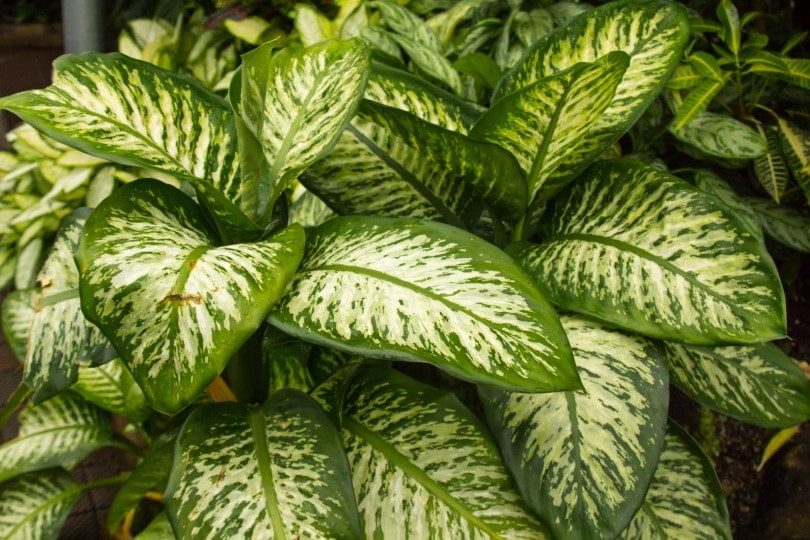
Dieffenbachia plant
Image Credit: lennystan, shutterstock

Signs of Dieffenbachia Poisoning in Cats

Consumption of a Dieffenbachia plant by cats or dogs may cause severe irritation to the pet’s mouth, stomach, or esophagus. This happens mainly because of the insoluble calcium oxalate crystals—the equivalent of a human chewing fiberglass! Whenever your pet chews on the leaves, the crystals are released, and they penetrate the tissues inside your cat’s mouth and gastrointestinal tract. There will be a burning sensation within minutes of exposure. Here are some other common signs of Dieffenbachia poisoning:

  • Drooling
  • Pawing at mouth
  • Oral pain
  • Vomiting
  • Decreased appetite
Cat vomiting
Image Credit: Nils Jacobi, Shutterstock

Ways to Keep Your Cat Safe From Toxic Plants

Dieffenbachia is not severely toxic. Any pets that consume usually get better without any severe consequences. However, this doesn’t mean that it won’t be painful, and you should seriously consider taking a trip to the vet. Your veterinarian will be able to administer and prescribe pain medication until the oral sores are healed. They might also prescribe a gastroprotection medication to help protect the lining of their stomach and esophagus.

The Dieffenbachia plant is a common houseplant that many people keep in their homes. If you insist on having one, then ensure that it is in a room or spot in the house where no animals will have access to it. Even one small bite from a leaf could cause oral irritation.

We all know that cats are excellent climbers and jumpers and we recommend keeping the plant in a room with the door closed or in a high-up area without anything that your cat could climb on or jump from to reach it.
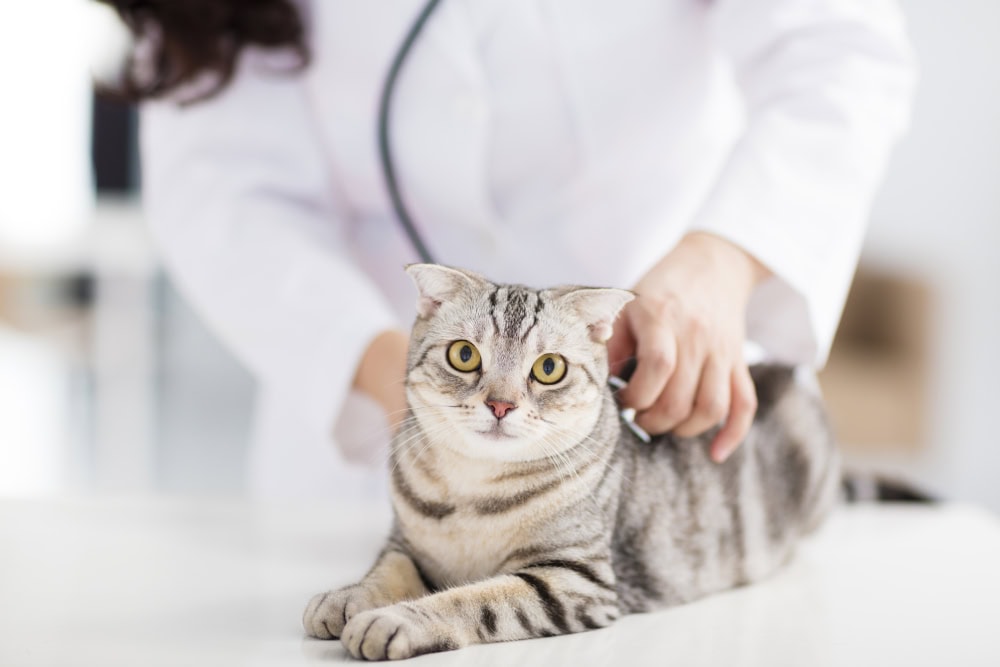
Veterinarian checking a cat
Image Credit: Tom Wang, Shutterstock

Other Unsafe Plants to Keep at Home

Dieffenbachias aren’t the only unsafe plants to expose your cats to. Here are some other toxic houseplants that you might want to reconsider:

  • Daffodil
  • Tulip
  • Hyacinth
  • Lily
  • Cyclamen
  • Kalanchoe
  • Sago Palm
  • Autumn Crocus
  • Azalea
  • Rhododendron
  • Lily of the Valley

Final Thoughts

Even though they do look pretty and have minimal care requirements, it is going to save everyone a lot of time, pain, and money if you refrain from keeping any Dieffenbachia plants in the house if you have cats. Your cat’s health is more important than a plant that could easily be kept outside. Of course, if you feel you must have one, then remember to keep it in a safe place where your cats and other pets can’t reach it.

Related Reads:


Featured Image Credit By: ANKUR MADAN, Unsplash

Get Hepper In Your Inbox

Pet care tips from our vets and experts, straight to your inbox.

List

Select all that apply.

You may opt-out at any time. View our Privacy Policy for more information.

Hallie Ballard
Authored by

Hallie Ballard

Join the conversation

Ask a question, share your story, or send private feedback.
Rate this post
Required to post. Only our editors see your rating.
Who should see this?

A human reviews every comment before it appears. Your email is never published.

Picked to go with this article

Is Schefflera Toxic to Cats? Vet Approved Facts & Safety Guide

Is Schefflera Toxic to Cats? Vet Approved Facts & Safety Guide

Household plants can add a splash of color to your home décor and make your living area feel more alive. Not all plants are safe for pets, and it's vital to re…

Nicole Cosgrove
By Nicole Cosgrove ·
Are Calla Lilies Poisonous to Cats? (Vet Answer)

Are Calla Lilies Poisonous to Cats? (Vet Answer)

Calla lily plants produce beautiful flowers that are highly recognizable for their popular, trumpet-like shape. While the white calla lily is one of the most w…

Dr. Lindsay Bisset
By Dr. Lindsay Bisset ·
Are Angel Plants Toxic to Cats? Keeping Your Cat Safe!

Are Angel Plants Toxic to Cats? Keeping Your Cat Safe!

If you are wondering whether angel plants are toxic to cats, there are a few things that need to be cleared up before we get into angel plant toxicity. It is i…

Lindsey Lawson
By Lindsey Lawson ·
Can Cats Eat Peace Lilies? Vet-Approved Facts & Plant Safety

Can Cats Eat Peace Lilies? Vet-Approved Facts & Plant Safety

The peace lily, also called the Mauna loa plant (Spathiphyllum), is a common indoor houseplant that only requires moderate sunlight to grow properly. If you’re…

Nicole Cosgrove
By Nicole Cosgrove ·

Keep reading

More stories you might like

Are Umbrella Plants Toxic to Cats? Vet-Approved Facts & Safety Guide

Cats are curious creatures, and they love to explore their environment. This can sometimes lead them to trouble, as cats may eat the plants they find in your h…

Nicole Cosgrove
By Nicole Cosgrove ·
Are Umbrella Plants Toxic to Cats? Vet-Approved Facts & Safety Guide

Is Anthurium Toxic to Cats? Vet-Approved Risks & Facts

Anthuriums are intriguing plants and very common across North America. However, if you have cats in your home, it’s best to not have anthuriums in your home. T…

Jessica Kim
By Jessica Kim ·
Is Anthurium Toxic to Cats? Vet-Approved Risks & Facts

Are Elephant Ears Poisonous to Cats? Vet-Reviewed Info

When we take our pets outside, it is easy to forget the dangers lurking in plain sight. One such threat is the Elephant Ear plant, or Xanthosoma, also known as…

Nicole Cosgrove
By Nicole Cosgrove ·
Are Elephant Ears Poisonous to Cats? Vet-Reviewed Info

Is Caladium Toxic to Cats? Vet Approved Facts & FAQ

Caladium is an eye-catching plant with heart-shaped, multicolored leaves. It is also commonly known as the elephant ear, the heart of Jesus, and angel wings. I…

Nicole Cosgrove
By Nicole Cosgrove ·
Is Caladium Toxic to Cats? Vet Approved Facts & FAQ

Are Yucca Plants Poisonous To Cats? What You Need to Know

Cats and plants are common in households, but they don’t always mix well. Cats are curious animals that sometimes like to chew, lick, and eat things. While it…

Oliver Jones
By Oliver Jones ·
Are Yucca Plants Poisonous To Cats? What You Need to Know

Are Fiddle Leaf Figs Toxic to Cats? Vet-Approved Facts and Safety Guide

The Fiddle Leaf Fig, or Ficus lyrata, is a species of plants in the Moraceae family. It’s a very popular house plant with beautiful and unique foliage. As icon…

Genevieve Dugal
By Genevieve Dugal ·
Are Fiddle Leaf Figs Toxic to Cats? Vet-Approved Facts and Safety Guide

12 Plants That Are Poisonous or Toxic to Cats (With Pictures)

Cats are curious by nature and love to check out new things. They're also notorious for getting into things that we don't want them to touch! We want to keep o…

Nicole Cosgrove
By Nicole Cosgrove ·
12 Plants That Are Poisonous or Toxic to Cats (With Pictures)

Are Dracaena Toxic to Cats? Vet-Verified Safety Facts

Are you thinking of adding new plants to your home and are worried about the safety of your cat? Or perhaps you already have plants and are bringing a new cat…

Kathryn Copeland
By Kathryn Copeland ·
Are Dracaena Toxic to Cats? Vet-Verified Safety Facts