Hepper blog

Search our database of over 9,984 posts with up-to-date information from our experts and veterinarians.

Hepper is reader-supported. When you buy via links on our site, we may earn an affiliate commission at no cost to you. Learn more.

Are Forget-Me-Nots Poisonous to Cats? Vet-Approved Facts and Safety Guide

By Nicole Cosgrove · Reviewed & fact-checked by Dr. Marta Vidal-AbarcaVet Approved
Dr. Marta Vidal-Abarca
Reviewed & Fact-Checked byDr. Marta Vidal-AbarcaVeterinarian
Marta has been a veterinarian for over sixteen years working across the UK and Spain and as a remote veterinary consultant. She has wide experience in small animal internal medicine and surgery with a soft spot for cats.View authorThe information is current and up-to-date in accordance with the latest veterinarian research. Read about our vets
Share
Ask us a question in the comments
Forget-Me-Nots

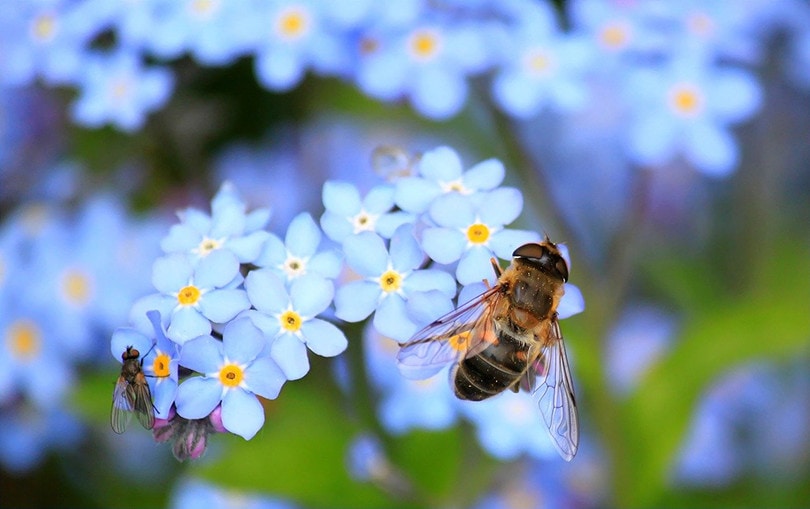
Forget-me-nots (Myosotis sylvatica) are perennial plants with vibrant spring blooms. Many homeowners enjoy these plants for both indoor and outdoor use, leading them to wonder if they’re toxic for pets.

Are forget-me-nots poisonous to cats? No, forget-me-nots are not poisonous to cats. In fact, they’re one of the pet-safe plants you can put in your home or garden.

About Forget-Me-Nots

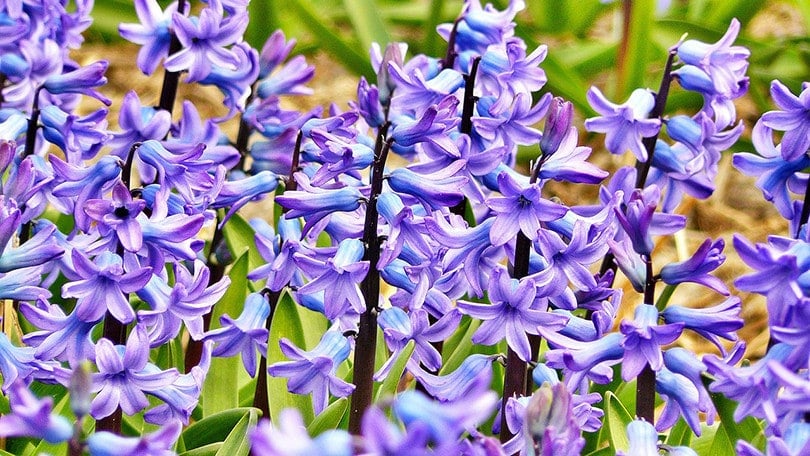
Forget-me-nots are charming, old-fashioned flowers that are prized for their colorful blue flowers that bloom early in spring. These flowering plants tend to prefer cool weather, indirect light, and moist soil, so they’re exceptionally hardy.

Each spring, these plants bloom with delicate blue flowers that have a white or yellow eye. They can be cultivated in outdoor gardens, indoors in pots and containers, or as bedding around wild gardens. The flowers are considered edible according to some sources and can be consumed in trail mix or as part of a salad or garnish.

While most varieties of forget-me-nots are safe for animals, there are some toxic species that look the same. The Chinese forget-me-not (Cynoglossum amabile), also known as the Hound’s Tongue, is a poisonous forget-me-not species. The toxic principles are pyrrolizidine alkaloids. When ingested in large amounts or over a long period of time, this plant has a poisonous compound that can be dangerous for horses.
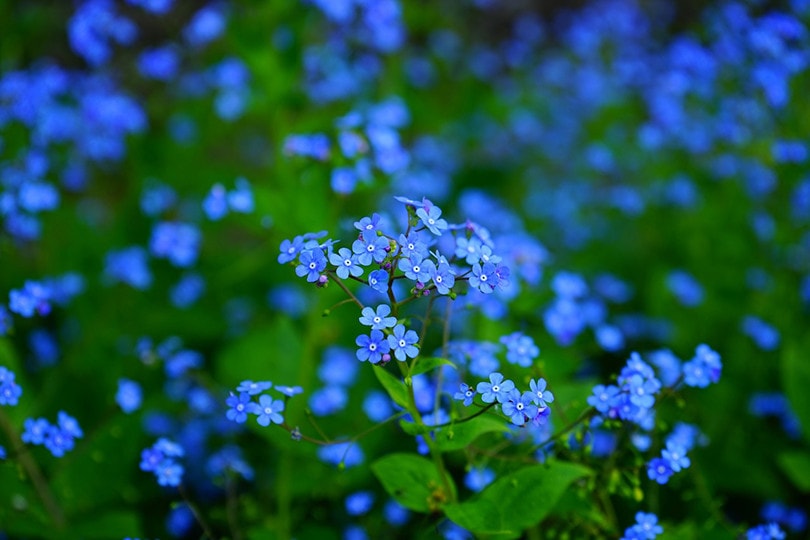
Forget-Me-Nots
Image by: Hans, Pixabay

Plants That Are Poisonous to Cats

Whether you’re keeping houseplants or creating your own backyard garden, knowing what plants are safe for your cats is important. These curious pets are likely to nibble on and ingest plants, and some plants have substances that can be toxic if your cat comes into contact with them.

Lilies are among the worst plants for households with cats. Because of their beauty, many people keep lilies, but they can cause potentially fatal kidney failure in cats. Even if caught early enough, which is not normally the case, acute kidney failure can mean a long (and expensive) road to recovery.

Some other popular plants that are hazardous to cats include:

  • Autumn crocus (Colchicum autumnale): An ornamental flowering plant that commonly blooms in fall and is toxic to cats, dogs, and horses. It is especially dangerous for cats because of its alkaloid colchicine content, which causes seizures, liver and kidney damage, gastrointestinal upset, and death in cats.
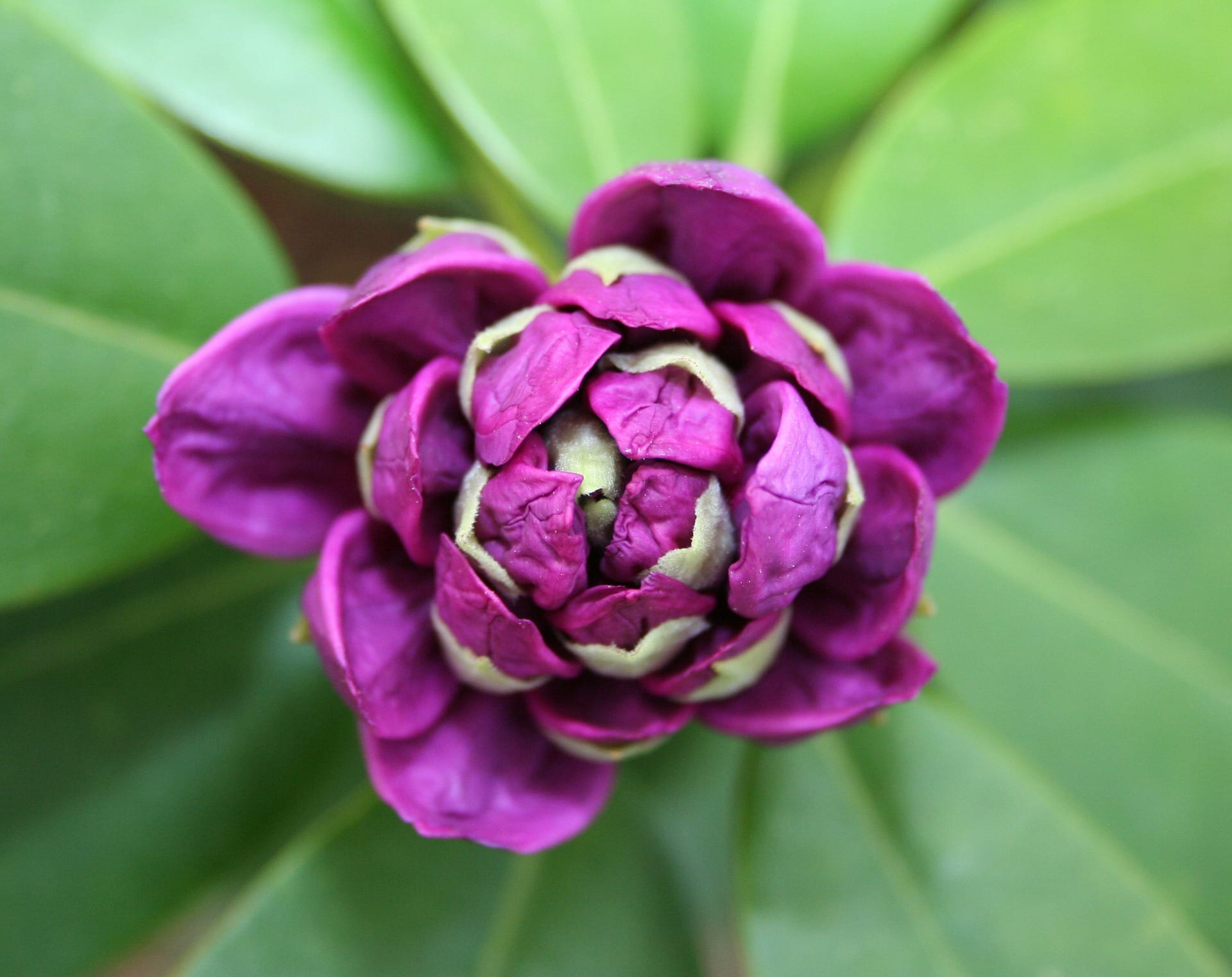
  • Azaleas and rhododendrons: These related species of flowering plants and shrubs are highly toxic to cats. All parts of the over 1,000 species of azaleas and rhododendrons can poison a cat, even with a tiny amount, and may cause digestive upset, weakness, heart failure, tremors, seizures, coma, and death.
  • Narcissus: This genus of plants includes daffodils, and all variants contain lycorine, a poisonous agent that can cause drooling, vomiting, diarrhea, and abdominal pain in cats. In severe cases, cats may develop heart arrythmia, low blood pressure, breathing difficulty, and convulsions.
  • Dieffenbachia: A genus of tropical flowering plants that are popular as houseplants. All types of dieffenbachias contain insoluble calcium oxalate crystals, which can cause oral and digestive irritation that’s painful for cats.
  • Chandelier plant (Kalanchoe tubiflora): A flowering houseplant that contains bufadienolides, which cause gastrointestinal upset and more severe symptoms like heart arrhythmia, collapse, and seizures.
  • Oleander (Nerium oleander): A popular outdoor flowering shrub that contains cardiac glycoside toxins, which can damage the heart muscle and may cause symptoms like poor coordination, seizures, tremors, and digestive upset.
  • Tulips and hyacinths: Both tulips and hyacinths are part of the lily family and share the same deadly toxins, such as tulipalin A and tulipalin B.

Conclusion

Plenty of common houseplants are poisonous to cats, but fortunately, the beautiful forget-me-not isn’t among them. Only the Chinese forget-me-not varieties pose a risk to cats. Still, it’s important to monitor your pet for signs of distress and try to prevent them from snacking on plants as much as possible. Ingesting a non-toxic plant can still cause GI upset such as vomiting or diarrhea. Often, accidental poisoning from eating houseplants or other toxic substances has the best outcome when caught early.

Related Reads:


Featured Image Credit: cocoparisienne, Pixabay

Get Hepper In Your Inbox

Pet care tips from our vets and experts, straight to your inbox.

List

Select all that apply.

You may opt-out at any time. View our Privacy Policy for more information.

Nicole Cosgrove
Authored by

Nicole Cosgrove

Join the conversation

Ask a question, share your story, or send private feedback.
Rate this post
Required to post. Only our editors see your rating.
Who should see this?

A human reviews every comment before it appears. Your email is never published.

Picked to go with this article

Are Hyacinths Poisonous to Cats? Vet-Approved Facts

Are Hyacinths Poisonous to Cats? Vet-Approved Facts

We humans enjoy decorating our yards and home with beautiful flowers throughout the year. Flowers bring everything to life and add splashes of color that can t…

Rachael Gerkensmeyer
By Rachael Gerkensmeyer ·
Can Cats Eat Pansies? Vet-Reviewed Health & Safety Guide

Can Cats Eat Pansies? Vet-Reviewed Health & Safety Guide

The bright and colorful pansy is a beautiful addition to gardens and containers, and they especially thrive in cool and rainy climates. They come in a wide var…

Kathryn Copeland
By Kathryn Copeland ·
Is Cyclamen Toxic to Cats? Vet-Reviewed Risks & FAQ

Is Cyclamen Toxic to Cats? Vet-Reviewed Risks & FAQ

We all love to brighten our homes with fresh flowers every now and then. As a winter bloomer, cyclamen is the perfect way to keep your house cheerful even in t…

Nicole Cosgrove
By Nicole Cosgrove ·
Are Lilacs Poisonous to Cats? Vet Approved Facts to Keep Your Cat Safe

Are Lilacs Poisonous to Cats? Vet Approved Facts to Keep Your Cat Safe

Lilacs are a lovely spring flower that many can recognize instantly. Lilac has a soft, supple smell that is light and airy. It isn’t uncommon to see this flowe…

Nicole Cosgrove
By Nicole Cosgrove ·

Keep reading

More stories you might like

Are Goldfish Plants Toxic to Cats? Vet-Reviewed Safety Facts

Plants are a popular décor piece in many homes, and people love to grow them. They add greenery and improve interior spaces. Although they can be a stunning de…

Nicole Cosgrove
By Nicole Cosgrove ·
Are Goldfish Plants Toxic to Cats? Vet-Reviewed Safety Facts

Can Cats Eat Lilies? Vet-Approved Risks & Poison Prevention

Cats are curious creatures. Some of them get into things they shouldn’t when they’re investigating their surroundings. But if you keep lilies in the house, you…

Nicole Cosgrove
By Nicole Cosgrove ·
Can Cats Eat Lilies? Vet-Approved Risks & Poison Prevention

Is Rhododendron Poisonous to Cats? Vet-Reviewed Risks & Alternatives

Because there are so many varieties of rhododendron, and some go by different names, they can be difficult to identify correctly. A dangerous plant can go unde…

Nicole Cosgrove
By Nicole Cosgrove ·
Is Rhododendron Poisonous to Cats? Vet-Reviewed Risks & Alternatives

Can Cats Eat Mint? Vet Reviewed Nutrition Facts & FAQ

If you’re concerned about whether it’s safe for a cat to eat mint, then most likely you’re a cat parent and your curious kitty has gotten into something they s…

Nicole Cosgrove
By Nicole Cosgrove ·
Can Cats Eat Mint? Vet Reviewed Nutrition Facts & FAQ

Are Snapdragons Poisonous to Cats? Vet-Reviewed Safety Facts

When keeping your cat safe from poisonous plants, you’ll want to know what is harmful and how likely they’ll eat it if they stumble across it. Thankfully, snap…

Kerry-Ann Kerr
By Kerry-Ann Kerr ·
Are Snapdragons Poisonous to Cats? Vet-Reviewed Safety Facts

Is Cat Palm Toxic to Cats? Keeping Your Cats Safe

Bringing the outdoors inside with a few houseplants is a simple way to make our homes feel cozier. The problem with being both a plant and a cat lover, though,…

Hallie Ballard
By Hallie Ballard ·
Is Cat Palm Toxic to Cats? Keeping Your Cats Safe

12 Plants That Are Poisonous or Toxic to Cats (With Pictures)

Cats are curious by nature and love to check out new things. They're also notorious for getting into things that we don't want them to touch! We want to keep o…

Nicole Cosgrove
By Nicole Cosgrove ·
12 Plants That Are Poisonous or Toxic to Cats (With Pictures)

Are Irises Poisonous to Cats? Vet-Verified Facts, Risks & Tips

Irises add beautiful splashes of color to your garden and indoor space, but are cats drawn to these flowers? Is it safe to let your cat eat an iris flower? No,…

Kathryn Copeland
By Kathryn Copeland ·
Are Irises Poisonous to Cats? Vet-Verified Facts, Risks & Tips