Hepper blog

Search our database of over 9,984 posts with up-to-date information from our experts and veterinarians.

Hepper is reader-supported. When you buy via links on our site, we may earn an affiliate commission at no cost to you. Learn more.

Is Ponytail Palm Toxic to Cats? Vet-Reviewed Safety Facts

By Nicole Cosgrove · Reviewed & fact-checked by Dr. Nia PerkinsVet Approved
Dr. Nia Perkins
Reviewed & Fact-Checked byDr. Nia PerkinsDVM (Veterinarian)
A graduate of Tuskegee University College of Veterinary Medicine, Nia dreamed of becoming a veterinarian since she was a child growing up in Chicago. She's been a veterinarian for almost 20 years, and has practiced in various settings including private practice, emergency, shelter medicine, and telehealth. She also owned a mobile vet service and a brick and mortar small animal and exotics hospital, in Alexandria Virginia.View authorThe information is current and up-to-date in accordance with the latest veterinarian research. Read about our vets
Share
Ask us a question in the comments
Ponytail Palm

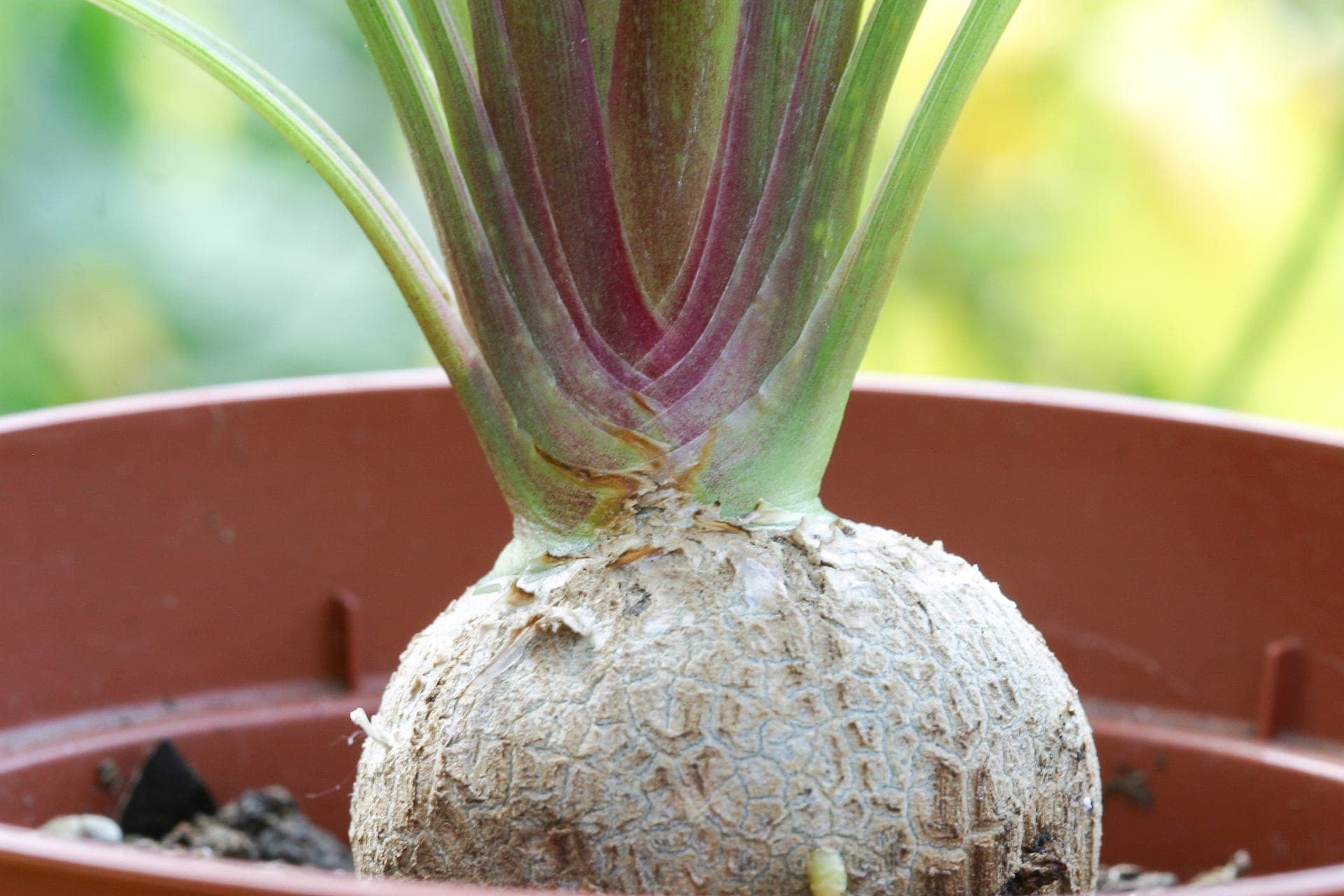
When it comes to having a comfortable home, all the inhabitants must be safe, both humans and pets. If you love cats but want to enjoy the beauty of nature inside too, then the Ponytail Palm is a good choice. It’s non-toxic to cats, so you don't have to worry even if your furry loved one decides to snack on it!

Why Is Your Cat So Fascinated by This Palm, Though?

Below, we will look at what palms are safe for cats, why cats eat plants, as well as some solutions.

Which Palms Are Safe for Cats?

When it comes to choosing non-toxic palms for your home, three kinds are safe for your cat.

  • Ponytail. Very common houseplants that are low-maintenance, slow-growing, and live for many years. With their cascading leaves, they can be a very attractive part of home decor.
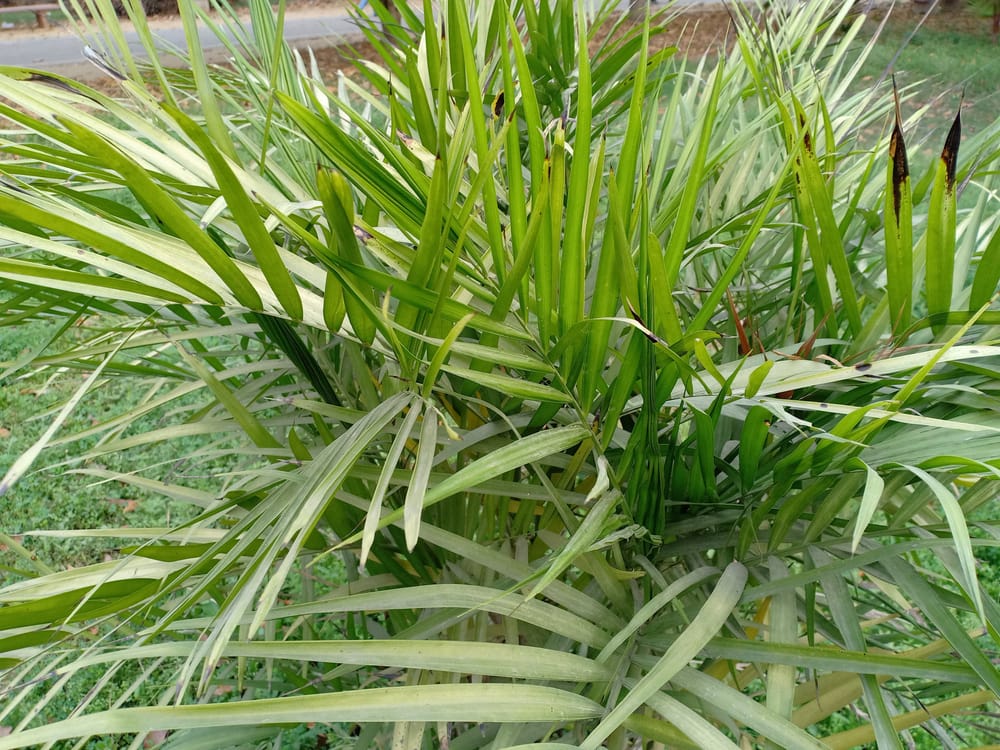
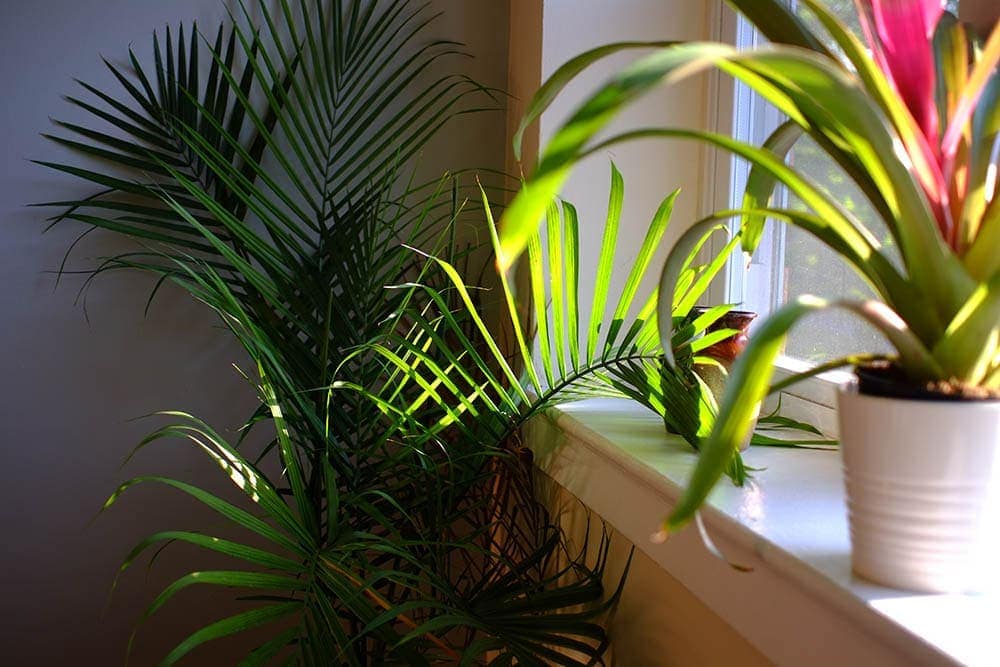
  • Parlor. A tall, elegant plant with dense, green, feathery foliage and arching branches. The trunk has ridges similar to bamboo. Ideal for indoors, this hardy, slow-growing plant can reach up to 4 feet tall.
  • Areca. One of the most popular palms in bright homes, areca has feathery fronds that give a light and airy feel to the environment. Although they start as a small, tabletop plant, with the right care and amount of light, they can grow up to 7 feet tall and live for 10 years.

Avoid any plants and palms with "sago" or "cycad" in the name, as they are very toxic.

Why Is My Cat Eating My Palm Plant?

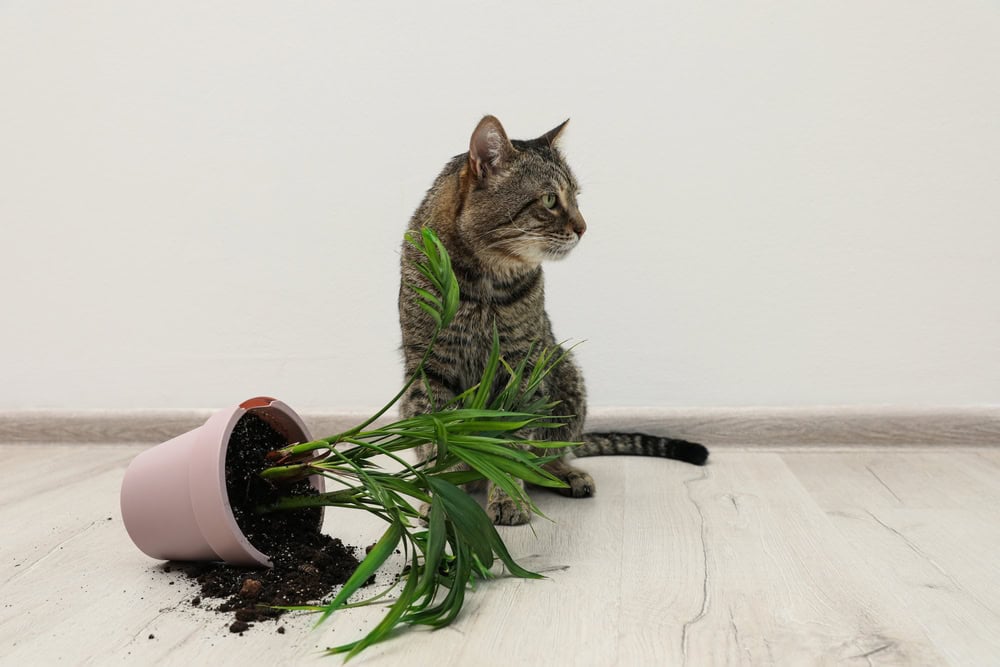
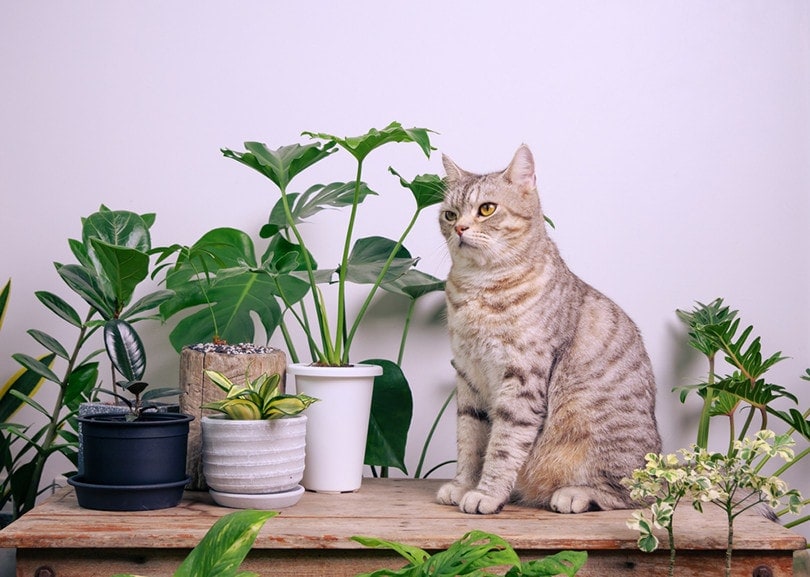
Have you noticed that your plants are looking raggedy? Does your cat have a special fascination with all things green in your home?

Don’t worry! There’s nothing wrong with your cat. Below are several possible reasons why they are munching on your palm.

  • Although meat is their food of choice, cats in the wild will also nibble on plants for extra fiber and to vomit if they feel sick.
  • Your cat may simply find a particular plant especially tasty.
  • Fluttering leaves can attract your cat’s attention and activate their hunting reflexes. Fans and air currents in the home will make your plants move back and forth, presenting a moving target that is too good to resist.
  • If your cat can’t find something more interesting to do, they may decide that the closest palm plant is their best source of entertainment. It may be time to invest in some new toys to keep them busy.

How Do I Keep My Cat From Eating My Plants?

Although it can be frustrating to see your lovely palm plant suffer the ravages of your seemingly ravenous kitty, there are some simple solutions you can use to protect your plants and keep your beloved pet happy.

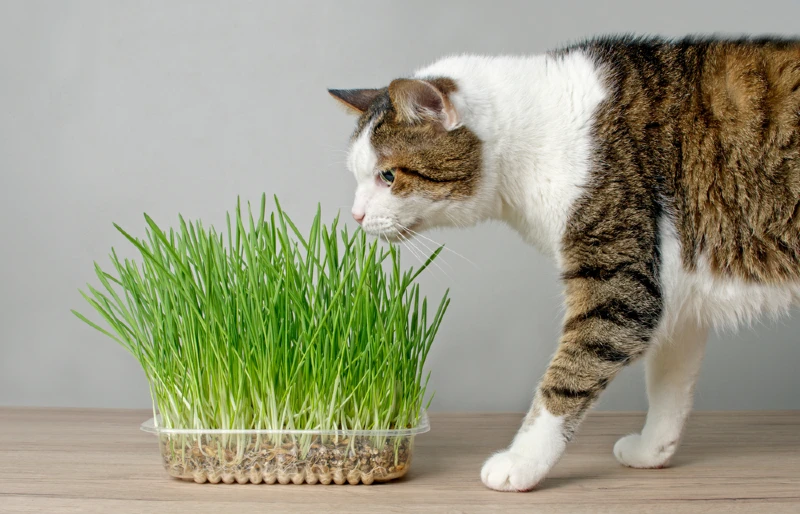
  • Cat grass. A grass specifically grown for indoor cats, it’s safe for cats to eat, and the natural fiber is said to help with passing hairballs. The most common type is oat grass. Affordable and healthy, this is an easy way to keep your cat’s attention away from your plants.
  • Chili powder. Sprinkling a very small amount of chili powder around your plants can deter your cat since they hate the smell.
  • Have some old orange or lemon peels left over? Put them in your plant’s pots, and that should help deter your voracious feline. Citrus is another detestable smell to cats.
  • Plants for your cat. Try getting some lemon balm or catnip plants and placing them far away from your other houseplants. Hunting down those attractive plants should help distract your cat from yours.

Conclusion

When it comes to enjoying your pet and the plants in your home, palm plants are an ideal non-toxic choice. They are a low-maintenance way to add beauty to the indoors, and you don't have to worry if your cat takes a bite. Indeed, your plant may be in more danger from your cat instead of the other way around!

Since your cat may like to take more than a bite, it’s a good idea to provide other options for them to explore. Whether it’s providing safe greenery to munch on or putting down some lemon peels, there are easy ways to make sure both your palm plant and your cat enjoy a long and happy life together.


Featured Image Credit: Pixabay

Get Hepper In Your Inbox

Pet care tips from our vets and experts, straight to your inbox.

List

Select all that apply.

You may opt-out at any time. View our Privacy Policy for more information.

Nicole Cosgrove
Authored by

Nicole Cosgrove

Join the conversation

Ask a question, share your story, or send private feedback.
Rate this post
Required to post. Only our editors see your rating.
Who should see this?

A human reviews every comment before it appears. Your email is never published.

Picked to go with this article

Are Majesty Palms Toxic to Cats? 3 Vet-Approved Tips for Keeping Cats Out of Plants

Are Majesty Palms Toxic to Cats? 3 Vet-Approved Tips for Keeping Cats Out of Plants

Being both a cat lover and an indoor plant enthusiast is a delicate balance that we are no strangers to. Our furry friends must investigate each new green addi…

Nicole Cosgrove
By Nicole Cosgrove ·
Can Cats Eat Palm Leaves? Vet-Reviewed Facts & FAQ

Can Cats Eat Palm Leaves? Vet-Reviewed Facts & FAQ

Palms are hardy plants with low care needs, and they also have beautiful long fronds. This combination of features makes these plants popular houseplants that…

Jessica Kim
By Jessica Kim ·
Is Cat Palm Toxic to Cats? Keeping Your Cats Safe

Is Cat Palm Toxic to Cats? Keeping Your Cats Safe

Bringing the outdoors inside with a few houseplants is a simple way to make our homes feel cozier. The problem with being both a plant and a cat lover, though,…

Hallie Ballard
By Hallie Ballard ·
How to Keep Cats Away From Plants: 8 Vet-Approved Tips

How to Keep Cats Away From Plants: 8 Vet-Approved Tips

Cats and green thumbs do not always mix, and plant-loving cat owners are all too familiar with this challenge. Whether it be the mangled plants, the mess from…

Misty Layne
By Misty Layne ·

Keep reading

More stories you might like

Is Calathea Toxic to Cats? Vet-Approved Facts and Safety Guide

Calathea plants are common houseplants because they have beautiful leaves and require a relatively low level of care. While they make a lovely and bright addit…

Genevieve Dugal
By Genevieve Dugal ·
Is Calathea Toxic to Cats? Vet-Approved Facts and Safety Guide

Are Calla Lilies Poisonous to Cats? (Vet Answer)

Calla lily plants produce beautiful flowers that are highly recognizable for their popular, trumpet-like shape. While the white calla lily is one of the most w…

Dr. Lindsay Bisset
By Dr. Lindsay Bisset ·
Are Calla Lilies Poisonous to Cats? (Vet Answer)

21 Plants That Are Safe for Cats (To Have Around Your House)

You can experience several benefits from adding plants to your home. Plants can have a therapeutic effect, lower stress levels, and purify air quality. While p…

Jessica Kim
By Jessica Kim ·
21 Plants That Are Safe for Cats (To Have Around Your House)

Are Corn Plants Toxic to Cats? Vet-Approved Facts and Safety Guide

Houseplants can brighten any room and add a nice touch to your décor, including corn plants. In a 2015 study, houseplants can even provide physical and psychol…

Rachel Giordano
By Rachel Giordano ·
Are Corn Plants Toxic to Cats? Vet-Approved Facts and Safety Guide

Can Cats Eat Peace Lilies? Vet-Approved Facts & Plant Safety

The peace lily, also called the Mauna loa plant (Spathiphyllum), is a common indoor houseplant that only requires moderate sunlight to grow properly. If you’re…

Nicole Cosgrove
By Nicole Cosgrove ·
Can Cats Eat Peace Lilies? Vet-Approved Facts & Plant Safety

How to Cat-Proof Plants: 11 Possible Ways

Houseplants are beautiful additions to your home. They not only provide a pop of color, but they can also reduce stress levels and even improve your indoor air…

Nicole Cosgrove
By Nicole Cosgrove ·
How to Cat-Proof Plants: 11 Possible Ways

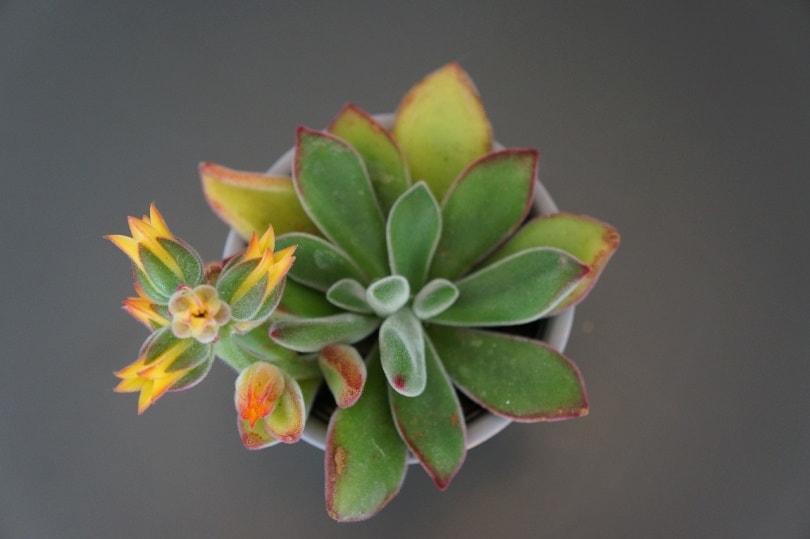
Is Echeveria Toxic to Cats? Vet-Approved Safe Plants for Felines

Succulents are plants native to desert locations that get their name from their thick, fleshy, sap-filled leaves. If you’re a cat lover who also loves succulen…

Nicole Cosgrove
By Nicole Cosgrove ·
Is Echeveria Toxic to Cats? Vet-Approved Safe Plants for Felines

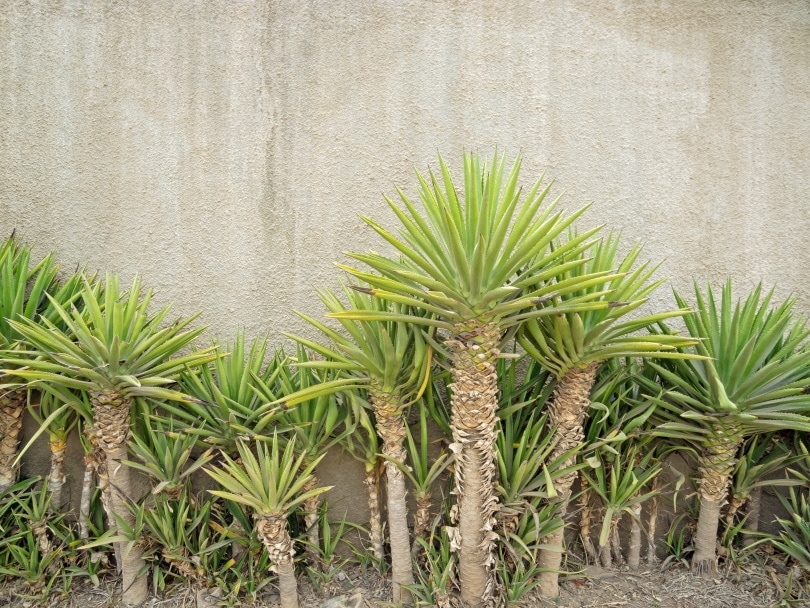
Are Yucca Plants Poisonous To Cats? What You Need to Know

Cats and plants are common in households, but they don’t always mix well. Cats are curious animals that sometimes like to chew, lick, and eat things. While it…

Oliver Jones
By Oliver Jones ·
Are Yucca Plants Poisonous To Cats? What You Need to Know