Hepper is reader-supported. When you buy via links on our site, we may earn an affiliate commission at no cost to you. Learn more.
13 Bearded Dragon Health Issues - Our Vet Explains What To Do

Bearded dragons are known to make great pets. That said, they come with a certain set of requirements to keep them as healthy as possible. Many diseases on this list can be prevented by appropriate husbandry, such as eating an adequate, balanced diet and their enclosures being kept at the appropriate temperature and humidity and having the right amount of exposure to UV light.
Read on to learn more about the common health issues in bearded dragons, so you know what to look out for.

The 13 Bearded Dragon Health Issues & Treatments
1. Respiratory Infections
Bearded dragons are more at risk of respiratory infections when they are stressed, have a poor diet, and are not kept in appropriate conditions. Whether bacterial, viral, parasitic, or fungal, infection can lead to pneumonia and be life threatening if not treated. The clinical signs of a respiratory infection are quite vague and can be easily missed, which is why patients often present with advanced pneumonia by the time that they reach the veterinary hospital. Clinical signs of infection can include dullness and lethargy, sneezing, discharge from the nose and eyes, shallow and labored breathing, and a decreased appetite.
Treatment normally involves treating the underlying cause of infection with antibiotics, an anti-parasite medication, or an anti-fungal. Supportive care can include a combination of fluid therapy, oxygen, keeping the patient warm, and improving husbandry and care. It may take weeks or months for your bearded dragon to return to normal.
2. Mouth Rot (Infectious Stomatitis)
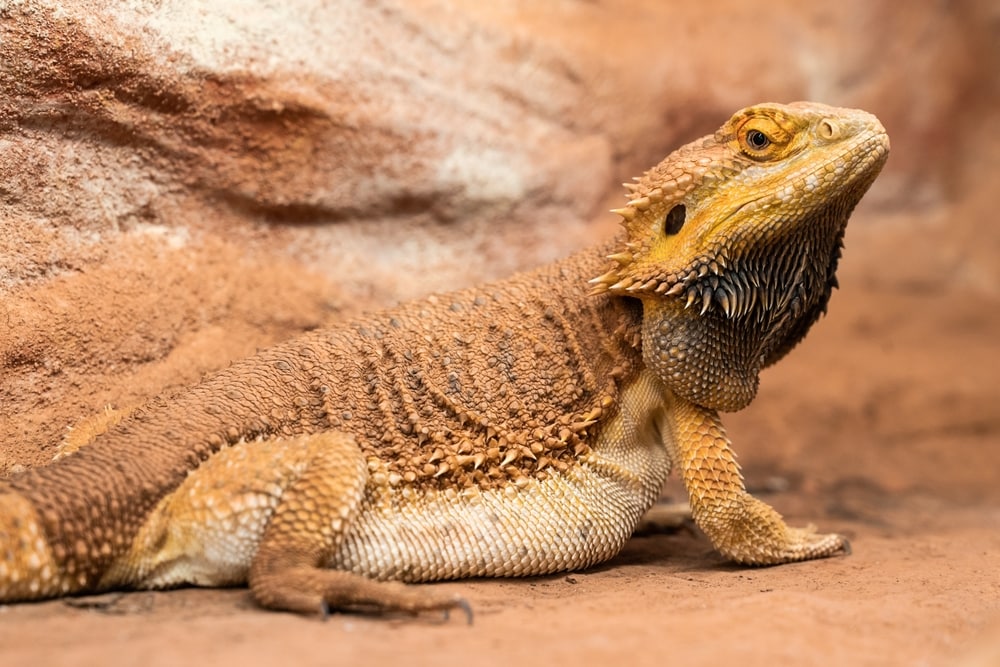
Mouth rot, or infectious stomatitis, is a bacterial infection of the gums or jawbone that can become quite serious. While it occurs less commonly in bearded dragons than in other lizards, it’s still notable because if missed, the infection can spread to the jaw and eventually, the bloodstream, affecting the internal organs. It presents as hemorrhage on the gums (which look like little purple spots), gum swelling, and a thick discharge in the mouth that can resemble cottage cheese. Treatment normally involves injections of an antibiotic and mouth rinses. In severe cases, dead tissue may need to be removed surgically from the mouth under general anesthesia. The reptile may also require supplement feeding if their mouth is too painful for them to eat food.
3. Metabolic Bone Disease
Metabolic bone disease (MBD) is also called nutritional secondary hyperparathyroidism. It is generally caused by a diet that is low in calcium and high in phosphorus or too low in vitamin D. Another contributing factor can be the lack of exposure to UV light, which is required for the beardie to make vitamin D in their skin.
Signs of MBD include a swollen jaw, rubber jaw (soft bones of the jaw and face), swelling of the back legs, trembling, weakness, the inability to walk, and seizures. Treatment normally involves correction of husbandry (such as dietary adjustments and appropriate UV light exposure) and more intensive supportive treatment, such as fluid therapy, diet support, and calcium supplementation. Unfortunately, not all cases are treatable.
4. Atadenovirus
Atadenovirus, or simply adenovirus, is common in bearded dragons. It results in a liver and gastrointestinal infection that can be fatal. Very young, old, sick, and stressed animals are more susceptible to atadenovirus, and animals can become carriers without showing any signs of disease. Infection is via the ingestion of feces, and clinical signs are usually non-specific—the affected animals can be described as “just not doing well.” Other signs may involve a degree of weakness and inappetence and sometimes even sudden death. Treatment is supportive, with fluid therapy and nutritional support. However, some bearded dragons will not respond to treatment.
5. CANV (Yellow Fungus)
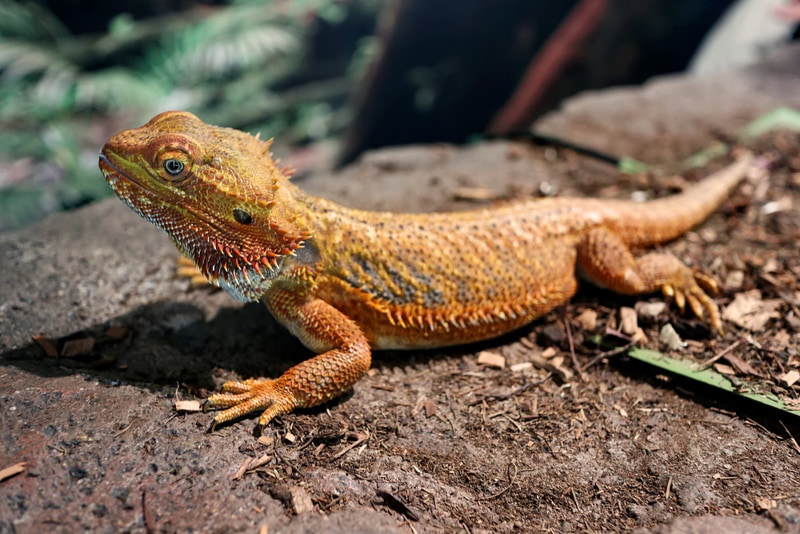
CANV, or yellow fungus, is a fungal infection that bearded dragons seem particularly susceptible to. It causes yellow plaques on the face, back, sides, and legs and can affect a bearded dragon at any age. These plaques can crack and bleed, enabling bacteria to invade the body. This can cause a secondary bacterial infection, resulting in weight loss and weakness. You may also see abnormal shedding, and their new scales may appear dull and rough. It is contagious among bearded dragons, so those that coinhabit will need to be separated and monitored. It requires aggressive treatment with antifungals and antibiotics, normally for an extended period. A review of husbandry practices is required.
6. Parasites
Parasites can affect the digestive, skin, and respiratory systems. They are common in the intestines and usually result in loose stools and weight loss. Mites and ticks can affect the skin and be seen between the scales and skinfolds.
Treatment is dependent on the parasite and the system affected, but a bearded dragon with a parasite burden typically requires anti-parasite treatment prescribed by your veterinarian. Husbandry practices should also be reassessed.
7. Scale Rot
Scale rot in bearded dragons is also known as ulcerative dermatitis. It's usually the result of poor husbandry and hygiene that enables bacteria and fungi to thrive on their skin, leading to red skin, sores, and discharge. In the early stages of the disease, it may simply present as blisters or pustules on the skin. Left untreated, the bacteria may spread to the bloodstream, where it causes septicemia and death. Treatment normally involves antibiotics and a correction in hygiene and husbandry. If started early, the response to treatment is normally good.
8. Constipation
Constipation refers to difficulty defecating. In bearded dragons, the clinical signs may simply include a poor appetite and lethargy, with the absence of feces in their enclosure. In later stages, their belly may be enlarged. It is mostly a result of inadequate water intake, a poor diet, intestinal parasites, and an underlying illness.
Treatment involves warm water soaks and gentle stomach massages. If that does not work, they need to visit a veterinarian, who may give them an enema or recommend surgery.
9. Gout
Gout refers to a complex metabolic disorder that can lead to swollen joints in reptiles and is usually a result of excess uric acid in the blood. This creates crystals in the body that deposit to the joints, causing pain and swelling. It can be caused by too much protein in the diet, dehydration, kidney issues, and hypothermia. Treatment is variable but may center on dietary alteration and correcting the beardie’s environment. The reptile may also need supportive care and surgery to clean out the crystal deposits in the joints.
10. Dental Disease
Bearded dragons are prone to dental disease when they are given an inappropriate diet of only soft foods, with no roughage. It results in the accumulation of dental plaque on the teeth and inflamed gums. This may lead to systemic infection and require appropriate treatment. Usually, anesthesia is required to clean the teeth and the gums. The problem can be prevented by changing to an adequate diet.
11. Trauma
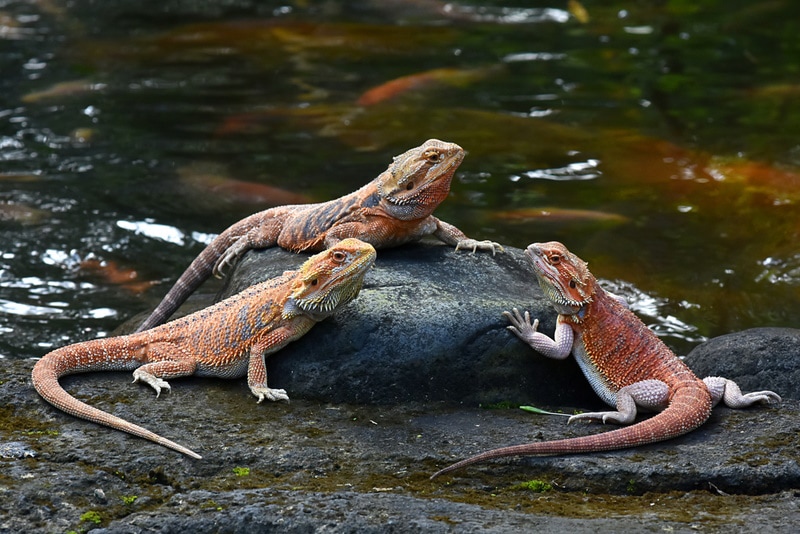
Breaded dragons are cannibalistic, which is particularly important to know if your pets are in communal enclosures. When they coexist with one another, smaller juvenile dragons are at risk of being eaten by their larger counterparts. Also, adult males should not be kept together, and injuries are more likely to occur at feeding time. Wounds are usually found on the extremities and may require surgical treatment and antibiotics.
12. Retained Shed
Retained shed, or dysecdysis, refers to the abnormal or incomplete shedding of the skin, which should normally occur a couple of times a year for adult bearded dragons. Several factors lead to abnormal shedding and many relate to poor husbandry! Too-low humidity, parasites, poor diet, and a lack of suitable surfaces can cause poor shedding, as can infectious disease and reduced thyroid function. While seen more commonly in other reptiles, retained shed in your bearded dragon may indicate that the temperature and humidity of their enclosure are not adequate, and alongside their diet and hydration levels, these should be the first things that you investigate.
13. Avascular Necrosis
Avascular means “lack of blood vessels” and necrosis means “death of tissue.” Therefore, the literal meaning of this disease is right there in the name: of death of tissue due to a lack of blood supply to the area. This condition is typically seen in younger bearded dragons that have low humidity levels in their habitat. The most affected areas of the body are usually the toes and the end of the tail. It can be a result of abnormal shedding, leading to constriction of the body part by the retained shed and a lack of blood supply to that area. Other times, the cause may not be determined. Treatment usually involves removing the dead tissue or retained skin, sometimes resorting to amputation of the tail or affected toe.
Summary
Bearded dragons may be hardy pets, but they require a great deal of care and attention toward their living conditions in order to thrive. They are often sold as good starter pets, but like most reptiles, they're complex animals that have specific needs.
Good husbandry practices can prevent many of the diseases on this list, and prevention is always preferred to a cure. If you have any concerns about your bearded dragon, please get in contact with your veterinarian.
Sources
Featured Image Credit: hedgehog94, Shutterstock
Get Hepper In Your Inbox


Pet care tips from our vets and experts, straight to your inbox.
You may opt-out at any time. View our Privacy Policy for more information.
Meg is a veterinary surgeon and writer originally from Australia, who currently is living and working in Scotland with her family. She is a passionate advocate of preventative medicine, client education and believes medicine never has a one size fits all approach. When not practicing veterinary medicine, her happy place is out walking the hills with her baby daughter and over-excited Labrador, and writing.
Dr. Meg is from Australia and currently lives with her family in Scotland. When she's not working, you can find her taking her clan out on the hills, writing, and consuming books. She enjoys the variety of general practice and the feeling that there is always something new to learn. There is never a boring day behind the doors of a veterinary clinic!
Education
Meg graduated in 2015 from James Cook University, Australia.
Experience
Dr. Meg has been in practicing veterinary medicine for over seven years. Before traveling and working in the United Kingdom, she spent her formative years after graduating from university obtaining a wide variety of experience in rural Australia, with a focus on both small animal and equine medicine. She has developed a keen interest in client education, learning over the years that once the patient has had the surgery or the medicine to "fix" an issue, it is ultimately awareness that improves patient outcomes.
Join the conversation
Ask a question, share your story, or send private feedback.