Hepper is reader-supported. When you buy via links on our site, we may earn an affiliate commission at no cost to you. Learn more.
How to Make Homemade Cat Dander Spray in 10 Steps
In this article
Spraying a cat dander spray onto your cat is the best way to remove dander and other allergens from your pet before it gets all over your home and the furniture in it. You can always go out and buy a cat dander spray, but depending on what kind you get, they can sometimes contain artificial ingredients or fragrances that are not as safe for your cat as natural ingredients are.
Instead, why don’t you consider making a cat dander spray at home? That way, you’ll know what ingredients are in it and can feel assured that it is safe to use on your pet. Best of all, you can use things that you probably already have at home, which can save you money in the process. All you have to do is follow the instructions that we’ve laid out for you in this guide.

Before You Start
Before you begin making your homemade cat dander spray, it is good to know how cat dander sprays work. Cat dander sprays rely on enzymes that help to neutralize the dander found on your cat. Enzymes are naturally occurring chemical compounds that are found in many plants and animals, but they can sometimes be produced artificially as well.
Some store-bought cat dander sprays rely on artificial enzymes to make their product work, and while they can be just as effective as natural enzymes, other ingredients in the spray, such as artificial fragrances and dyes, may not be completely safe for your cat.
You can certainly find store-bought cat dander sprays that are made with more natural ingredients, or you can just make your own at home. But we should mention that for your homemade spray to be as effective as possible, it will need to ferment for a few months before it is ready to use.
Here’s a little science information for you: Enzymes have to have a catalyst to become activated. In the case of your homemade cat dander spray, brown sugar acts as the catalyst because it contains sucrose. Fermentation allows the sugar to become a catalyst for enzymes because it has to be broken down over time for the spray to work.
We said that because if you’re going to make homemade cat dander spray, it won’t be ready for a few months. You may have to take other proactive steps to reduce the amount of dander in your home until the spray is ready to use. We’ll cover some things that you can do in the meantime later on.

Preparation
To make your homemade cat dander spray, you’ll need to gather a few ingredients and supplies. All you’ll need is:
- Brown sugar
- Food scraps
- 2-liter bottle
- Funnel
We’ve already mentioned that the purpose of the brown sugar is to serve as a catalyst, but the food scraps are what are going to contain the enzymes that help to neutralize the dander. You can use any kind of food scraps that you would normally add to a compost bin, but generally, fruit peels, such as banana skins, or leftover vegetable scraps from lettuce or spinach work best.

The 10 Steps to Make Homemade Cat Dander Spray
Once you have gathered the ingredients, the process for making homemade cat dander spray is fairly simple. Plus, this recipe makes a lot of spray, so once it ferments, you should be set on cat dander spray for a while.
Follow these steps to make your cat dander spray:
1. Prepare Your Bottle
Make sure to thoroughly clean out the 2-liter bottle. Remove the label so that you can have a better view of the fermentation process.
2. Add Your Sugar
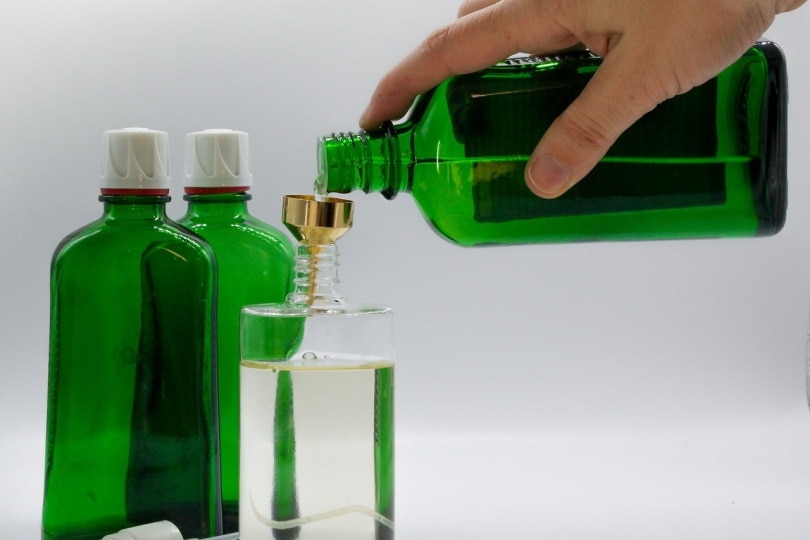
Measure out ½ cup (100 grams) of brown sugar and pour it into the bottle using a funnel.
3. Prepare the Scraps
Clean your fruit or vegetable scraps under running water to remove any dirt or germs that may be on them.
4. Add Your Fruits or Veggies
Measure out about 2 cups (300 grams) of your fruit or vegetable scraps and add them to the bottle as well. (You may have to chop them up to get them to fit.)
5. Fill the Bottle
Once the sugar and fruits or vegetables have been added, fill the bottle about halfway full of water.

6. Mix Everything
Put the cap on the bottle and vigorously shake it to mix the ingredients until most of the sugar has dissolved.
7. Label the Bottle
Write the date on the bottle because remember, the fermentation process can take around three months.
8. Start the Fermentation Process
You can leave the bottle sitting out since it is not necessary to refrigerate it as the colder temperature can slow down the fermentation process.
9. Release Gas Buildup
Gas will build up during this process. Every day for the first month of fermentation, you will need to unscrew the cap for a few minutes to release the gas buildup. Otherwise, the bottle could explode and you'll be left with quite the mess to clean up.
10. Transfer Your Solution to a New Container
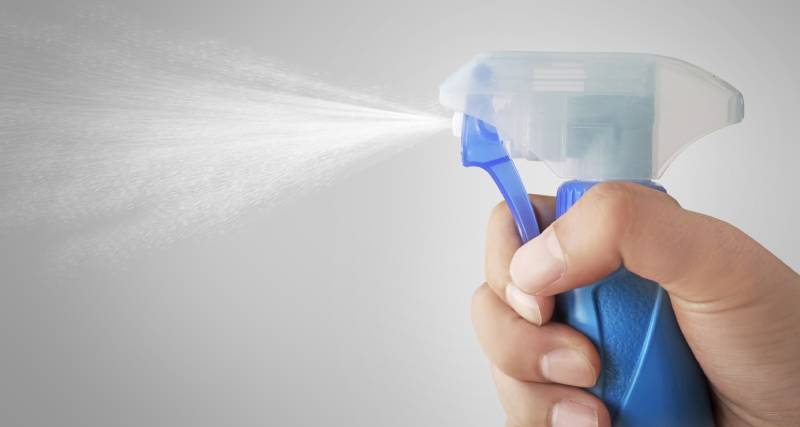
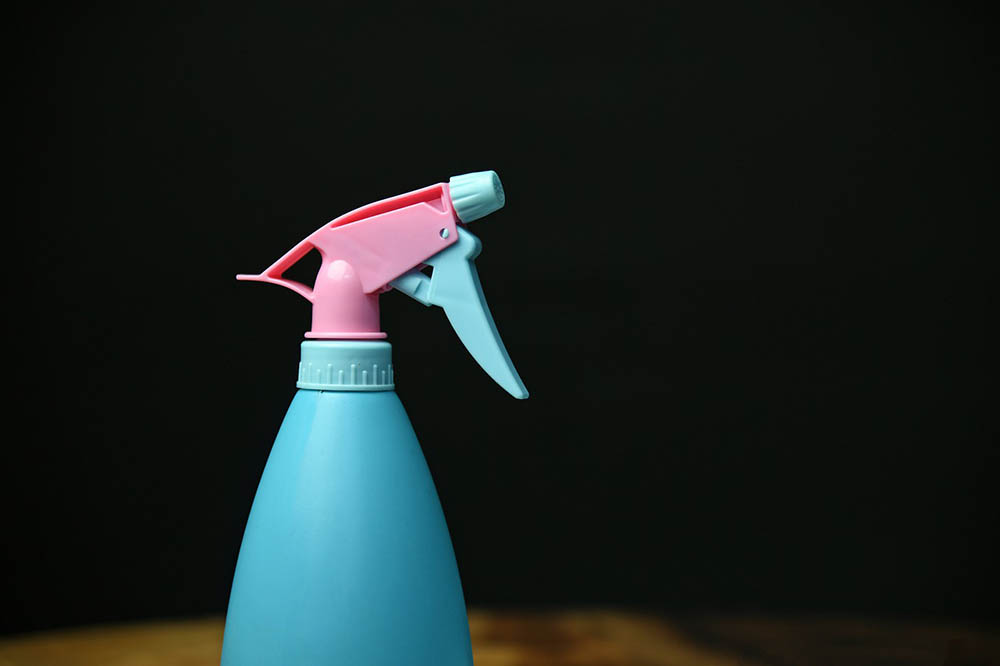
Once the fermentation process has been completed, pour the mixture into a spray bottle. You can strain out the leftover fruit and vegetable matter if you want.
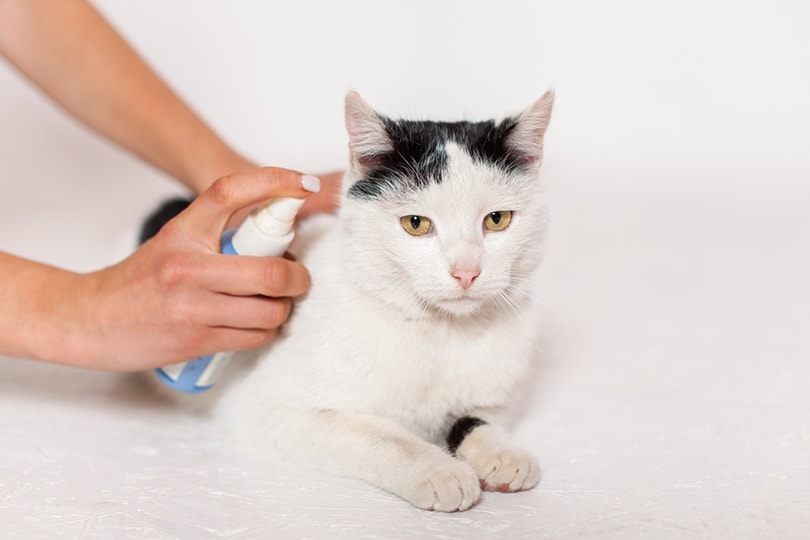
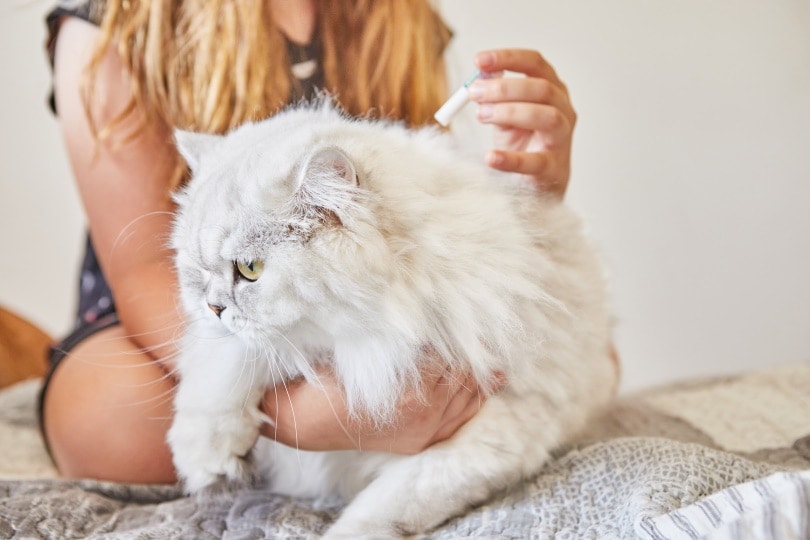
Note that your cat won't take too kindly to being sprayed with liquid. It will be best to spray a rag with the spray, and then rub the rag over your cat's fur. You can also use this spray on other surfaces around your home as well to neutralize cat dander on those as well.
What Exactly Is Cat Dander?
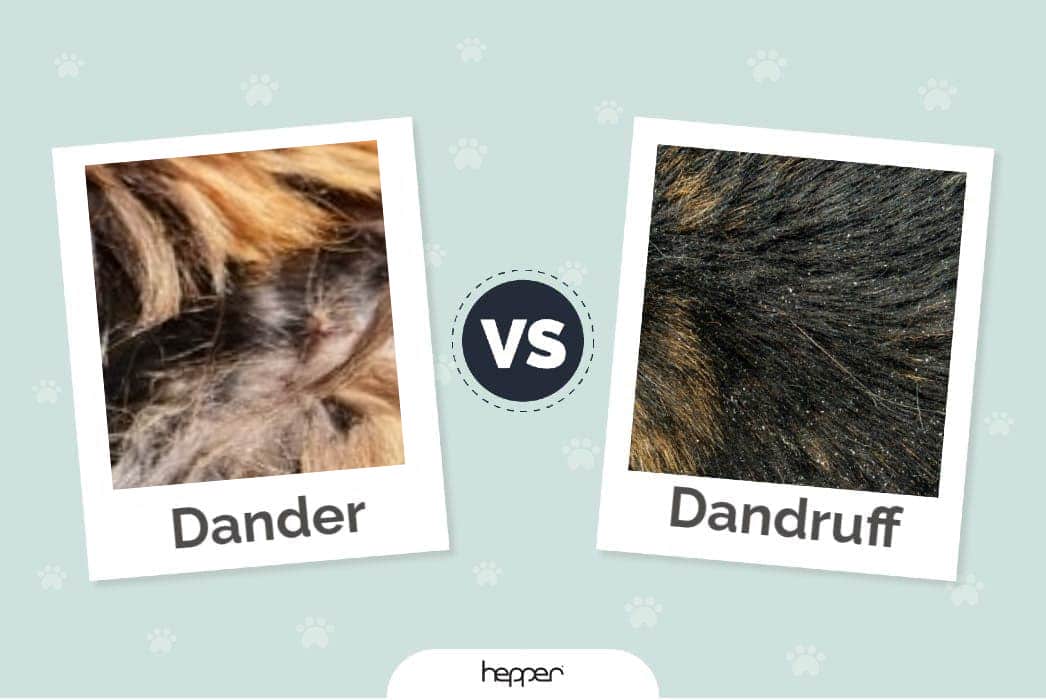
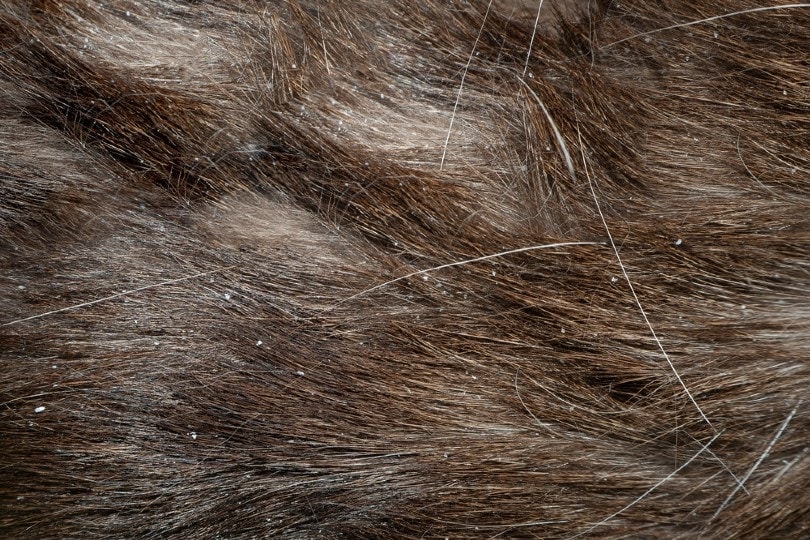
If you have pets, you’ve likely heard the term “dander,” but do you know what dander actually is? Essentially, dander is dead flakes of skin that have been shed by your cat. All cats produce dander, although some breeds produce less dander than others.
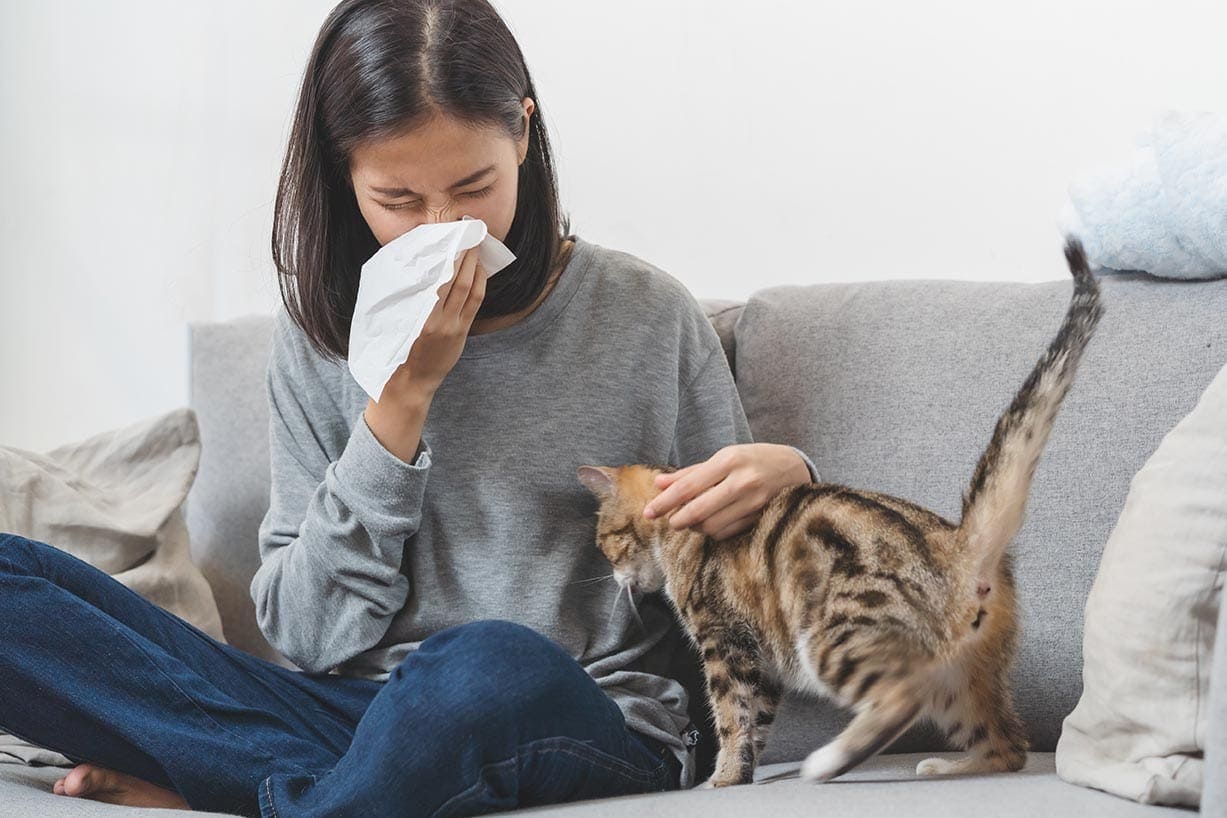
While dander doesn’t bother some people, it can wreak havoc on those with pet allergies as they breathe in the particles in the air and on the furniture. Plus, dander can build up over time if it is not neutralized, so even if you don’t have a specific pet allergy, it can still cause problems over time, especially if you have a general dust allergy.
Dander may sound gross, but it is a natural thing that comes with owning a cat and it can’t be avoided entirely. And in homes with multiple cats, even more dander is produced. Even though it’s hard to eliminate dander completely, you can reduce it by regularly cleaning surfaces that your cats touch, brushing your cats, and even using a dander-reducing spray.
What Are Some Other Ways to Get Rid of Cat Dander?
Whether you're waiting on your homemade spray to ferment or you've decided that you want to go an alternate route, there are some other ways that you can reduce the amount of cat dander in your home.
1. Bathing & Brushing
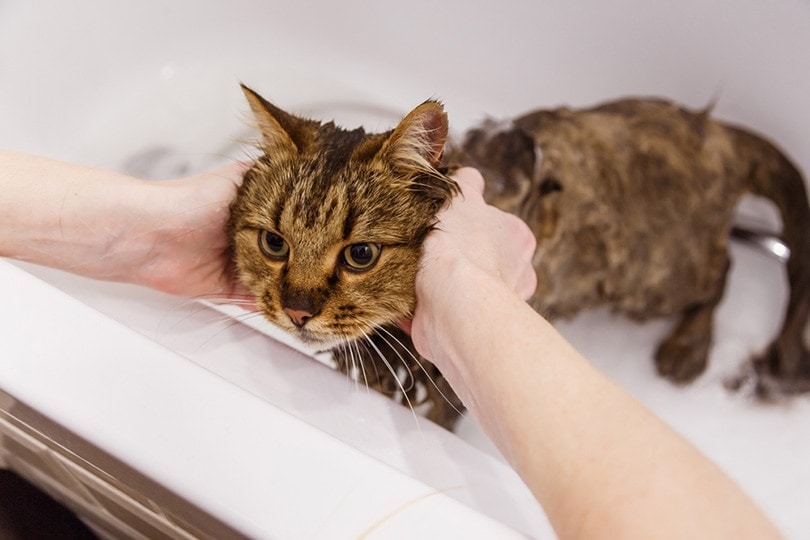
The first way is to regularly bathe and brush your cat. Most cats aren't too keen on baths, but if your cat is, then bathing him twice a month can help reduce the amount of dander that he sheds. If your cat won't tolerate being bathed, a weekly brushing can also help to reduce dander.
2. Clean Your Home Often
The second way may seem very straightforward, but regularly cleaning your home is one of the best things you can do to remove dander. This includes vacuuming furniture and carpets, as well as washing curtains and other textiles, especially if your cat lays on them regularly.
If there is an odor, sprinkle some baking soda onto the surface first before vacuuming. The baking soda will help to absorb the odor. Wipe down baseboards, countertops, and other hard surfaces with vinegar and water spray or other cleaning product that is safe for cats.
3. Use Air Purifiers
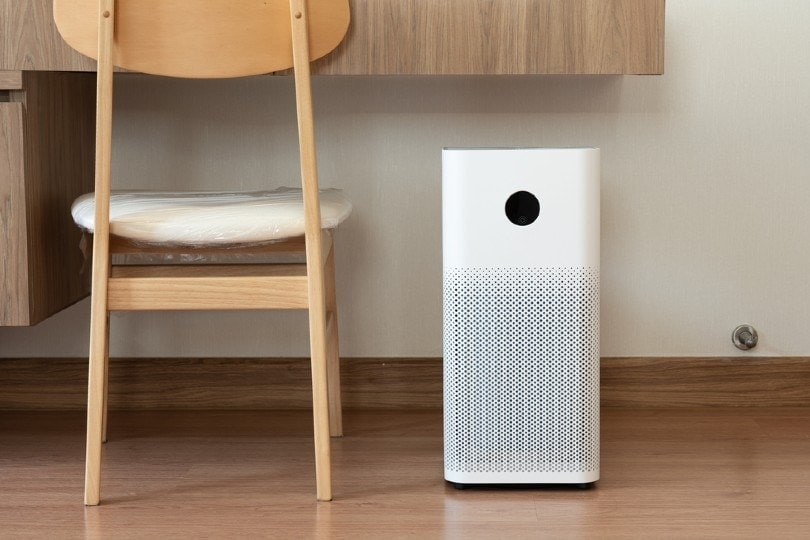
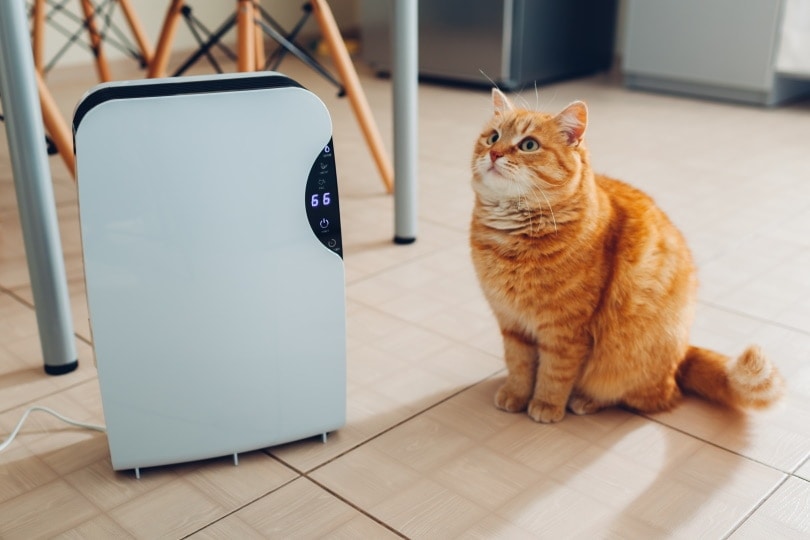
Finally, you can invest in an air purifier, which will help remove any dander particles from the air that may lead to allergies. With an air purifier, you may not have to clean your home as much since the filter in an air purifier can help to trap some of the dander before it settles. This is a great solution for those with pet allergies or even just general dust allergies.

Conclusion
If you do not mind waiting a few months for it to ferment, making a homemade cat dander spray is a great way to save money and ensure that the ingredients you use are safe for your pet. As long as you give the spray time to ferment, it can be very effective at reducing the amount of dander that your cat sheds into your home. But you may still need to take other steps in the meantime while you wait.
Featured Image Credit By: Lemalisa, Shutterstock
Get Hepper In Your Inbox


Pet care tips from our vets and experts, straight to your inbox.
You may opt-out at any time. View our Privacy Policy for more information.

Savanna is a former science teacher who is now a full-time freelance writer. She currently lives in the U.S with her daughter and husband. Other members of her family include a long-haired chihuahua named Penny, three cats (Bubba, Kittylina, and Thunder), and a turtle named Creek. Her passions include gardening, traveling, and protecting wildlife and natural resources.
Join the conversation
Ask a question, share your story, or send private feedback.