Hepper is reader-supported. When you buy via links on our site, we may earn an affiliate commission at no cost to you. Learn more.
What Can I Add to Dog Food for Dry Skin (14 Options)


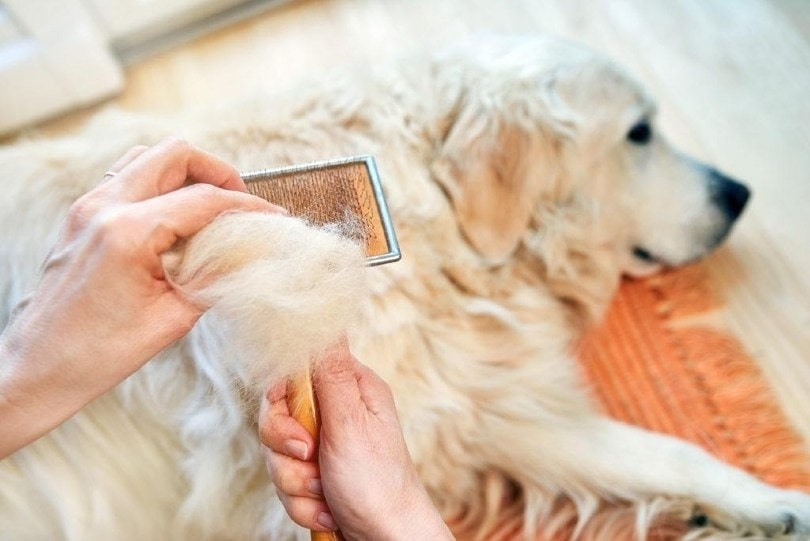
Dealing with dry skin is never fun, and we shouldn’t expect our dogs to deal with such a condition. Fortunately, there are many things that you can add to your dog’s food that can help alleviate dry skin. Typically, a 2 to 3-month period will be needed to see visible improvements in the coat and skin health. Let’s look at 14 options and discuss how to know if your dog has dry skin.

The 14 Top Dog Food Additives for Dry Skin
1. Fish Oil
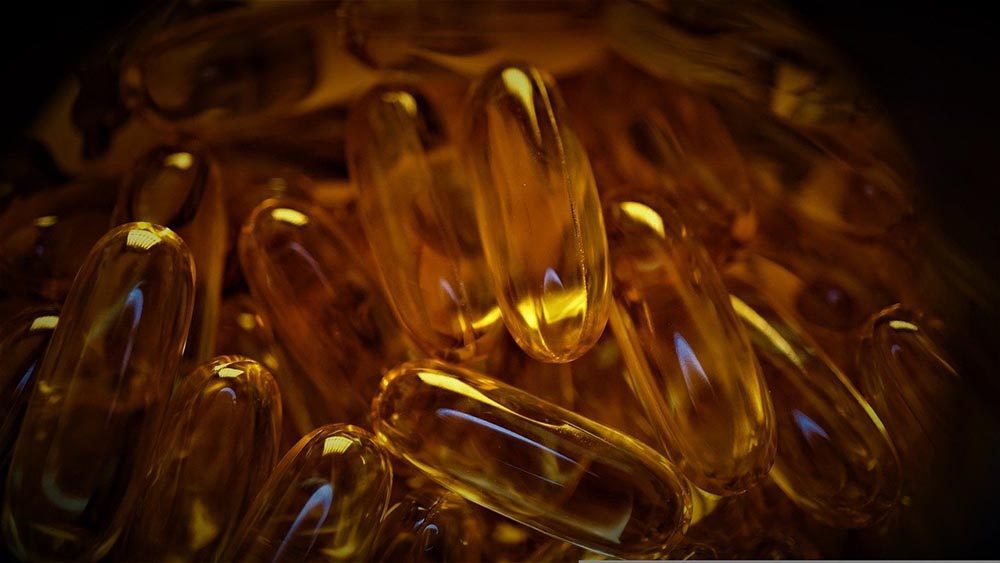
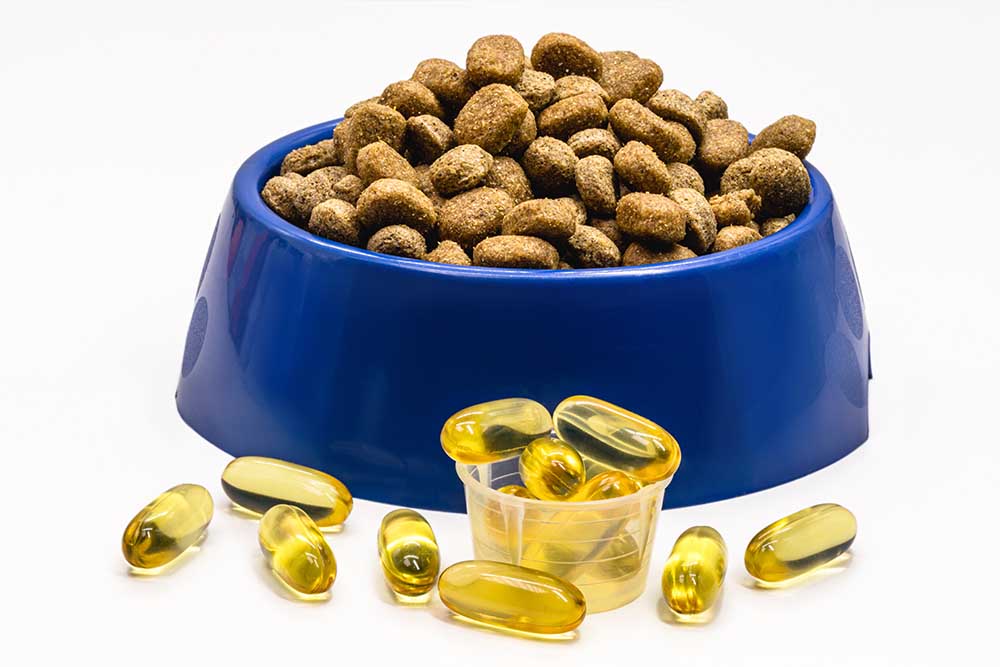
Fish oil is a rich source of omega fatty acids, which help keep a dog's skin and coat soft and healthy. Many quality commercial dog foods contain fish oil, so check the ingredients on your dog’s food to find out whether you need to add a fish oil supplement yourself. Omega 3, 6, and 9 fatty acid supplements are vet-recommended for skin health.
2. Coconut Oil
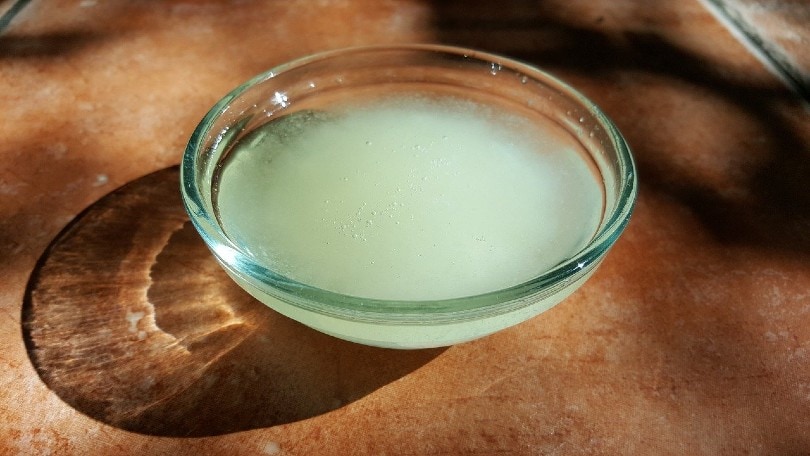
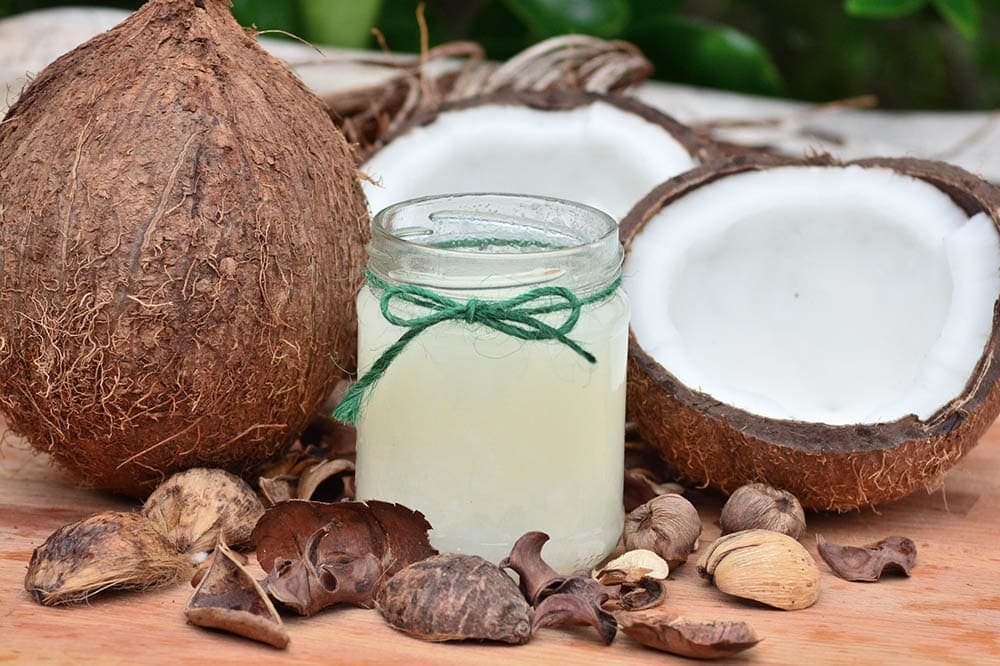
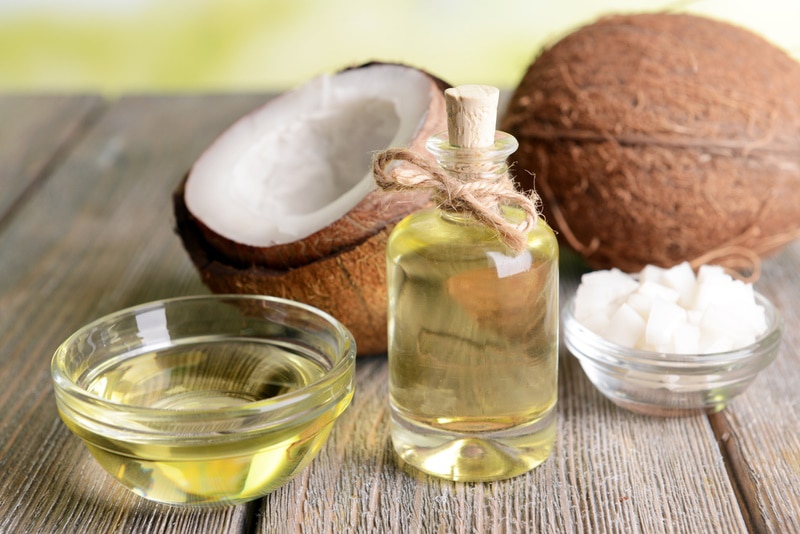
According to PetMD, topical use of coconut oil adds moisture to your dog’s skin and prevents it from flaking over time. Also, coconut oil contains lauric acid, which helps fight skin inflammation when ingested. Adding a little coconut oil to your dog’s food can help produce a glossy coat.
3. Eggs
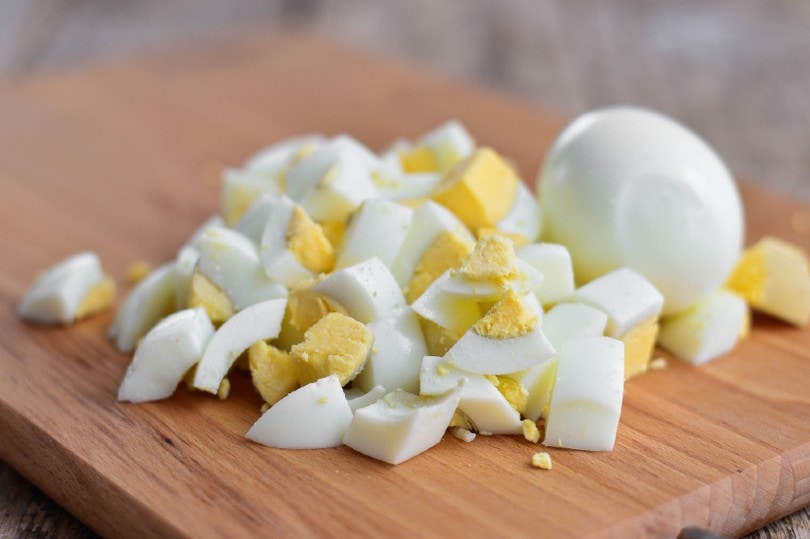
Eggs provide dogs with vital nutrients, including folate, riboflavin, iron, and fatty acids. The latter is crucial for a soft coat and supple skin. However, eggs should be utilized as occasional treats, not daily supplements. Also, it's best to cook them before serving them to your dog as raw eggs inhibit the absorption of Biotin, which is important for skin health.
4. Pumpkin Puree
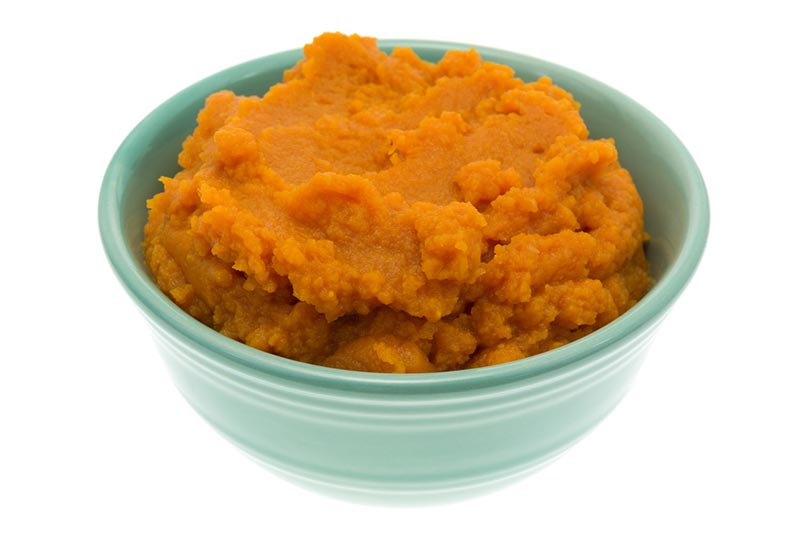
As a powerhouse full of vitamins and minerals, pumpkin puree helps ensure the proper digestion of nutrients, which is essential for healthy skin overall. The vitamin E in pumpkin puree can help soften the skin and reduce itchy patches. Most dogs enjoy pumpkin, so adding a little puree to their food should only enhance mealtimes.
5. Bone Broth
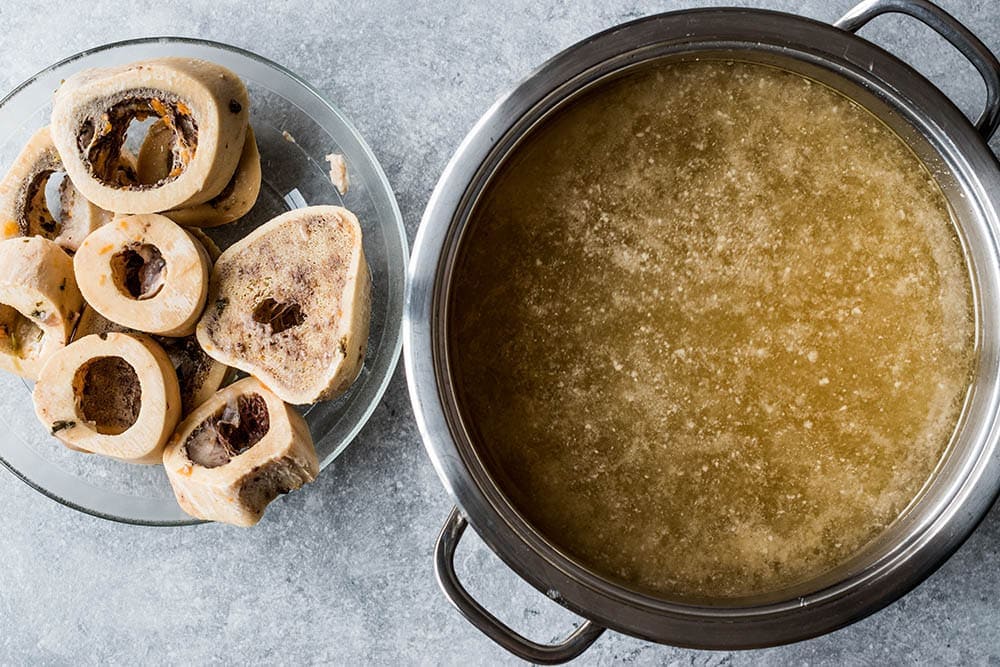
A healthy gut is essential for healthy skin. If your dog cannot digest their food properly, they won’t absorb all the nutrients needed for soft skin and a smooth coat. Adding bone broth to your dog’s food can help develop and maintain a healthy gut, so digestion is a breeze. A healthy gut will also help ensure that you don’t have to deal with things like diarrhea due to digestion issues.
6. Chia Seeds
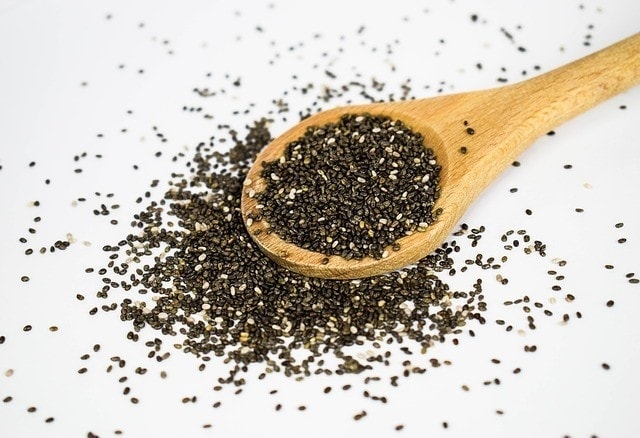
As a source of omega-3 fatty acids, chia seeds can help improve the skin health of your dog. This superfood is also good at fighting inflammation, which can help keep your dog comfortable as they age. Chia seeds happen to be high in protein and fiber, too.
7. Carob Powder
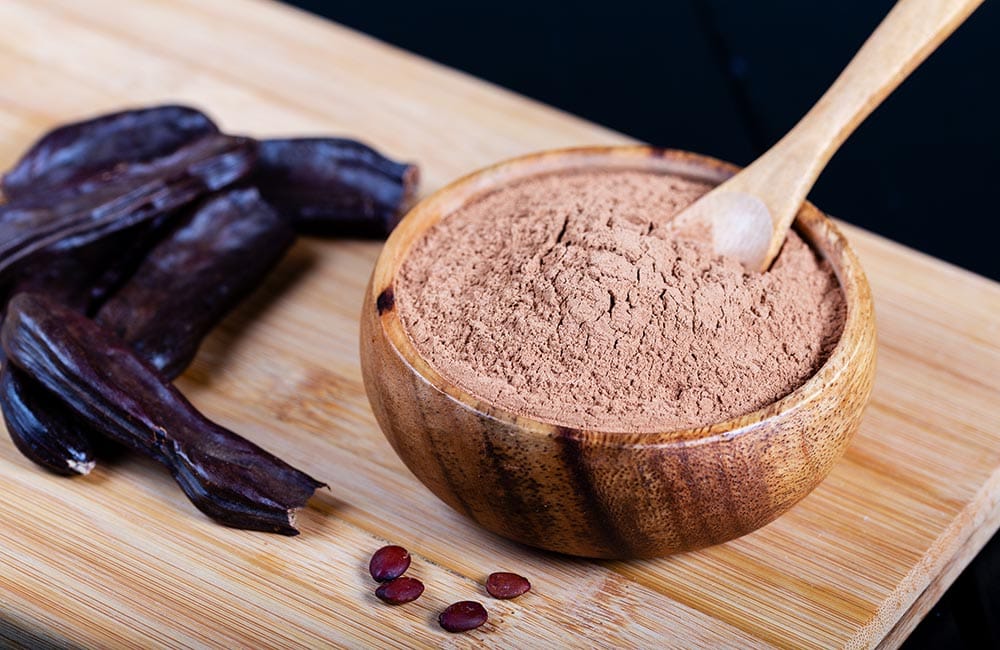
Carob is an excellent source of antioxidants, which are necessary to fight off the free radicals that could damage your dog’s skin and coat. Carob happens to be part of many favorite snacks for dogs, so it’s easy to administer. There are even carob cookies and other treats available on the market, making it easy to supplement your dog’s diet.
8.Oats
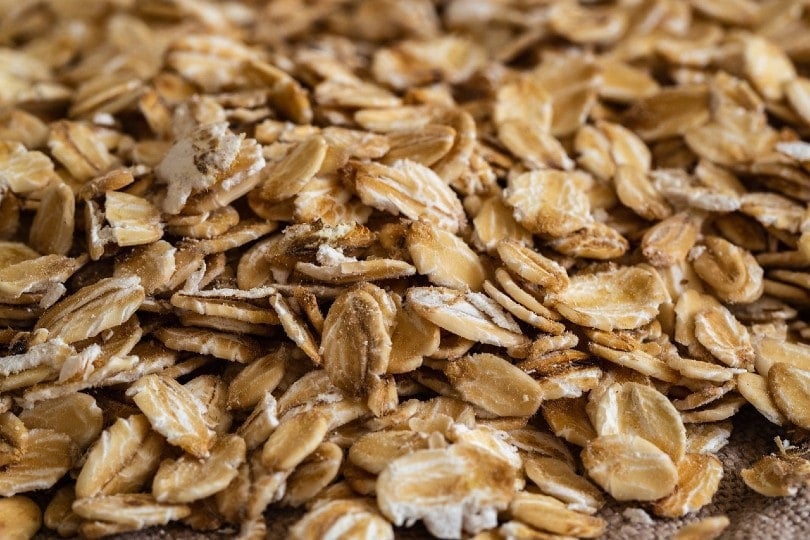
Colloidal oatmeal baths are effective at fighting itchy skin and skin allergies. However, you shouldn’t stop at a bath. Your dog can also enjoy oatmeal in the morning to boost their nutrient intake and optimize their skin health. You don't have to cook the oats before serving—just blend them up and sprinkle them over a bowl of food.
9. Quercetin
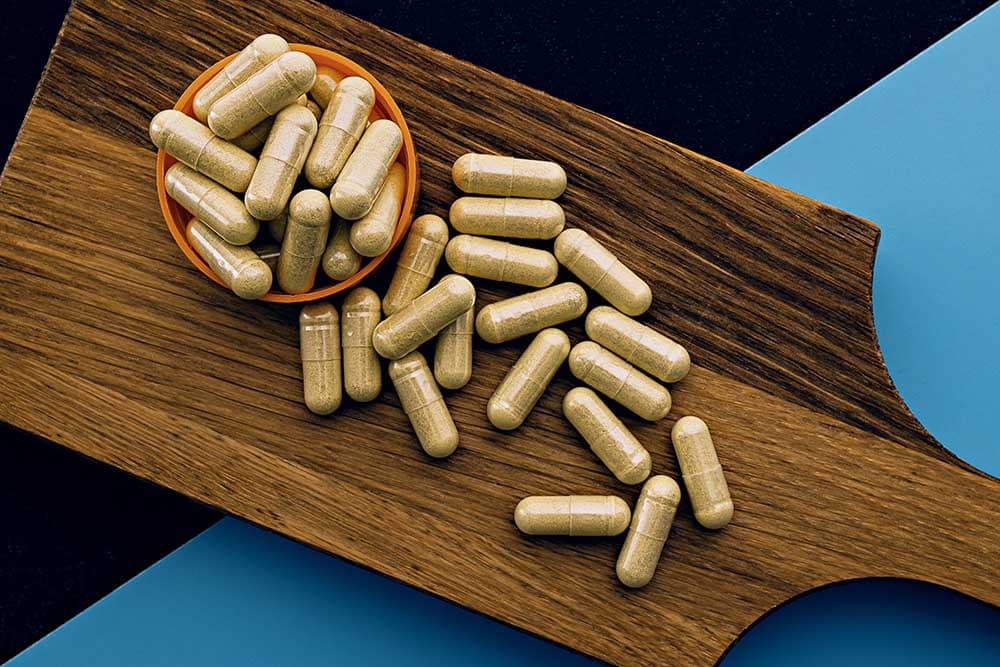
Quercetin is considered nature’s Benadryl because it works to fight off skin allergies and relieve itchiness. It is a great option if your dog suffers from skin allergies of any kind. While quercetin won't cure your dog's allergies, it will keep them in check for enhanced comfort and healthier skin.
10. Digestive Enzymes
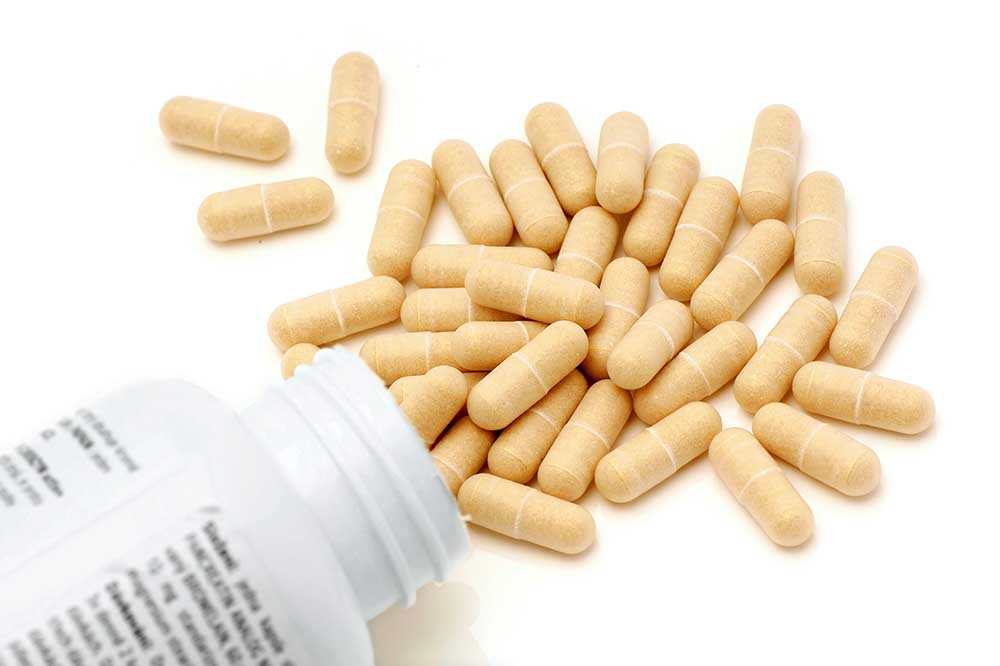
One possible way to improve your dog's digestion and skin health is to provide them with digestive enzymes at mealtimes. These can also help improve your dog’s eye, heart, and joint health. Digestive enzymes come in powder and pill form, and you should try both to see which your dog likes eating the best.
11. Apple Cider Vinegar
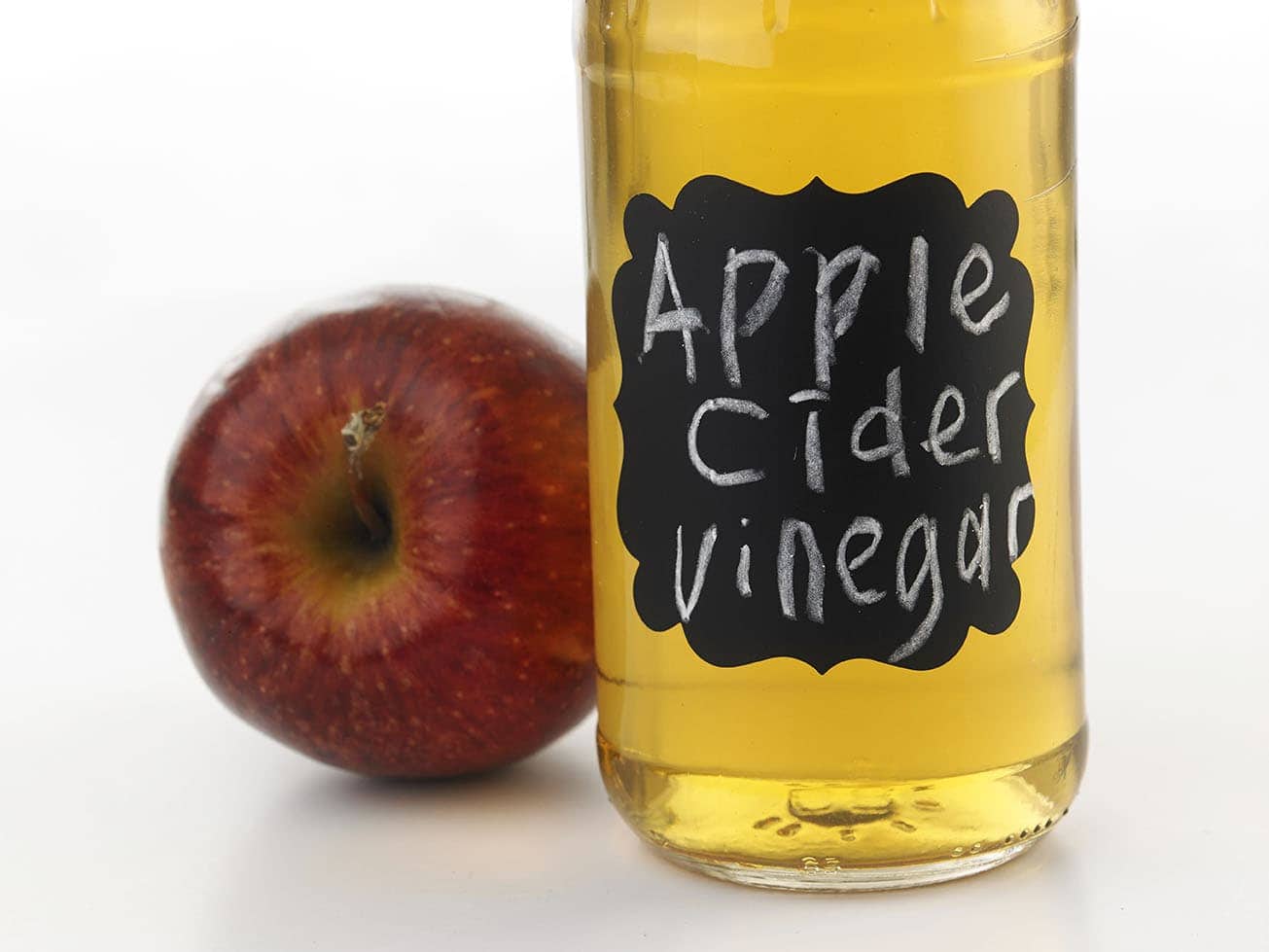
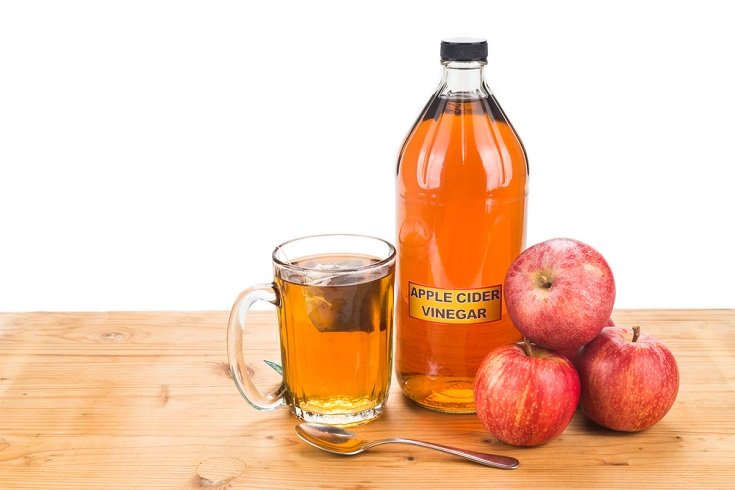
Apple cider vinegar (ACV) can be used topically to help relieve mild itchiness in dogs with skin allergies. It’s safe to feed a diluted solution to dogs, but it’s unclear if ingestion has the same effect as topical use. Utilizing both methods is the best way to ensure that your dog reaps all the proposed benefits that ACV has to offer.
Related Read: Is Apple Cider Vinegar Good for Dogs? 8 Health Benefits
12. Flaxseed Oil
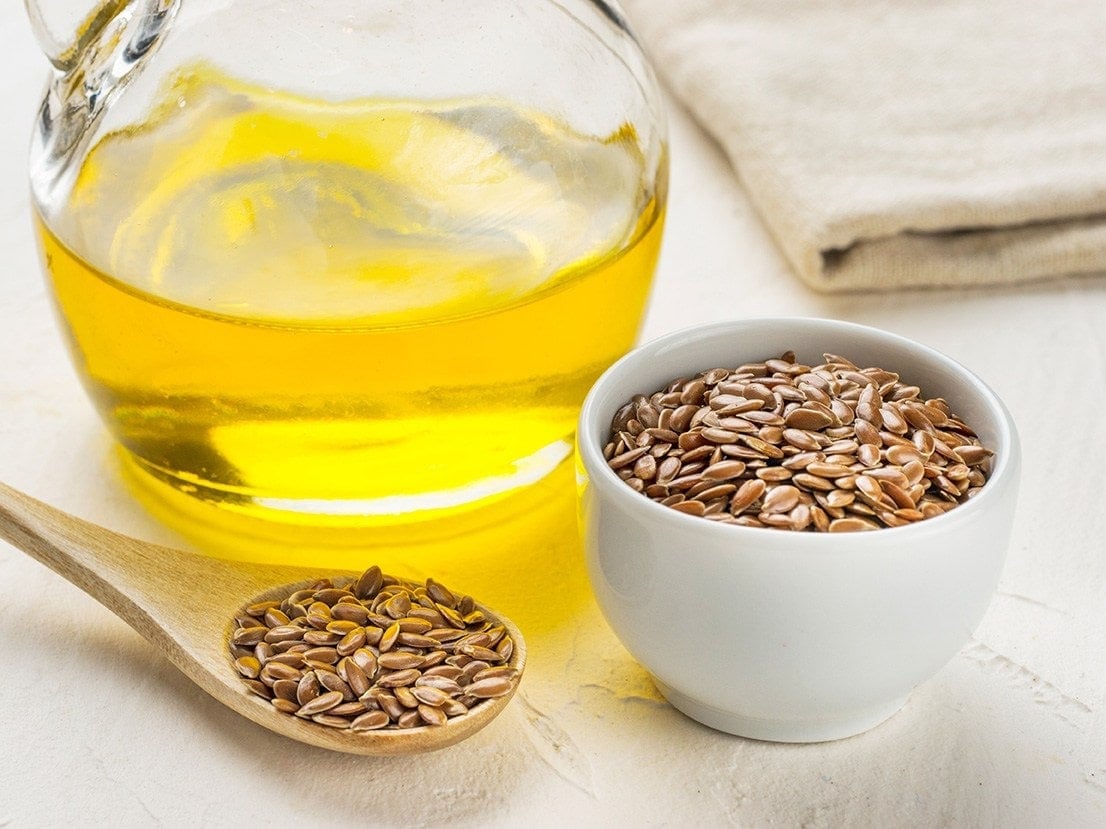
Flaxseed oil can be used just like coconut oil and fish oil to help relieve your dog’s dry skin. You can give your dog bottled oil or blend flaxseeds to release the oils and sprinkle the ground seeds on your dog’s food. Either way, your dog should get the same results.
13. Sweet Potatoes
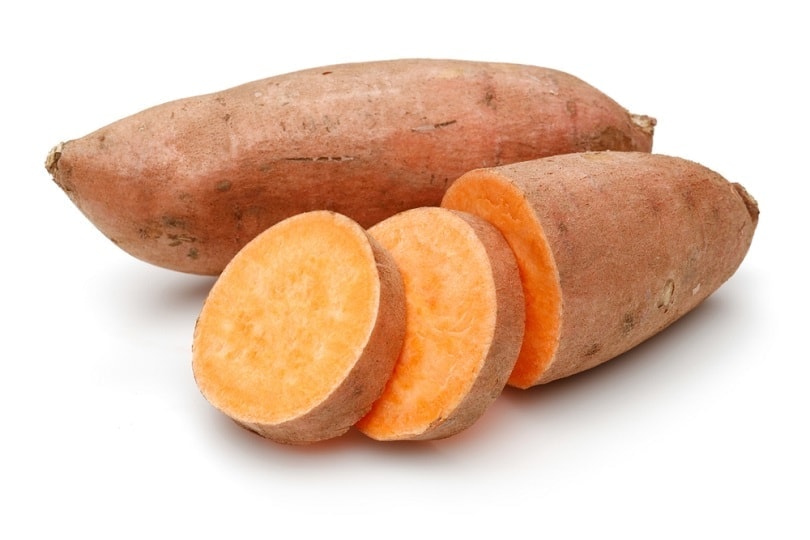
Sweet potatoes can have a positive impact on your dog’s skin health because they’re full of vitamin A. This nutritious food also contains all the amino acids and minerals necessary for keeping a dog’s skin full of natural oils. Just make sure to take the skins off any sweet potatoes that you plan to feed your dog.
14. Turmeric
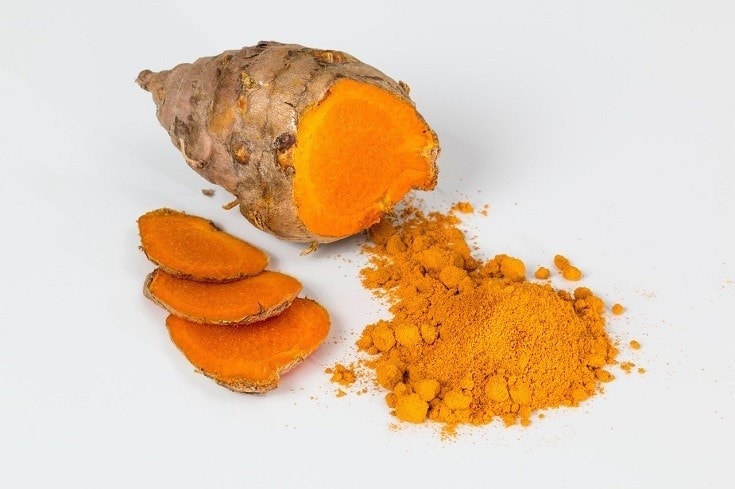
Whether your dog has allergies or you still haven’t found an explanation for their dry, itchy skin, chances are that the anti-inflammatory and antioxidant components of turmeric will help improve the condition, even if another form of treatment is also necessary.
Conclusion
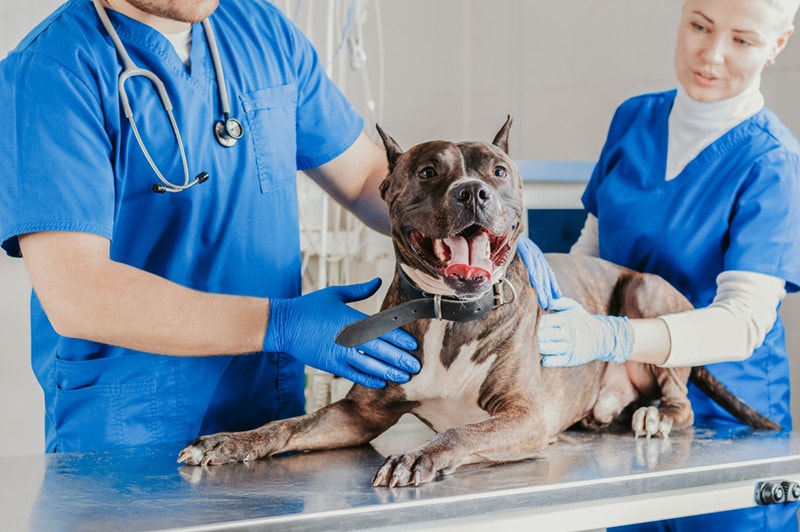
With the help of any of the 14 options outlined here, you should be able to improve your dog’s skin and coat and help ensure that further problems don’t arise. Mix and match the options until you find a regimen that works best for your dog, but give each one time to work before making a judgment. We recommend a health check with your veterinarian first to ensure no underlying health concerns are causing dry skin.
See also:
Featured Image Credit: RHJPhtotos, Shutterstock
Get Hepper In Your Inbox


Pet care tips from our vets and experts, straight to your inbox.
You may opt-out at any time. View our Privacy Policy for more information.
Rachael has been a freelance writer since 2000, in which time she has had an opportunity to research and write about many different topics while working to master the art of fusing high-quality content with effective content marketing strategies. She lives off the grid in Hawaii with her husband, her garden, and her rescue animals including 5 dogs, a cat, a goat, and dozens of chickens. She is an artist at heart and loves to read, paint, and make jewelry in her spare time. As a vegan, Rachael is obsessed with helping animals in need both in her community and anywhere in the world where she feels she can make a difference. Animals also happen to be her favorite topic to write about!
Join the conversation
Ask a question, share your story, or send private feedback.