Hepper is reader-supported. When you buy via links on our site, we may earn an affiliate commission at no cost to you. Learn more.
Can Bearded Dragons Eat Superworms? Vet-Approved Feeding Facts


In this article
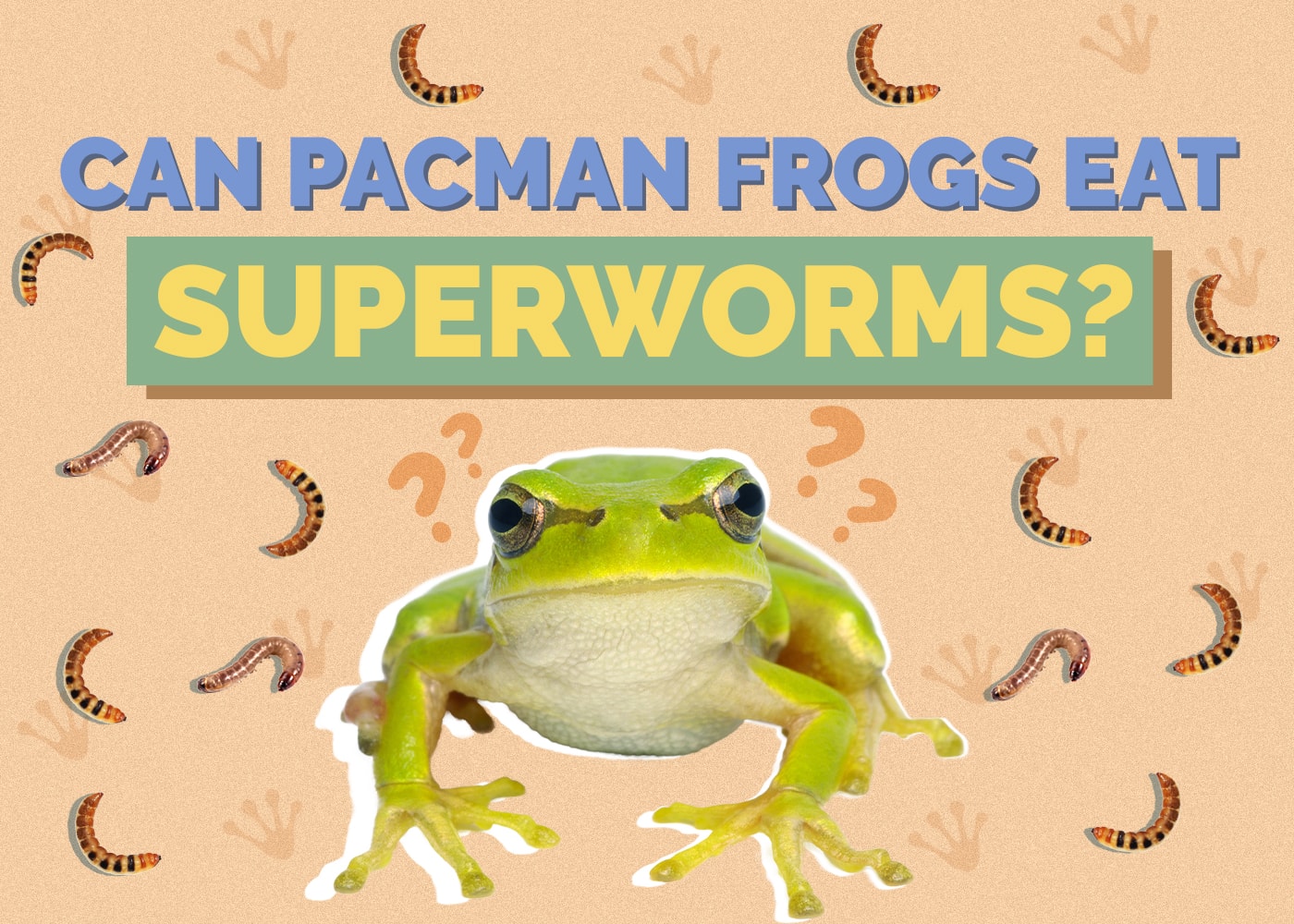
Ever watch your bearded dragon eye a wriggly superworm in sheer anticipation? It's a sight that'll make you chuckle! After all, mealtime should always be an exciting event in your bearded dragon's life. But hold up! Can bearded dragons eat superworms? Is it safe for them? If you're scratching your head in confusion, worry not! This guide will take you on a deep dive into the world of superworms and how they factor into your bearded dragon's diet.
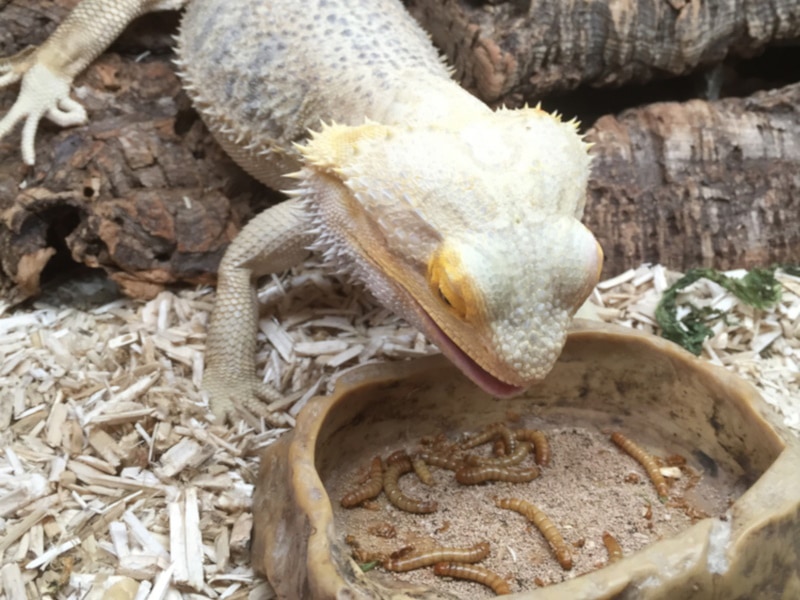
Yes, bearded dragons can indeed eat superworms. But just like a decadent dessert at your favorite restaurant, they should be offered sparingly. While superworms can be a treat for your bearded dragons, providing them with an exciting chase and a tasty reward, they shouldn't be the mainstay of their diet. Let's dig deeper into why that is.

What Are Superworms, and What Nutrients Do They Provide?
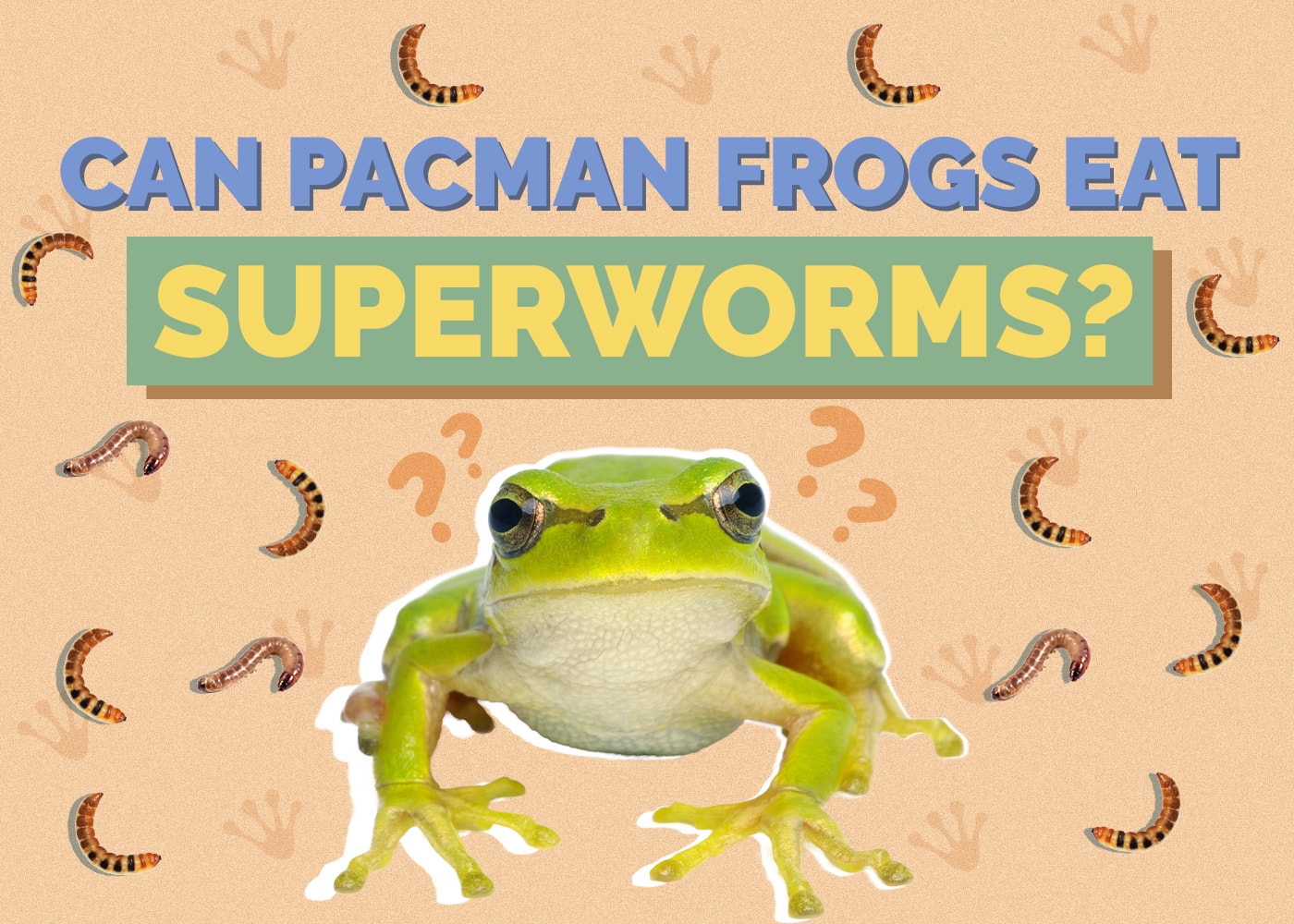
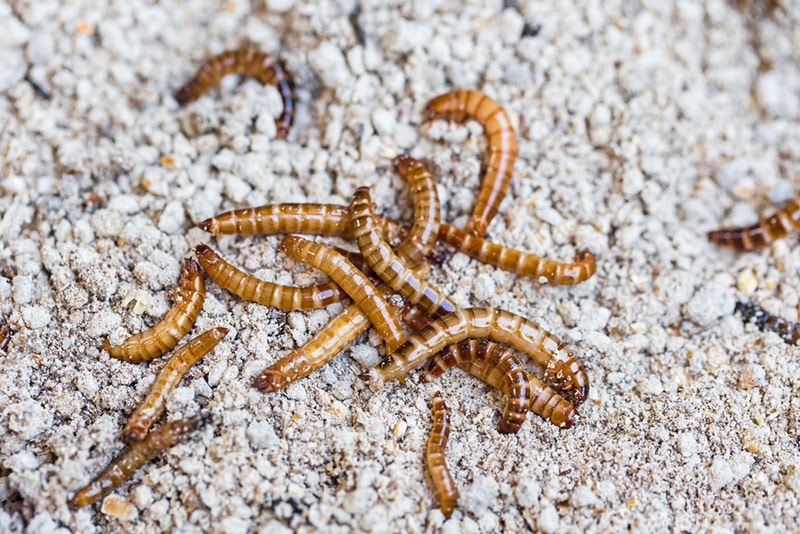
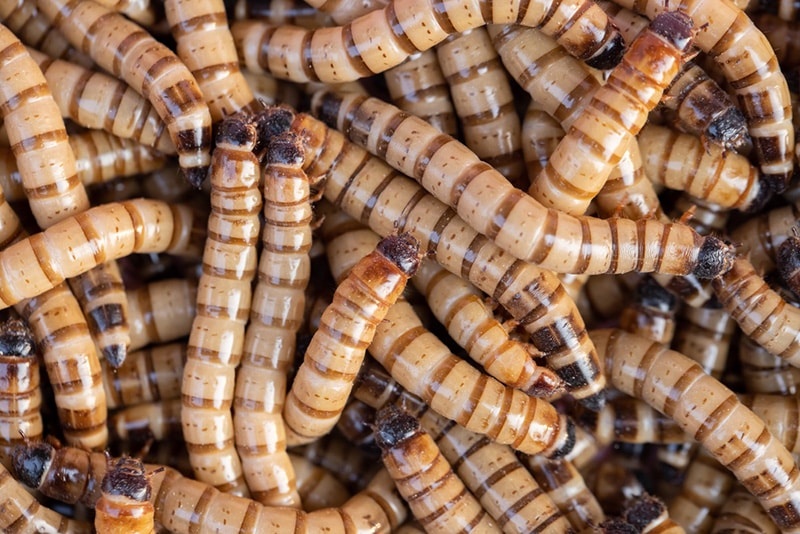
Superworms, also known as "king worms" or "morio worms," are the larvae of darkling beetles. While they may look similar to mealworms at a glance, superworms are much larger and more active, often becoming a favorite meal due to the thrill of the chase they offer.
When it comes to nutritional content, superworms are a mixed bag. They boast a protein content of about 19%, essential for your bearded dragon's diet as a high-quality source of protein. Additionally, they contain about 50% moisture, providing an alternative hydration source for your reptile friend. However, they also have a relatively high fat content, about 14%, and contain significantly less calcium than phosphorus (13:1), which can present potential health risks if not managed correctly. Phosphorus binds to calcium, preventing the bearded dragon from utilizing the calcium it has taken from its food. In the short to mid-term, this can lead to bone and growth abnormalities. This is known as Metabolic Bone Disease and is sadly very common in captive bearded dragons. We want to be feeding our bearded dragons a diet that has at least 1.5 times as much calcium as it does phosphorus.
How Many Superworms Should Bearded Dragons Eat?
Adult bearded dragons should only eat superworms once or twice a week. For these feedings, it's recommended to provide two or three superworms, but not more. Overindulgence in superworms can lead to obesity and potential health complications, including metabolic bone disease and gut impaction due to the superworms' tough exoskeleton.
Older juvenile bearded dragons can also have about the same amount as adults. However, before you start feeding your beardie these treats, consult with your vet to ensure it's safe for them.
Baby Dragons and Superworms: A No-Go
Now, what about baby bearded dragons? Can they handle superworms? The answer is a resounding no. Baby bearded dragons have a more sensitive digestive system, which is not yet strong enough to handle the tough exoskeleton of a superworm. Additionally, the high fat and phosphorus content in superworms can negatively impact their growth and development. It's best to stick to more gentle and nutritionally balanced alternatives for your young beardie.
Where to Buy Superworms and Alternatives
Superworms are readily available in many pet stores or online. You might also find local breeders or reptile enthusiasts who raise superworms as feed. However, remember to never let loose superworms in a substrate-filled habitat, as they might bury themselves and transform into beetles.
If you prefer to breed your own superworms, they are relatively easy to keep. A smooth-sided plastic container with holes for ventilation will suffice as a home for them. A temperature of 70 to 80 degrees Fahrenheit is ideal, and regular hydration with potato slices or carrot pieces will keep them happy.
But what if you don't want to go through the trouble of raising your own insects? No worries! Other readily available insects, such as crickets and dubia roaches are also great sources of nutrition for your bearded dragon.
What to Put on Superworms for Gut Loading
Before feeding superworms to your bearded dragon, it's recommended to "gut load" them. Gut loading simply means feeding nutritious foods to the superworms within 24 hours of offering them to your bearded dragon. This ensures that your pet is getting the most nutrition possible from their meal. Foods rich in calcium, such as dark leafy greens or specially made gut-load diets, are excellent choices for this.
Once the superworms are properly gut loaded, it's time to add that all-important calcium and D3 powder. Lightly dust the superworms with the supplement, ensuring an even coating. If you're finding that the powder isn't sticking to the superworms, try lightly misting them with water first. The water will help the powder adhere to the superworms, ensuring your bearded dragon gets all those essential nutrients.
Conclusion
Superworms can indeed be a part of your bearded dragon's diet, but the key is moderation. These wriggly treats offer excitement and nutrition but also carry potential risks if overindulged in. When handled correctly, they can be an exciting treat for your bearded dragon. As always, consult with your vet before introducing new foods to your dragon's diet. With careful management, your bearded dragon's mealtime can be both fun and nutritious.
See also:
Get Hepper In Your Inbox


Pet care tips from our vets and experts, straight to your inbox.
You may opt-out at any time. View our Privacy Policy for more information.
Melody Russell is an experienced pet enthusiast with a background in the animal care industry. She has worked at a zoo, served as a dedicated pet sitter, and has a passion for breeding and raising leopard geckos. As a versatile freelance writer, she excels in various genres, crafting captivating stories, informative articles, and engaging social media content. You can find her cat page, TheCommonKitties_, on Instagram, where she shares the adorable antics of her beloved feline companions. With her practical expertise and creative flair, she is eager to contribute her skills in pet care and writing to make a positive impact on the lives of animals.
Join the conversation
Ask a question, share your story, or send private feedback.