Hepper is reader-supported. When you buy via links on our site, we may earn an affiliate commission at no cost to you. Learn more.
Can Bearded Dragons Eat Hibiscus Flowers? Vet-Reviewed Nutrition Facts & FAQ


In this article
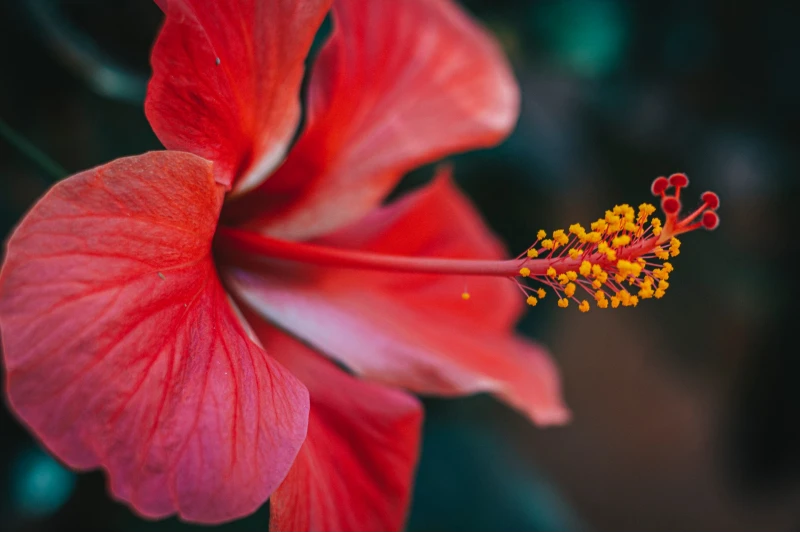
Yes, bearded dragons can safely consume hibiscus flowers. The ever-beautifully radiant and colorfully striking hibiscus flowers not only bring a kaleidoscope of color to your reptile's meals but are also a powerhouse of nutrition! Packed with a hearty cocktail of vitamins like A, B6, C, and E, and coupled with beneficial elements such as folic acid, calcium, iron, magnesium, manganese, phosphorus, and potassium, they can significantly contribute to your bearded dragon's well-being. For example, vitamin A plays a crucial role in ensuring robust bones and teeth, vitamin C strengthens the immune system, while vitamin E is vital for maintaining vibrant skin and healthy claws.
That said, feeding your bearded dragon hibiscus flowers should be handled with care. Despite their nutrition profile, hibiscus flowers should be considered an occasional treat rather than a dietary staple. Due to their high carbohydrate content, overconsumption can potentially lead to stomach and intestinal issues and even obesity in bearded dragons.

Feeding Recommendations and Nutritional Considerations
A balanced approach to feeding hibiscus flowers involves incorporating them into your pet's diet about once a week. Even as you incorporate these flowers into your bearded dragon's diet, continue to provide a variety of other food types, including insects and vegetables, to ensure a well-rounded nutrient intake.
While hibiscus flowers offer certain nutritional benefits, they are not protein-rich compared to other possible food items. Nevertheless, they can still contribute to your bearded dragon's vitamin A and C intake. Like any other food item, moderation is crucial. Even though there are no known harmful side effects of hibiscus for bearded dragons, your pet's diet should still comprise an array of food items for balanced nutrition.
Hibiscus flowers are not high in certain key nutrients for bearded dragons, such as calcium, magnesium, vitamins A, E, D3, or B12. They also lack fiber and protein. However, when consumed in small quantities, they can serve as a valuable source of carbohydrates—a useful treat for your pet.
What about the leaves?
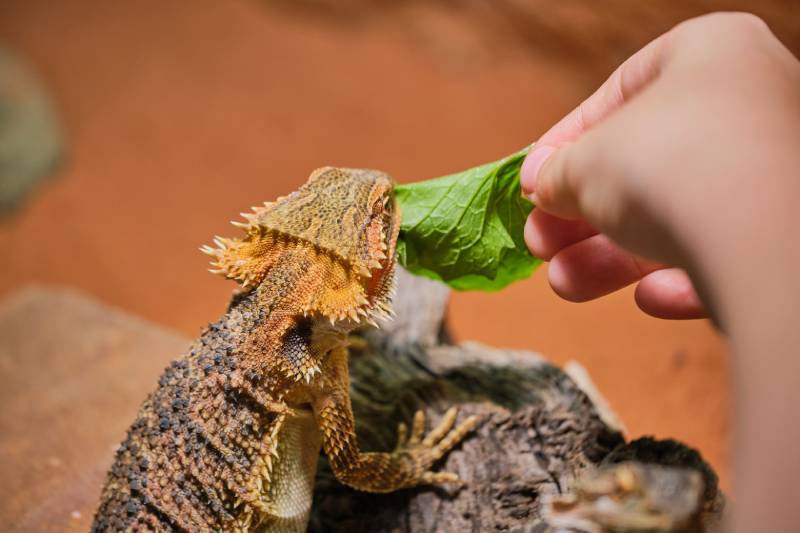
The leaves of the hibiscus are also safe to consume, in a similar way to the flowers, However, most beardies don’t enjoy the taste as much as the delicious flowers.
Alternative Plants for a Bearded Dragon's Diet
If you're seeking variety in your bearded dragon's plant intake, there are several alternatives to hibiscus flowers. Leafy greens like collard greens, kale, mustard greens, and turnip greens are excellent choices. These vegetables are packed with vitamins and minerals and can form the bulk of your dragon's plant diet. Squashes, bell peppers, and zucchini also make healthy additions.
For occasional treats, fruits such as apples, pears, melons, and berries can be offered. Flowers like dandelions and marigolds can also be included occasionally, similar to hibiscus flowers. Always remember to finely chop or grate the vegetables and fruits for easier consumption and digestion.
Growing Hibiscus in a Bioactive Enclosure
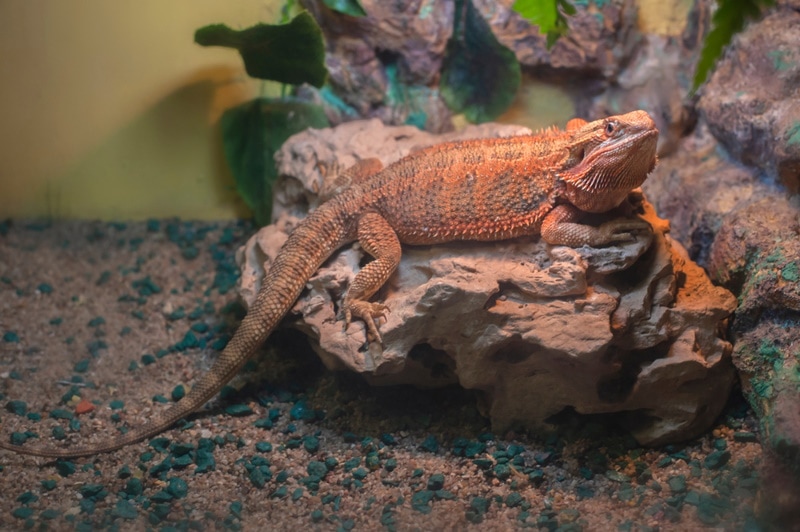
For those who fancy the idea of supplementing their dragon's diet with hibiscus flowers and are committed to a bioactive enclosure, having a hibiscus plant in the terrarium could be a neat idea. Given their tropical origin, hibiscus plants are quite content in the warm and humid conditions of a reptile habitat. However, one needs to balance this natural integration with the practicalities of space, ensuring that your bearded dragon retains its freedom to roam and doesn't end up lost in a jungle of hibiscus!
Growing a hibiscus plant in your dragon's enclosure can add an aesthetic touch and also provide a fresh, on-demand source of hibiscus flowers. However, be mindful of maintaining a clean and healthy environment for your dragon. Remove any wilted or decaying plant matter regularly to prevent bacteria build-up.
Is Hibiscus A Natural Food for Bearded Dragons?
Bearded dragons reside in a habitat far removed from India, the birthplace of hibiscus. These reptiles, originating from Australia, inhabit varied landscapes ranging from deserts and savannas to subtropical woodlands. The likelihood of them naturally stumbling upon a hibiscus plant in their native habitat is slim, except when they stray into gardens, yet their dietary flexibility allows them to consume a wide array of available food sources.
Even though hibiscus flowers are not naturally present in a bearded dragon's diet, they have been found to be safe and nutritious for these creatures when fed as an occasional treat. The key here is not the geographical roots of the plant but its nutritional properties and safety for the reptile. The fascinating journey of the hibiscus plant—from the Indian subcontinent to worldwide appreciation—stands as a testament to the plant's adaptability. This, coupled with the bearded dragon's own knack for adaptation, provides a peculiar but delightful juxtaposition of an Indian flower and an Australian reptile.
Conclusion
Hibiscus flowers can indeed make a nutritious addition to your bearded dragon's meals, but they should not be the centerpiece of their diet. Balance is the key here; between the vibrant hibiscus and a medley of other elements like vegetables, fruits, and insects, each contributing to a different facet of your pet's nutritional needs. Remember, the hibiscus's role in your dragon's diet is akin to an occasional treat, bringing a burst of vitamins and carbohydrates to their otherwise varied menu.
Introducing new foods, hibiscus included, requires careful observation. Each dragon is unique, and individual responses to dietary changes can vary. Always monitor your pet's behavior and physical well-being, acting promptly on any adverse reactions. And, of course, don't forget to inject some fun into feeding time! Whether that's growing a hibiscus plant in your dragon's enclosure or introducing a new crunchy veggie, the joy you both derive from these moments only deepens your bond. After all, caring for your bearded dragon is not just about responsibility, but also about sharing in the joys of their life.
Sources
Featured Image Credit: ignartonosbg, Pixabay
Get Hepper In Your Inbox


Pet care tips from our vets and experts, straight to your inbox.
You may opt-out at any time. View our Privacy Policy for more information.
Melody Russell is an experienced pet enthusiast with a background in the animal care industry. She has worked at a zoo, served as a dedicated pet sitter, and has a passion for breeding and raising leopard geckos. As a versatile freelance writer, she excels in various genres, crafting captivating stories, informative articles, and engaging social media content. You can find her cat page, TheCommonKitties_, on Instagram, where she shares the adorable antics of her beloved feline companions. With her practical expertise and creative flair, she is eager to contribute her skills in pet care and writing to make a positive impact on the lives of animals.
Join the conversation
Ask a question, share your story, or send private feedback.