Hepper is reader-supported. When you buy via links on our site, we may earn an affiliate commission at no cost to you. Learn more.
Can Bearded Dragons Eat Pickles? Vet-Approved Risks & FAQ


In this article
Have you ever been enjoying the tangy goodness of a pickle and wondered if you could share some with your bearded dragon? Many pet owners love to share their snacks with their pets but it's essential to ensure that what you're sharing won't harm them. So, can bearded dragons eat pickles? The answer is no. The stomach of the bearded dragon cannot handle an excessive amount of acidic food without becoming ill. Additionally, various pickle ingredients might adversely affect your bearded dragon.

Understanding Pickles and Their Ingredients
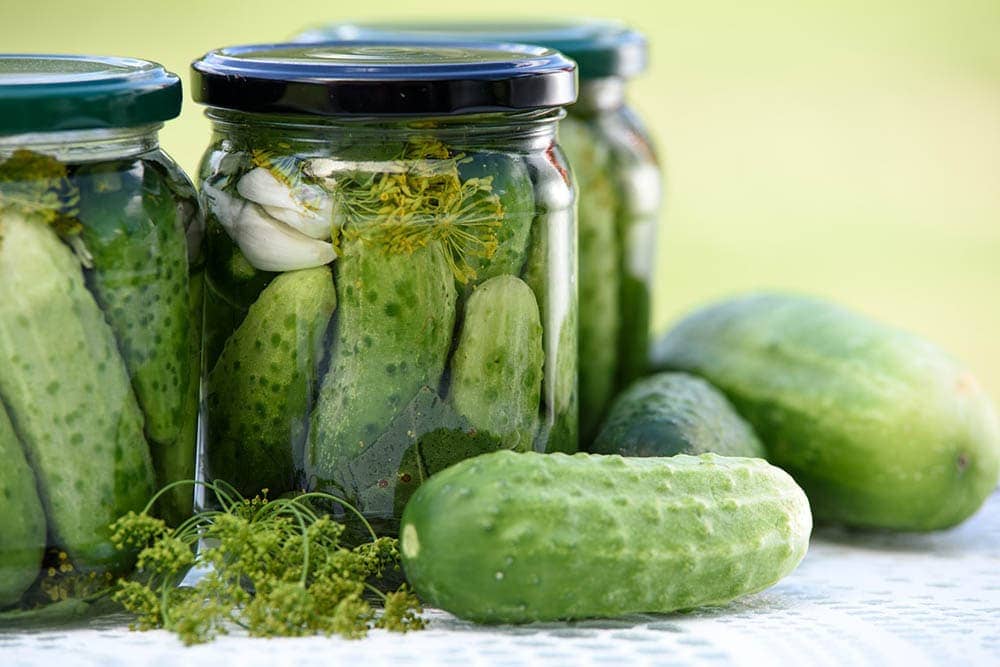
Pickles are cucumbers transformed when preserved in brine made from vinegar or acetic acid, salt, and water. While these might sound like harmless ingredients, the combination can be problematic for bearded dragons. The beneficial bacteria present in correctly fermented brine can aid minor stomach illnesses and digestion in humans, but it doesn’t mean it’s suitable for your pet.
How Pickles Are Made?
There are two prevalent methods of pickling. Some opt for the quick approach, which involves pouring hot vinegar brine over the product. This ensures a thorough mixture of ingredients. A more time-consuming method involves soaking the vegetables in brine and then preserving them in jars. This allows beneficial bacteria to grow and fermentation to occur over time. Both techniques ensure that the ingredients are deeply embedded in the pickled product, making washing them ineffective.
The Dangers of Pickle Ingredients for Bearded Dragons
- Vinegar or Acetic Acid: Central to the pickling process, vinegar accelerates fermentation and lends a sour taste. But its acidic nature is toxic to bearded dragons.
- Additives: The list can include cinnamon, cloves, black pepper, garlic, artificial sweeteners, and sugar. Some of these balance the sourness of vinegar, while others act as preservatives. However, every one of these is harmful to bearded dragons.
- Salt: Critical in the brining process, high salt content is bad news for bearded dragons. It prevents hydration, making the dragon retain water and appear bloated.
Adverse Effects of Pickled Vegetables
The high salt content of pickled veggies can seriously hurt a dragon's kidney. As their diet mainly consists of leafy greens and vegetables, an excessive salt intake is dangerous. Adverse reactions include breathing issues, potential choking hazards, facial swelling, and obesity due to sugars and sweeteners.

Feeding Habits of Bearded Dragons
Young dragons need a diet that is mostly protein to help support their rapid growth and development, whilst adults settle into a diet that is a bit more omnivorous. Adults tend to be more self-limiting when it comes to eating, and a feed once every 1-2 days is ideal. Juveniles need more regular meals, but you do need to be careful as they can be on the greedier side!
Good options for protein include crickets, dubia roaches, and mealworms. These tiny critters provide bearded dragons with the protein punch they crave, while also dishing out essential fats and nutrients. Commercial pellets also help ensure they are getting everything they need.
For the vegetable component of their diet, look for dark leafy greens, such as mustard greens, collard greens, and dandelion leaves. These greens ensure they're getting a healthy dose of vitamins and minerals.
If you want to add some treats into the mix, the occasional offering of a few blueberries, strawberries, or figs can make their day.
Conclusion
Even though it might be appealing to share a snack with your pet, you should avoid doing so as much as possible; it could be detrimental to their health. Bearded dragons should not consume pickles due to the high amount of salt they contain and the acidic nature of the food. Stick to their natural diet to ensure they remain healthy and happy.
For some more vet-approved information on what to feed your bearded dragon, check out What Do Bearded Dragons Eat As Pets?
Related Reads:
Sources
Featured Image Credit: skyradar, Pixabay
Get Hepper In Your Inbox


Pet care tips from our vets and experts, straight to your inbox.
You may opt-out at any time. View our Privacy Policy for more information.
Melody Russell is an experienced pet enthusiast with a background in the animal care industry. She has worked at a zoo, served as a dedicated pet sitter, and has a passion for breeding and raising leopard geckos. As a versatile freelance writer, she excels in various genres, crafting captivating stories, informative articles, and engaging social media content. You can find her cat page, TheCommonKitties_, on Instagram, where she shares the adorable antics of her beloved feline companions. With her practical expertise and creative flair, she is eager to contribute her skills in pet care and writing to make a positive impact on the lives of animals.
Join the conversation
Ask a question, share your story, or send private feedback.