Hepper is reader-supported. When you buy via links on our site, we may earn an affiliate commission at no cost to you. Learn more.
Can Cats Eat Cheese? Vet Approved Facts & FAQ


In this article
Did your cat just huff down a piece of cheese when you had your back turned? Typical of them, right? If your kitty likes the smell of cheese, you may wonder if you can share this savory snack with them. The short answer is that cheese is non-toxic to cats, but it’s not healthy either. It’s best not to give any to your cat.
Cats shouldn’t eat cheese, except for the occasional treat. So, if you are reading this out of panic, you can calm down—no vet visit is required if your cat ate cheese unplanned. But why exactly shouldn’t cats have cheese? Read on to find out more.

The Truth About Cats & Dairy
It’s cute to think of a kitty daintily lapping up milk from a saucer. However, milk products aren’t ideal for your cats. As obligate carnivores, cats need animal-based protein with as few human foods thrown in as possible.
Cats have a lot of trouble digesting dairy products since after weaning their bodies don’t produce the proper enzymes to break down lactose, offering zero nutritional value to your cats. Ultimately, they don’t need to eat it, and they really shouldn’t—if you can help it.
Intolerance to Dairy
In the wild, cats derive moisture and nutrition from meat-based sources. Since domestication, grains, fruits, and vegetables fill commercial cat foods to meet nutritional profiles. While cats have grown quite acclimated to these diets, certain ingredients can have significant impacts on occasion.
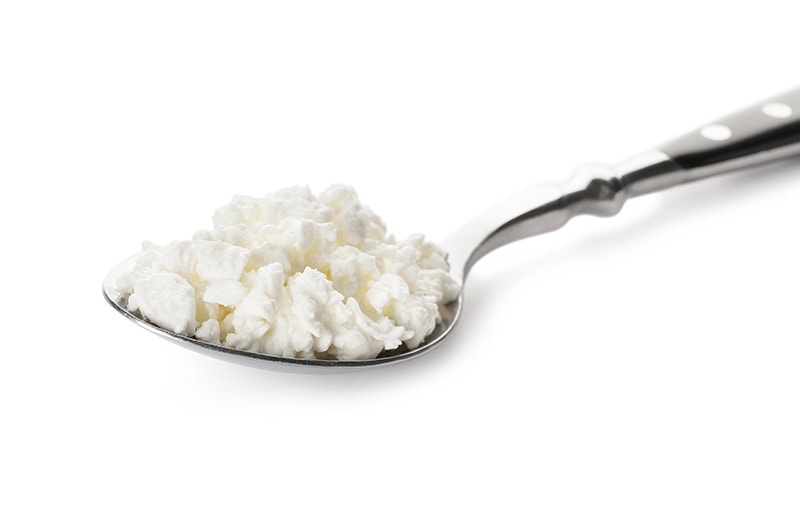
When it comes to dairy, the only milk your cat needs is from their mother during the weaning stages. From that point forward, cats reap no nutritional reward for consuming milk-based products. While it’s okay for most cats to eat a small cube of cheese every once in a while, some cats simply can’t tolerate dairy content. Lactose intolerance is prevalent in cats, as in most cases their digestive tracts aren’t designed to break down this sugar compound after they have been weaned off their mother’s milk.
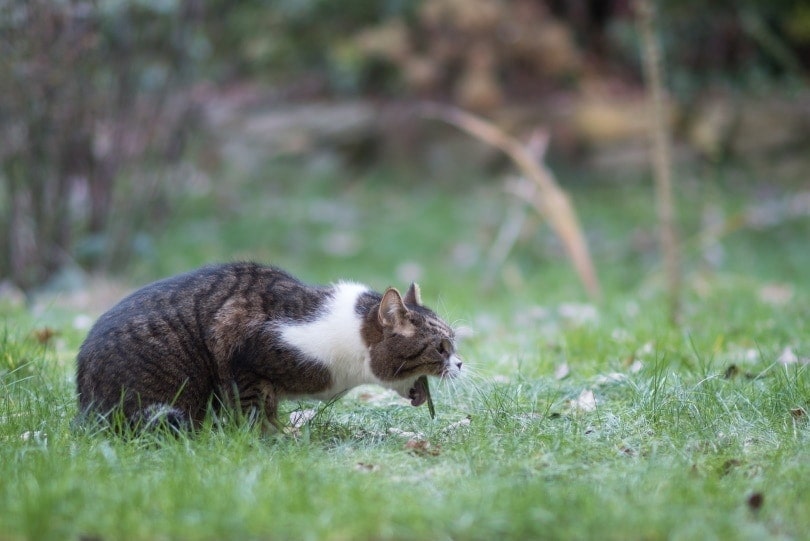
Too much cheese might cause gastrointestinal upset for your cat, presenting a myriad of signs that can range from mild to mildly severe.
If your cat has eaten a small piece of cheese, observe them for signs of lactose intolerance for 24-48 hours and consult with your vet if you have any concerns.
Do Cats Like Cheese?
Some cats might go out of their way to thieve a piece of cheese—but others are often disinterested. This food item doesn’t have a natural part in their diet, so there’s a higher chance your cat won’t find it tasty. Still, many cats may seem as if they love cheese, because they actually enjoy the smell of fatty flavor they may associate with meat.
Now, this might be very different if there’s a slab of cheese on a hamburger. But overall, it’s not a common reaction in most felines.
Types of Cheese & the Effects
Because each type of cheese requires a different process during composition, it affects the body differently. Cheeses made from goat milk may be a little bit more digestible than cow's milk, but still don’t process properly in cats.
Hard & Semi-Hard Cheeses
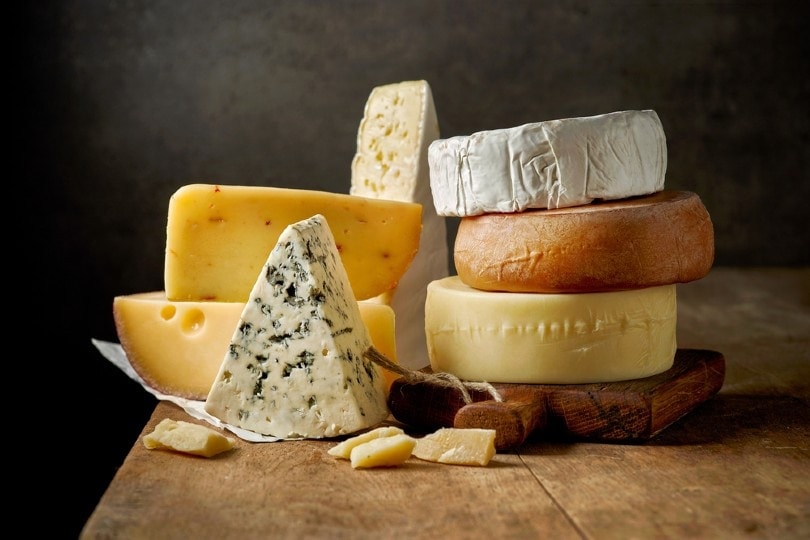
Hard cheese is made by pressing and condensing the curds into solid form, reducing whey moisture. If your cat eats cheese, dietary-wise, hard cheeses sound like a better choice for felines. They contain a low amount of lactose, so it’s not as tough on your kitty’s digestive tract. However, the fat content is very high and not appropriate for cats. Some types of cheese also have added ingredients and salt, which may be harmful to your cat.
Examples of Hard Cheese:
Soft Cheese
Soft cheeses are made from combining milk proteins with acid. These cheeses aren’t good for your cat either because they contain a very high concentration of lactose.
Examples of Soft Cheese:
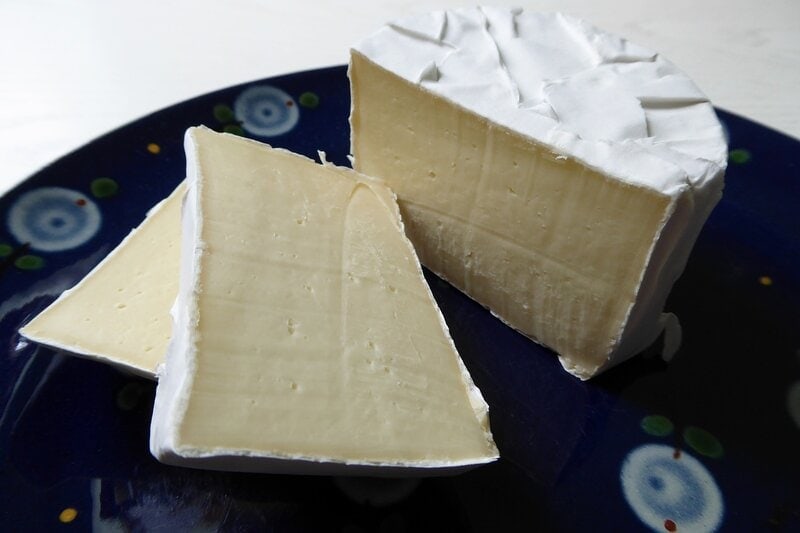
Moldy Cheese
You should avoid moldy cheeses at all costs. These cheeses contain a mold called Penicillium, some of which may be harmful or even toxic to your beloved pets. Cheeses like blue cheese also have a large amount of fat.
Examples of Molded Cheese:
Non-Dairy or Vegan Cheeses
You might think you found a solution by offering non-dairy or vegan cheeses instead. After all, lactose components don’t matter if there’s no lactose to speak of — but are non-dairy and vegan cheeses safe?
Depending on the ingredients, they are likely non-toxic items. However, there is a lot of salt and fat content in these cheeses, which isn’t good for your kitty’s metabolism.
Related Read: Can Cats Drink Almond Milk? What You Need to Know!

Final Thoughts
So, now you know that cheese is generally not toxic to cats (unless it’s moldy), but there are no health benefits in it for your feline, so it’s best to stay away from it. If they steal a little bit of cheese from your table, they will likely be just fine. Try to steer clear of soft or moldy cheeses, since these are not suitable for your cat’s overall health. If your cat has a bad reaction, you’ll have to keep it put up out of their reach. It’s better to hide the cheese than clean up messes and have a sick kitty.
You might also be interested in:
Featured Image Credit: Valentyn Volkov, Shutterstock
Get Hepper In Your Inbox


Pet care tips from our vets and experts, straight to your inbox.
You may opt-out at any time. View our Privacy Policy for more information.
Ashley Bates, a freelance writer with a passion for pets, is currently studying animal therapy. She is a mother to four children and 23 pets, both furry and feathery. Ashley actively volunteers at local shelters, advocates for animal welfare, and rescues animals in distress. Her mission is to promote awareness, education, and entertainment about pets to help prevent animal homelessness. She specializes in the care and well-being of dogs and cats.
Join the conversation
Ask a question, share your story, or send private feedback.