Hepper is reader-supported. When you buy via links on our site, we may earn an affiliate commission at no cost to you. Learn more.
Can Cats Eat Cream Cheese? Vet-Reviewed Facts & FAQ


In this article
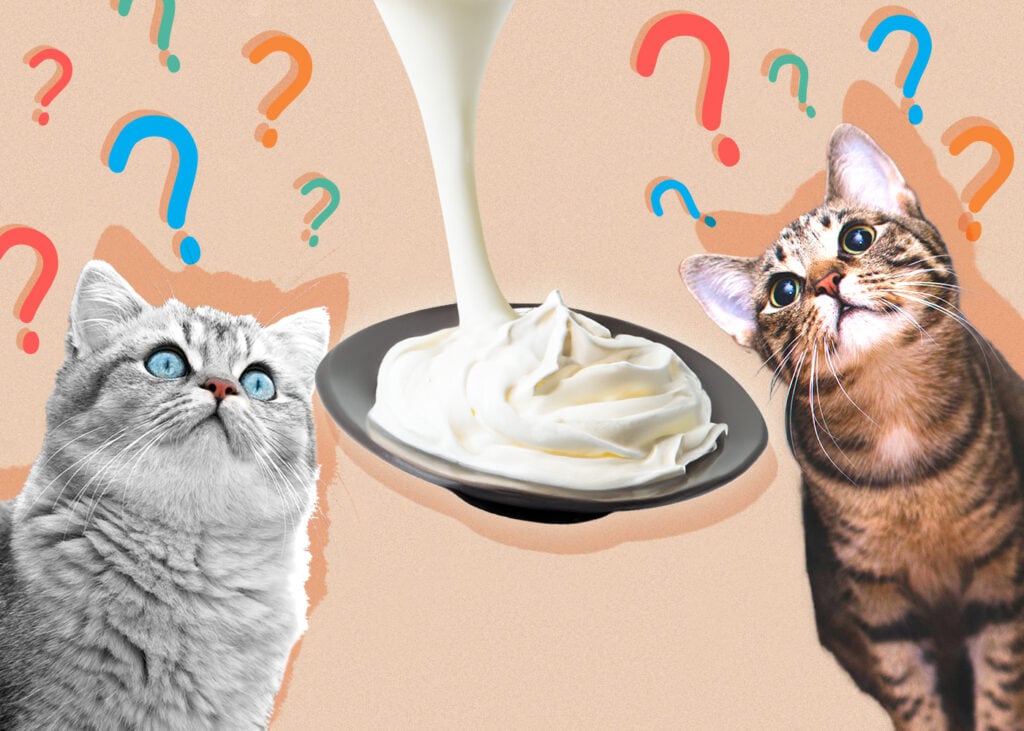
Even though cats are obligate carnivores and require a protein-rich diet, there may be times when your feline companion begs for a morsel of human food. As a cat owner, you’re no stranger to your kitty staring at you when eating something that piques their interest, such as cream cheese, but should you let your kitty try it? While cream isn’t toxic, it is still not ideal to feed your cat due to potential gastrointestinal upset.
Read on to learn the possible adverse effects of cream cheese in cats, along with tips for a healthy diet and human foods to avoid for your feline comrade.

Why Should I Not Feed My Cat Cream Cheese?
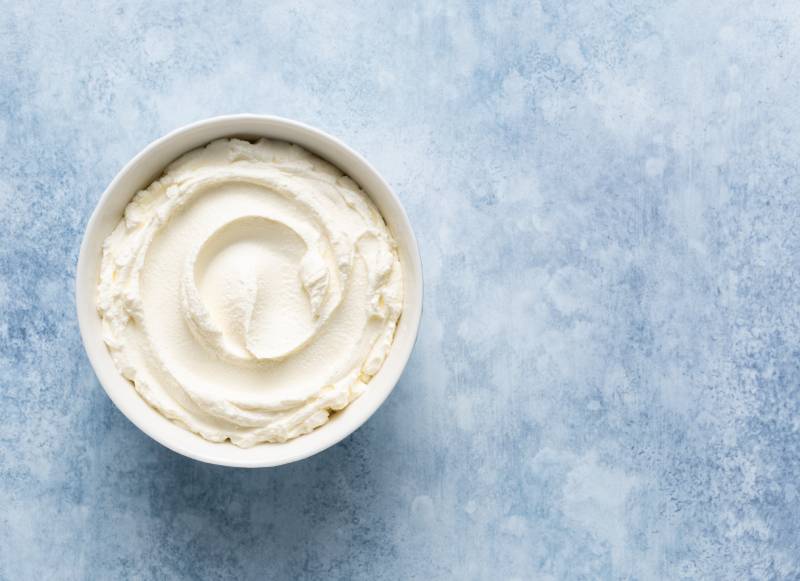
So, we know cream cheese is not toxic to cats, but that doesn’t mean your kitty will not suffer ill effects after eating it. Cream cheese is made with milk and has high fat content, both of which can make cats sick with vomiting and diarrhea. Many cats are lactose intolerant, and despite the common myth that cats love milk, lactose is not something you should feed your cat.
What Kind of Cheese Can Cats Eat?
Cheese is not toxic to cats, but keep in mind some cats handle lactose better than others. As a general rule, you shouldn’t feed your cat any kind of cheese. It doesn’t provide any health benefits and cats, as obligate carnivores, should have their nutritional requirements met by commercial cat food for the most part.
Why Can Cats Not Have Lactose?
There’s no secret that kittens nurse from their mother’s milk, so why can’t they have milk after they’ve been weaned? As kittens mature into adults, many lose the digestive enzyme called lactase, which breaks down lactose. The result is possibly an upset tummy if consumed.
Adult cats also don’t have the high calorie requirements that kittens do, and drinking milk can cause obesity, which can then lead to diabetes and joint problems. In short, even if your cat can digest lactose, you should still refrain from giving anything with lactose, including cream cheese.
Tips for a Healthy Feline Diet
As mentioned, cats are obligate carnivores and require a nutritious, balanced diet with plenty of high-quality meat. A cat’s daily diet should also consist of moderate fat content and a low amount of carbohydrates. Their diet should also contain the necessary vitamins, minerals, fatty acids, and amino acids for optimum health.

How to Choose a Cat Food
Some cat parents may become confused with the many choices available on the market today. With commercial cat food, you have the choice of dry kibble, semi-moist food, and canned food. Regardless of the consistency, ensure the food is approved by AAFCO and is indeed complete and balanced.
Dry Food
Dry food is more affordable and allows for convenient feeding. It’s typically coated with animal fat to make it more appetizing, and it contains little water content, usually only 6 to 10%. It’s a good idea to store dry food in an airtight container to seal its freshness and maintain flavor.
Semi-Moist Food
This type of food contains approximately 35% water, which makes it a suitable choice for hydration. Semi-moist food is more palatable than dry kibble, and the cost lands in the mid-range level. However, once opened, the food can spoil and dry out, at which time you’ll need to discard it.
Canned Food
All cat owners know it can sometimes be a challenge getting a cat to drink, and if your kitty rarely has a craving for water, you can feed canned food. Canned food contains roughly 75% of water, and it’s an excellent way to hydrate your kitty. Canned food is usually a hit with most cats and is highly palatable, which makes it a great choice for the picky eater.
Before feeding canned food exclusively, consult your veterinarian to ensure the canned food is 100% complete and balanced, as you may need to provide a bit of dry kibble for complete nutrition. Canned food is also more expensive than dry kibble, and it needs to be refrigerated once opened.
Human Foods to Avoid Giving Your Cat
Regarding human food, there are certain foods that are downright toxic to cats.
Let’s take a look at foods to never feed your kitty:
Summary
While cream cheese isn’t toxic to cats, they still shouldn’t eat it. Even if your cat can digest a little lactose, the calorie content in cream cheese can cause your kitty to become obese if fed cream cheese regularly. However, if your cat can handle it, feeding cream cheese here and there in tiny amounts will not hurt your kitty. Still, sticking to cat treats and feeding a complete and balanced cat food is the best choice.
See also:
Sources
Featured Image Credit: New Africa, Shutterstock
Get Hepper In Your Inbox


Pet care tips from our vets and experts, straight to your inbox.
You may opt-out at any time. View our Privacy Policy for more information.
Rachel Giordano is a writer and musician out of Pensacola, Florida, living there with her partner and their two dogs, Aero, a Border Collie/Sheltie mix, and Sophie, a Boston Terrier. Rachel has a Bachelor of Arts degree in communication and enjoys writing about all types of animals. When Rachel’s not dedicating her time to writing about animals, she enjoys writing thriller/suspense novels. A writer by day and a musician by night, she's passionate about educating the public about the requirements and needs of all types of animals.
Join the conversation
Ask a question, share your story, or send private feedback.