Hepper is reader-supported. When you buy via links on our site, we may earn an affiliate commission at no cost to you. Learn more.
Can Cats Eat Feta Cheese? Vet-Verified Nutritional Facts & FAQ


In this article
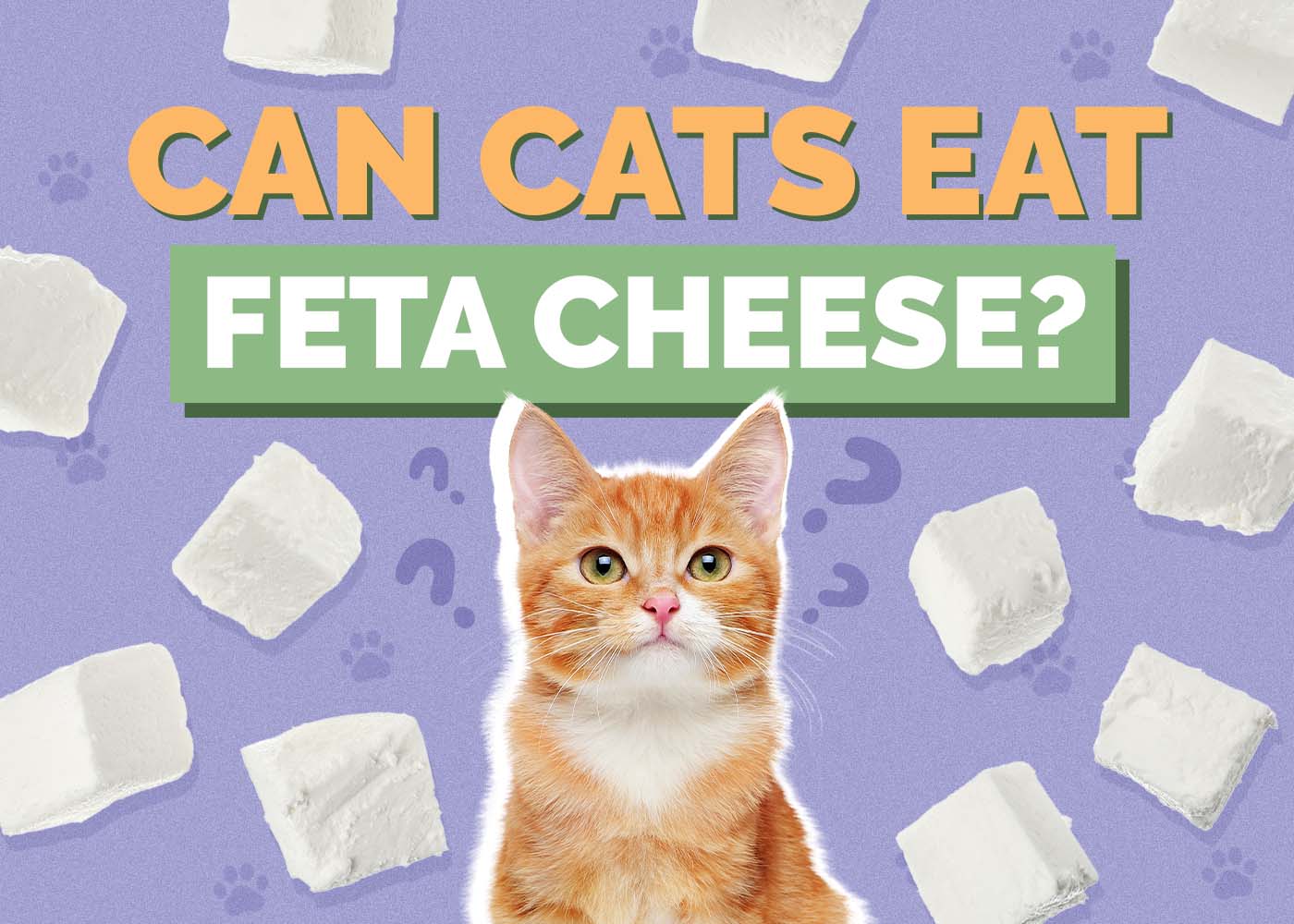
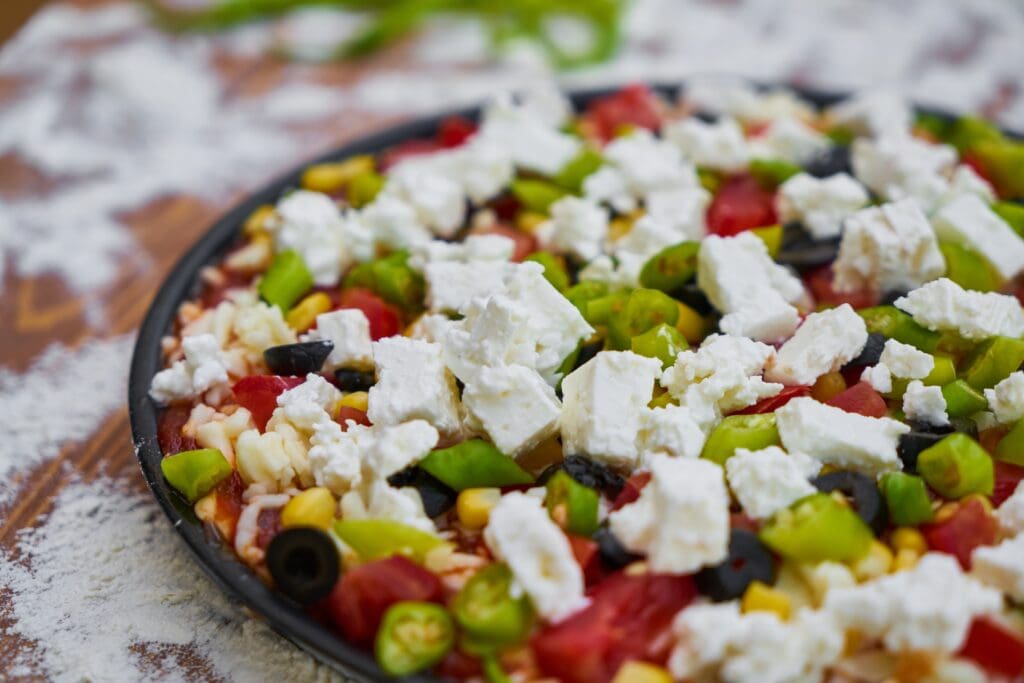
Feta cheese is an extremely tasty human delicacy that people worldwide use in their cuisines or just as a snack. Many also wonder if this treat is safe for their feline companions.
Technically speaking, cats can eat feta cheese, but it might not be the best thing to do. While some cats can eat this treat safely, others could experience several health problems, and it’s important to be aware of those complications before offering feta to your feline.
In this article, we talk more about cats eating feta cheese and whether cats should eat dairy products in general.

What Should a Healthy Feline Diet Look Like?
As obligate carnivores, cats need to intake nutrients from animal products in order to live long, healthy lives. These animals need a high-protein diet with moderate amounts of fat and few carbohydrates. Felines also need to intake vitamins, minerals, and other valuable nutrients throughout the day.
A healthy feline diet should consist of commercial cat food that’s specifically formulated to meet a cat’s nutritional needs. Cats can also be given human foods as occasional treats, but most of these don’t provide a balanced source of nutrition.
Should Cats Consume Dairy Products?
While offering dairy to your cat may seem like a good idea, this human food group is not what your furry companion should consume.
Kittens are born with the ability to produce the enzyme lactase, enabling them to digest dairy products easily. As cats age, though, they usually stop producing this enzyme, which is why most adult cats are lactose intolerant.
Lactose-intolerant cats can react poorly and experience gastrointestinal upset, vomiting, and diarrhea after eating any dairy product, including feta cheese. Due to the possible negative reaction to the milk/dairy inside feta cheese, this treat could be unsuitable for your feline.
Should Cats Eat Feta Cheese?
Feta cheese is an excellent addition to the human diet, but is the situation the same for cats?
This type of cheese is low in carbohydrates but contains plenty of protein, calcium, zinc, phosphorus, and other nutrients that can positively affect your cat’s health.
However, feta cheese is also high in fat, lactose, and sodium, which could negatively impact your cat’s health when ingested. This treat is also not a part of their natural diet, which is why it’s best to not offer it to your feline.
Feta cheese can be safe for cats in small amounts and can be given as an occasional treat. That said, you should keep in mind that this is not the healthiest cheese option for your feline. There are risks involved, and this food could make your furry friend unwell.
Possible Risks of Feeding Feta Cheese to Your Cat
1. Lactose Intolerance
One of the biggest problems with cats eating feta cheese is that they could experience lactose intolerance. While feta cheese contains less lactose than most other cheeses, it could still cause gastrointestinal upset in cats.
Since many adult cats are lactose intolerant, they could experience an array of health issues after eating feta cheese, including:
2. Sodium Imbalances
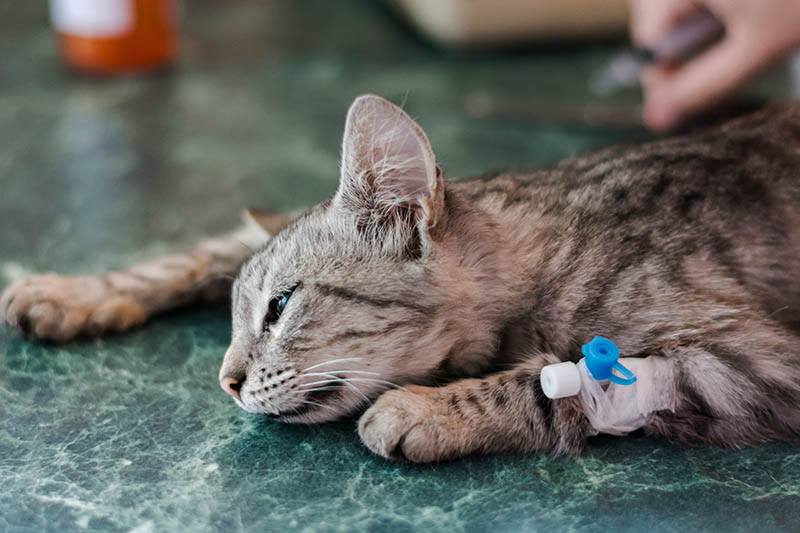
Feta cheese contains high levels of sodium, and eating it has a very small potential to lead to salt toxicity in your cat. More likely, however, they would simply develop gastrointestinal upset, rather than a true toxicity, in which they may experience the following problems:
3. Weight Gain/Obesity
Cats that eat feta cheese could quickly experience weight gain and obesity. While high in protein, feta cheese is also high in fat, which could negatively impact your cat’s weight.
Weight gain can lead to further health problems, such as diabetes and heart issues, so it’s best to avoid offering any high-fat foods to your feline.
Frequently Asked Questions
My Cat Ate Feta Cheese, What Should I Do?
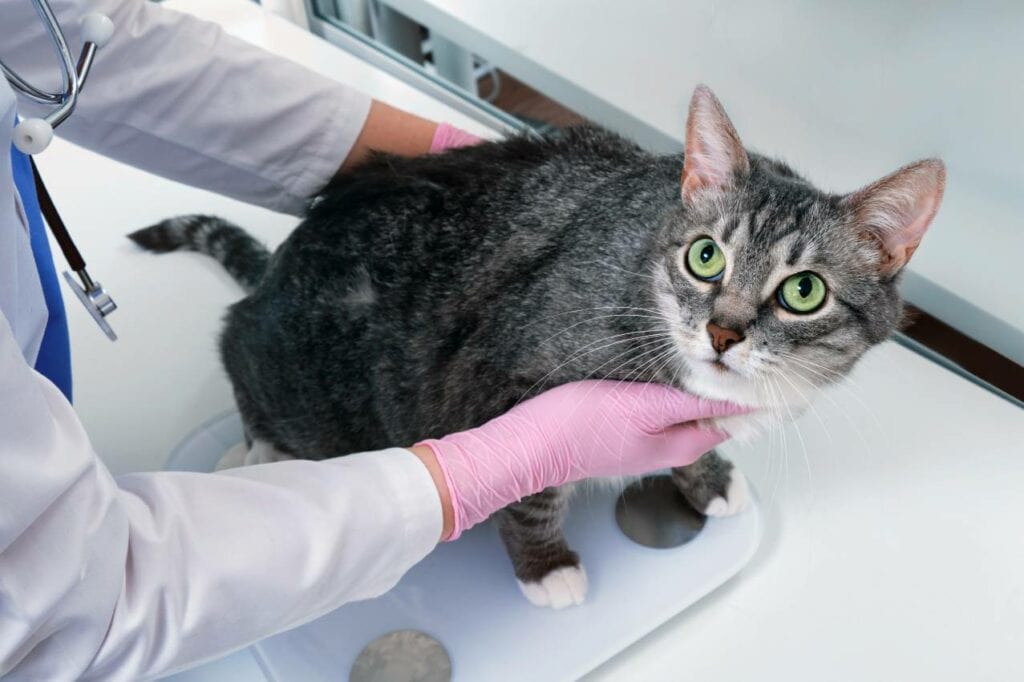
If your cat ate a small amount of feta cheese, there’s usually no need to rush to the vet. Instead, simply monitor your furry friend for any strange behaviors or unusual signs. Changes in your cat’s health or behavior means it’s time to contact your vet and seek advice.
If your cat ate a large amount of feta cheese in a short time, it’s best to immediately visit your veterinarian to prevent issues from developing.
Conclusion
Cats can eat feta cheese, but this human food has little nutritional value for felines, which is why it’s better to look for healthier foods instead. While eating a bit of feta cheese every now and then won’t kill your cat, it could cause gastrointestinal problems. If your cat really likes the taste of cheese, you can try offering them goat, Swiss, or cheddar cheese as a safer alternative.
See also:
Featured Image Credit: JumpStory
Get Hepper In Your Inbox


Pet care tips from our vets and experts, straight to your inbox.
You may opt-out at any time. View our Privacy Policy for more information.
Visnja is a content writer that covers various topics such as DIY, pets, home improvement, travel, gardening, and more.
She is a young mom and a college student, who didn’t have enough time to balance her personal and work life, so after multiple years of working a regular 9 to 5 job, she decided to pursue her passion and make a living out of it. She has been writing for a couple of years, helping people find valuable and interesting information online.
Join the conversation
Ask a question, share your story, or send private feedback.