Hepper is reader-supported. When you buy via links on our site, we may earn an affiliate commission at no cost to you. Learn more.
Are Ferns Toxic to Dogs? Vet-Verified Toxicity & Alternatives (With Pictures)


In this article
Most true fern species are not toxic for dogs, but that certainly doesn’t mean all ferns aren’t toxic for dogs. Keep in mind that while most ferns are safe for dogs, if your dog eats too much of any plant, it can cause gastrointestinal problems. When in doubt, reach out to your pup’s vet to see what you should do if your dog ate a specific plant.

Ferns That Are Toxic to Dogs
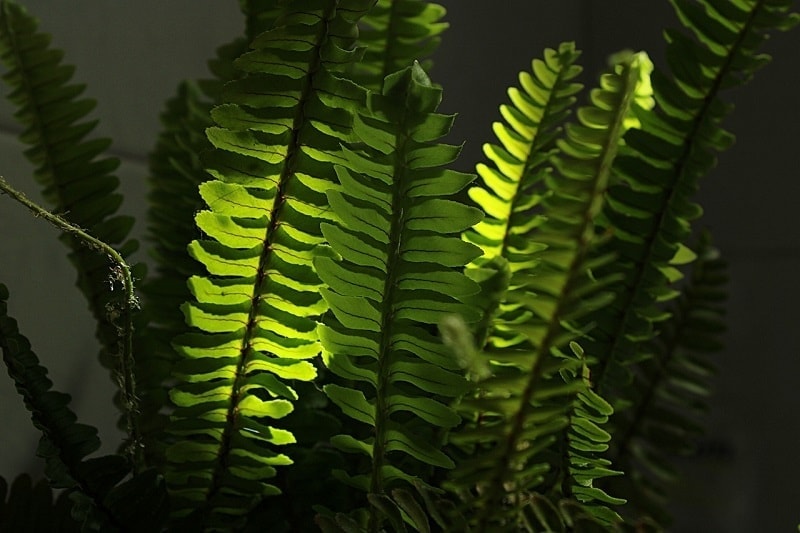
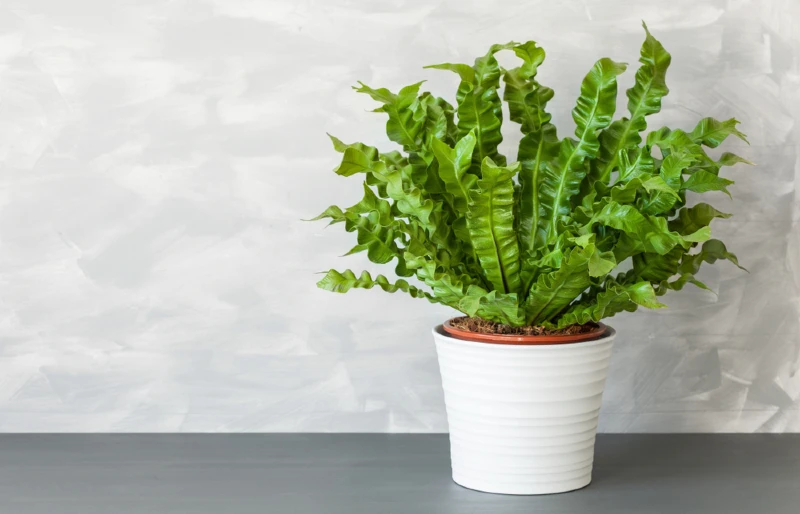
While a common Boston fern (Nephrolepis exaltata) isn’t toxic to your dog, there are plenty of other fern plants that are. Some of these plants contain sapogenin, which is a steroid found in a variety of plants. The highest concentration of sapogenins are found in the berries and leaves of these plants. Ingesting these types of plants in large quantities can cause hypersalivation, abdominal pain, vomiting, and diarrhea. If the skin is exposed to these plants for a long period, allergic or irritant dermatitis can also occur.
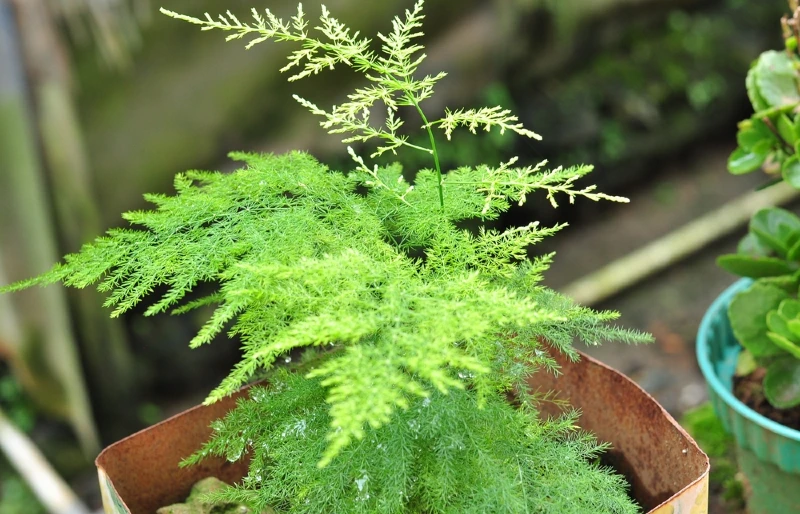
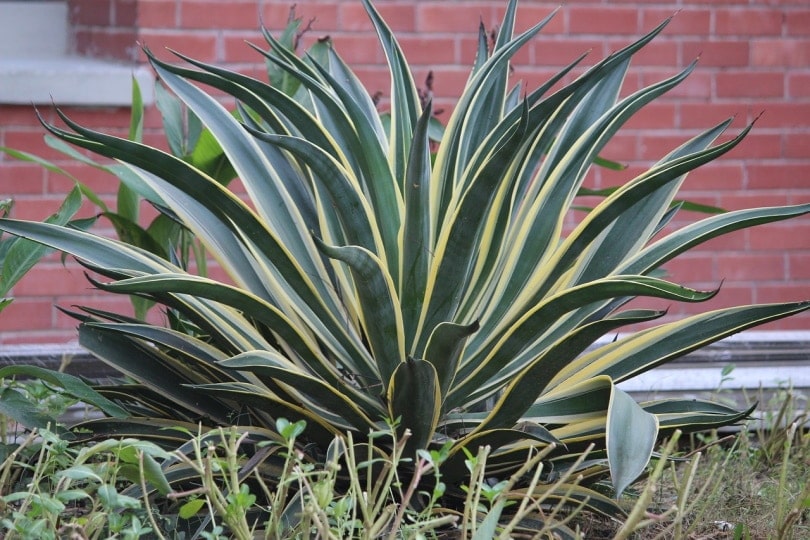
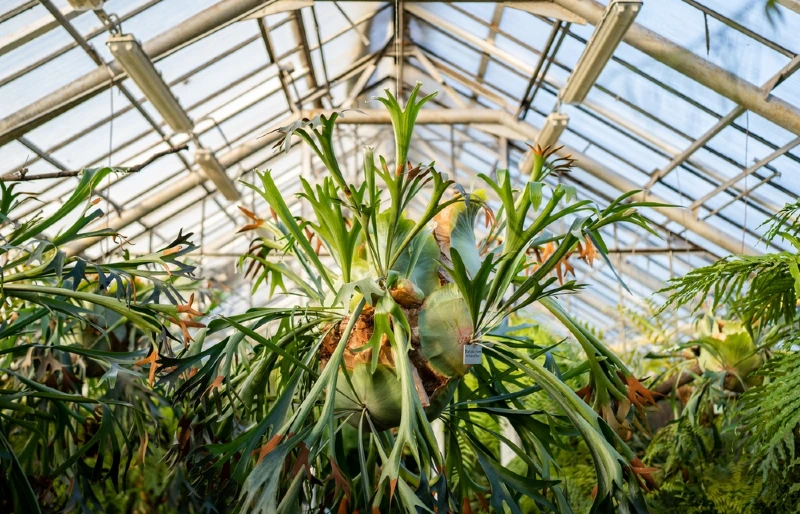
Some ferns that you need to keep away from your pet include:
Finding Out if a Plant Is Toxic for Dogs
There are hundreds of toxic plants out there, and the easiest way to see if a plant is toxic for your pup is to see if it’s on the ASPCA’s list of toxic plants for dogs 1. The list isn’t all-inclusive, but it does cover most common household plants. You can search for both the scientific species name or some of the more common names for plants on this list.
If you’re looking to add an extremely obscure plant to your home or garden, you should do a little more research to be safe, but for the most part, if it’s not on the list of toxic plants, you can probably bring it home!

Safe Plants for Dogs
There are hundreds and thousands of plants that are safe to keep around dogs. Run any plant through the ASPCA list we highlighted above, and if it’s not on it, you can likely bring it home. We’ve highlighted five plants we love, that are also pet-friendly!
1. Spider Plant (Chlorophytum comosum)
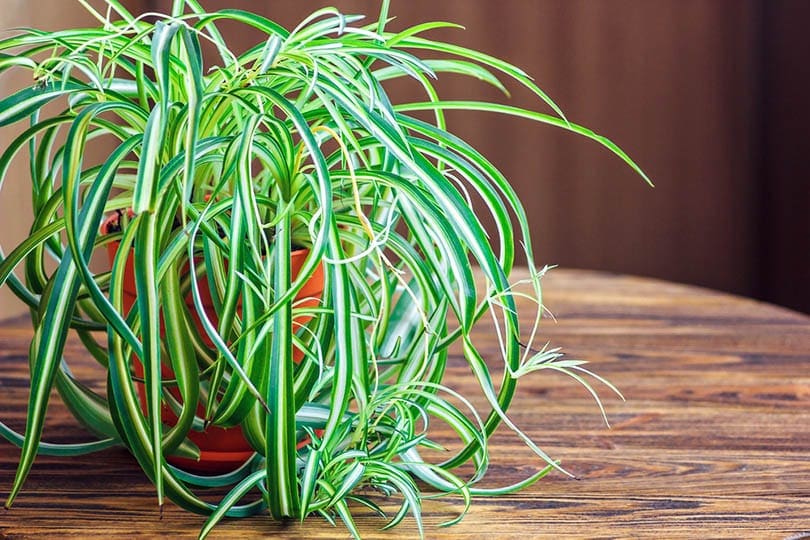
Spider plants are among the most common houseplants in the world, and if you have a dog that likes to munch on plants from time to time, it’s a great option to keep around. They’re also one of the easier houseplants to care for, so if you don’t have the greenest fingers, it might be an excellent choice for you.
2. Prayer Plant (Calathea insignis)
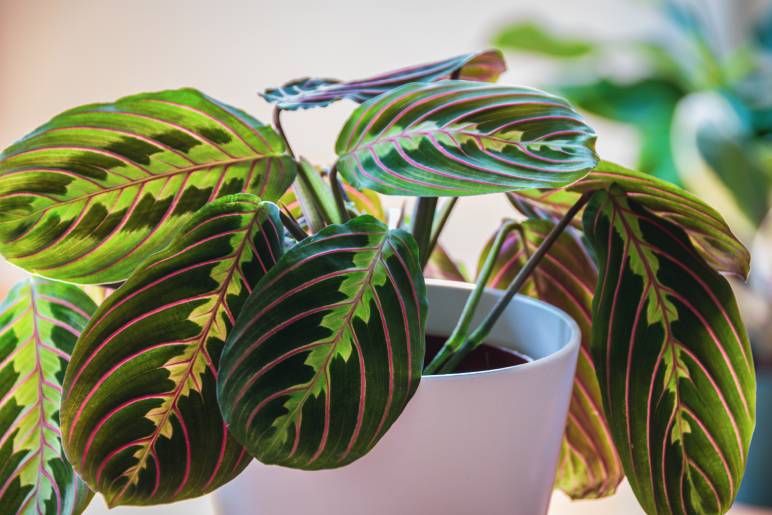
These plants are popular for their vibrant foliage and are great at adding a pop of color to a room. They also do a very cool thing that has led to their common name; their leaves raise up when the sun goes down and when the sun comes up, the leaves lower and stretch out horizontally again. This made people think of worshipers lifting their hands in prayer.
3. African Violet (Saintpaulia spp.)
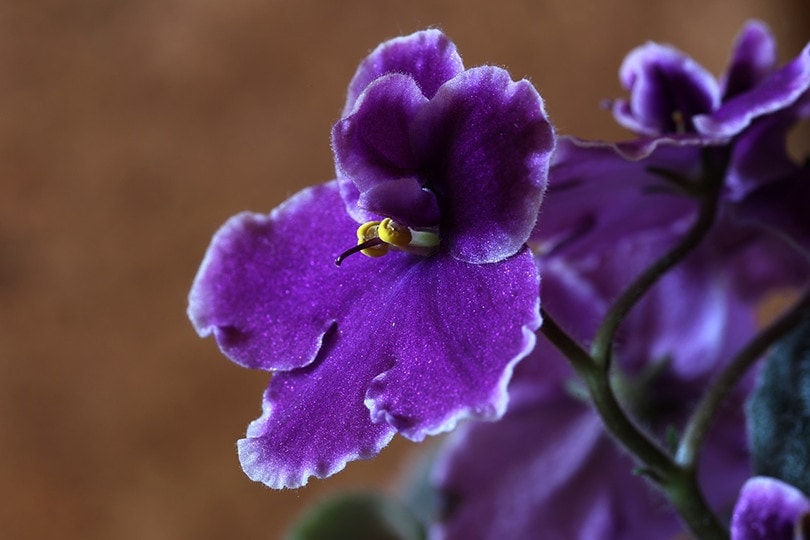
African violets are another super beautiful plant you can keep if you have a dog that can’t be trusted not to eat plants from time to time. African violets have thick leaves and beautiful flowers, and because of the thicker leaves, dogs are often less likely to try and eat them too.
4. Venus Flytrap (Dionaea muscipula)
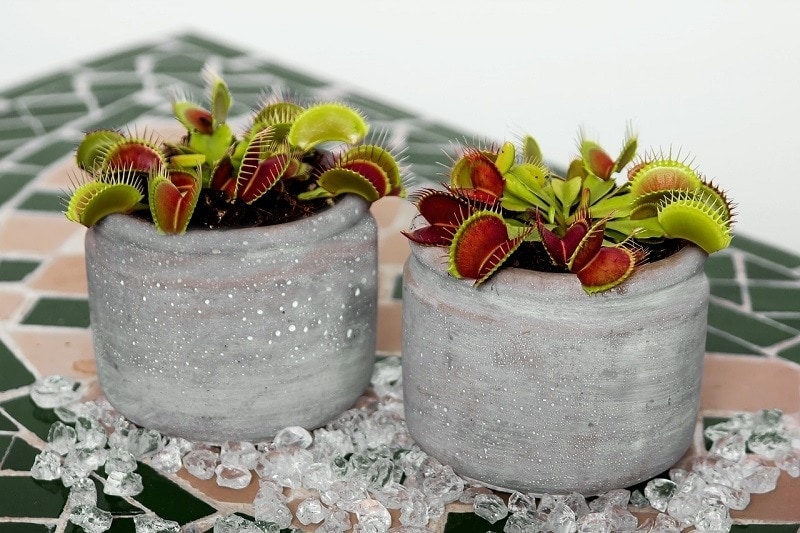
If you’re looking for a more exotic plant to bring home, a Venus flytrap might be exactly what you want. They’re a carnivorous plant that are fun to own, and even if your dog happens to eat it, they shouldn’t get sick. Just keep in mind that a Venus flytrap isn’t the easiest plant to care for.
5. Moth Orchid (Phalaenopsis sp.)
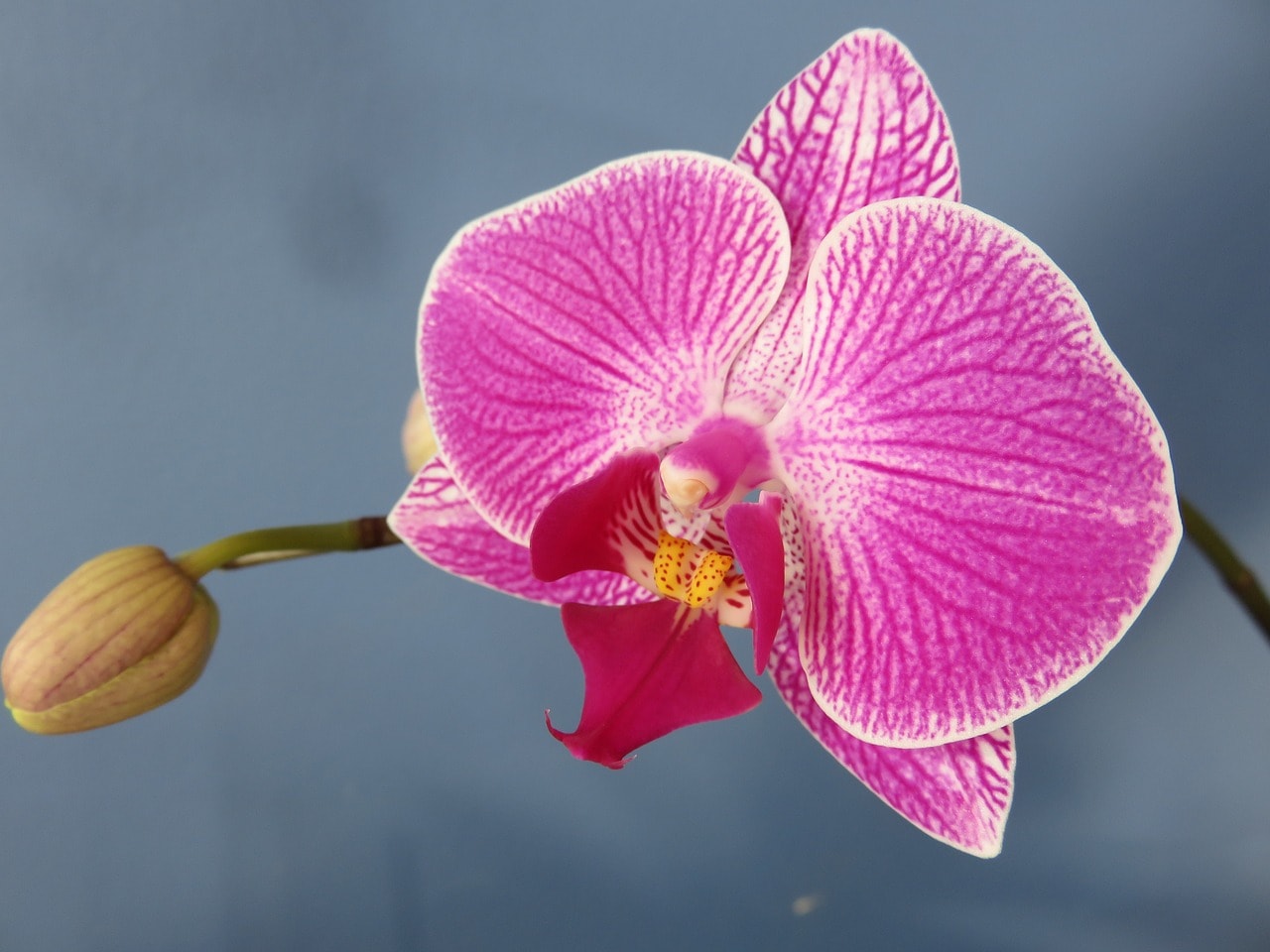
Orchids are beautiful plants that come in a plethora of colors and varieties. Orchids have long stems with a few large leaves at the base and various flowers at the top. They’re beautiful plants, and it’s why so many people like having them around their homes! Many of the orchid species are not toxic to dogs but it is best to check the variant you have to make sure. The moth orchid is very beautiful and known to be non-toxic to dogs.
Conclusion
While many ferns are safe to keep around your pup, if you’re unsure about the specific fern your pup ate, play it safe and take them to the vet. Take a piece of the plant with you to help identify the plant species your pup has eaten, or even better, take the plant label if you still have it. Remember what time your dog ate the plant and how much they ate. This will help the vet to decide the best course of treatment. If you know that your pup likes to eat plants from time to time, ensure every plant in your home is non-toxic, and as much as possible, keep plants out of your dog’s reach or train him to leave the plants alone. This will prevent them from eating something they shouldn’t in the future.
See Also:
Sources
Featured Image Credit: Olga Miltsova, Shutterstock
Get Hepper In Your Inbox


Pet care tips from our vets and experts, straight to your inbox.
You may opt-out at any time. View our Privacy Policy for more information.
Adam, a dedicated freelance writer and animal advocate, has a long history of rescuing animals and creating compelling written content. For over ten years, he has worked as a freelance writer, and his passion for rescuing animals extends even further back. Adam is also a proud father of three, always ready for a challenge and eager to embark on new adventures.
Join the conversation
Ask a question, share your story, or send private feedback.