Hepper is reader-supported. When you buy via links on our site, we may earn an affiliate commission at no cost to you. Learn more.
Can Cats Eat Marshmallows? Nutritional Facts & FAQ
In this article
Few things are more comforting and decadent than marshmallows. The perfect addition to hot cocoa or roasted around a campfire, marshmallows are a sweet and versatile treat that we love around the holidays (or any time of year!).
Unfortunately, our love for marshmallows doesn’t mean they’re appropriate for our four-legged friends. Can cats eat marshmallows? No, cats can’t safely eat marshmallows for several reasons. We’ll explain more below.

Why Are Marshmallows Hazardous to Cats?
Cats shouldn’t have marshmallows for a bunch of reasons, but mainly because they offer no nutritional benefits. As obligate carnivores, cats require a diet composed of lean protein from animal sources, not empty calories and sugar from processed foods like marshmallows. The high sugar content in marshmallows can contribute to health conditions like obesity and diabetes and their associated comorbidities like heart problems.
Marshmallows also contain a lot of sodium, which isn’t healthy for your cat. Aside from poor nutrition, marshmallows can pose a choking hazard. Small marshmallows especially can become lodged in your cat’s throat.

What Do I Do If My Cat Gets a Marshmallow?
Despite being generally unsafe, marshmallows aren’t poisonous or toxic for cats—they’re just not a good treat idea. As long as your cat isn’t choking, they should digest the marshmallow fine and suffer no ill effects.
In the future, try to be more cautious about table food your cat can access. A marshmallow isn’t particularly dangerous, but many foods are.

What Foods Are Hazardous to Cats?
Cats are curious and get a hold of many human foods that they shouldn’t. While some are nothing to stress about, others can contribute to fatal health conditions. Here are some foods you should never feed your cat:
Raw Meat or Bones
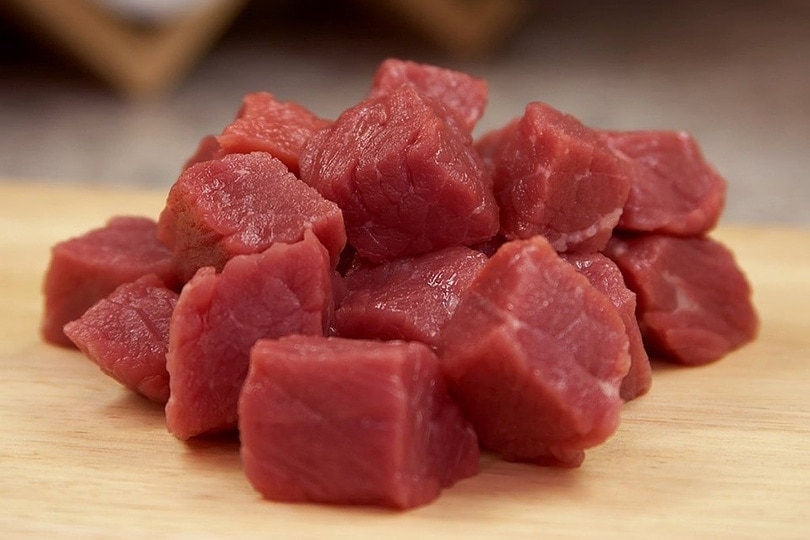
Like humans, cats can get diseases from the bacteria that thrive on raw meat, such as salmonella and E.coli. If your cat ingests this bacteria, it can become very sick and may transmit the illness to you.
Raw bones not only pose a bacterial risk, but can cause problems like choking, intestinal perforations, or intestinal impaction. Cats may also break teeth on heavy raw bones.
Dairy
Despite the image of a cat drinking milk out of a saucer, milk, and other dairy aren’t the best choices for a cat’s diet. Some cats struggle to digest lactose, the sugar in milk, and suffer diarrhea or GI issues. Even if your cat seems to be okay with milk, it’s best to avoid it and choose a species-appropriate alternative.
Dog Food
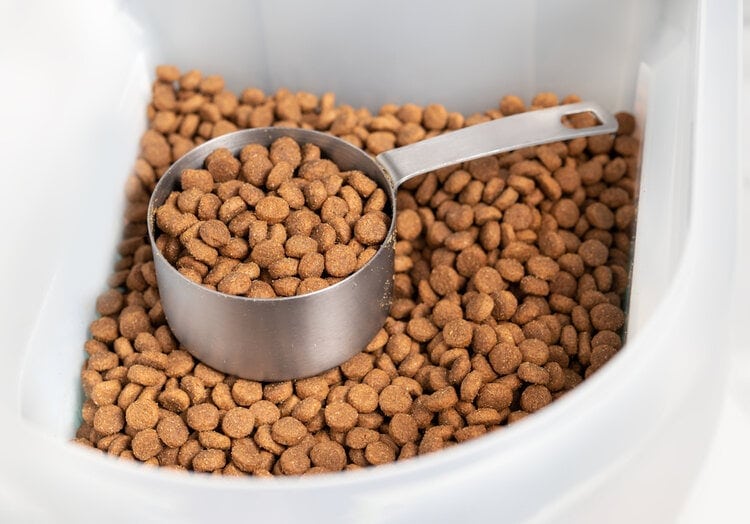
If you have a dog, your cat may have access to some of your dog’s food. While it’s unlikely to harm your cat one time, dogs and cats have different nutritional needs. Cats need animal protein and the amino acid taurine, which are included in commercial cat food. Without it, cats can develop problems like heart disease and vision issues. Cats also need higher levels of vitamin A for proper health.
Chocolate
Chocolate is just as poisonous to cats as dogs. It contains a compound called methylxanthine, which builds up in the system and causes symptoms like vomiting, diarrhea, muscle tremors, cardiac arrhythmias, increased thirst, and seizures. Avoid chocolate and caffeinated beverages, which have high concentrations of methylxanthine.
Garlic and Onion
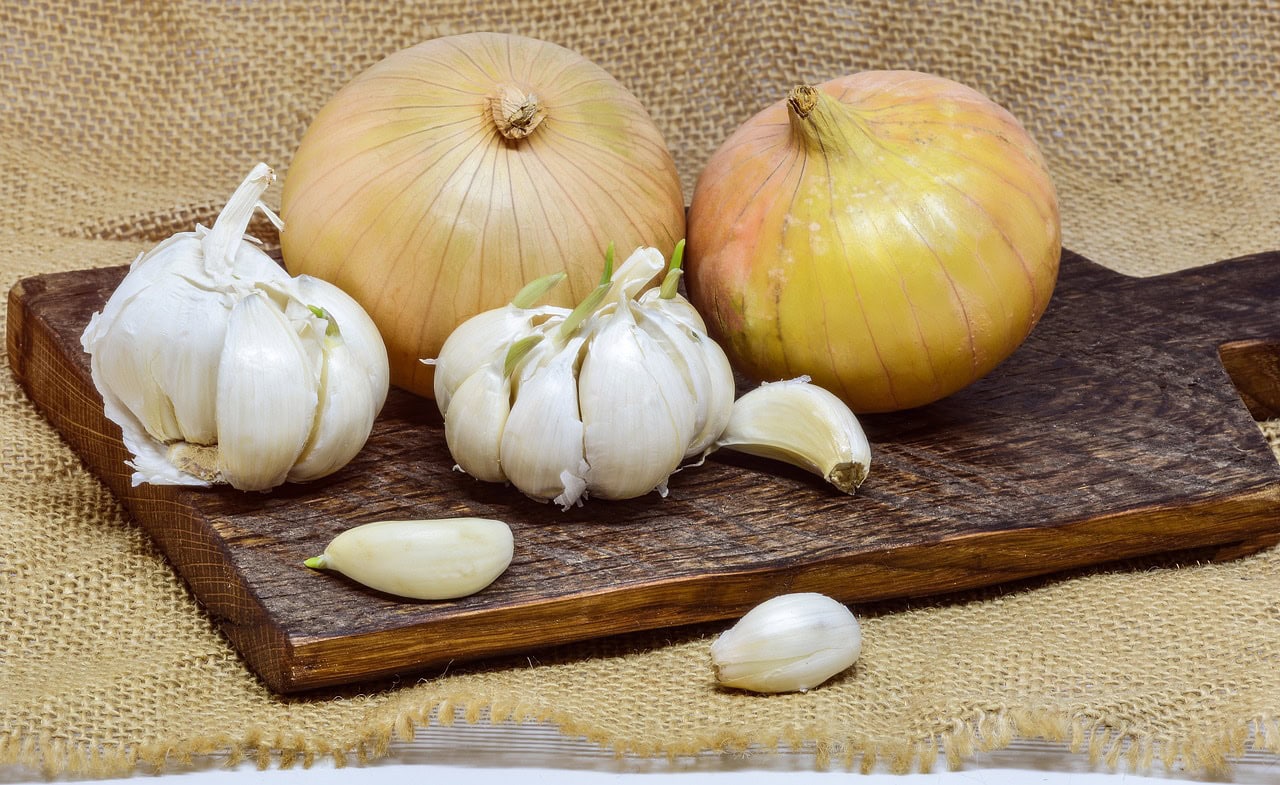
Garlic, onion, shallots, and other foods in this family are toxic to cats and can lead to anemia. A cat will typically need larger quantities to have adverse effects, but they can get sick from these foods in sauces or in concentrated, powdered forms like garlic or onion powder. Cats that ingest garlic or onion may develop anemia, weakness, lethargy, orange or red urine, and pale gums.
How Do I Keep My Cat Away from Dangerous Foods?
Cats are very good at accessing things they shouldn’t. The best way to prevent accidental ingestion of dangerous foods is by keeping them out of reach. Here are some tips:
With some of the health effects that can come from toxic foods, an ounce of prevention is really worth a pound of cure.
Final Thoughts
Marshmallows may be a delightful holiday or summer campfire treat for us, but they’re not appropriate for your cats. While there’s nothing poisonous or toxic for your cat in a marshmallow, they offer no nutritional value and contain high amounts of sugar and sodium. Cats may also choke on marshmallows.
Featured Image Credit: NoName_13, Pixabay
Get Hepper In Your Inbox


Pet care tips from our vets and experts, straight to your inbox.
You may opt-out at any time. View our Privacy Policy for more information.

Nicole is a lover of animals of all sizes but is especially fascinated with the feline variety. She’s the proud mom of Baby, a Burmese, and works every day so he can relax in the sunshine or by the fire. She’s always had a cat in her home and has spent countless days with others, observing behaviors and softening up even the grouchiest of the lot. Nicole wants to share her kitty expertise with you so you and your cat can live happy, healthy, and care-free.
Join the conversation
Ask a question, share your story, or send private feedback.