Hepper is reader-supported. When you buy via links on our site, we may earn an affiliate commission at no cost to you. Learn more.
Can Cats Eat Skittles? Vet-Verified Facts & FAQ

In this article
As a pet owner, it is common to wonder what different types of human foods our pets can and cannot eat. Whether you want to offer your cat occasional treats, or your cat has gotten into some food, and you need to know whether it's safe or not, we’re here to answer your questions.
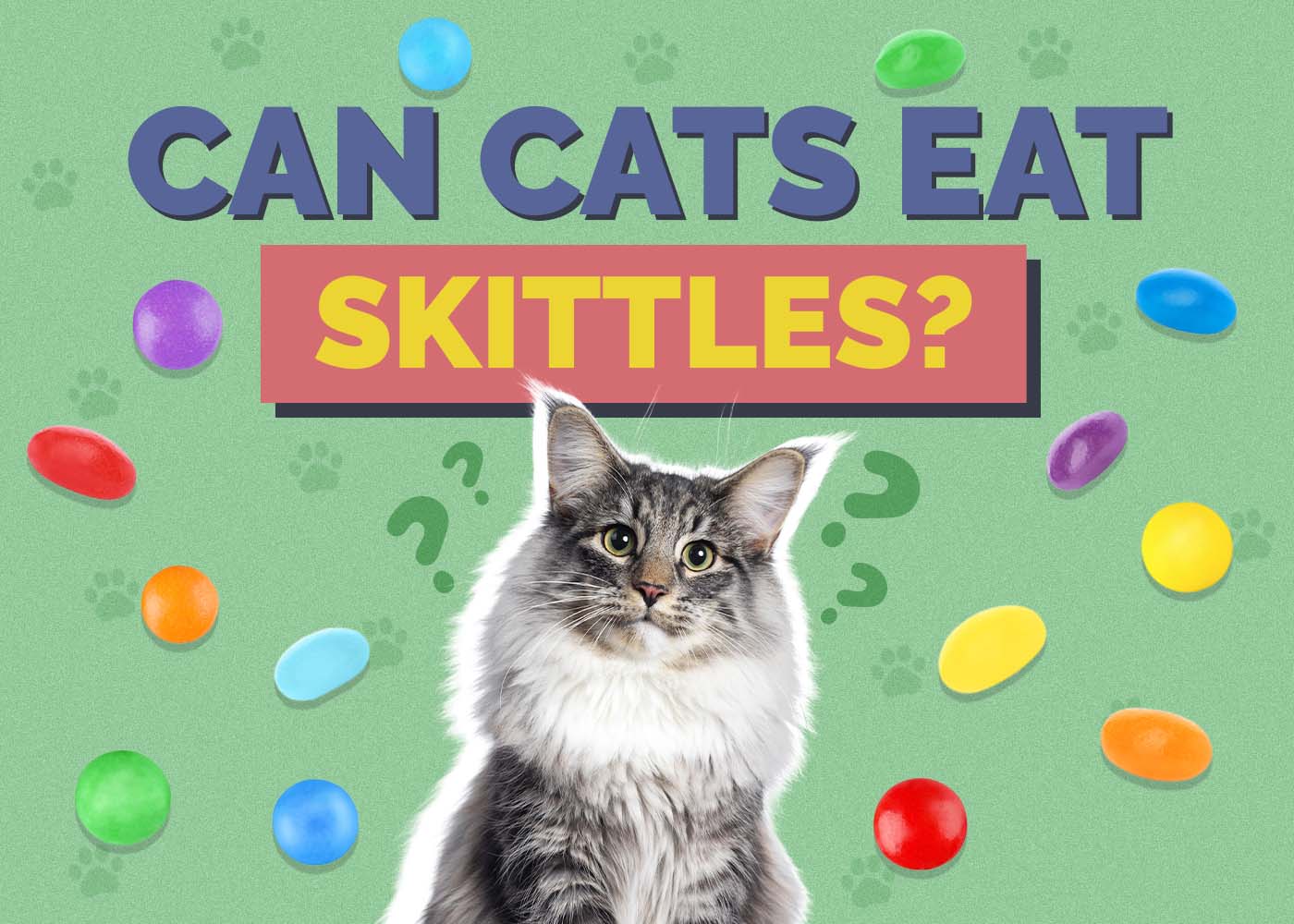
If you are curious as to whether your cat can eat Skittles, the simple answer is, no. While we humans can taste these rainbow sweets, your feline can and should not. Not only is it important to know whether your cat can eat certain foods but knowing the reasons why and what could happen if they do are also very important. After all, knowledge is power, so let’s take a deeper look into this.

Why Can’t My Cat Eat Skittles?
You have probably been told of the negative health effects of candy consumption. The cons to eating Skittles and other candy are not just limited to humans, but to animals too. Not only are Skittles full of sugar and empty calories, but they are also higher in hydrogenated oil (trans fats) than other candies and contain nine different artificial colors.
The good news is that while Skittles are not good for your cat and they should never be allowed to eat them, they are not poisonous either. If your cat were to consume Skittles, they may experience gastrointestinal upset due to the high amount of sugar overwhelming their system.
Is All Candy Bad for Cats?
There is really no way around it, all candy is bad for cats. While candy is also bad for humans, a cat’s digestive system is drastically different from ours. They are not equipped to digest sugars and carbohydrates like we are.
Cats are obligate carnivores that get all their needed nutrition from meat. Their systems simply are not designed to consume anything other than meat. The ingredients that makeup Skittles and other candies are not part of a cat’s natural diet and can potentially cause digestive disturbances.
No cat should ever be given any kind of candy and as an owner, it is important to ensure human foods are put up and away from our furry feline friends for the sake of their health and safety.

Do Cats Like Sweets?
Interestingly, your cat cannot taste the sweetness and flavors that make candy so irresistible to humans. Cats have around 470 taste buds, which is drastically low compared to adult humans that can have up to 10,000. Even dogs have approximately 1,700 taste buds.
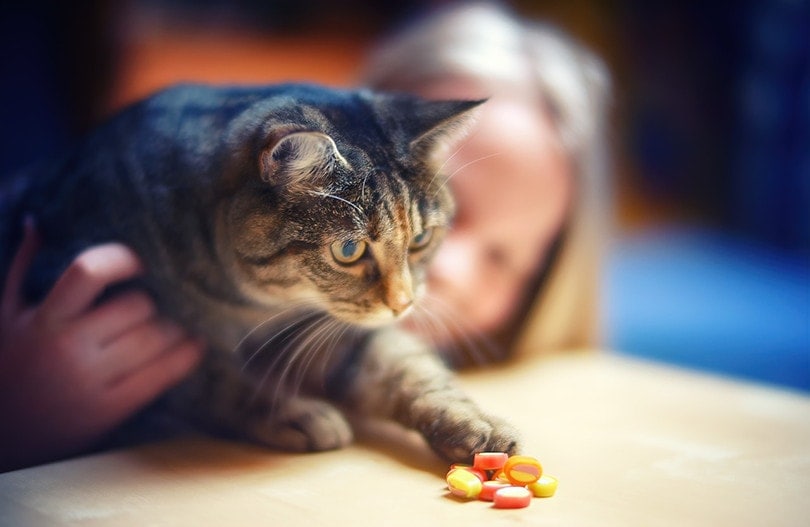
While you do not have to worry about your cat having a sweet tooth, curiosity may have them running your way when you unwrap your candy. Just because they do not taste the sweetness, does not mean your curious kitty won’t eat sweets. Make sure to keep your sweets secure and contact your veterinarian if they consume anything you are unsure of.
Negative Effects of Sugar Consumption
If your cat gets into candy or other sugar-filled foods, they may experience some gastrointestinal symptoms associated with the digestion of high amounts of sugar. Symptoms to be on the lookout for include vomiting, diarrhea, upset stomach, and temporary reduction in appetite as it makes its way through the system.
The severity of these symptoms can vary depending on your individual cat and the amount that was consumed. It’s always best to contact your veterinarian for guidance if you know your kitty has eaten anything it shouldn’t.
Long-term sugar consumption can have the same negative health effects on cats that it does on humans, including but not limited to obesity, diabetes, and dental problems.

Artificial Sweeteners and Sugar-Free Candy
In addition to sugar-filled candy, there are also many candies nowadays that are geared toward those who wish to avoid sugars. Artificial sweeteners are used in a wide variety of foods and drinks that we consume regularly.
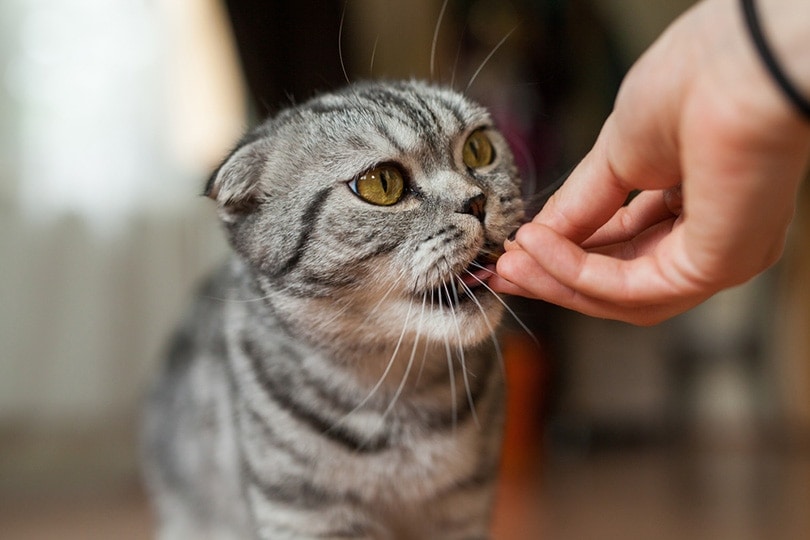
It is important to be aware that while our pets should avoid foods high in sugar, they should also be away from anything containing artificial sweeteners as well. While most artificial sweeteners are generally safe in small amounts and may only cause digestive upset, your cats should be kept away from them for the sake of their safety.
It is important to note that one artificial sweetener in particular, xylitol, is very toxic and potentially life-threatening to both dogs and cats.
Types of Artificial Sweeteners
- Aspartame
- Erythritol
- Monk Fruit
- Stevia
- Sucralose
- Saccharine
Xylitol Toxicity
Xylitol is an artificial sweetener that is commonly found in sugar-free candies, baked goods, gum, and other food and drink products. Xylitol can lead to a life-threatening drop in blood sugar, also referred to as hypoglycemia, as well as organ failure. If your cat has ingested anything that contains xylitol, or you suspect they may have, contact your veterinarian immediately, as prompt medical attention is needed.
Keeping Your Cat Safe
Since our beloved cats can be as equally curious and mischievous as they are agile and intelligent, it is best to take some safety precautions to keep them away from food they need to avoid. Most cats can easily get up on the kitchen counter, climb up onto a shelf, and even get on the refrigerator. Here are some tips on how to keep them safe:
Make Rules for the Household
Make sure all adults and children in the house are aware of the necessity to keep things picked up and secure. All members of the household need to practice responsible pet ownership to ensure your cat is safe from household items that can be detrimental to their health.
Keep Sweets Out of Reach
Any sweets or other foods that could pose a threat to your cat should never be left out. Keep them tightly covered in a dish or other food storage or ensure they are up high enough so that your cat can’t access them.
Get a Secure Trash Can
Dumpster diving may be more up the dog’s alley but don’t let your seemingly innocent kitty fool you. Cats are smart and have been known to quietly (or not so much) rummage through the trash in search of tasty treats. Make sure you have a trash can that has a cat-proof lid. Not only will it keep your cat safe, but it will also prevent some unnecessary messes as well.
Ensure a Proper Diet is Being Fed
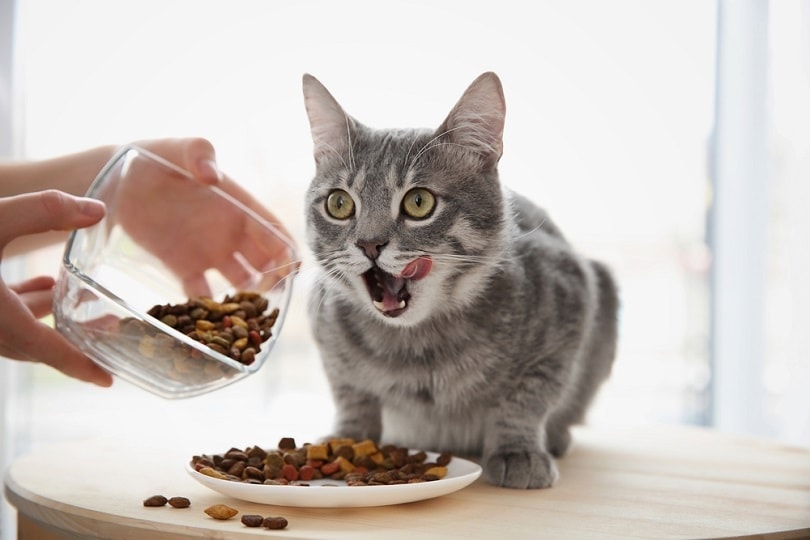
It is important for your cat’s overall health for you to ensure they are fed a healthy diet that covers all their nutritional needs. Quality and quantity are both very important aspects of their meal plan. If your cat is lacking in nutrition or is not being fed enough, this can cause them to seek out food from other sources.
Offer Cat Treats
Keeping high-quality cat treats on hand is always a good idea. Not only are treats something you can offer for good behavior, but you can also provide them with an occasional snack in between meals that will keep them satiated.
Know What is Toxic to Cats
There are a variety of foods, houseplants, and other household items that are toxic to cats and other pets. As a cat owner, you should speak to your veterinarian about the most common household items and foods that can pose a threat to your kitty. The more you are aware of the potential dangers within the home, the better prepared you will be to ensure your cat’s safety.
What To Do If My Cat Eats Candy
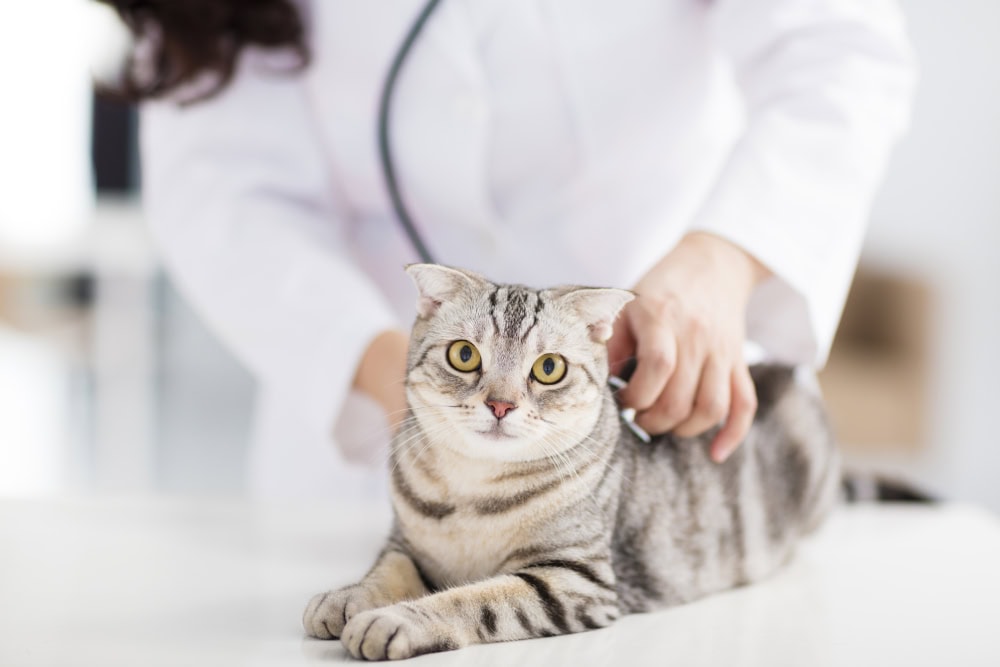
If your cat has gotten into Skittles, sweets, or any food that is potentially toxic, call your veterinarian as soon as possible. It is better to be safe than sorry and there’s no better advice than directly from the experts.
If your veterinarian does not take calls after office hours, be sure to have emergency veterinary services contact information available for these kinds of situations. There are also pet poison helplines that can also assist when your pet has ingested something potentially dangerous.
You will want to let them know what was eaten, how much was eaten, and any symptoms your cat is currently experiencing. Even if you are ever unsure of the safety of something your cat has eaten, it’s always best to reach out to a veterinarian.
Now that you know what you can safely feed your cat, it’s just as important to find a bowl that supports their health and well-being. With whisker-friendly bowls and a wide tray to catch any spills, our Hepper NomNom Cat Bowl is our favorite option.

- NO MESS - The 360° tray on this cat food and water bowl set has a raised design to catch and contain stray crumbs and drips. Protect your indoors and floors from wet and messy meals!
- WHISKER FRIENDLY - Shallow and wide metal containers with flat bottoms ensure your kitty can enjoy mealtime free from whisker fatigue!
- CHEW-SAFE MATERIALS - Kittens and cats love chewing on silicone and soft rubber - but it's a choking hazard. Our cat feeding station materials are anti-chew for a 100% safe feeding frenzy!

Conclusion
While Skittles are not particularly toxic to cats, they can cause digestive disturbances due to the high amounts of sugar and trans fats. Cats are obligate carnivores that get all their dietary needs from meat. Their systems are not designed to digest sugars and carbohydrates.
Owners should never offer Skittles or any other candy to their cats. If your cat has consumed any kind of sweet or food that could be potentially toxic, you should contact your veterinarian immediately for further guidance.
See also:
Featured Image Credit: Pixabay
Get Hepper In Your Inbox


Pet care tips from our vets and experts, straight to your inbox.
You may opt-out at any time. View our Privacy Policy for more information.
Nicole is a lover of animals of all sizes but is especially fascinated with the feline variety. She’s the proud mom of Baby, a Burmese, and works every day so he can relax in the sunshine or by the fire. She’s always had a cat in her home and has spent countless days with others, observing behaviors and softening up even the grouchiest of the lot. Nicole wants to share her kitty expertise with you so you and your cat can live happy, healthy, and care-free.
Join the conversation
Ask a question, share your story, or send private feedback.