Hepper is reader-supported. When you buy via links on our site, we may earn an affiliate commission at no cost to you. Learn more.
Can Dogs Eat Capers? Vet-Reviewed Health Facts


In this article
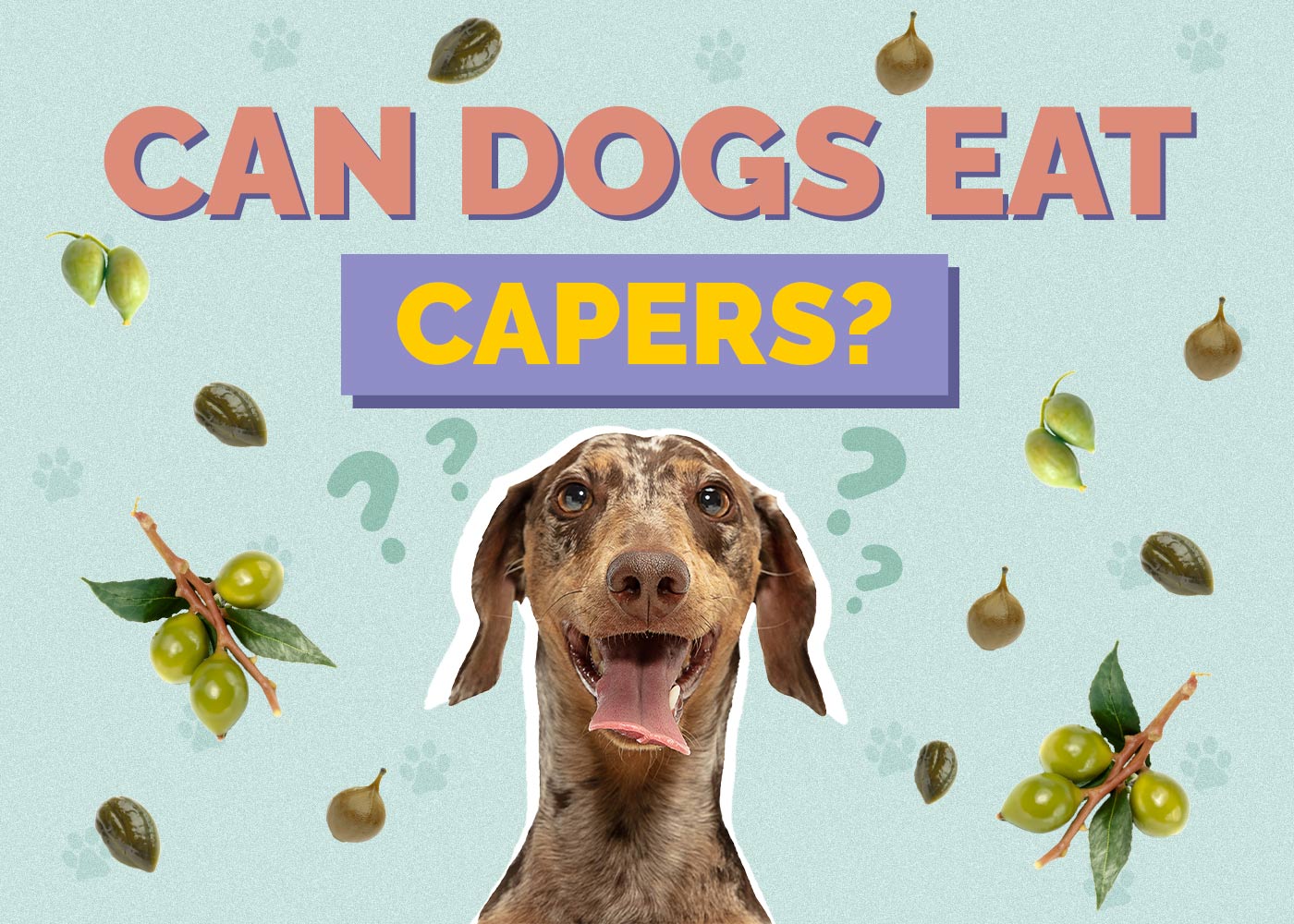
Feeding people food to your dog has benefits but also risks. If you keep a jar of capers in the home and enjoy them in a dish on occasion, you might wonder if it’s okay to give your dog a few of these salty little green buds.
While capers themselves are not toxic, the pickling process means they are far too salty to give to dogs.
In this article, we discuss capers and why they are not the best treats for your dog.

A Little About Capers
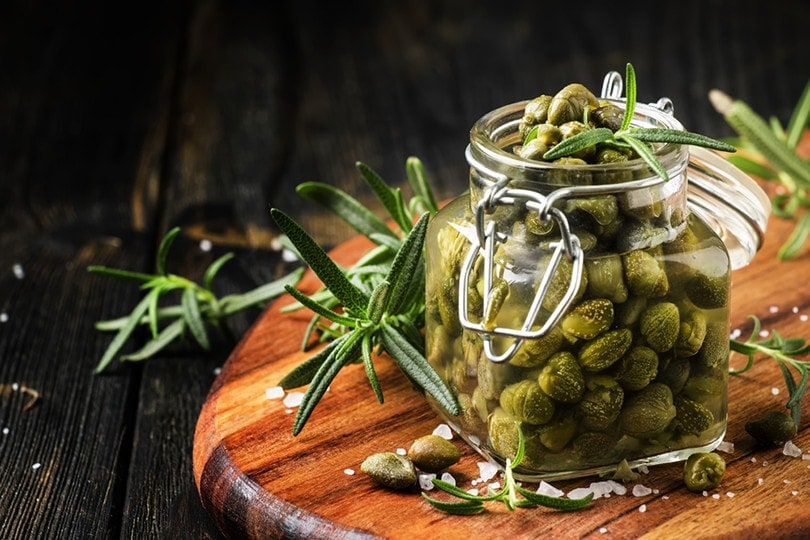
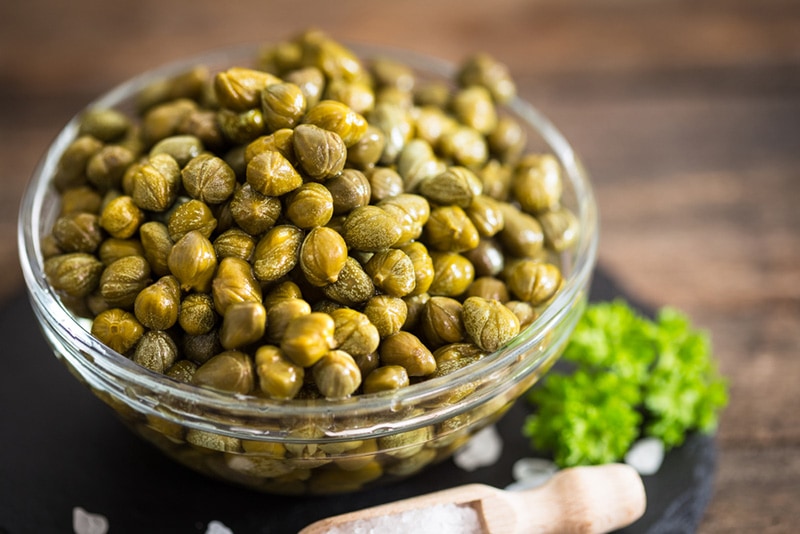
Capers are flower buds of the Capparis spinosa, which grow primarily in the Mediterranean in Italy, Spain, and Greece. The unripe caper buds are plucked from the bush, and they are then dried and preserved by being salted and pickled. It’s the brine that gives capers their notably intense flavor. It’s why they are traditionally used as a garnish in various dishes.
Health Benefits of Capers
Capers do contain nutrients that can offer health benefits. They contain antioxidants, which help prevent cell damage by neutralizing free radicals. Antioxidants also have anti-inflammatory properties.
Capers are also a decent source of vitamins B, K, A and C, as well as the minerals calcium, and iron. They also contain fiber.
What Are the Risks of Capers for Dogs?
Capers are usually put in a brine, which is heavily salted and can be quite dangerous for dogs. Dogs do need a certain amount salt in their diet, but too much can be dangerous and even lead to salt toxicity. Signs that a dog has consumed too much salt include:
- Diarrhea
- Vomiting
- Incoordination
- Decreased appetite
- Lethargy
- Excessive thirst
- Excessive urination
- Tremors
- Seizures
- Coma
- Death
A dog that consumes too much salt can become severely ill and need immediate veterinary attention.
Is There a Way to Make Capers Safe for Your Dog?
It’s best to keep capers away from your dog, but there is a way to make them safer. You can soak the capers in fresh water for a while and then rinse them in running water. This will help reduce the amount of salt in the capers. Also remove the stalks, if there are any. However, there are better and healthier treats for your pup which they will likely enjoy more.
Safer and Healthier Treats for Dogs
Beyond picking up high-quality dog treats at your local or online pet store, several fruits and vegetables are safe for your dog to enjoy in small amounts.
- Apples (seeds removed)
- Bananas
- Blueberries
- Broccoli
- Carrots
- Green beans
- Peanut butter (xylitol-free, no added salt or sugar)
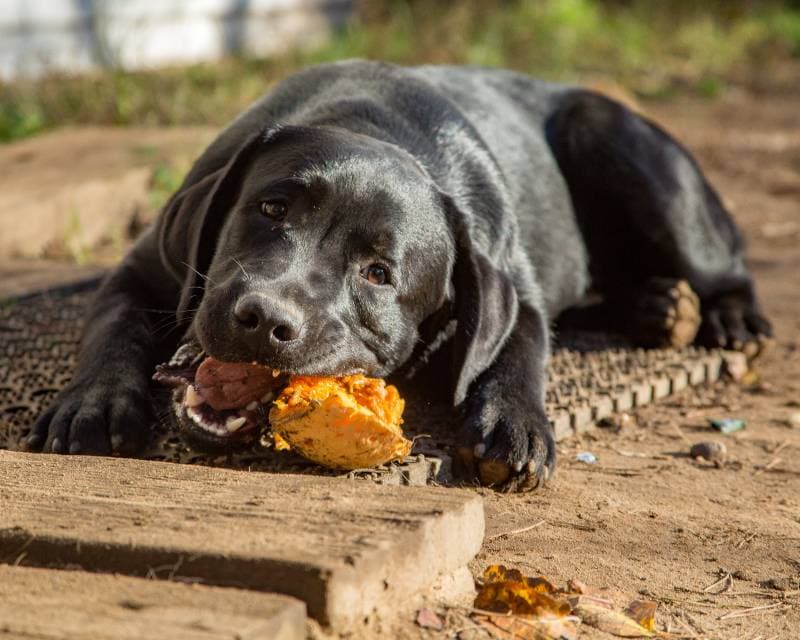
- Pumpkin (cooked)
- Squash (cooked)
- Strawberries
- Sweet potatoes (cooked)
- Watermelon
Bear in mind that while these foods are great snacks for dogs, they should only be given in moderation. Be sure to always wash them thoroughly. Whenever you introduce a new food to your dog, only give them a small amount so you can keep an eye on how well they digest it.
Some dogs might experience an upset stomach when eating something new. This is particularly important if your dog already has a sensitive tummy.
FAQ
Can Capers Get Moldy?
Capers have a long shelf life. Just like pickles, they are preserved in brine or vinegar, which keeps them from going bad longer than most other foods. When the jar is unopened, capers can last several years. Once the seal has been broken, they can generally be kept in the fridge for up to a year.
If the capers are brown or black, they must be thrown away. If the lid on the unopened jar has formed a bit of a dome, the whole thing should be tossed. Also, look out for white, black, or dark bluish spots floating on the liquid, which is mold and must be avoided.
Can Dogs Eat Olives?
For the same reasons that capers aren’t great for dogs, the same is true for olives. These are also kept in brine and therefore heavily salted. If the olives have pits, they will need to be removed to avoid damage to the teeth.
If they have been marinated in oils and ingredients like garlic or onions, they can be quite toxic to dogs. Avoid stuffed and marinated olives for this reason. Olives themselves are not toxic to canines, but the extra salt and ingredients can be.
Can Dogs Eat Artichokes?
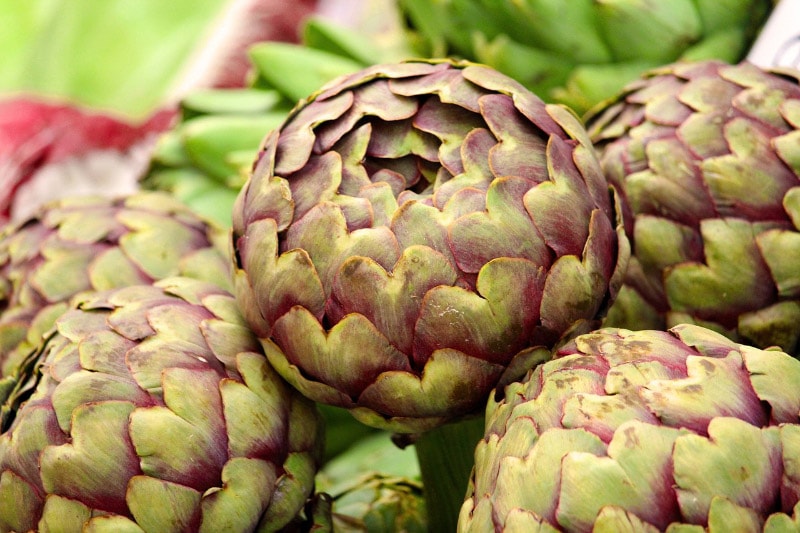
Artichokes can be healthy snacks for dogs because they contain antioxidants, folic acid, niacin, potassium, and vitamin C. They are rich in dietary fiber as well which can aid in health digestion.
An artichoke for a dog should be raw, cut into small bite-sized pieces (to prevent choking hazards), and only given in moderation. You can also roast it for your dog, but remember not to add any seasonings or other ingredients.
Final Thoughts
Capers are not toxic to dogs, but their extreme saltiness makes them unhealthy, if not downright dangerous. While soaking and rinsing them can make a difference, it is probably best if you don’t give any capers to your dog.
Speak to your vet if you have questions about your dog’s diet and health, particularly if you want to add something new to their diet. Just remember that any treats, including fruits and veggies, should make up no more than 10 percent of your dog’s daily diet with the rest consisting of a high quality, balanced diet.
Sources
Featured Image Credit: Brent Hofacker, Shutterstock
Get Hepper In Your Inbox


Pet care tips from our vets and experts, straight to your inbox.
You may opt-out at any time. View our Privacy Policy for more information.
Kathryn was a librarian in a previous lifetime and is currently a writer about all things animals. When she was a child, she hoped to work in zoos or with wildlife in some way, thanks to her strong love for animals. Unfortunately, she's not strong in the sciences, so she fills her days with researching and writing about all kinds of animals and spends time playing with her adorable but terribly mischievous tabby cat, Bella. Kathryn is hoping to add to her family in the near future – maybe another cat and a dog.
Join the conversation
Ask a question, share your story, or send private feedback.