Hepper is reader-supported. When you buy via links on our site, we may earn an affiliate commission at no cost to you. Learn more.
Can Dogs Eat Canola Oil? Vet-Verified Facts & FAQ


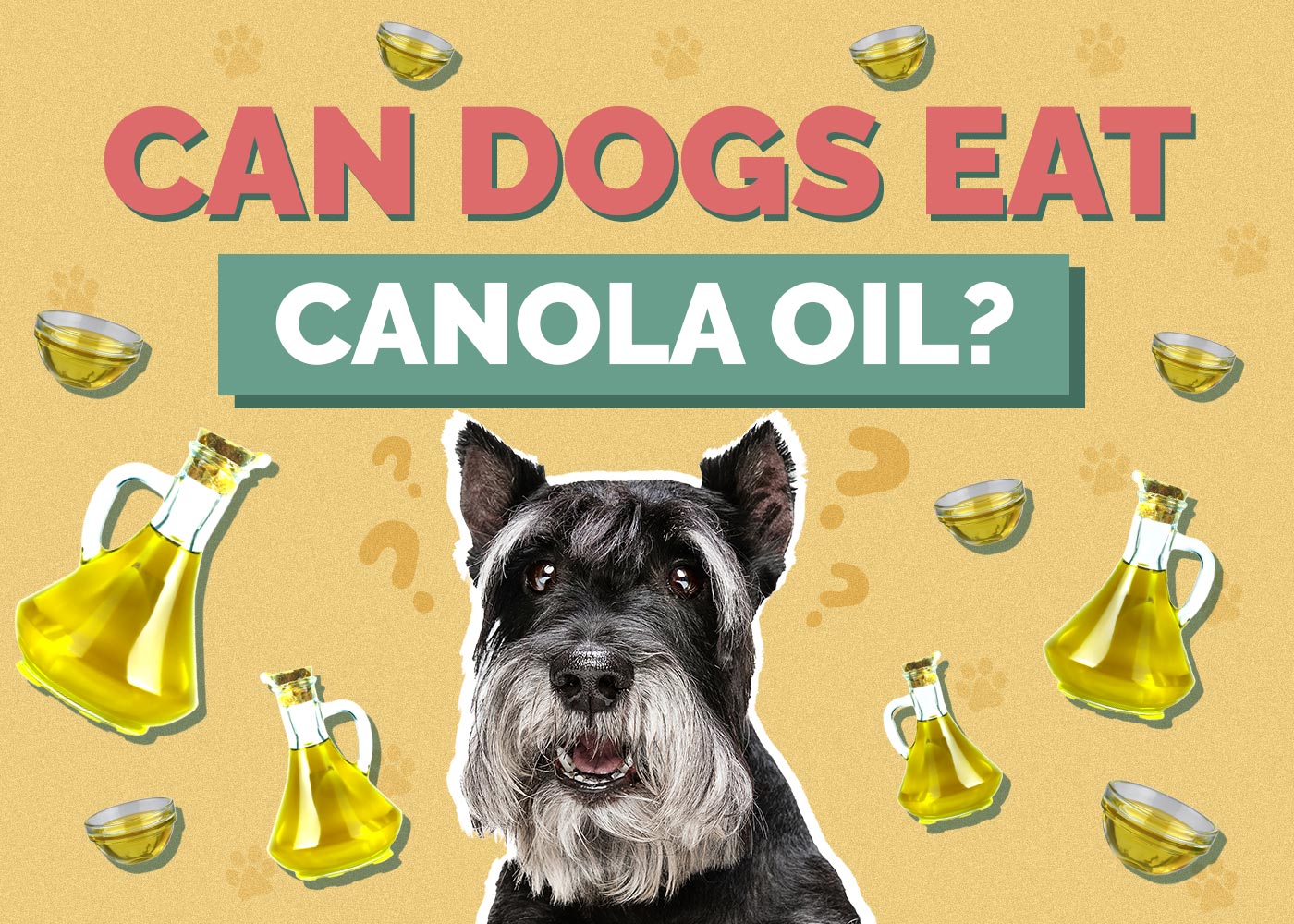
Canola oil is a controversial ingredient in dog food. Many assert that it is a safe, healthy oil, while others insist it should be avoided altogether. While canola oil is not toxic or dangerous for your dog, there are some pros and cons that you should be aware of before feeding it to your dog. Dogs can safely eat dog food with canola oil, but there are alternatives if you prefer to avoid it.

What is Canola Oil?
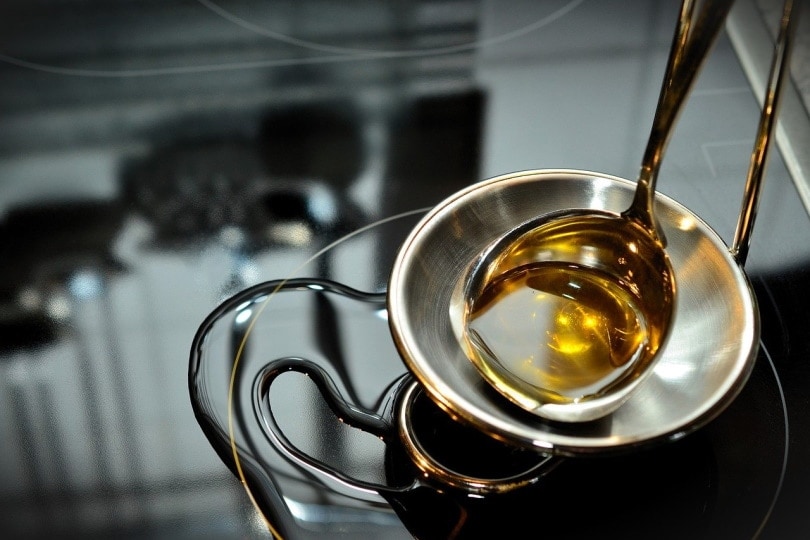
Canola oil is a food grade vegetable oil, made from the pressed seeds of rapeseed. Canola oil, under government regulation, can only contain a maximum of 2% erucic acid and is derived from rapeseed cultivars specifically bred for low erucic acid content. Erucic acid is known to have adverse health effects in high amounts. Canola oil has been approved as safe by the Food and Drug Administration (FDA) for human consumption.1
Pros and Cons of Canola Oil
Canola oil is also safe and non toxic for dogs. It is usually included to boost the fat levels in dog food recipes, including some commercial brands. It contains a beneficial source of the essential omega-6 fatty acid linoleic acid and can be used as part of a balanced diet. It also contains alpha-linolenic acid, an omega-3 fatty acid but, as we’ll explain below, fish oils are better sources of omega-3 fatty acids for dogs. Canola oil also contains vitamins E and K.
Much of the controversy surrounding its use stems from the fact it is more highly processed than many other types of oil, and more likely to come from genetically modified crops. Critics argue there are better choices of fat sources to include in a dog’s diet.

Importance of Fat in Your Dog’s Diet
While fats and oils tend to have a bad reputation, they are a vital part of a healthy dog’s meal. Feeding your dog an appropriate amount of this nutrient for their size, life stage, and health status is important for many reasons.
In your dog's diet, fats are:
Fats are also required for important functions within the body, such as:
Fatty Acids
All fats are not the same as they are made up of different fatty acids. Certain fatty acids are essential for dogs, and so they must get them from their food. The fatty acid linoleic acid, an omega-6 fatty acid, is essential for all animals. Canola oil is a good source of linoleic acid.
Other fatty acids that are considered essential for most animals are alpha-linolenic acid (ALA) and/or eicosapentaenoic acid (EPA) and docosahexaenoic acid (DHA), all of which are omega 3 fatty acids. EPA and DHA have more health benefits to dogs than ALA which is the omega-3 that canola oil. Dogs can convert ALA into DHA and EPA but it is not very efficient. Therefore to provide the most helpful omega-3 fatty acids to your dog, you should use fish oil rather than plant based omega-3 fatty acid sources.
Dogs need the right balance of omega-6 and omega-3 in their diet to support the body’s natural defenses, and digestive health and they play a role in cell growth. They have specific benefits in maintaining healthy skin, reducing inflammation, and promoting healthy development of the nervous system and eyes.

Frequently Asked Questions (FAQ)
Ensuring that your dog is receiving an adequate amount of healthy fat in their diet can be challenging. For specific questions regarding your dog’s diet and care, it is recommended that you reach out to your vet. However, for general inquiries, look at some of these frequently asked questions regarding fat in your dog’s diet.
How Much Fat Should You Give Your Dog?
If your dog is being fed dog food labeled to meet the Association of American Feed Control Officials (AAFCO) nutritional guidelines, they receive a minimum of 5% crude fat. However, the required amount of fat will depend on their age, activity level and their health status.
For example, growing dogs, underweight dogs, pregnant or nursing dogs, and active dogs need higher-fat diets.
Other dogs can’t tolerate a higher fat diet. Dogs that have had pancreatitis, gastrointestinal issues, or diabetes often need a lower fat diet.
To determine how much fat you should include in your dog’s diet, consult with your veterinarian.
Does Your Dog Need Fatty Acid Supplements?
As long as your dog consumes a vet-approved brand and does not suffer from health conditions, you do not need to provide supplements. Your vet may recommend omega fatty acid supplements if your dog suffers from inflammatory diseases, heart disease, cancer, or skin conditions.
Are There Alternatives to Canola Oil?
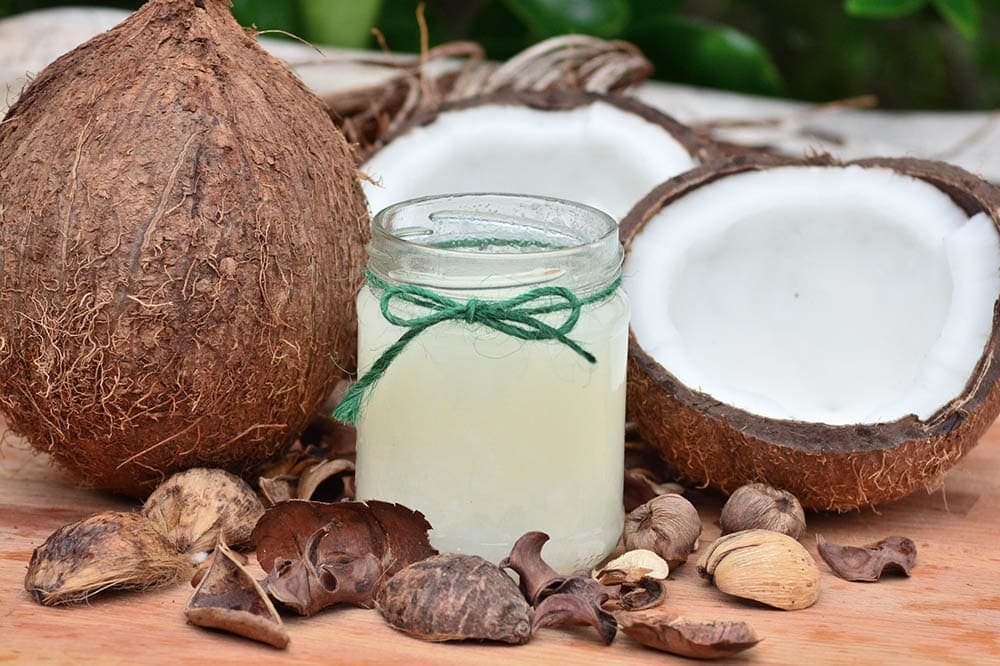
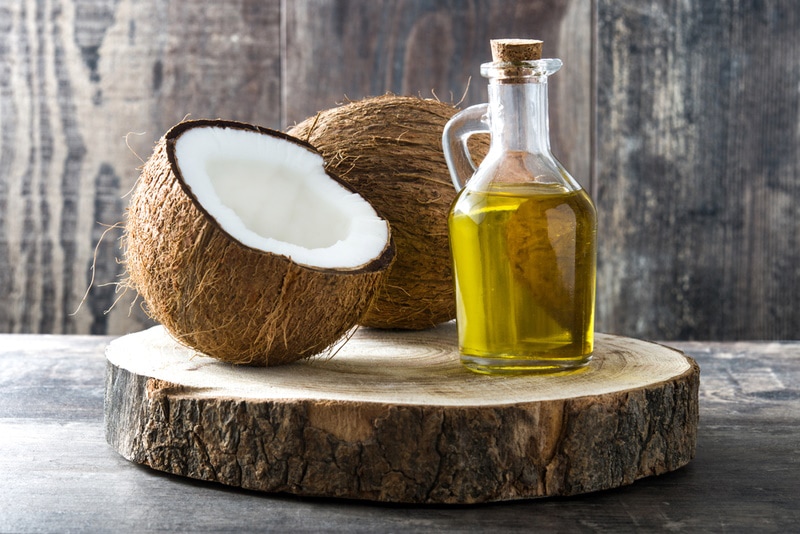
Canola oil is not toxic for your dog, and it includes healthy fats that are essential to your pet’s health. There are alternatives, for example, both corn oil and chicken fat contain more linoleic acid than canola oil, while it's worth noting that coconut oil and olive oil are poor sources of this essential fatty acid. Many commercial dog foods don’t contain canola oil.
The most important thing is that your dog’s diet is balanced with the right overall amount of nutrients including fat, and the correct ratio of omega-3 to omega-6 fatty acids. If you are giving your dog a homemade diet, we always recommend that you consult with a veterinary nutritionist to get the right diet plan to keep your dog healthy.
Final Thoughts
Canola oil is safe for your dog, but there are alternatives both in commercial dog foods and if making your dog’s food yourself. Healthy fats are an important part of your dog’s diet, so ensure your pet is not missing out on essential nutrients. To ensure that your dog is receiving an adequate amount of fat in their diet, reach out to your vet for a consultation.
Featured Image Credit: New Africa, Shutterstock
Get Hepper In Your Inbox


Pet care tips from our vets and experts, straight to your inbox.
You may opt-out at any time. View our Privacy Policy for more information.
Pets are Jordyn’s passion, cats especially. Whenever she has the opportunity, she loves to learn about them and share her knowledge with everyone. She is devoted to her tabby cat named Jack and works hard to buy him his favorite treats and toys. Discovering new ways to better care for her pet is always on her to-do list, and she is eager to help pet parents everywhere who have similar pursuits. In her spare time, she loves to read, write, and take long walks. She has a creative spirit, which often helps her to come up with funny cat names.
Join the conversation
Ask a question, share your story, or send private feedback.