Hepper is reader-supported. When you buy via links on our site, we may earn an affiliate commission at no cost to you. Learn more.
What Is Crude Fat in Dog Food? Is It Needed?


Deciphering the crazy world of dog food is tricky enough without complicated and strange terms being thrown at you. When words like “crude fat” are suddenly added to the equation, it can feel like you have been confronted with an entirely new mountain to climb. Nutrition science has a language and definitions all of its own.
Thankfully, when it comes down to it, crude fat is not all that complicated. With this article, we will explain what crude fat is as well as its importance to your dog’s diet.
The short answer is that crude fat is the level of fat content in a given type of dog food. Keep reading for more!

What is Crude Fat?
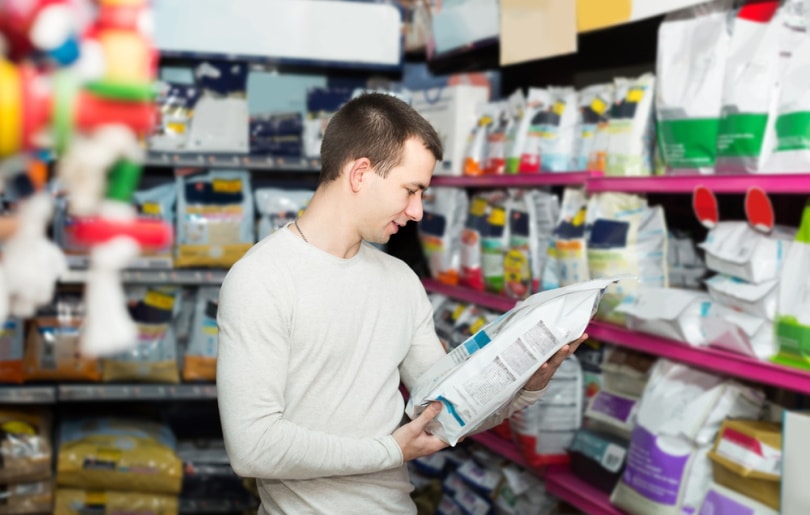
On a dog’s food label, you’ll see crude protein, crude fiber, and crude fat. The term “crude” is a method of measurement and not a comment on quality. Crude fat is expressed as a percentage by weight of the food. Essentially, crude fat is the level of fat content you can expect in any dog food formula. If the crude fat is 25%, then a quarter of the food is made up of fat.
More specifically, crude fat is the amount of fat content in a dog food formula before the metabolization of the food. The number is determined by dissolving the ingredients and examining what is left over.
Limitations of Crude Fat Percentages
This is where things can get a bit technical. While the percentages are a useful tool to help see which nutrients make up the contents of each dog food formula, they do not express the quality of the nutrients. For instance, just because a brand of dog food can boast that it contains a crude protein minimum of 25% does not mean that the nutrients from that protein are supplied from the healthiest sources.
It also does not help with comparing different food formulations as it is a percentage by weight and different foods will have different amounts of water. So to compare like with like you will need to convert crude fat to dry matter content. A kibble food with 11.5% crude fat and 10% moisture will have 12.7% fat by dry matter, DM. A tinned food with seemingly less fat 1.9% crude fat and 86% moisture has 13.6% fat by dry matter.
Crude fat does not give you an idea of how many of the calories in the food are derived from the fat vs the other ingredients. For this, we need to know the ash content of the food and can use a converter to work out the metabolizable energy. If you are trying to help your dog lose weight or gain weight, knowing where the calories are coming from is useful.
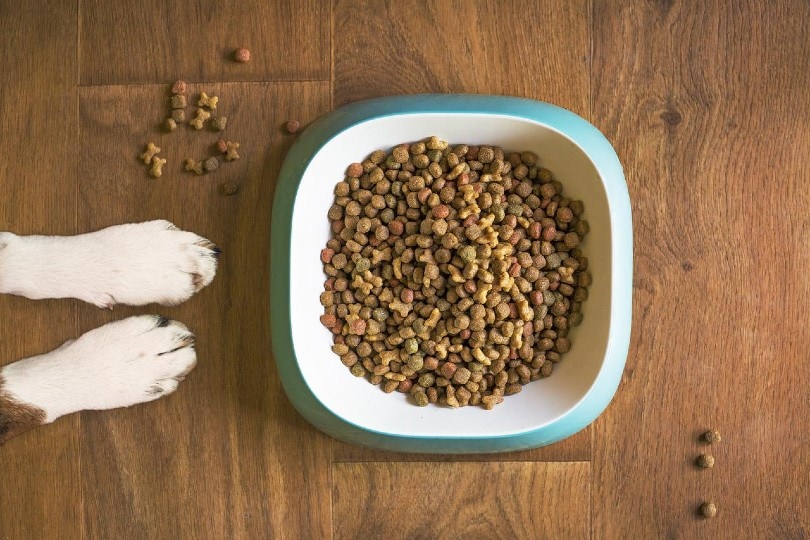

Is it Needed? Is Fat Healthy for My Dog?
Crude fat may sound like an unappetizing concept, but the truth is fat is important to a healthy dog’s diet.
Fats are a vital source of energy for dogs. They provide more than double the energy that carbohydrates and even proteins can, and they are critical to the absorption of several vitamins, such as vitamin A, vitamin E, and vitamin D.
Likewise, fats are critical to the healthy formation and function of several body parts. For instance, fat is essential to healthy muscles, tissues, nerves, cells, and the brain. It keeps your dog’s coat shiny and is important to reproductive health.
Not to mention, fats taste and smell good to your pup, enticing your dog to eat! Fats allow dog food to have structure and texture. All in all, fats are imperative to the diet of a healthy pup.
What Will Happen if My Dog Does Not Get Enough Fat?
Since fat is such an important part of a dog’s health, it is only natural that there would be consequences to a diet lacking in fat.
If your dog is not getting enough fat, it can develop some health issues. The skin can become dry and itchy, and your dog’s coat can grow dull and unhealthy.
Your dog can also suffer from complications such as a weak immune system and heart disease. Therefore, ensuring that your dog is getting the proper amounts of fat in their meals is essential. Without fat, your dog’s health will fall into decline. However, balance is key. The amount of fat needs to be in proportion to the other nutrients in the diet.
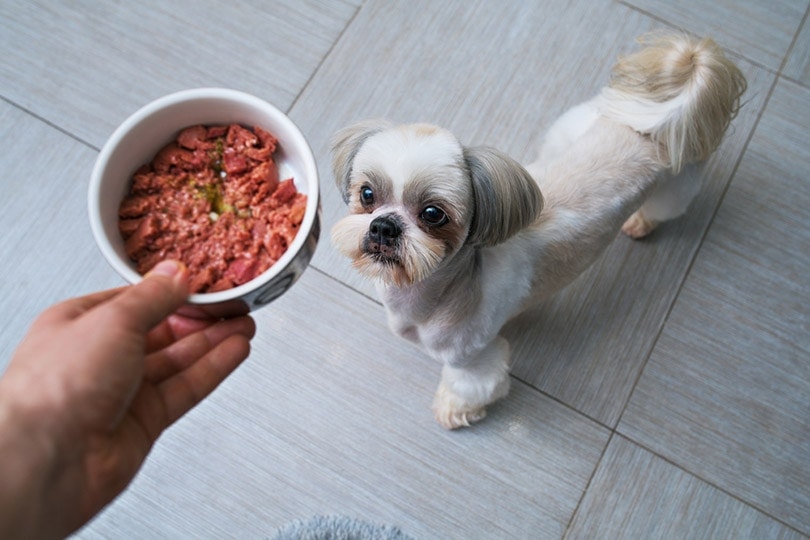
Examples of Good Fats
What are the best, healthiest fats out there?
Look for omega-3 fatty acids. They are essential for your pup’s diet, and you can find them in fish oils, flaxseed, and canola oils.
Omega-6 fatty acids are great, too. They are sourced from chicken fat, pork fat, safflower oil, sunflower oil, corn, and soybean oil.
Examples of Bad Fats
Just because fats are important does not mean that all of them are healthy. Which fats should you avoid feeding to your dog?
Avoiding lower-quality ingredients is a good way to steer clear of bad fats. Examples of some of the bad fats are lard or tallow. By sticking to healthy omega-fatty acids, your pup will get the fat content it needs—in the right way.

Conclusion
Next time you look at crude fat content, consider the source of the fat. Is it from a healthy, omega fatty acid source? Or is it from a cheap, poor-quality ingredient? This will help you to decide whether the dog food you are feeding your pup is the best for her health. We hope this article has been helpful and allows you to make more informed decisions about your dog’s health!
Sources
Featured Image Credit: BearFotos, Shutterstock
Get Hepper In Your Inbox


Pet care tips from our vets and experts, straight to your inbox.
You may opt-out at any time. View our Privacy Policy for more information.
Oliver (Ollie) Jones is a zoologist turned freelance animal writer living in South Australia with his partner Alex and their mini zoo consisting of many aquatic creatures, dog Pepper, and of course, cat Steve. Ollie is originally from the USA and holds a Master's degree in wildlife biology. He hopes to share his feline knowledge and expertise with people so they can share in his passion and help their cats live their best lives.
Join the conversation
Ask a question, share your story, or send private feedback.