Hepper is reader-supported. When you buy via links on our site, we may earn an affiliate commission at no cost to you. Learn more.
Can Cats Eat Cottage Cheese? Vet Approved Facts & FAQ


In this article
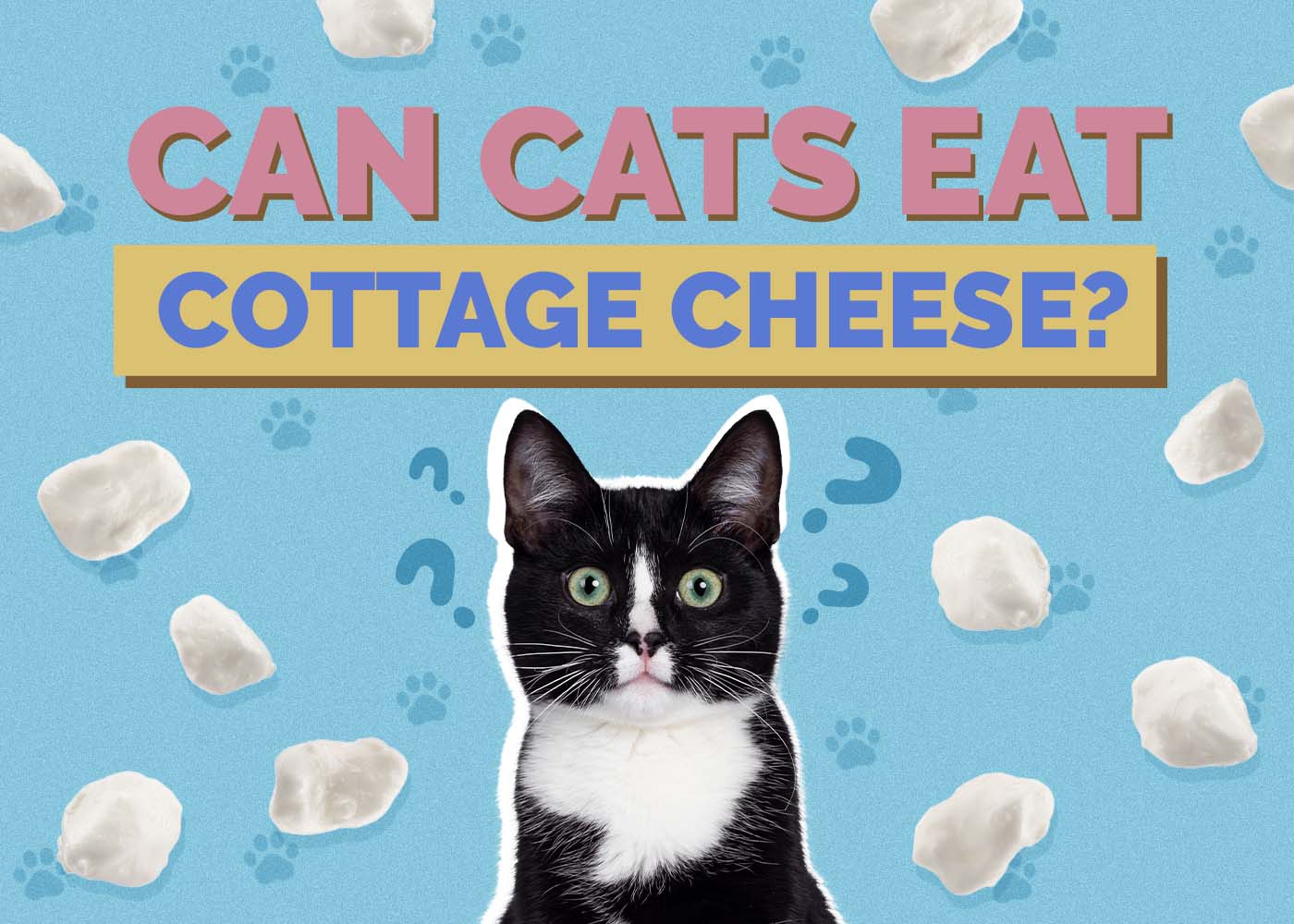
Even the fussiest of feline eaters will usually be drawn to a bit of cheese, including cottage cheese—a creamy curd often used as a topping or dip. Most cats enjoy eating cottage cheese and find the taste irresistible. Cottage cheese can be a good source of protein and essential minerals, but it’s not something we should be adding to a cat's regular menu.
So, what types of cottage cheese can cats eat and is it beneficial to their diet? This article will tell you everything you need to know.

Is Cottage Cheese Safe for Cats to Eat?
Cats can safely consume plain cottage cheese in small amounts occasionally; it is one of the lowest lactose, lowest calorie cheese options. However, you should avoid feeding any flavored or seasoned cottage cheese to cats because it can be unsafe.
Cats should not be eating processed human foods with artificial preservatives, additives, and flavors meant for humans. Chili, pepper, onion, and chive-flavored cottage cheeses are not safe for cats to eat; they are usually too spicy, salty, or have no place in a healthy cat's diet.
Common ingredients such as onions and chives are toxic to cats, and commonly found in store-bought cottage cheeses. These additions might make the cottage cheese tastier for us, but it also makes it unsafe for your cat.
Is Cottage Cheese Healthy for Cats?
Cottage cheese is generally made from mostly milk and cream, with additives like salt, sugar, sodium benzoate, soybean oil, and flavorings accounting for a small percentage of the ingredients. Although most of the ingredients in plain cottage cheese are not healthy for cats, they aren’t exactly harmful.
However, that doesn’t mean plain cottage cheese offers no nutritional benefits for cats. Cottage cheese is high in protein and a good source of amino acids and essential minerals such as calcium and iron. This creamy curd is also rich in vitamins B2, B6, and B12 which cats need for certain bodily functions.
Cottage cheese is intended for human consumption, so it isn’t the best source of nutrition for cats who are obligate carnivores. Instead of cottage cheese, cats should be getting most of their daily nutrients from an animal-based diet high in protein. A healthy diet for cats will not contain much dairy since most cats are lactose intolerant.
A Note on Cats Being Lactose Intolerant
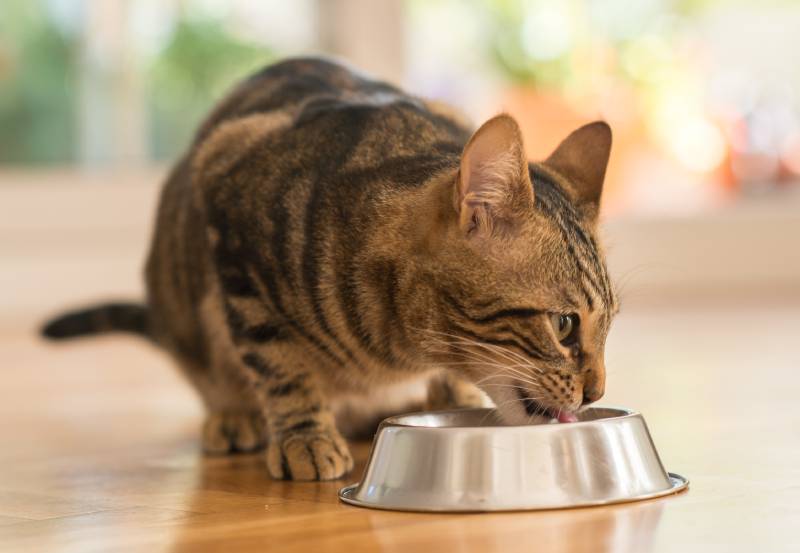
As delicious as cottage cheese might taste to your cat, it isn’t always easy on their digestive system. Cats usually lose the necessary digestive enzymes to digest lactose found in dairy-based foods as they mature. Cottage cheese is typically made from cow's milk unless it is made from vegan or dairy-free alternative ingredients. If your cat eats too much cottage cheese or other dairy-based foods, they might experience some uncomfortable digestive issues. Those issues include abdominal pain, vomiting, or diarrhea. Some cats are more sensitive to lactose than others and may show signs of lactose intolerance with only a few licks of cottage cheese.
Feeding Guidelines and Preparation
Cats can have a few licks of plain cottage cheese, provided it doesn’t contain any of the harmful ingredients we’ve talked about. Most adult cats should have no more than half a teaspoon of cottage cheese once or twice a week. Some veterinarians may recommend using cottage cheese to hide medications that your cat wouldn’t take on their own, but be sure to check with your own vet before using this neat little trick.
Avoid feeding cats cottage cheese that contains the following potentially harmful or toxic ingredients:
- Garlic
- Sodium benzoate
- Artificial colors
- Artificial flavors
- Chives
- Chili spices
- Onions
As with most foods that you feed to your cat, be sure to check the label first. Human foods may contain ingredients that are safe for us to eat, but can be harmful to your cat, even in small quantities.

Conclusion
Cats can enjoy plain and unsalted cottage cheese as an occasional treat. The type of cottage cheese you feed to them needs to be free from harmful ingredients that can put your health at risk. Even though your cat might enjoy eating cottage cheese, it shouldn’t form a large portion of their diet.
Cottage cheese does contain some valuable nutrients, but cats should be getting those nutrients from a species-appropriate diet, so they don’t need to eat cottage cheese to get them. Since adult cats are usually lactose intolerant, cottage cheese may cause your cat to experience some digestive issues, so exercise caution when offering it to your kitty for the first time.
See Also:
Sources
Featured Image Credit: Lazartivan, Shutterstock
Get Hepper In Your Inbox


Pet care tips from our vets and experts, straight to your inbox.
You may opt-out at any time. View our Privacy Policy for more information.
Sarah is residing in South Africa with her partner and pets. She currently is interested in veterinary science and ichthyology, which she wants to study alongside her main passion: pet content writing. Sarah has over 60 fish including goldfish, tropicals, shrimp, and snails. She also keeps hamsters and a tarantula and wishes to provide quality content for readers and allow others to learn from her knowledge and experience. Sarah has much experience in all aspects of pet care, and providing the world with knowledge on ethical pet ownership is her lifelong dream.
Join the conversation
Ask a question, share your story, or send private feedback.