Hepper is reader-supported. When you buy via links on our site, we may earn an affiliate commission at no cost to you. Learn more.
Can Dogs Eat Ginger Snaps? Vet-Reviewed Benefits & Risks



In this article
As the holiday seasons approach, many of us turn with glee toward our kitchens. We get ready to make the traditional meals and goodies, including ginger snaps. Ginger snaps combine spicy and sweet flavor profiles delectably. They are typically a harder cookie that crunches when you chew and doesn’t usually have frosting on it.
Regarding cookies, it sounds like a pretty healthy treat! But what about your dog? If you sneak another cookie and they catch you, is it wise to bribe them with one of their own? In short, no, dogs should not be eating ginger snaps.
In this article, we look into this and explain the ginger snap cookie’s primary ingredients and why they aren’t the healthiest treat option for your dog.

Can Dogs Eat Ginger Snaps?
Dogs should not eat ginger snaps, but they are also not toxic to them if they do get a bite or sneak into the cookie jar.
The fact of the matter is that these little cookies are deceiving. Ginger is safe for dogs when offered in small amounts according to your vet’s advice. However, the amount of ginger in a ginger snap is disparagingly low, and often, it is not real ginger but a more robust flavor substitute.
The other ingredients in a ginger snap made for humans are not always good or appropriate for your dog. Many dogs will have a few ginger snaps without experiencing any harmful effects, but some may develop signs of a stomach upset if they eat too many.

Ginger and Its Potential Benefits for Dogs
There are limited studies on the benefits and uses of ginger in veterinary medicine, and many of its presumed benefits remain anecdotal.1 Ginger has been used to help with nausea and vomiting, largely depending on the cause. It has known anti-inflammatory and antioxidant properties, while some studies looked into potential benefits of using ginger for treatment and prevention of some types of gastrointestinal cancers in people. However, more evidence and controlled studies are required in order to establish the efficacy, potential uses, and safety of using ginger in veterinary medicine.
Consult with your veterinarian if you believe your dog may benefit from ginger, particularly as a support for the healthy digestive tract and function and for its antioxidant properties. It is a root vegetable that has been used to help both humans and canines feel better if they get car sick.
There are many potential benefits of ginger but also precautions and possible risks that should be discussed with a vet before you consider any ginger supplements for your pooch. Most of these supplements are not regulated by the FDA, which means their efficacy and safety has not been proven.
Little is known about the possible risks associated with taking such supplementation, and they shouldn’t be used in dogs that are known to be allergic to it, are taking certain medications, or that have a bleeding disorder. Vets caution against using it in dogs with gallbladder issues and pregnant or nursing animals, as there is no data about safety in these circumstances.
The Rest of the Ingredients and Potential Concerns
Now that you are well aware of some of the possible and anecdotal benefits that ginger can have for your dog when given according to veterinary advice, you should know that the rest of the ingredients ruin ginger snaps for your pup.
Sugar

Sugar is one of the ingredients in ginger snaps and is not toxic to dogs. Dogs ingest carbs through their complete and balanced diets. However, excess of any empty calories, such as ginger snaps and other treats, particularly human food, may over time lead to weight gain and obesity. This, in turn, predisposes dogs to several health issues.
Artificial Sweeteners
Some might think that instead of using sugar, alternatives like xylitol, which is a common artificial sweetener, may be more appropriate, extrapolating info from human nutrition. This cannot be more wrong, as xylitol is actually very toxic to dogs and will do much more harm to them than typical white sugar.
Do not give your dog anything that includes xylitol. If you think your dog has eaten any products containing xylitol, it’s imperative to contact your vet immediately, as it can lead to signs of toxicity, which exhibit as low blood sugar, weakness, lack of coordination, seizures, liver damage, and coma. These signs can be life threatening.
Flour
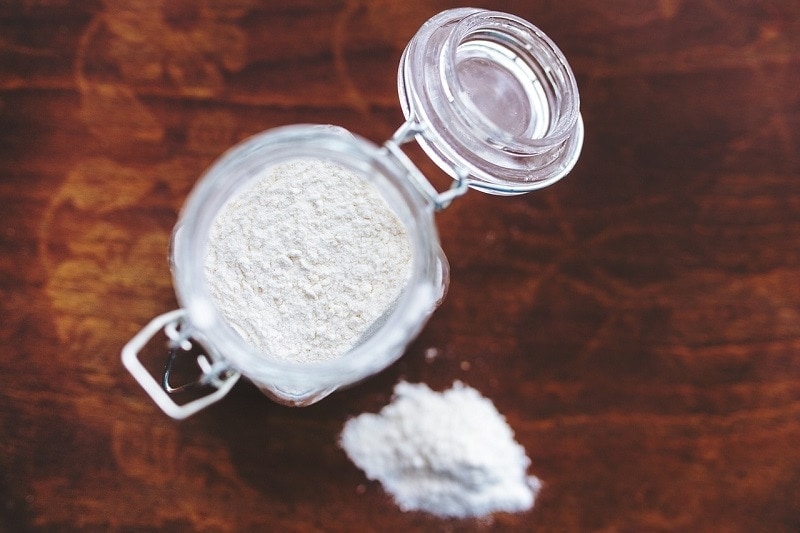
Although flour is not too problematic of an ingredient, it’s empty calories, and excess may cause a stomach upset in some dogs. Common food allergens in dogs are proteins, such as dairy, beef, chicken, soy, and wheat. Dogs with allergies to wheat may experience skin irritation and itchiness or gastrointestinal signs if they eat ginger snaps cookies.
Shortening or Lard
Another primary ingredient in a ginger snap cookie is shortening or lard. These are butter alternatives, made from vegetable oil or animal fat.
Neither shortening or lard is toxic to dogs, but in large amounts, it is likely to cause vomiting and diarrhea. They do not benefit your pooch in the slightest.
Alternatives to Ginger Snaps
There are many options when it comes to dog treats today. There are snacks based on beef, chicken, lamb, fish, that come in all shapes and sizes and can be used for training and rewards, or even chews to break up the day.
Check out our post on homemade treat recipes if you are skilled in the kitchen, although in all honesty, all of these are pretty easy to make for most people, and your dog will be thrilled.
In Summary
While ginger snaps are not toxic for dogs to eat, it is best to avoid giving them more than a small bite. The most problematic ingredient is xylitol, which is toxic for dogs. Making your own treats or buying canine appropriate and safe commercial ones is a great way to provide your dog with a healthier treat than a typical ginger snap. That way, each member of your family can celebrate the holidays in every way.
Sources
Effects of a ginger extract on knee pain in patients with osteoarthritis
The Amazing and Mighty Ginger - Herbal Medicine - NCBI Bookshelf
Antiemetic efficacy of ginger (Zingiber officinale) against cisplatin-induced emesis in dogs
Ginger and Its Constituents: Role in Prevention and Treatment of Gastrointestinal Cancer - PMC
Get Hepper In Your Inbox


Pet care tips from our vets and experts, straight to your inbox.
You may opt-out at any time. View our Privacy Policy for more information.
Nicole is a lover of animals of all sizes but is especially fascinated with the feline variety. She’s the proud mom of Baby, a Burmese, and works every day so he can relax in the sunshine or by the fire. She’s always had a cat in her home and has spent countless days with others, observing behaviors and softening up even the grouchiest of the lot. Nicole wants to share her kitty expertise with you so you and your cat can live happy, healthy, and care-free.
Join the conversation
Ask a question, share your story, or send private feedback.