Hepper is reader-supported. When you buy via links on our site, we may earn an affiliate commission at no cost to you. Learn more.
Can Dogs Eat Hibiscus? Vet-Approved Facts



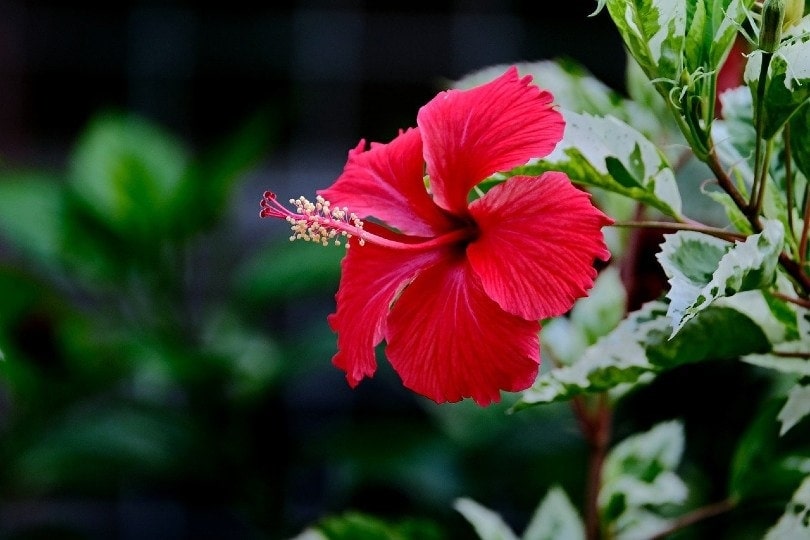
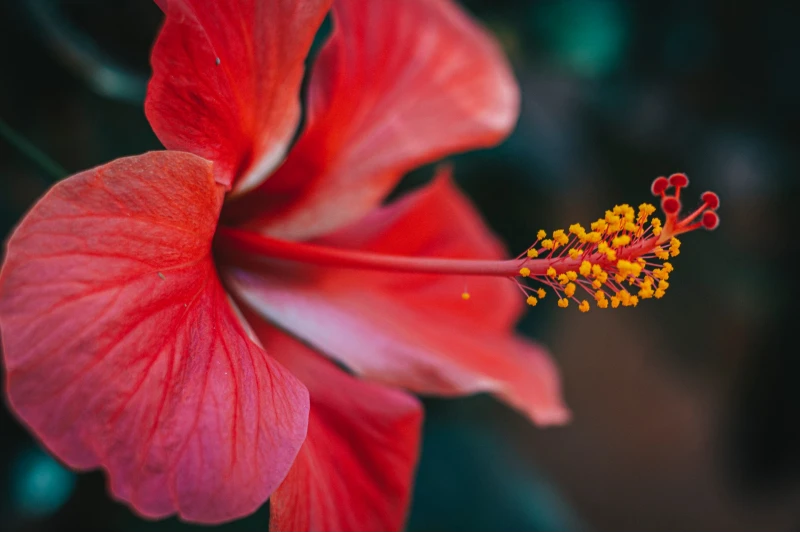
Hibiscuses are beautiful flowers that instantly conjure up images of warm, tropical climates. These stunning flowers are part of a genus consisting of over several hundred species known for their large, showy flowers. While they're stunning to look at, are these plants safe to have in your home if you have dogs?
The answer isn’t cut and dry. Most types of hibiscus are non-toxic, while some varieties are possibly harmful to your canine family members.
If your dog has eaten part of your hibiscus plant, you'll want to contact your vet for further instructions. Keep reading to learn more about these beautiful plants and the dangers they could pose for your pets.

Are Hibiscus Plants Poisonous to Dogs?
While most plants in the hibiscus family are non-toxic for dogs, a handful could be harmful if ingested.
There are mixed opinions on the toxicity of hibiscus in the available literature. The Rose of Sharon (Hibiscus syriacus) is a flowering shrub in the Hibiscus family. Its blooms resemble hollyhock blossoms. According to the Humane Society of Charlotte,1 this plant can be moderately toxic to both dogs and cats. It's important to note here that the ASPCA2 and Petpoisonhelpline say this plant is non-toxic,3 but anecdotally some pet owners report that their dogs experienced gastrointestinal upset after eating it.
Hibiscus plants do contain triterpenoids which are compounds that can exert effects on the body. We could not find studies into the toxicity of hibiscus plants in dogs. There is, however, information to show that it can be toxic in mice if eaten in large amounts over a prolonged period.4
What Do I Do If My Dog Ate Hibiscus?
If you know your dog has eaten one of your hibiscus plants, the best thing you can do is call your vet for further instructions. While there may be mostly non-toxic plants in the hibiscus family, it's always best to err on the side of caution when it comes to the health of your beloved fur baby.
Your vet may request you bring your dog in for an examination or that you monitor it at home for signs. If you do need to go to the office, bring a piece of the flower with you so your vet can identify whether it is one you need to worry about.
Your vet will perform a physical examination and may request blood work to rule out any other possible causes for the signs your dog is exhibiting. If your vet determines your dog has hibiscus poisoning, they'll want to begin treatment immediately. The next step will likely resemble other plant poisoning treatment options, including, IV fluids, medication, and observation.
What Could Make Hibiscus Plants Poisonous?
There are several chemical constituents in hibiscus plants that could account for the reported signs in some dogs. They do contain triterpenoid saponins which usually give plants a bitter taste, alkaloids, and tannins.

What Are the Possible Signs of Hibiscus Poisoning?
Unlike plants like the Wandering Jew, hibiscus plants will not cause contact dermatitis. This means your dog shouldn't exhibit any signs of illness after rubbing up on your hibiscus plants. However, if your pup eats the leaves, flower, or bulb of your plant, you may notice the following signs:

Final Thoughts
Hibiscus flowers are beautiful and add a lovely air of the tropics to your home or backyard garden, but the possibility that they can be dangerous if you have a pet can’t be ruled out. Most hibiscus plants are non-toxic, but when it comes to your pet's health, it's always best to be too cautious, than not cautious enough.
Since there are so many plants in the hibiscus family, the layperson can't know which are potentially toxic and which aren't. This is why we recommend that you treat all of them as if they're potentially poisonous. Keeping the plant far out of your dog's reach is the only way to ensure your pup won't suffer any painful side effects of hibiscus poisoning.
Featured Photo Credit: zjuzjaka, Shutterstock
Get Hepper In Your Inbox


Pet care tips from our vets and experts, straight to your inbox.
You may opt-out at any time. View our Privacy Policy for more information.
Chantelle's life revolves around two passions: writing and animals. Raised on the prairies of Canada amidst a menagerie of pets, she now lives with five cats, two guinea pigs, and a bearded dragon. Together with her husband and child, Chantelle delights in being an exemplary animal parent, going as far as installing wall-mounted cat shelves to give their cats an indoor playground. When she's not cozying up with her cats or snapping their amusing antics, she enjoys venturing into the Rocky Mountains, binge-watching her favorite Netflix shows, and indulging in spontaneous reading adventures.
Join the conversation
Ask a question, share your story, or send private feedback.