Hepper is reader-supported. When you buy via links on our site, we may earn an affiliate commission at no cost to you. Learn more.
Can Dogs Eat Cactus? What The Science Says!



In this article
You may have a cactus or two growing in your garden or in planters around the house, and you also have a dog. If your dog were to try to eat the cacti raw, it could get an injury. The spines, paired with the juices from the cacti, can hurt your poor pup. The sap from some cacti has psychological effects on your dog, making them potentially hazardous.
Technically, it is not the skin of the cactus that’s dangerous, but there’s not much reason to feed your dog cactus skin as there are no health benefits. The most dangerous parts of the cactus are the spines and cactus sap, a milky substance within the flesh of the cactus. The spines could greatly injure your dog and require a vet visit for removal or treatment.
While generally safe, the sap from most cacti can upset your dog’s stomach. Some cacti are toxic to dogs, too, so it is generally best to keep them away for their safety.

What Should I Do If My Dog Eats Cacti?
If your dog eats a cactus, whether it’s toxic to dogs or not, you may need to take them to the vet. if they seem like they’re in pain, the spines could be stuck in their mouth, throat, or stomach. This can be dangerous for dogs and cause inflammation and more pain. Make sure to note what kind of cactus your dog consumed in case it’s toxic and will need additional treatment.
The biggest concern when your dog eats cacti is the spines. They can try to eat them or sometimes get poked when leaning close to investigate. Some dogs have had eye injuries doing this.
Use tweezers or some other tool to remove the spines from the dog’s mouth if you can safely do so. You will most likely need an extra pair of hands to hold the dog to ensure it doesn’t move and injure itself further. Once the spines are removed, there may be some bleeding. If the bleeding doesn’t stop in a few minutes, you will have to go to a vet.
What Can Vets Do If My Dog Eats Cactus?

Vets are specially trained in working with animals, and having a team of people to aid your furry friend will make everything go much, much smoother. Extra pairs of hands to hold your dog’s mouth open and take out the spines can help tremendously. They also have access to specialized tools for taking the spines out, which can be extremely helpful. Veterinarians are also able to perform sedation or anesthesia if this is required to get the thorns out safely. They are licensed to prescribe medications such as pain relief and antibiotics should these be necessary.
How Healthy Are Cacti?
Most cacti are dangerous for dogs to eat.
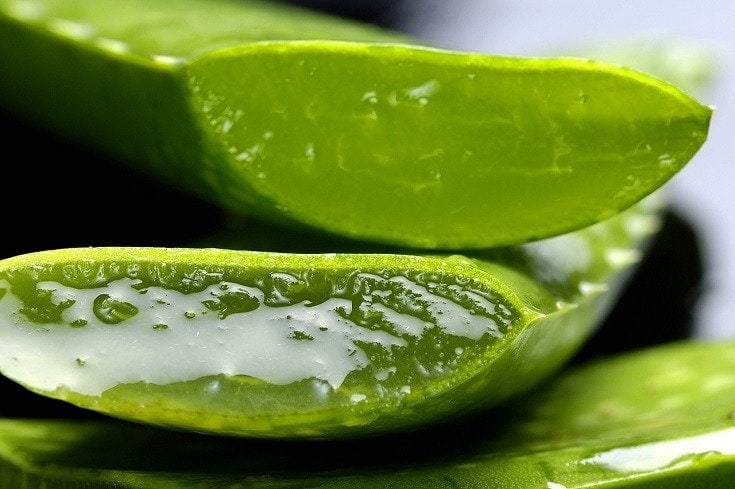
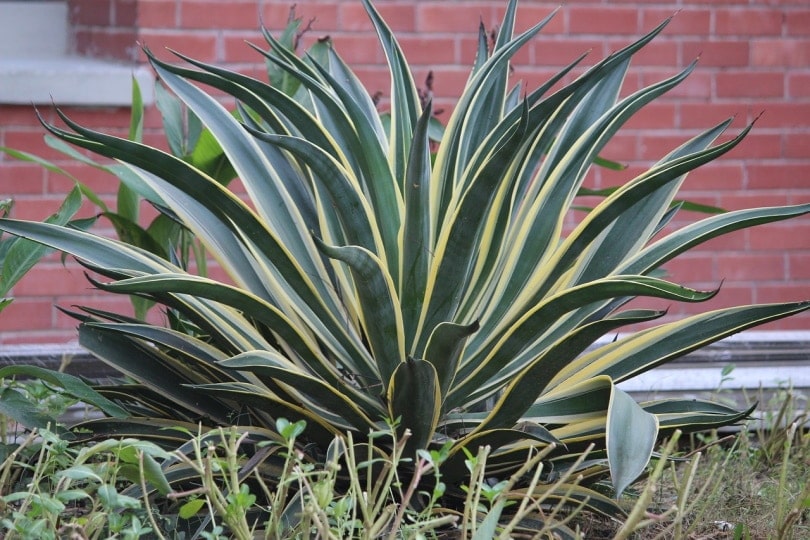
A few cacti known to be poisonous or dangerous to dogs and even humans:
All these toxic and dangerous cacti can cause injuries to your dog. Some have hallucinogenic effects if eaten and others cause nausea and vomiting, some have extremely sharp spines that are poisonous.
Most cacti are not poisonous, however since all cacti have spines/needles, it’s important that you keep any of the house plants or cacti in your garden away from your beloved furry friend. Their spines can be very dangerous and can cause injuries to your dog.

Conclusion
You should never try to feed cacti to your dog. Even if they’re the safe ones, and you’re pretty sure all the spines have been removed, it’s still best to keep the cacti out of your dog’s mouth. Keep any existing cacti in your household away from your dog, either high up on a shelf or somewhere else out of reach.
The milky substance in cacti can be dangerous for dogs and humans. Some are known for causing hallucinogenic effects, nausea, vomiting, convulsions, and even death. If you have cacti in your home, keep them away from your pets to avoid injuries, toxins, or upset stomachs.
Sources
Featured Photo Credit: MonikaP, Pixabay
Get Hepper In Your Inbox


Pet care tips from our vets and experts, straight to your inbox.
You may opt-out at any time. View our Privacy Policy for more information.
Kristin is passionate about helping pet parents create a fulfilling life with their pets by informing them on the latest scientific research and helping them choose the best products for their pets. She currently resides in Tennessee with four dogs, three cats, two fish, and a lizard, though she has dreams of owning chickens one-day!
Join the conversation
Ask a question, share your story, or send private feedback.