Hepper is reader-supported. When you buy via links on our site, we may earn an affiliate commission at no cost to you. Learn more.
Can Frogs See Color? Vet Approved Vision Facts & FAQ


In this article
In the animal kingdom, most vertebrates have two visual cells in their retinas: rods and cones. Rods allow a creature to visualize in dim lights and provide monochromatic information about objects in the visual fields, whereas cones function in well-lit conditions and are responsible for the perception of color.
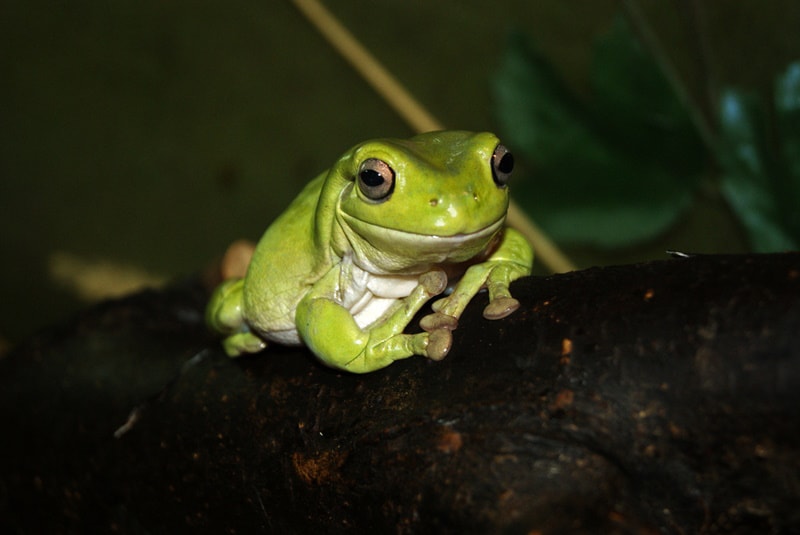
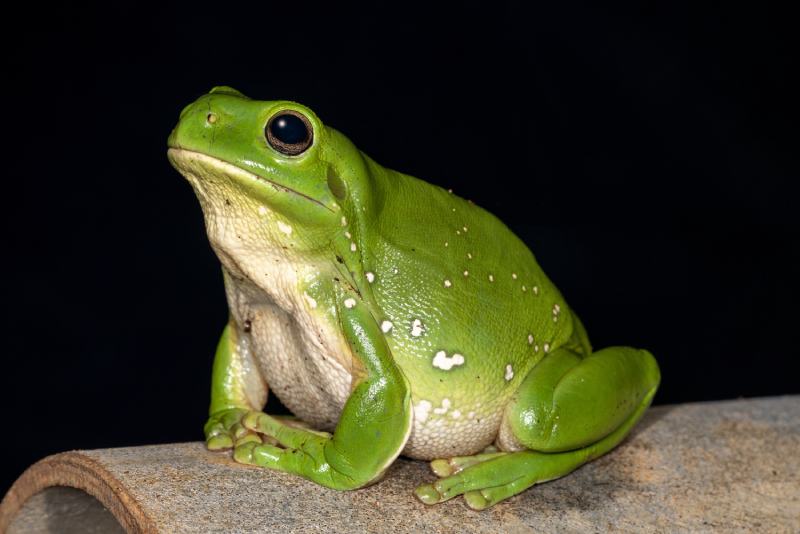
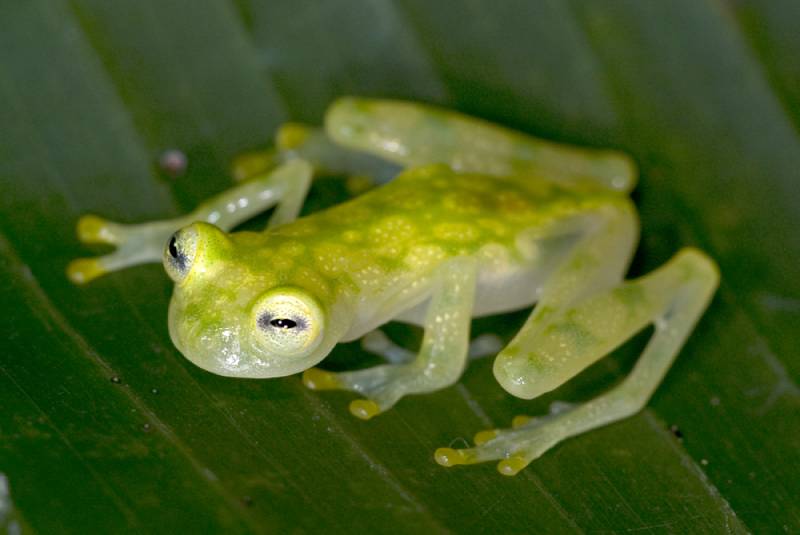
Frogs are vertebrates that can see color. While they have rods and cones like a human, their eyesight is believed to differ drastically from ours. Frogs, along with toads, have specialized rods and are thought to have the best night vision among almost all animals. To learn more about how frogs see the world, keep reading below.

Understanding the Structure and Capabilities of a Frog’s Eye
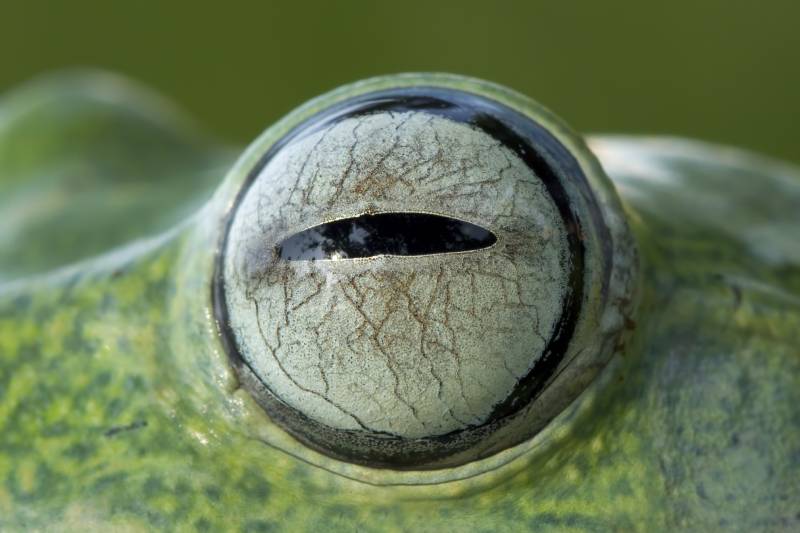
Frogs have unique eyes. In terms of structure, frogs have several that humans have, such as retinas, pupils, and lenses. However, they also have unique features that we do not. Frogs are unique in the animal kingdom in that they have two different types of rod cells in their eyes, which allows them to see exceptionally well in the dark - a frog can easily perceive color and objects in an environment that a human would perceive as pitch black.
In terms of capabilities, frogs and other amphibians have the ability to regenerate parts of their eye. If a frog begins to lose vision, they can recover damaged parts of their eyes to restore their sight. Scientists are working to understand the mechanisms that give frogs this ability so that this regenerative power can be used to aid human recovery.
Frogs Have Excellent Night Vision
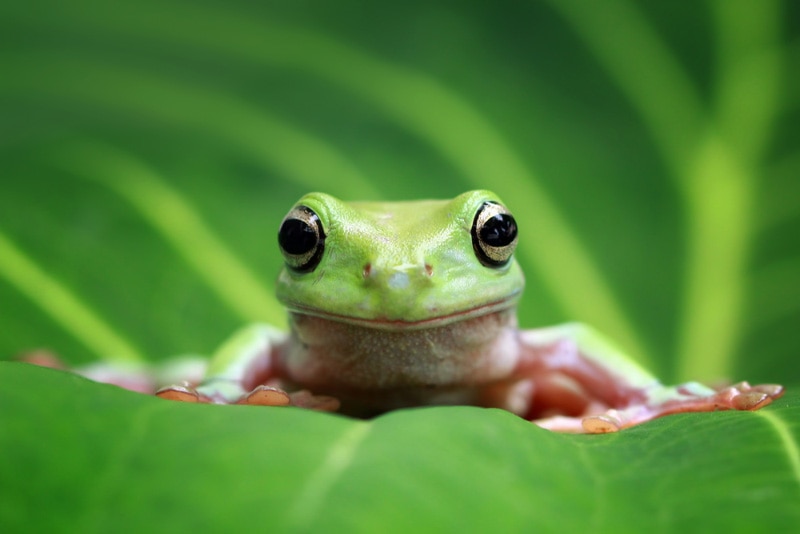
In addition to the incredible regenerative abilities a frog’s eye has, they can also see in the dark. When you consider that most frogs are nocturnal, it makes a lot of sense for them to have such excellent night vision. After all, how would they be able to live their day-to-day (or night-to-night) life if they can’t see?
Tapetum Lucidum
Another reason that frogs have such great sight in the dark is due to a structure known as the tapetum lucidum. The tapetum lucidum is a reflective structure not found in a human’s eye but in many animals’ eyes. If you’ve ever looked out into a dark forest and saw a pair of eyes shining back at you, it was an animal with tapetum lucidum in their eyes watching you.
Unique Rods
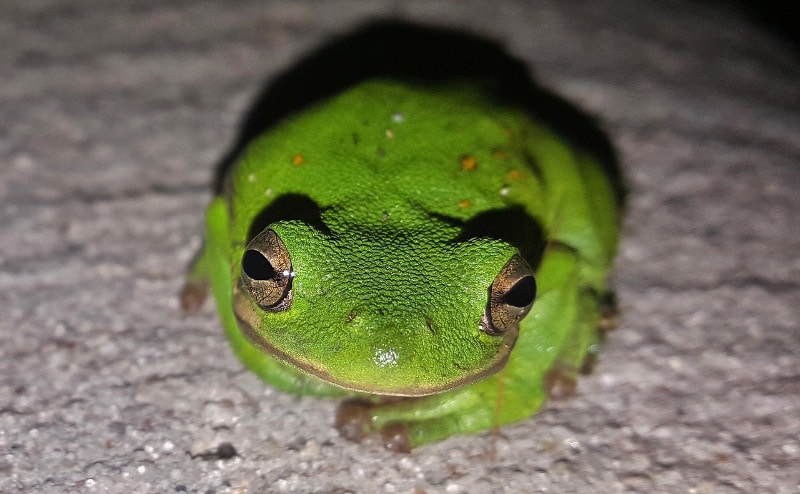
The tapetum lucidum isn’t the only reason frogs can see so well at night–their rods also deserve credit. A frog’s rod is fairly unique among other vertebrates, as they have rods with two sensitivities. This varied sensitivity allows them to see in near-total darkness. The acuteness of their night vision is so great that they can even distinguish color while in the dark.
The frog’s ability to discern between colors at night is believed to be vital. Distinguishing colors can help a frog navigate while in total darkness, which is a frequent occurrence. If a frog got lost in complete darkness each night, they would not locate prey and avoid predators as easily.
Frogs Have a Large Field of View… But Their Vision Isn’t the Best
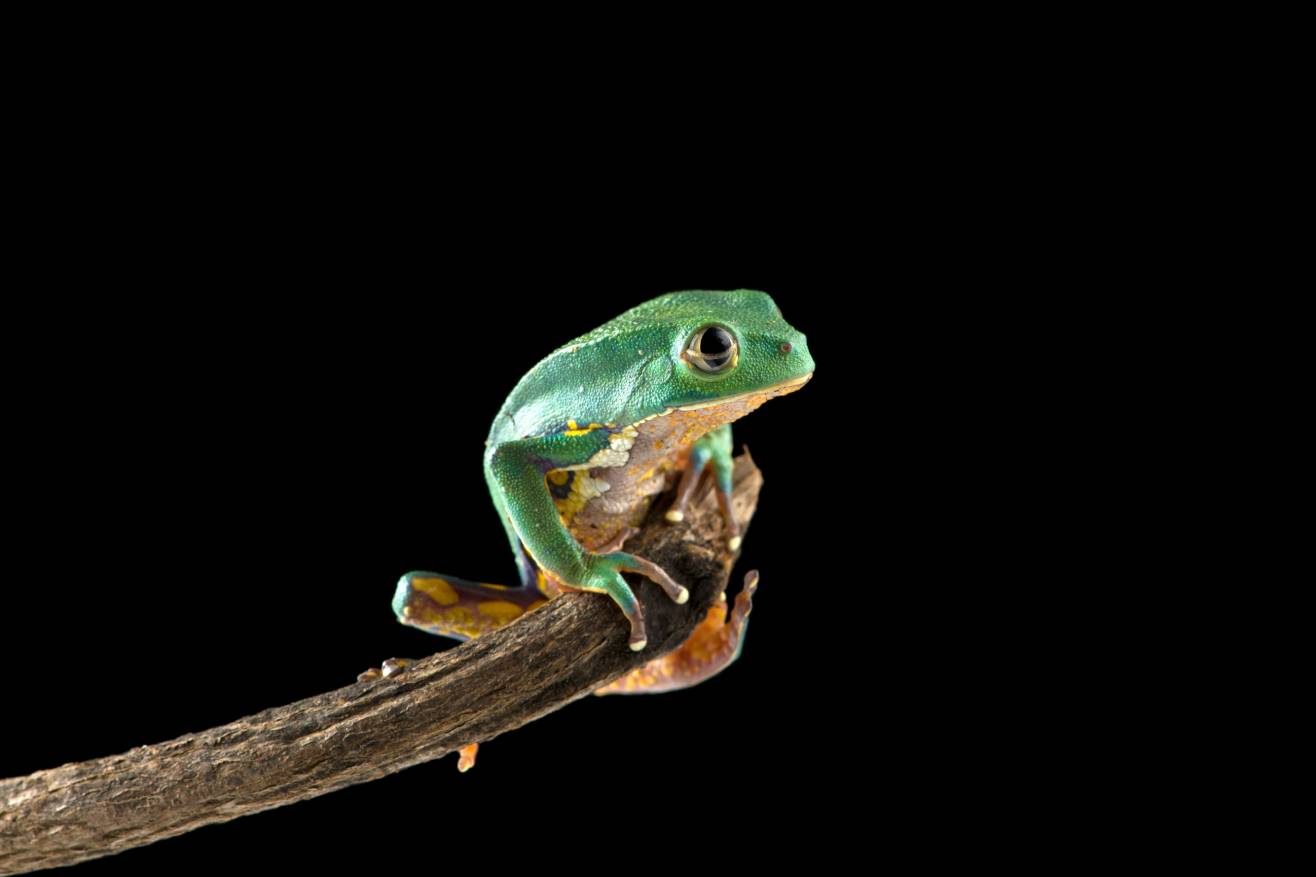
Compared to humans, frogs have a much larger field of view. This is because of the placement of their eyes, which are on top of the sides of their head. Frogs can see nearly 360° around themselves, and since they can’t turn their heads, a large field of view is the next best thing.
However, while frogs have excellent night vision and an incredible field of view, that doesn’t mean every feature of their eyesight is superior. When distinguishing objects or other creatures, frogs have a difficult time unless the subject of their attention is moving. In this way, the frog’s eyesight is comparatively crude, as they require motion to see things better. If a frog’s prey didn’t move, the frog could starve to death.

Frequently Asked Questions
Frogs are fascinating creatures. If you want to learn more about their remarkable eyes, take a look at the frequently asked questions below.
Do a Frog’s Eyes Serve Other Functions?
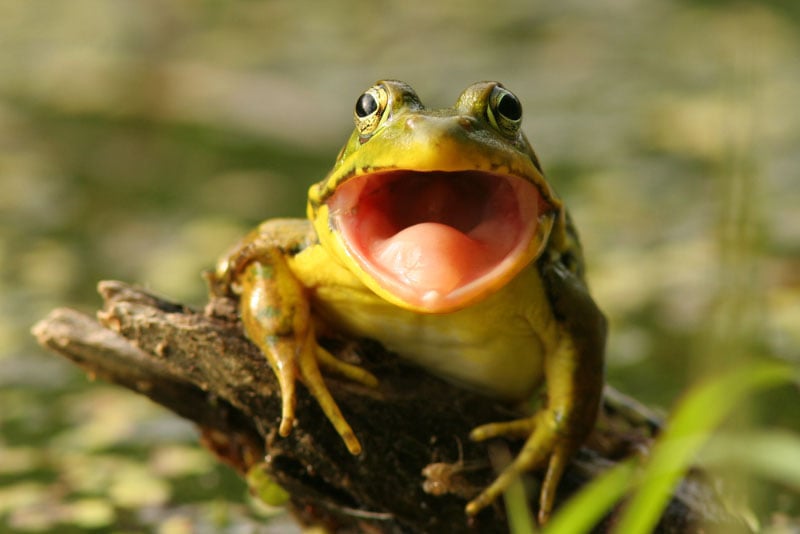
Most animals use their eyes for sight alone, but a frog’s eyes serve more than one purpose. In addition to providing a frog with a visual of their surroundings, the frog’s eyes also help them swallow their food.
As strange as it sounds, it’s true. When a frog catches their prey in their mouth, they need a little extra help swallowing it, and their eyes retract into their heads to push down on their prey. This presses their prey deeper into the frog’s throat so that they can swallow their meal whole.
Some frogs have glands behind their eyes that produce toxins whenever they feel threatened.
Why Is it Important For Frogs to See Color?
As mentioned, distinguishing colors can help frogs navigate their surroundings at night. For some species, the ability to see color heavily impacts their ability to mate. For example, the Strawberry Poison-Dart Frog (Dendrobates pumilio) uses color as a visual cue (along with other cues) to choose a mate.
Do a Frog’s Eyes Change During Metamorphosis?
Most frogs start life as tadpoles in the water and metamorphose into land-living frogs. When this occurs, the structure and shape of their eyes change. Notably, the lens morphs from spherical to somewhat flat. This is done to compensate for how light waves move through water versus air.
Conclusion
The abilities of a frog’s eye are incredible, ranging from regeneration to seeing color in the dark. While frogs have rods and cones like humans do, the function of the structures differs and causes them to see the world differently. The way that they see the world serves their needs in the wild and makes them stand out against several other vertebrates.
See Also: Can Frogs Hear? Vet Approved Facts & FAQ
Sources
Featured Photo Credit: Kurit afshen, Shutterstock
Get Hepper In Your Inbox


Pet care tips from our vets and experts, straight to your inbox.
You may opt-out at any time. View our Privacy Policy for more information.
Nicole is a lover of animals of all sizes but is especially fascinated with the feline variety. She’s the proud mom of Baby, a Burmese, and works every day so he can relax in the sunshine or by the fire. She’s always had a cat in her home and has spent countless days with others, observing behaviors and softening up even the grouchiest of the lot. Nicole wants to share her kitty expertise with you so you and your cat can live happy, healthy, and care-free.
Join the conversation
Ask a question, share your story, or send private feedback.