Hepper is reader-supported. When you buy via links on our site, we may earn an affiliate commission at no cost to you. Learn more.
Can Frogs Hear? Vet Approved Facts & FAQ


In this article
Frogs are amazing animals that are fun to find in the wild, as they come in myriad sizes, shapes and colors. One thing that’s not very obvious when you look at a frog is whether they have ears, so many people wonder if they can hear. The short answer is yes, frogs can hear, but keep reading to learn how they hear and how well, along with other facts, like where their ears are.

The Anatomy of Frog Hearing
Tympanic Membrane: The Frog Eardrum
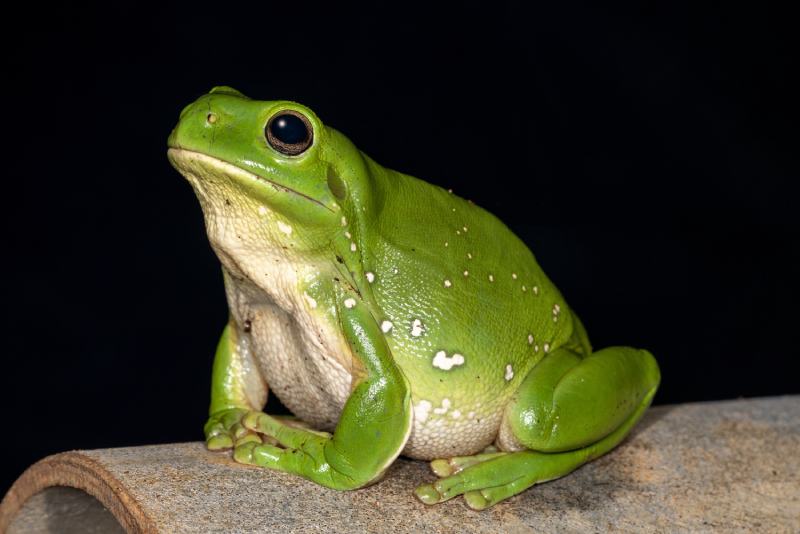
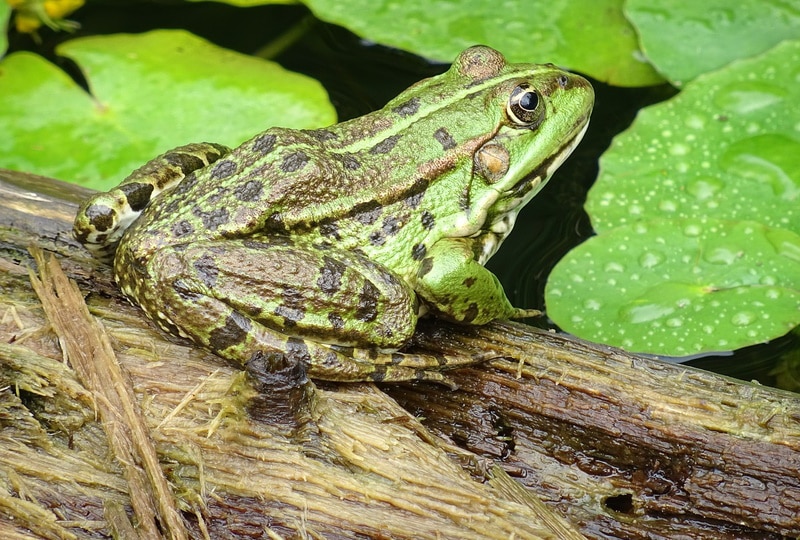
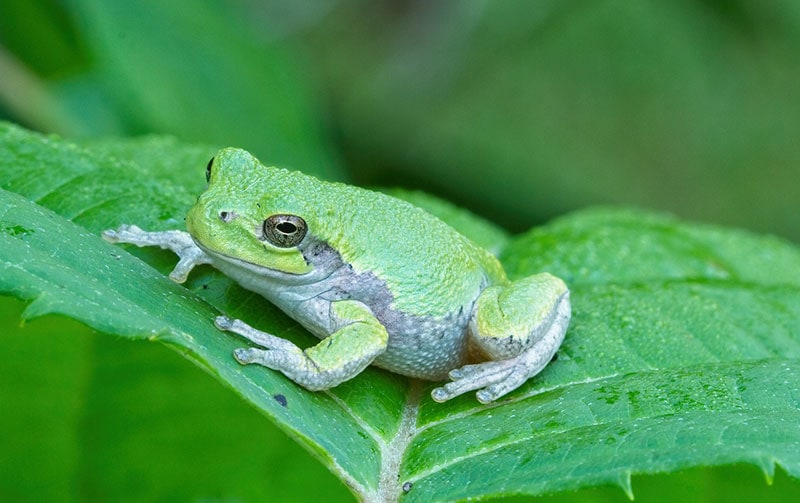
The primary auditory structure in frogs is the tympanic membrane, or the eardrum. It is a thin, stretched membrane just behind the eyes that can detect sound vibrations in the environment while acting as a shield that protects the inner ear from contaminants and damage. It also works to detect sound vibrations above and below ground. This is the same structure that humans have, only ours is located inside an ear canal. When a sound hits the tympanic membrane, it vibrates, putting fluid on the other side in motion toward the middle ear.
Middle Ear and Inner Ear
Behind the tympanic membrane lies the middle ear, consisting of small bones called columella and a specialized fluid-filled cavity. These structures amplify and transmit sound vibrations to the inner ear, which holds the auditory receptors. Experts believe that one part of the ear detects higher frequencies while another detects lower frequencies.
Environmental Adaptations
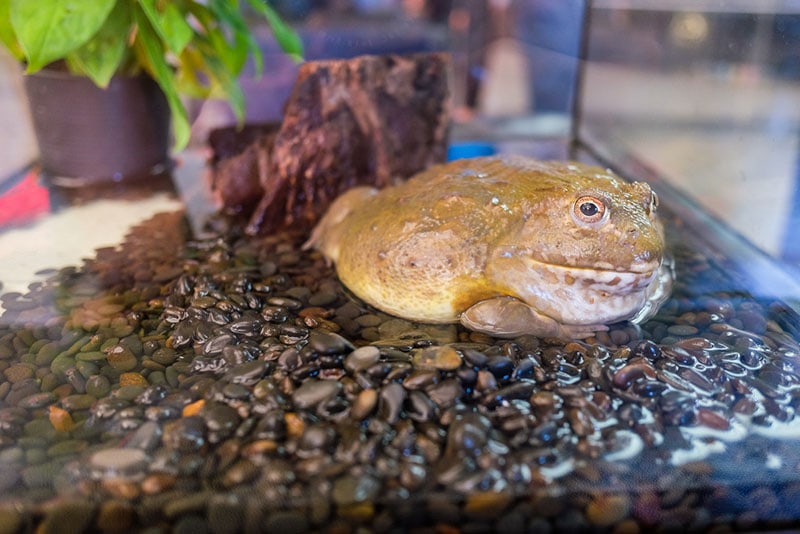
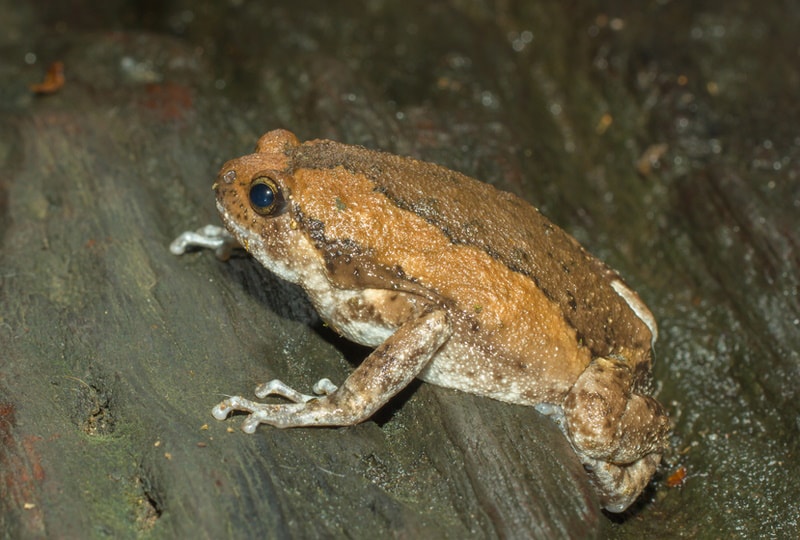
Bullfrogs and other aquatic frogs have eardrums closer to the water’s surface, enabling them to detect sounds from the air while partially submerged. Terrestrial frogs, on the other hand, have eardrums positioned to pick up ground vibrations better.
The Coqui Frog is a tiny species with even smaller tympanic membranes, so they rely on their lungs to pick up sound, and other species may do the same. Other species, like the Seychelles Islands Gardiner’s Frog, use their mouth to pick up sound and send it to the inner ear because they lack a tympanic membrane. Finally, some frogs can pick up on ultrasonic frequencies above the range of human hearing.
Do Frogs Have Good Hearing?
With more than 7,000 different species of frogs, this is a question with many possible answers, as some frogs are able to hear better than others. However, most experts believe that frogs are well-equipped to hear what they need to in order to ensure survival in their habitat, whether that means possessing the ability to hear underwater, listen to ultrasonic sounds, or listen with their lungs. They also use selective hearing to pick up sounds that are more important for them to hear over others. For example, a frog can hear a mating call clearly, even when many other frogs are making calls. The frogs making the calls also do so quite loudly, which can help get their message across.

How Do Frogs Croak Without Going Deaf?
A frog’s specialized tympanic membrane offers protection from excessive sound pressure and can absorb and dissipate some of the energy from loud sounds, and they can also adjust the sensitivity of their inner ear by contracting the muscles around their middle ear to dampen the sound. They can even use their lungs to regulate pressure inside the eardrum to protect them from damage from loud sounds on the outside.
FAQ
Do Frogs Have Ears?
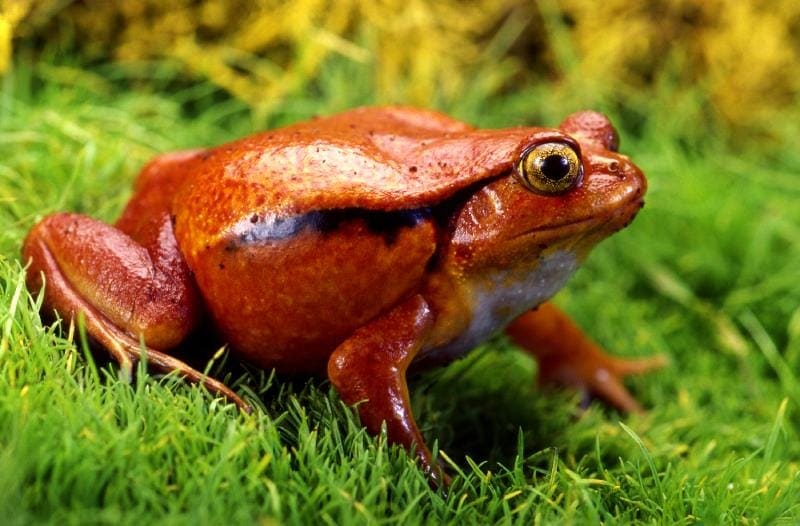
While frogs lack the outer ears that humans and many other animals have, they have a middle and inner ear, including the eardrum, but they do not have external ear structures.
What Sounds Can Frogs Hear?
Frogs can hear sounds within specific frequency ranges. They are particularly sensitive to sounds in the frequency range relevant to their species’ communication, which enables them to hear mating calls, even in crowded areas.
Why Do Frogs Make Such Loud Calls?
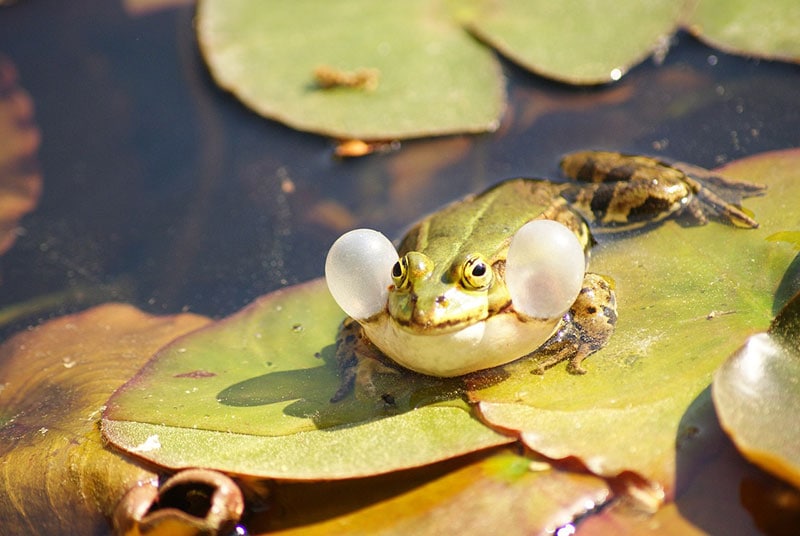
Frogs produce loud calls for various reasons, including attracting mates, defending territory, and communicating with other frogs. The loudness helps their calls carry over long distances and through the surrounding environment.
How Do Researchers Study Frog Hearing?
Scientists study frog hearing using techniques like audiograms, acoustic monitoring in natural habitats, and experiments to understand their sensitivity to different frequencies and sounds.
Final Thoughts
While frogs don’t have any visible ears—unless you look closely for the tympanic membrane behind the eyes—they can hear well enough to hear the mating calls of their species, even in noisy environments. Many use special adaptations, like the ability to hear underwater or detect ultrasonic sounds, and selective hearing to help them hear what they need to while tuning out the rest. Once the sound hits the tympanic membrane, it sets fluid in the middle ear in motion that amplifies the sound and sends it to the inner ear, which sends it to the brain.
See Also:
Sources
Featured Image Credit: BLUR LIFE 1975, Shutterstock
Get Hepper In Your Inbox


Pet care tips from our vets and experts, straight to your inbox.
You may opt-out at any time. View our Privacy Policy for more information.
Ed Malaker is a veteran writer who has contributed to a wide range of blogs that cover pets, tools, guitars, fitness, and computer programming. When he’s not writing, Ed is usually performing DIY projects around the house or working in the garden. He’s also a musician and spends a lot of time helping people fix their guitars and composing music for independent films.
Join the conversation
Ask a question, share your story, or send private feedback.