Hepper is reader-supported. When you buy via links on our site, we may earn an affiliate commission at no cost to you. Learn more.
Can Guinea Pigs Eat Olives? Vet-Approved Facts & Safety Guide


In this article
Guinea pig parents should feed their cavies about a teacup’s worth of fresh greens and veggies on a daily basis in addition to hay and pellets. Fruits can also be offered occasionally, but are olives safe to include in this piggie salad?
The answer is not entirely clear, but one thing that we’re sure of is that olives are not the healthiest choice of fruit for guinea pigs, so are likely best avoided.

Are Olives Safe for Guinea Pigs?
The little information available on this topic is conflicting. For example, some claim that small amounts of fresh, green olives are okay now and again and may even offer guinea pigs an antioxidant, vitamin, and mineral boost. However, they are not part of their natural diet and both green and black olives tend to be high in salt, especially those packaged in brine and salt water, so it would make sense that neither would be a good choice for guinea pigs.
Also, despite us not finding olives mentioned in any “toxic foods for guinea pigs” lists, they weren’t on any lists of recommended fruits and veggies, either. For that reason and many others, we think it’s best to err on the side of caution and not offer olives to guinea pigs. Another thing to consider is that olives are low in vitamin C, and this vitamin is very important for guinea pigs because they don’t produce it themselves. This is why it’s recommended to offer at least some vitamin C-rich greens on a daily basis.
Finally, if you were to offer an olive to a guinea pig, you’d need to make sure the stone was removed to prevent the risk of choking. Taking all of this into account, it’s clear that there are much healthier fruits and veggies you can offer your guinea pig.
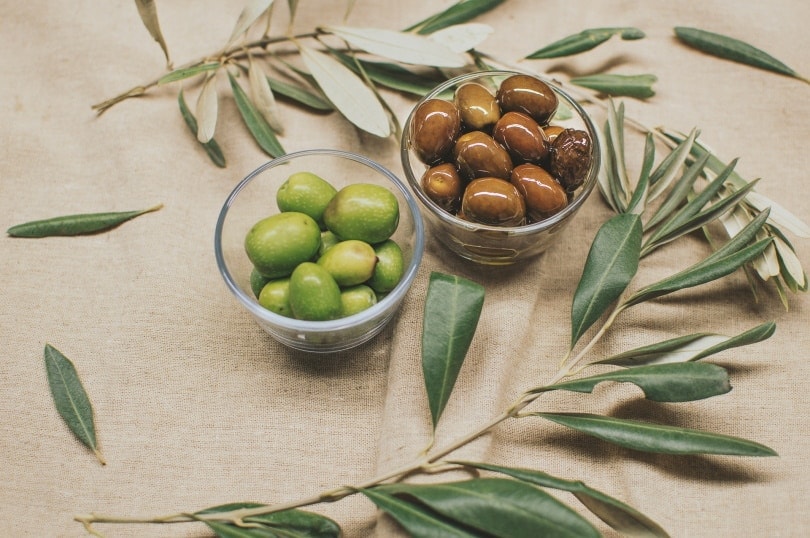
Can Guinea Pigs Eat Black Olives?
Due to the high sodium content, no, however, as mentioned above, olives are high in salt in general. In fact, green olives may contain even more sodium and fat than black olives. On that basis, it looks like neither green nor black olives are great options.
My Guinea Pig Ate an Olive, What Should I Do?
First of all, don’t panic. Though olives aren’t the healthiest choice for guinea pigs, we didn’t find any evidence to suggest that olives are toxic to them. Your guinea pig should be fine as long as they haven’t consumed a large quantity of olives or swallowed the stone, in which case you should seek veterinary advice immediately.
Otherwise, keep an eye on your guinea pig in case they start showing signs of illness (not eating or reduced appetite, diarrhea, teeth grinding, lack of energy, reluctance to move, etc.), and contact a vet if something doesn’t seem right.
Which Vegetables Can Guinea Pigs Eat?
A daily portion of greens and veggies is very important for making sure guinea pigs get the right amount of vitamin C. This should be fed in addition to hay (which is about 85%–90% of the overall diet) and a tablespoon of commercial guinea pig pellets. As a reminder, a teacup of greens and veggies is the correct daily amount recommended by PDSA vets. Safe veggies, herbs, and other greens include:
Note: Be sure to gradually introduce new foods to prevent a bout of diarrhea.
Which Fruits Can Guinea Pigs Eat?
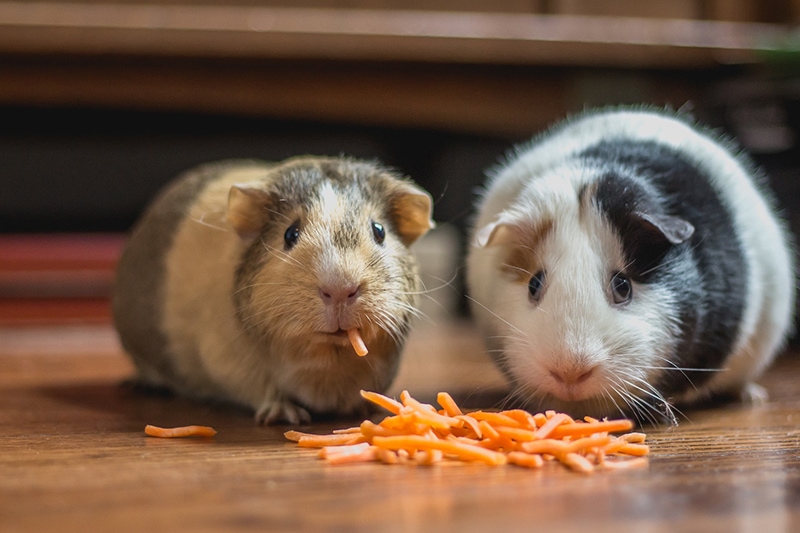
Though olives aren’t the healthiest snacks for guinea pigs, plenty of other fruits are cheaper and easier to serve cut into small pieces as occasional treats. Don’t forget to remove any seeds and stones, too.
These include:
Conclusion
In summary, the lack of expert sources recommending olives for guinea pigs gives us the impression that, even if a little piece of olive now and then wouldn’t hurt, it’s not all that great for guinea pigs, either. What’s more, the sodium content in olives is enough to make us look to healthier, vitamin-C-rich veggies and fruits instead.
Featured Image Credit: Avdeyukphoto,Shutterstock
Get Hepper In Your Inbox


Pet care tips from our vets and experts, straight to your inbox.
You may opt-out at any time. View our Privacy Policy for more information.
Kit Copson is a freelance writer and lifelong animal lover with a strong interest in animal care. She has parented various furry beings over the years and is currently a proud cat mom of two—one skittish but adorable Domestic Shorthair and very chilled (unless hungry) Siamese and a —and dog mom of one—an adopted Bichon Poodle cross. When not writing about or spending time with pets, Kit can be found doodling in her sketchpad, reading, or more often than not, drinking tea.
Join the conversation
Ask a question, share your story, or send private feedback.