Hepper is reader-supported. When you buy via links on our site, we may earn an affiliate commission at no cost to you. Learn more.
Can Turtles Eat Potatoes? Vet Approved Nutrition Facts and FAQ


In this article
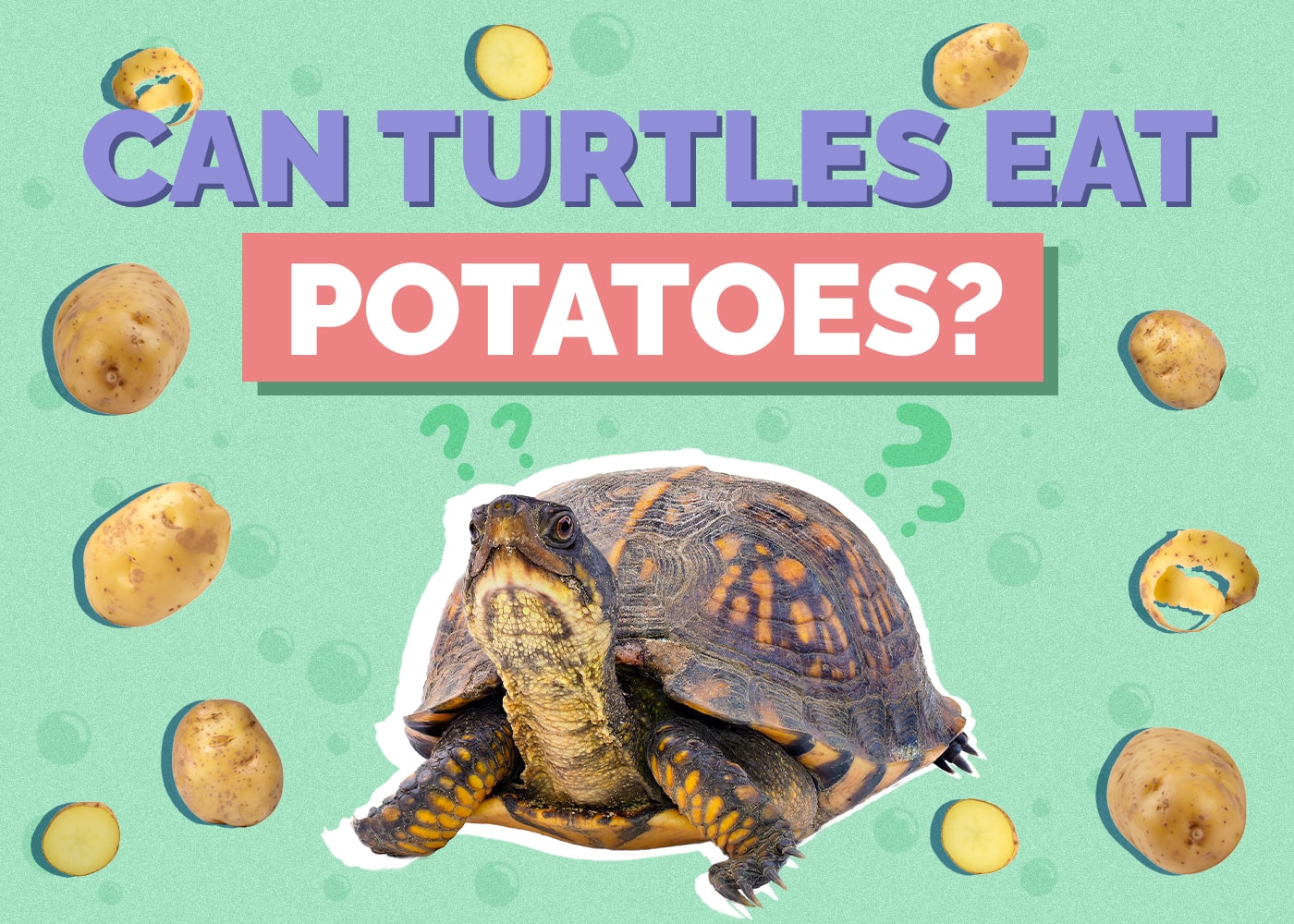
Mashed, baked, roasted, or turned into delicious fries; potatoes are such a perfect food that it’s hard to imagine some creatures can’t eat them. If you’ve ever been tempted to share your fries, you may have wondered if they’re turtle-safe. Generally speaking, potatoes are not overly toxic to turtles, but this doesn’t mean they should eat them. Turtles should not be fed potatoes because they are not part of a turtle's natural diet and can pose health risks if consumed in large quantities. Let’s learn more.

If Your Turtle Eats a Piece of Potato, Is It an Emergency?
If your turtle has accidentally consumed a small piece of potato, there's no need to panic immediately. While potatoes are not recommended for turtles due to their high starch content and the presence of solanine, a single small piece is unlikely to cause significant harm, especially if the potato was cooked, as this reduces solanine levels.
However, it's essential to monitor your turtle closely for any signs of distress or ill health following the incident. These can include loss of appetite, changes in behavior, difficulty breathing, or lethargy.
If your turtle shows any of these signs, or if it has consumed a large quantity, raw potato, or potato leaves, it's best to seek immediate veterinary attention. The vet can provide appropriate treatment, which may include supportive care like fluid therapy, or in severe cases, medication to counteract the effects of solanine poisoning.
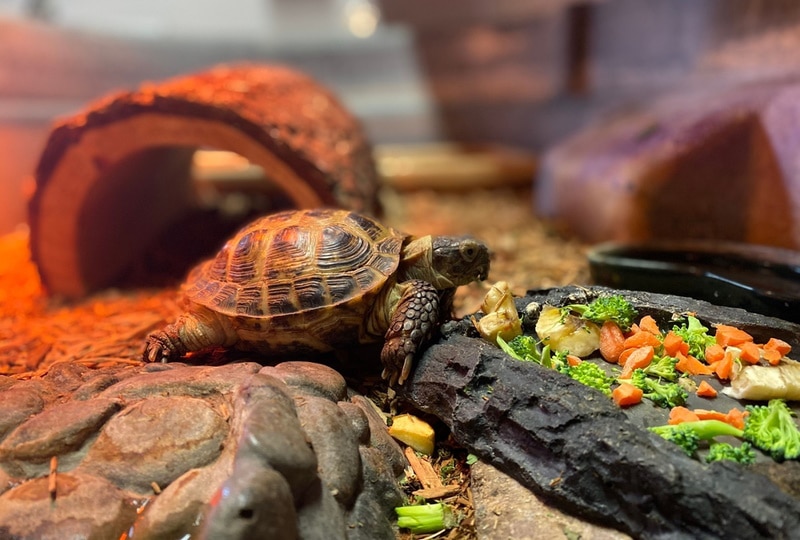
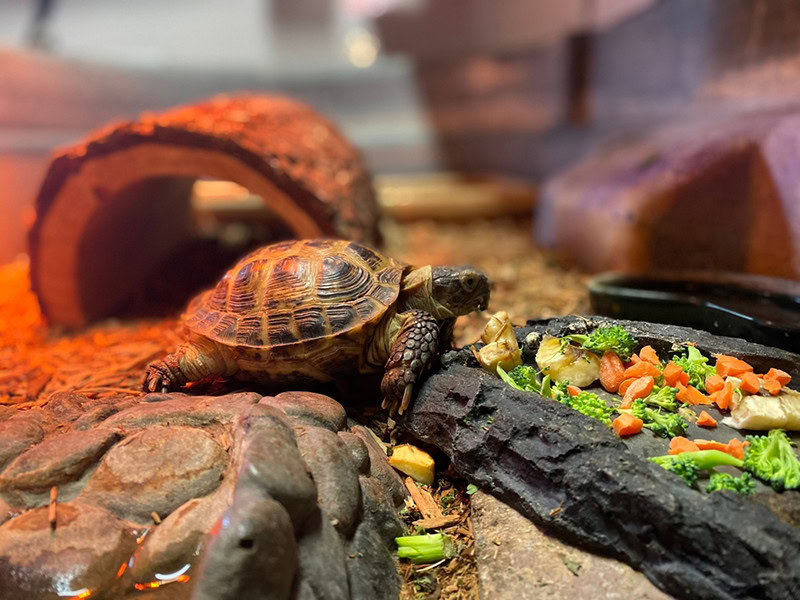
In the future, it's best to keep potatoes and other potentially harmful foods out of your turtle's reach and stick to a diet that's suitable for them. This typically includes a mix of leafy greens, aquatic plants, insects, and specially formulated turtle pellets. Always consult with a vet or a pet nutrition expert to ensure your turtle's diet meets its specific nutritional needs.

Are Potatoes Toxic to Turtles?
Potatoes aren’t truly toxic to turtles, but they still shouldn’t eat them. Potatoes, especially raw ones, their sprouts and their leaves, contain a naturally occurring compound called solanine. Solanine is a glycoalkaloid poison found in plant species belonging to the nightshade family, which includes potatoes. This compound acts as a natural defense mechanism against insects, fungi, and other predators.
For turtles, ingestion of solanine can lead to a variety of health problems. These can range from minor digestive issues like vomiting and diarrhea, to more severe symptoms such as difficulty breathing, slow heart rate, and even neurological problems like seizures or paralysis.
Additionally, the high starch content in potatoes is not well tolerated by turtles. Their digestive systems are not designed to handle starchy foods, so too much can lead to potential digestive discomfort and health issues.
Cooking potatoes can reduce the levels of solanine, but it does not eliminate it completely. Moreover, cooked potatoes still contain high levels of carbohydrates that are difficult for turtles to digest. Always consult with a veterinarian or a pet nutrition expert if you're unsure about what to feed your turtle.

Other Reasons Potatoes Are Not Suitable for Turtles
Lack of Nutritional Value
Potatoes, a common staple in human diets, unfortunately, do not offer the necessary nutrients that turtles need. While they are rich in carbohydrates, they lack key nutrients such as calcium and vitamin D3, which are essential for turtles, particularly for the health of their shell and bones. Feeding potatoes to turtles could lead to nutritional deficiencies over time.
Difficulty in Digestion
Beyond the lack of nutritional value, potatoes present another problem for turtles – they are difficult to digest. Turtles' digestive systems are not designed to handle starchy foods like potatoes well, which could lead to discomfort and potential health issues such as constipation or bloating.

Natural Diet of Turtles
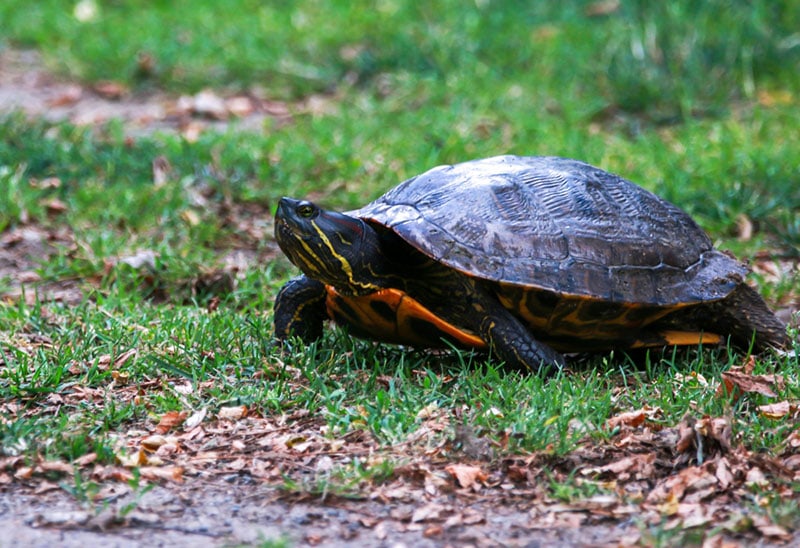
In the wild, turtles enjoy a diverse diet as they are naturally omnivorous creatures. Their meals often consist of a delightful mix of plants and protein, which they forage from their environment. This includes consuming a variety of insects, nibbling on small fish when available, and munching on ripe berries that have fallen nearby. They also love leafy greens, which they might find hanging low from bushes or growing among the grass. This varied diet helps them get the nutrition they need while keeping their eating habits interesting and engaging.
Nutritional Requirements of Turtles
Just like us, turtles also require a balanced diet to stay healthy. However, their nutritional needs are quite different from ours. One of the key nutrients that turtles require is calcium. This mineral plays a critical role in maintaining the health of their shell, which acts as its shield against predators and the environment. Protein is another essential nutrient for turtles, particularly for their growth and muscle development. Moreover, a variety of vitamins and minerals are crucial for their overall health, helping everything from their digestion to their immune systems function optimally.
Healthy Items to Include in a Turtle's Diet
Leafy Greens
Instead of potatoes, consider offering your turtle a variety of leafy greens. Foods like kale, spinach, and collard greens are excellent sources of nutrition for turtles. They provide necessary vitamins and minerals, and their fibrous nature aids in digestion. Plus, they're a much closer match to the type of leafy plant matter turtles would naturally consume in the wild.

Protein Sources
Don't forget about protein, an essential part of your turtle's diet. Good protein sources for turtles include insects, mealworms, and small fish. These foods not only provide essential amino acids but also give your turtle a chance to exercise their natural hunting behaviors, keeping them both physically healthy and mentally stimulated. Small amounts of cooked meat, such as beef or chicken, can be offered as an occasional treat.
Fruits
Fruits can also be a part of your turtle's diet, but they should be given occasionally, as a treat, rather than a main meal. Certain fruits, such as apples, papaya, and berries, are quite safe for turtles and can offer them a sweet change of pace from their regular diet.
Harmful Foods for Turtles
While turtles can eat a wide range of foods, there are certain things that should be kept off their menu. Dairy products, for instance, are a no-go. Turtles lack the enzymes needed to digest lactose, making dairy products harmful to them. Dog food, often seen as a convenient feeding option, is also unsuitable due to its high-fat content and ingredients that may not be safe for turtles. Meat like chicken or beef should never be offered raw but can be given as a treat if the meat has been properly cooked.
Summary
If your turtle were to steal a french fry, it’s unlikely to cause too much of a problem, but as a rule, you should not feed your turtle potato. While it is a good idea to offer a variety of foods, it's important to remember that not all human foods are safe or nutritious for turtles. Always do your research and consult with a vet if you're unsure about a particular food item. And the good news? You don’t need to feel guilty about not sharing your fries!
Sources
Featured Image Credit: Christos Giakkas, Pixabay
Get Hepper In Your Inbox


Pet care tips from our vets and experts, straight to your inbox.
You may opt-out at any time. View our Privacy Policy for more information.
Nicole is a lover of animals of all sizes but is especially fascinated with the feline variety. She’s the proud mom of Baby, a Burmese, and works every day so he can relax in the sunshine or by the fire. She’s always had a cat in her home and has spent countless days with others, observing behaviors and softening up even the grouchiest of the lot. Nicole wants to share her kitty expertise with you so you and your cat can live happy, healthy, and care-free.
Join the conversation
Ask a question, share your story, or send private feedback.