Hepper blog

Search our database of over 9,984 posts with up-to-date information from our experts and veterinarians.

Hepper is reader-supported. When you buy via links on our site, we may earn an affiliate commission at no cost to you. Learn more.

Can You Use Hydrogen Peroxide on Cats? Vet-Verified Facts, Risks & Tips

By Brooke Bundy · Reviewed & fact-checked by Dr. Lauren DemosVet Approved
Dr. Lauren Demos
Reviewed & Fact-Checked byDr. Lauren DemosVeterinarian
As a veterinarian, Lauren is happy to share her experience in emergency medicine and cats, with everyone. She enjoys sharing insightful, real life tips for having cats as part of your life, and what to do in critical situations with your pets.View authorThe information is current and up-to-date in accordance with the latest veterinarian research. Read about our vets
Share
Ask us a question in the comments
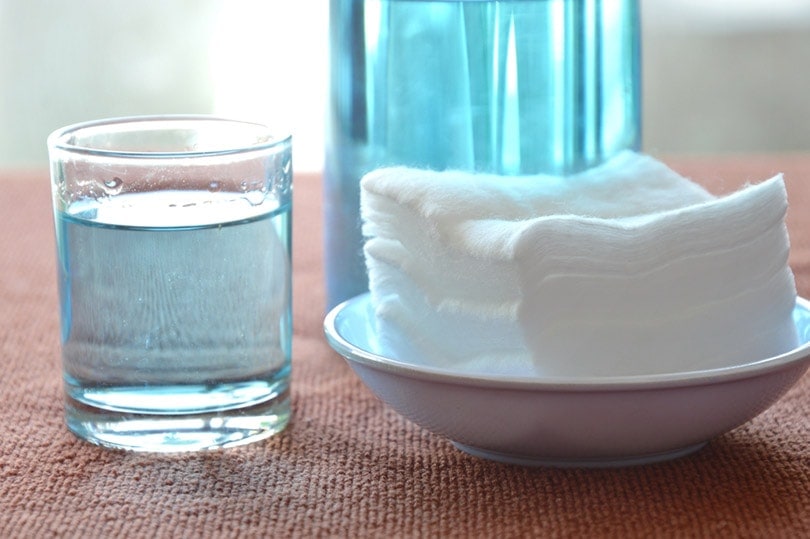
Hydrogen Peroxide in glass and clean white cotton

If your cat gulped down a piece of dark chocolate or cut their paw on the glass they broke, you're probably wondering if hydrogen peroxide works as a quick solution for their ailment without having to go to the vet. In humans, hydrogen peroxide is used as a mild antiseptic that is applied to cuts or burns to prevent infection. For canines, veterinarians sometimes suggest giving mild doses to induce vomiting1. Cats have more sensitive skin and tummies, though, so hydrogen peroxide isn't a good solution for cats. It is a dangerous chemical that can damage healthy tissue and even cause potentially fatal intestinal bleeding if your cat ingests it.

What Is Hydrogen Peroxide?

Hydrogen peroxide is a synthetic chemical that’s used for disinfecting human wounds. It has similar cleaning properties to bleach but isn't quite as strong. In dogs only, rarely a small amount of hydrogen peroxide can be used to safely induce vomiting, but only if recommended by a veterinarian.
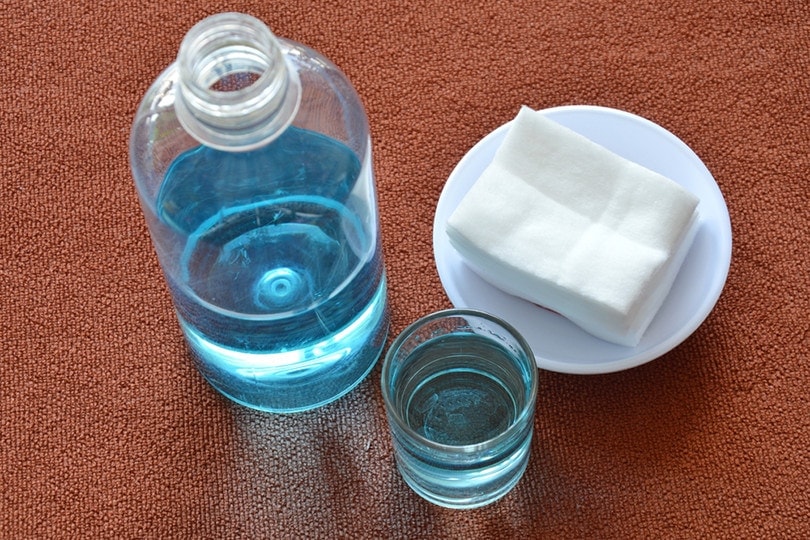
Hydrogen Peroxide
Image By: pedphoto36pm, Shutterstock

Why Can't I Use Hydrogen Peroxide on My Cat?

While hydrogen peroxide had previously been used to induce vomiting in dogs before newer medications came along, hydrogen peroxide should never be used on cats. A cat's stomach is too sensitive for hydrogen peroxide. Ingestion may cause inflammation, ulcers, and tissue damage leading to intestinal bleeding, which can be fatal.

Signs that your cat has ingested hydrogen peroxide include:

  • Nausea
  • Vomiting
  • Bloody stools
  • Difficulty breathing
  • Foaming in the mouth

If you suspect your cat may have snuck into your cleaning cabinet, you should call your vet at once.
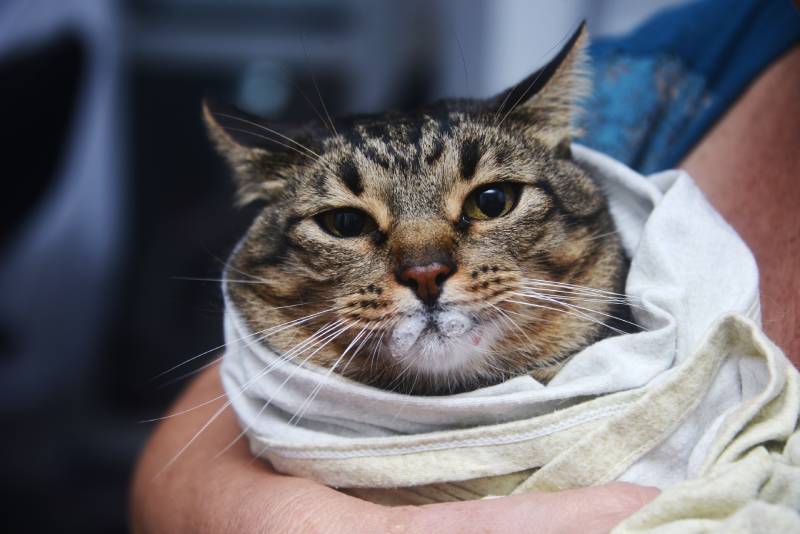
Swaddled cat with foaming mouth
Image By: DreamBig, Shutterstock

What to Do If Your Cat Becomes Injured

Unfortunately, there's no way to safely induce vomiting at home for cats, so if your cat swallowed a clump of grapes, they'll likely have to go to the vet. As for injuries, clean the affected area with water and contact your vet. They may direct you to apply salve or bring them in for treatment.

Some people say you can apply a very diluted solution of hydrogen peroxide to your cat's wound. However, this chemical damages healthy tissue as it kills the bad bacteria, so we recommend skipping this DIY solution and calling your vet for advice instead.

While we're on the subject of bad advice, we would also like to let you know that the old wisdom of giving your pet an excessive amount of salt to induce vomiting has been repealed. Cats and dogs do need salt in their diet, but too much can result in sodium poisoning. Serious cases can be fatal, so you should never feed them an overabundance of salt.

Felines are also intolerant to an alarming number of common household cleaning products similar to hydrogen peroxide. Disinfecting agents such as Lysol, ammonia, formaldehyde, and many essential oils pose problems for cats, especially if they're swallowed. While ingesting these substances raises the highest risk of adverse reactions, cats are so sensitive to some of these cleaners that merely inhaling a concentrated amount may cause an unpleasant reaction.

Final Thoughts

While you may be able to treat mild cuts and wounds at home, you'll always have to go to the vet to safely induce your cat to vomit. Hydrogen peroxide should never be given to your cat since it can cause deadly intestinal bleeding. Some pet parents use it as a mild antiseptic because it does a great job at killing bacteria, but unfortunately, it's at the cost of damaging the surrounding healthy tissue. Since cats have sensitive needs that differ from us and even dogs, it's always advisable to call a veterinarian for advice when they get into scrapes.

Sources

Featured Image Credit: pedphoto36pm, Shutterstock

Get Hepper In Your Inbox

Pet care tips from our vets and experts, straight to your inbox.

List

Select all that apply.

You may opt-out at any time. View our Privacy Policy for more information.

Brooke Bundy
Authored by

Brooke Bundy

Join the conversation

Ask a question, share your story, or send private feedback.

Rate this post
Required to post. Only our editors see your rating.
Who should see this?

A human reviews every comment before it appears. Your email is never published.

Picked to go with this article

How to Make a Cat Vomit in an Emergency (Vet Answer)

How to Make a Cat Vomit in an Emergency (Vet Answer)

Cats are very inquisitive creatures, and they may eat objects or food that are poisonous or toxic. If you see or know that your cat has eaten something they sh…

Dr. Emma Chandley
By Dr. Emma Chandley ·
Can You Use Hydrogen Peroxide on Dogs for Cleaning Wounds? (Vet Answer)

Can You Use Hydrogen Peroxide on Dogs for Cleaning Wounds? (Vet Answer)

Hydrogen peroxide is considered one of the most common disinfectants in the world. This solution has been used by people to clean superficial wounds due to its…

Dr. Iulia Mihai
By Dr. Iulia Mihai ·
Is Neosporin Safe for Cats? Vet-Approved Signs & Dangers

Is Neosporin Safe for Cats? Vet-Approved Signs & Dangers

Cats are fun, entertaining, and even demanding members of the family. For many people, cats are like children and can be as special to them as any other pet. W…

Melissa Gunter
By Melissa Gunter ·
Can You Give a Cat Pepto Bismol For An Upset Stomach? Our Vet Explains

Can You Give a Cat Pepto Bismol For An Upset Stomach? Our Vet Explains

Many people reach for that familiar pink bottle of Pepto Bismol when they have an upset stomach. The label (and catchy commercials) say that Pepto Bismol is go…

Nicole Cosgrove
By Nicole Cosgrove ·

Keep reading

More stories you might like

How to Clean a Cat Wound: 5 Vet-Approved Steps

The last thing you want to even consider is your cat having a wound. But it can happen. It is more likely to occur if you have an outdoor cat, but accidents ca…

Kathryn Copeland
By Kathryn Copeland ·
How to Clean a Cat Wound: 5 Vet-Approved Steps

Activated Charcoal for Cats: Info, Pros & Cons (Vet Answer)

Cats ingesting a toxin is an emergency that requires an immediate trip to the veterinarian. This is because hydrogen peroxide, a potential choice to induce vom…

Dr. Maria Zayas
By Dr. Maria Zayas ·
Activated Charcoal for Cats: Info, Pros & Cons (Vet Answer)

10 Vet-Verified Household Items That Are Toxic to Cats

Keeping your cat safe is one of your primary responsibilities as a cat owner. Cats are very curious animals, and in some instances, their curiosity can be dang…

Jana Blagojevic
By Jana Blagojevic ·
10 Vet-Verified Household Items That Are Toxic to Cats

Can Cats Eat Chocolate? Vet Reviewed Nutrition Facts & FAQ

Chocolate is a delicious treat to enjoy after a good meal. Unfortunately, if we can eat it freely without consequences (except maybe for our waist!), it is not…

Genevieve Dugal
By Genevieve Dugal ·
Can Cats Eat Chocolate? Vet Reviewed Nutrition Facts & FAQ

Do Cats Enjoy the Smell of Bleach? Safety & Toxicity Info

After cleaning the bathroom or kitchen with bleach, you may have noticed that your cat is fascinated with the leftover aroma. Some cats have a strange attracti…

Luxifa Le
By Luxifa Le ·
Do Cats Enjoy the Smell of Bleach? Safety & Toxicity Info

Is Vaseline Safe for Cats’ Wounds? Vet-Reviewed Safety & FAQ

Vaseline and other petroleum jelly products are popular products when it comes to caring for people’s skin. These products can provide moisturization and prote…

Brooke Bundy
By Brooke Bundy ·
Is Vaseline Safe for Cats’ Wounds? Vet-Reviewed Safety & FAQ

6 Foods Toxic to Cats: Vet-Verified Info & Treatment Options

As a cat owner, you want to provide your feline with the best care and nutrition possible. Unfortunately, some of the foods we humans enjoy and consume on a da…

Oliver Jones
By Oliver Jones ·
6 Foods Toxic to Cats: Vet-Verified Info & Treatment Options

My Cat Swallowed a Foreign Object: Vet-Approved Safety Guide

It can be extremely concerning if your cat has swallowed a foreign object. It's important to act quickly, as some objects can cause serious digestive problems…

Nicole Cosgrove
By Nicole Cosgrove ·
My Cat Swallowed a Foreign Object: Vet-Approved Safety Guide