Hepper is reader-supported. When you buy via links on our site, we may earn an affiliate commission at no cost to you. Learn more.
Distemper in Cats (Causes, Signs & Treatments) Vet Answer

In this article
Feline distemper, also called feline panleukopenia, is one of the scariest issues to deal with in your cat. It's caused by a virus called feline parvovirus, which may also be called feline panleukopenia virus. It also has the acronym FPV. All these names, plus an acronym for one disease, make it confusing. Hopefully, this article will help.
FPV mostly causes problems in kittens, where it can be deadly. It is very prevalent; it is everywhere and extremely contagious. So read on to learn why this disease is so problematic and deadly in kittens who are not vaccinated correctly.

What Is Feline Distemper?
Feline panleukopenia virus invades and kills cells in the body that are actively reproducing or growing and replacing themselves. This includes cells in the bone marrow and immune system that are constantly being replaced to fight infection and heal the body.
It can also infect the cells in the lining gastrointestinal tract, so the cells make up the inner wall of the stomach, intestines, and colon. This is also why the disease can be so problematic in kittens because their whole body is growing and creating new cells.
The problems caused by the disease can be diverse and varied. But often, the GI tract and immune system are severely affected. And once the immune system is compromised, it becomes exceedingly difficult to fight off disease and heal.
FVP-cerebellar hypoplasia
If a mother cat is infected with FPV while pregnant, the kittens may be aborted. But if they survive, the kittens are born with slight changes in the brain that make them particularly uncoordinated. They usually act and think normally but just move in a…unique way.
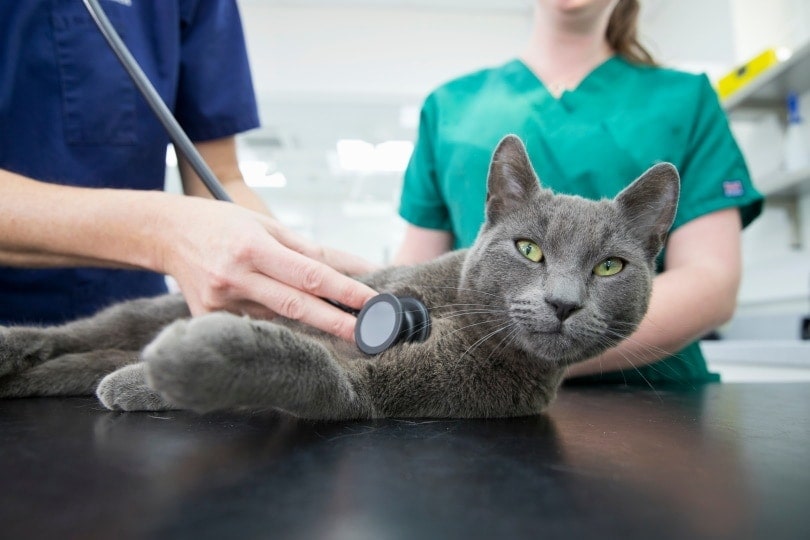
What Are the Signs of Distemper?
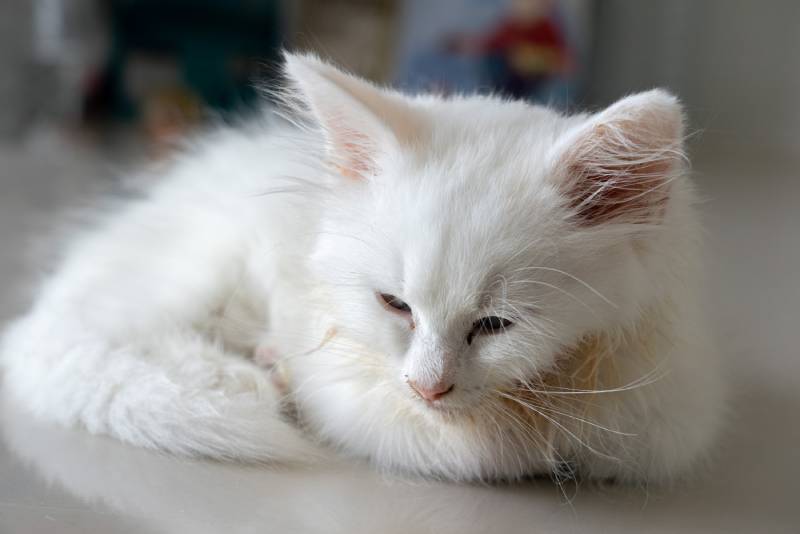
Many adult cats can be infected with FPV and not get sick. They will not have any signs of disease, so you might not even know if they are infected. It is the kittens that are most severely affected.
Be aware of the following signs:
Signs of FPV-induced cerebellar ataxia
A cat born with FPV-induced cerebellar ataxia usually has normal behaviors and can live a happy life. Ataxia is the medical word describing the gait cats with this condition have.
It includes the following:

What Are the Causes of Feline Distemper?
The feline panleukopenia virus is spread through bodily secretions, including feces and nasal discharge. It can survive in the environment for a long time, so it can easily spread on objects that are contaminated. In other words, even indoor cats can be exposed to the virus if you accidentally get it on your shoes or clothing.
Since FPV depletes the immune system, the body is more vulnerable to other infections because the weakened immune system cannot fight them.
How Do I Care for a Cat with Feline Distemper?
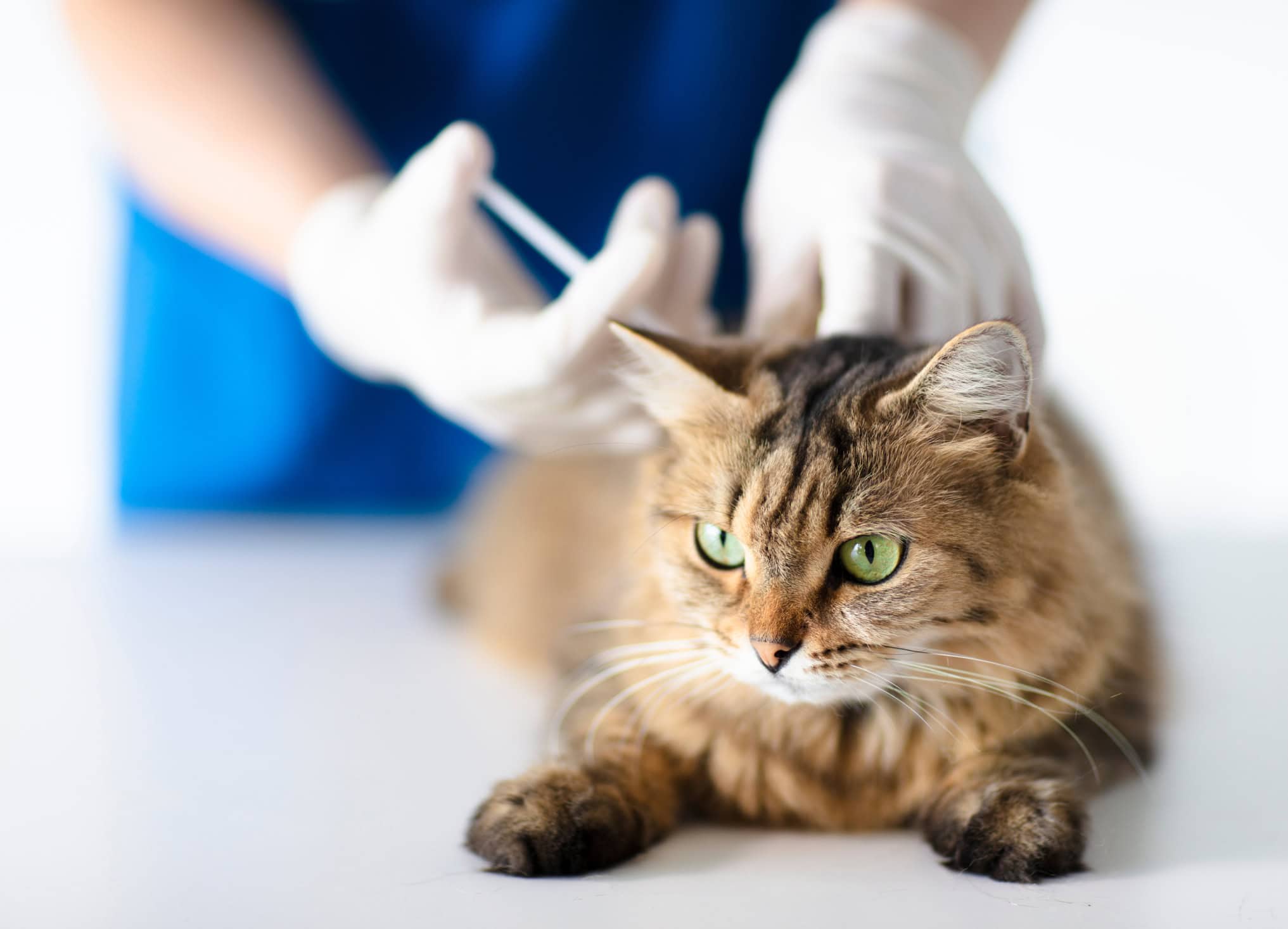
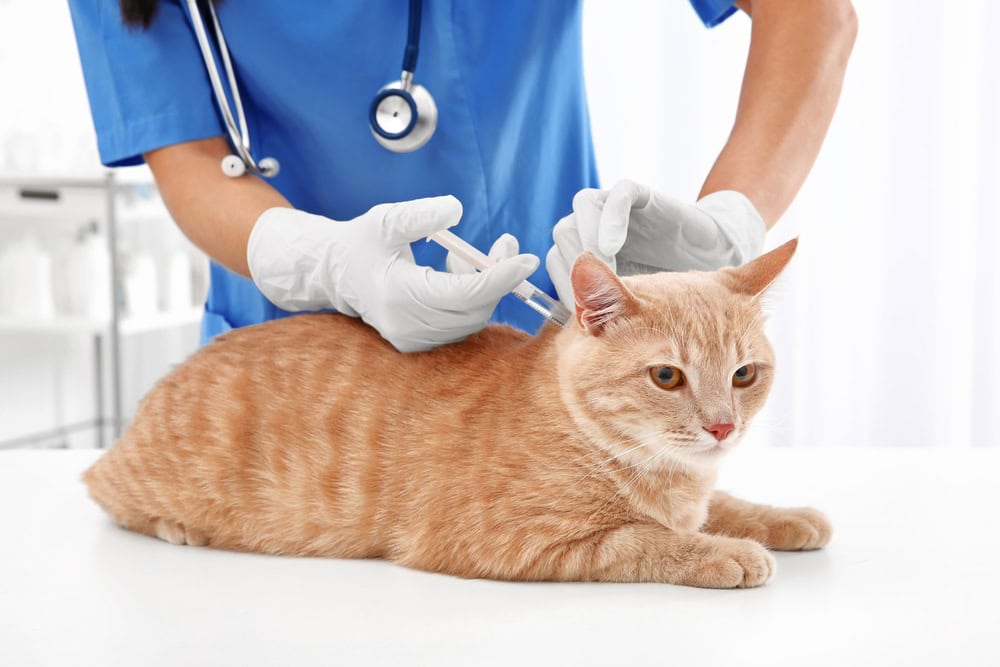
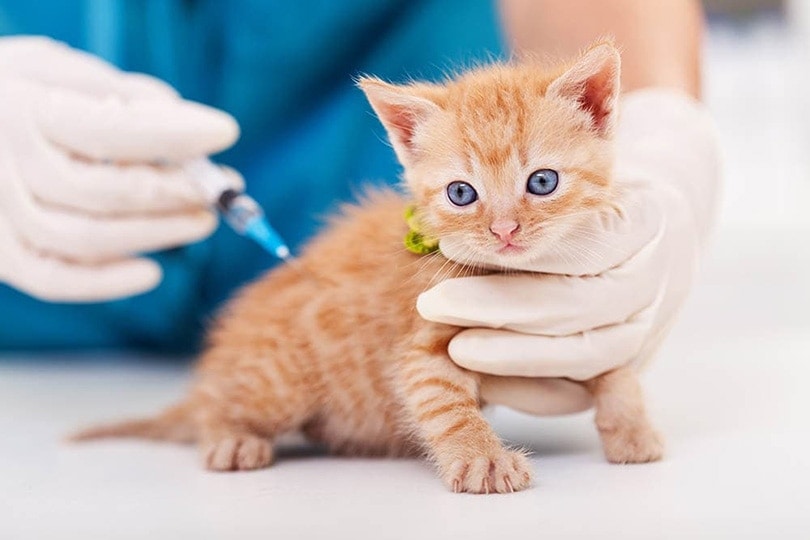
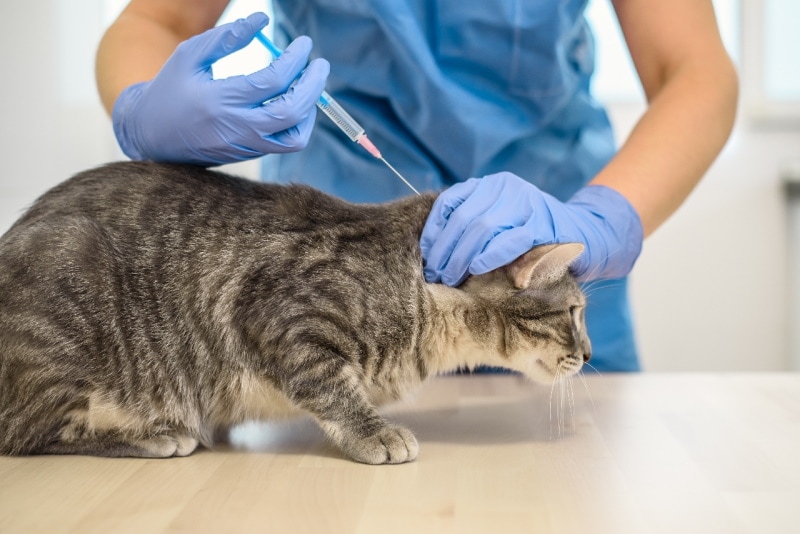
Get them vaccinated. Kittens need to start getting boosters as soon as they are old enough. Ask your vet. Vaccinating adult cats keeps the prevalence of the disease lower.
Vaccinated mother cats can help kittens be immune to the disease for a little while, but the passive immunity they receive from their mother wears off unless they are vaccinated in time.
How do I care for my cat with FPV-induced cerebellar ataxia?
A cat with this condition can be an absolute joy to have in your home. They still behave normally and can have relatively normal lives. They are just clumsy. There is no treatment for the condition, so it just requires TLC.
The number of modifications made for a cat with this condition will depend on how severe it is. Some cats will be severely ataxic, others less so. Because of their ataxia, you may have to make special accommodations for them in your home. Going outside can be particularly dangerous for these cats.
- Controlled climbing, or none
- Minimize hard corners and other hazardous objects that can be bumped into
- Extra safe litter boxes, easy to get in and out of
- Non-slip flooring
Frequently Asked Questions (FAQs)
How common is feline distemper?
It is clinically less common in countries with effective and widespread vaccine regimes—meaning fewer cats are sick from it. However, it is still common enough that most cats are exposed to it but do not get sick because they are protected with their vaccinations.
Most cats that are infected are kittens since they are so easily exposed to it. And once they have antibodies to it, either through vaccines or by having received it from the disease itself, they do not usually get sick again.
This is why it is important to get kittens vaccinated in time before they are exposed to it.
What does panleukopenia mean?
Panleukopenia describes the loss of immune cells in the body. This virus kills off dividing cells, including the active immune cells.
The active immune cells are called white blood cells. When all the different types of white blood cells are reduced, this clinical condition is called panleukopenia.
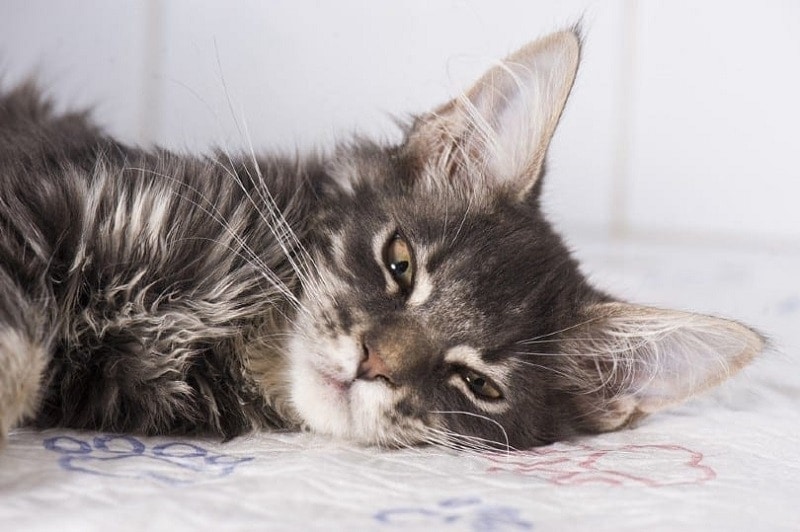
What can I expect at the vet?
Expect to be in it for the long haul with intensive treatment, diagnostics, and monitoring.
Since the signs of FPV are so severe for your cat or kitten, stabilizing them will be a priority. This will often include hospitalization, likely for multiple days, with many different treatments, including but not limited to:
Your cat will also most likely be placed in isolation since the virus is so contagious. They need to be kept away from other cats, and special precautions will be taken so it is not spread by humans going between the two.
And sadly, prepare yourself for your kitten to die no matter what you and the vet do. It is a complicated disease that is hard to treat, and sometimes despite our best efforts, it still beats us.
Does my indoor cat need an FPV vaccine?
Yes. The disease is contagious and lasts in the environment for a long time. You can easily pick it up walking around outside and bring it indoors where it can infect your kitten.
Most of the time, you can begin vaccinating your kitten at 6–9 weeks old. They will then need boosters every 3–4 weeks until they are at least 16 weeks old. That usually means two or four boosters. They will then need follow-up boosters every one to three years. Discuss how frequently you need them with your vet.

Conclusion
Feline distemper may not be as much of a problem as it used to be, but if your kitten gets clinically sick from it can be quite devastating. Preventative health is one of the most loving things you can do for your kitten. And don’t worry; they will forgive you after the shots. Keep your kittens safe.
Sources
Featured Image Credit: brodtcast, Shutterstock
Get Hepper In Your Inbox


Pet care tips from our vets and experts, straight to your inbox.
You may opt-out at any time. View our Privacy Policy for more information.
Dr. Chantal is passionate about the human-animal bond and improving animals' lives through their connections with their human companions. She has worked with many different species, big and small, including dogs, cats, birds, rabbits, guinea pigs, reptiles, amphibians, and even horses and mice. Chantal is excited to share her knowledge using her writing to help people connect with their animal friends.
Dr. Chantal believes that the best way for animals to be healthy is for their humans to understand their needs and well-being. She loves spreading her knowledge to as many people as she can through her writing.
Education
Dr. Chantal graduated from the Royal Veterinary College in London, England, where she received her vet degree. She then received her Masters in Conservation Medicine from Tufts University.
Experience
Dr. Chantal has worked with animals her entire life in many fields, even outside of veterinary medicine. She managed horse barns, worked as a dog trainer, and as a wildlife biologist before attending vet school. Chantal has been a veterinarian for over three years and continues to work with dogs, cats, and exotic animals. And, she still knows a thing or two about horses.
Join the conversation
Ask a question, share your story, or send private feedback.