Hepper is reader-supported. When you buy via links on our site, we may earn an affiliate commission at no cost to you. Learn more.
Can Cats Catch Parvo? Vet-Verified Facts & Information


In this article
Parvovirus is a highly contagious, relatively common viral infection that is commonly associated with young, unvaccinated, or incompletely vaccinated dogs. The most common signs of the infection are severe dehydration, vomiting, and diarrhea. As a cat parent, you might be wondering if your cats are at risk from parvovirus as well.
Like dogs, cats can get infected with parvovirus. Young, unvaccinated, or incompletely vaccinated kitties are at higher risk of succumbing to this virus. Though undoubtedly very dangerous, it is important to note that with quick intervention, you may give your kitty a fighting chance against this virus.
In this article, we will go over the causes, signs, diagnosis, treatment, and prevention of parvovirus in cats.

What Is Parvovirus in Cats?
Feline parvovirus is a viral disease caused by the feline panleukopenia virus (FPV).
Other Names for FPV:
Whenever a virus enters its host’s body, it affects specific cells. This preference for a specific cell in the host’s body is also referred to as the tropism of the virus. Feline Parvovirus affects the rapidly dividing blood cells in the body, primarily the cells in the intestinal tract, bone marrow, and the stem cells of developing fetuses.
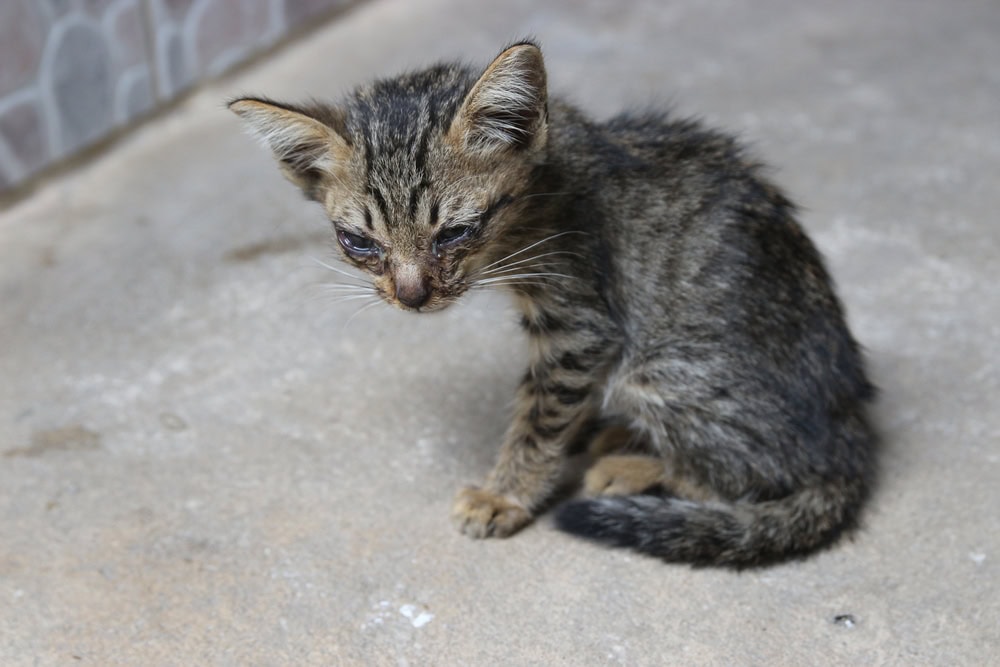
A decrease in the number of white blood cells (WBCs) leads to immunosuppression, leaving the cat vulnerable to other viral and bacterial diseases that may prove fatal. In kittens specifically, the virus may also attack parts of their brain, leading to problems with their mobility and/or their eyes.
In some cases, the disease can progress so quickly that a kitten may die before the owner notices any signs. Some owners may even think their pet has been poisoned. Kittens deteriorate very quickly because once they stop eating and drinking, they become severely dehydrated.
Young, unvaccinated, or incompletely vaccinated kittens in multi-cat households are at the highest risk of infection. The virus can be very lethal for such individuals, with mortality rates as high as 90%.
Older cats tend to be less severely affected, and if queens (female cats) are infected while they are pregnant, they often show no signs of illness. The unborn kittens, however, can be infected within the womb, and this may lead to their death in utero or damage to their developing brains.
Is Cat Parvovirus the Same as Dog Parvovirus?
No, feline parvovirus is different from canine parvovirus (CPV-2). “Parvovirus” is the umbrella term for a group of viruses in the Parvoviridae family. Both cat and dog parvoviruses fall under this group, but they have species-specific strains.
Can Cats and Dogs Get Parvovirus From Each Other?
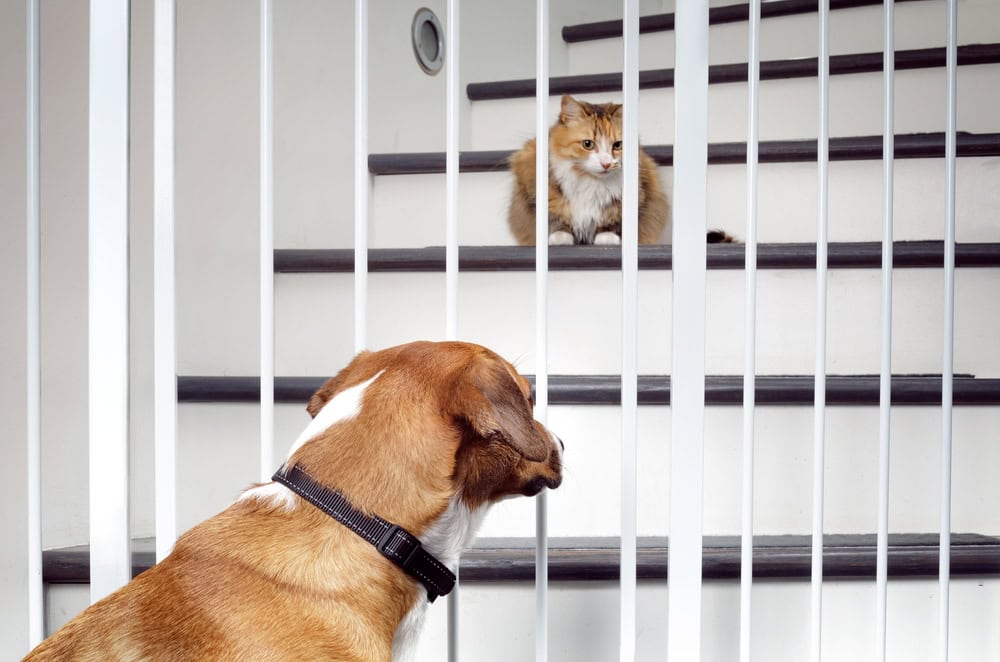
Feline parvovirus does not harm dogs. The most common type of dog parvovirus, canine parvovirus-2 (CPV-2), can’t infect felines. However, other variants of canine parvovirus (CPV-2a, 2b, and 2c) can. If your dog has parvovirus, quarantine them away from your cats immediately.
How Do Cats Get Infected by Parvovirus?
Feline parvovirus is an incredibly resistant virus. Under the right conditions, it can survive in the environment for up to a year, even without a host.
That’s why there’s no sure-fire way to determine where or how a cat may have contracted parvovirus. However, these are the most common ways:
- Direct contact with an infected cat’s bodily fluids, such as saliva, nasal secretions, urine, and feces
- Ingestion of contaminated food or water
- Contact with contaminated objects or environments, such as litter boxes, dishes, bedding, and grooming tools
- Through a person’s contaminated hands or clothes
- In the womb or through the milk of an infected mother
Infected cats that recover can also continue shedding the virus for as long as 6 weeks, even if they look healthy.
The Signs of Parvovirus in Cats
The most prominent cat parvovirus signs are gastrointestinal. If you observe one or more of the following signs, take your cat to the vet as soon as possible:
- Vomiting and/or diarrhea, with or without blood
- Extreme dehydration
- Frothing from the nose and mouth, which may also include blood
- Lack of appetite or complete inability to consume food or water
- Rapid weight loss
- Lethargy
- Fever
- Depression
- Neurological signs, such as head tremors, lack of coordination, or a wobbly gait
- Spots or dots appear in one or both eyes.
- Very pale and dry mucous membranes (mostly visible on the gums or ears)
In some cases, infected cats (especially kittens) may suddenly die without exhibiting signs. That’s why timely intervention is critical when it comes to cat parvovirus.
Diagnosing Cat Parvovirus
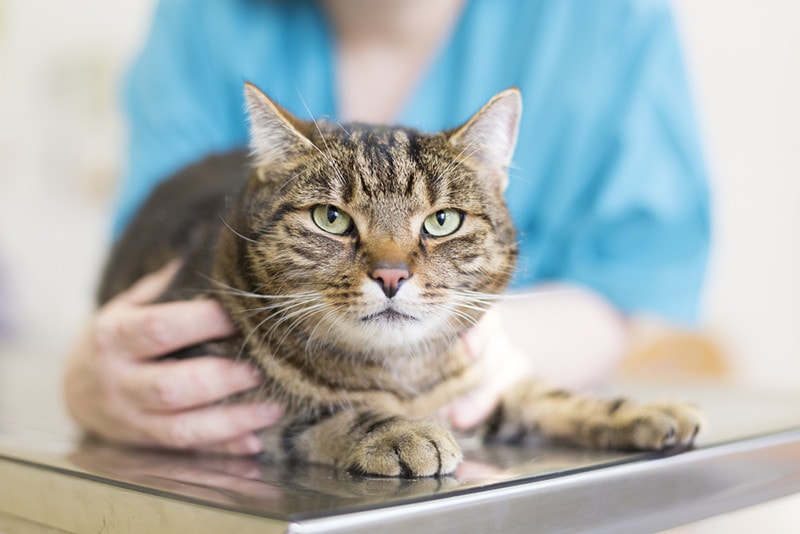
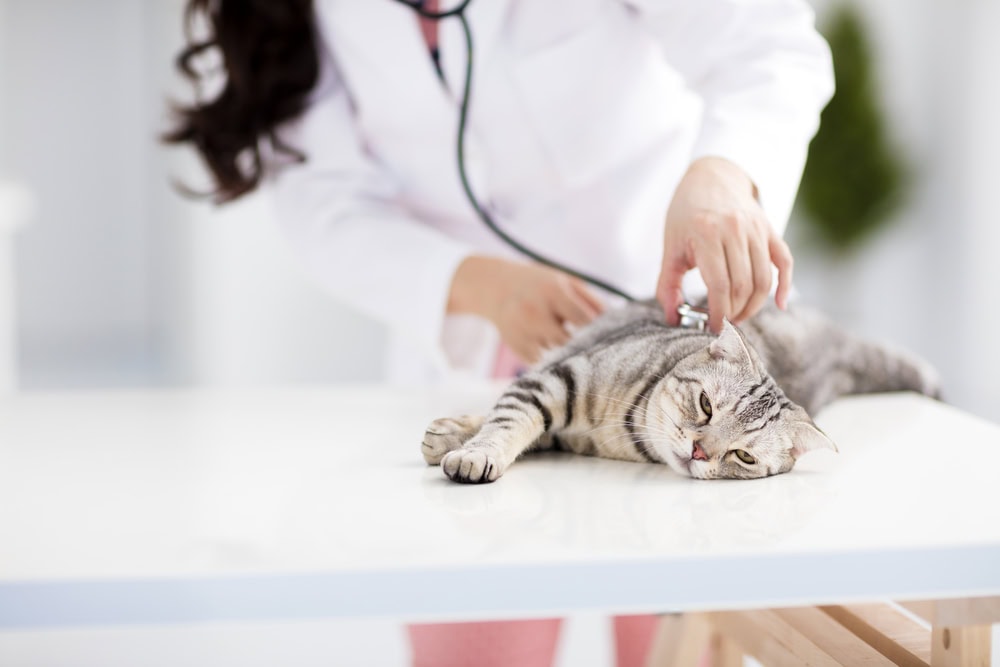
Diagnosing parvovirus in cats involves a combination of physical and laboratory tests done by your veterinarian. The vet may make a presumptive diagnosis based on your cat’s medical history, age, vaccination status, clinical signs, and physical examination.
The next step typically includes a complete blood count (CBC) to look for an abnormally low white blood cell count (leukopenia). A serum biochemistry profile, alongside an analysis of your cat’s stool, may also be performed.
The vet may also order other tests as deemed necessary depending on the signs your cat is eliciting. These tests help your vet ascertain if there are other concurrent issues that need to be addressed.
Treatment for Cat Parvovirus
No cure or medicine exists specifically for cat parvovirus yet. The only treatment is supportive care, which means helping the cat build their strength back up so they can fight off the virus.
No cure or medicine exists for cat parvovirus yet. The only treatment is supportive care, which means helping the cat build their strength back up so they can fight off the virus.
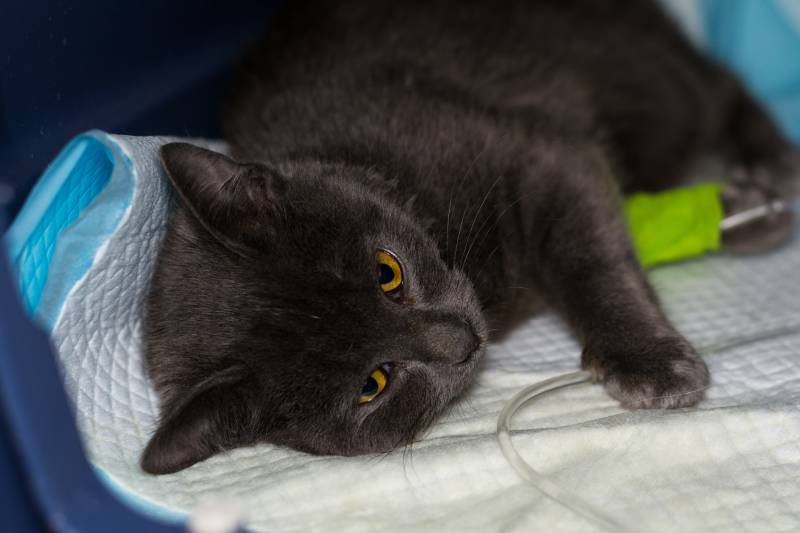
The main goals of the treatment are to keep your cat hydrated and nourished, reduce the severity of symptoms, and treat any secondary illnesses or infections that have set in. This may involve hospitalization, intravenous fluids, blood transfusions, prescription/recovery diets and supplements, and possibly antibiotics to treat secondary bacterial infections as deemed necessary.
Can Kittens Survive Parvovirus?
Unvaccinated or incompletely vaccinated kittens aged 3–5 months old are most susceptible to cat parvovirus. At this age, the antibodies passed down from their mothers wear off.
The loss of maternal antibodies coupled with the stress associated with weaning makes them more vulnerable to illnesses. Unfortunately, more than 90% of kittens in this age group who aren’t vaccinated and contract parvovirus don’t make it.
How to Protect Your Cat from Parvovirus
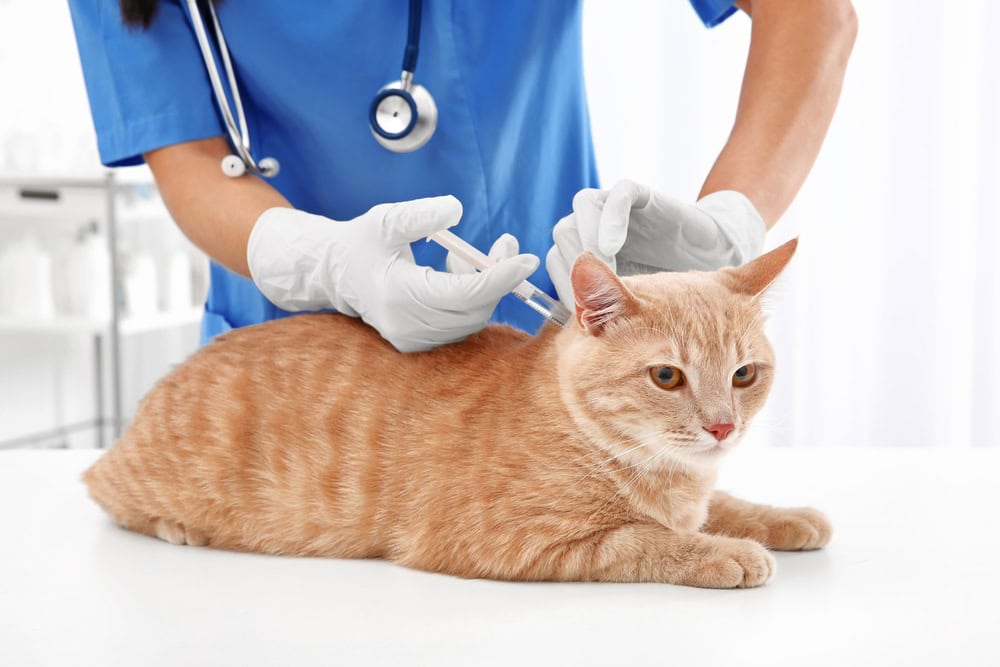
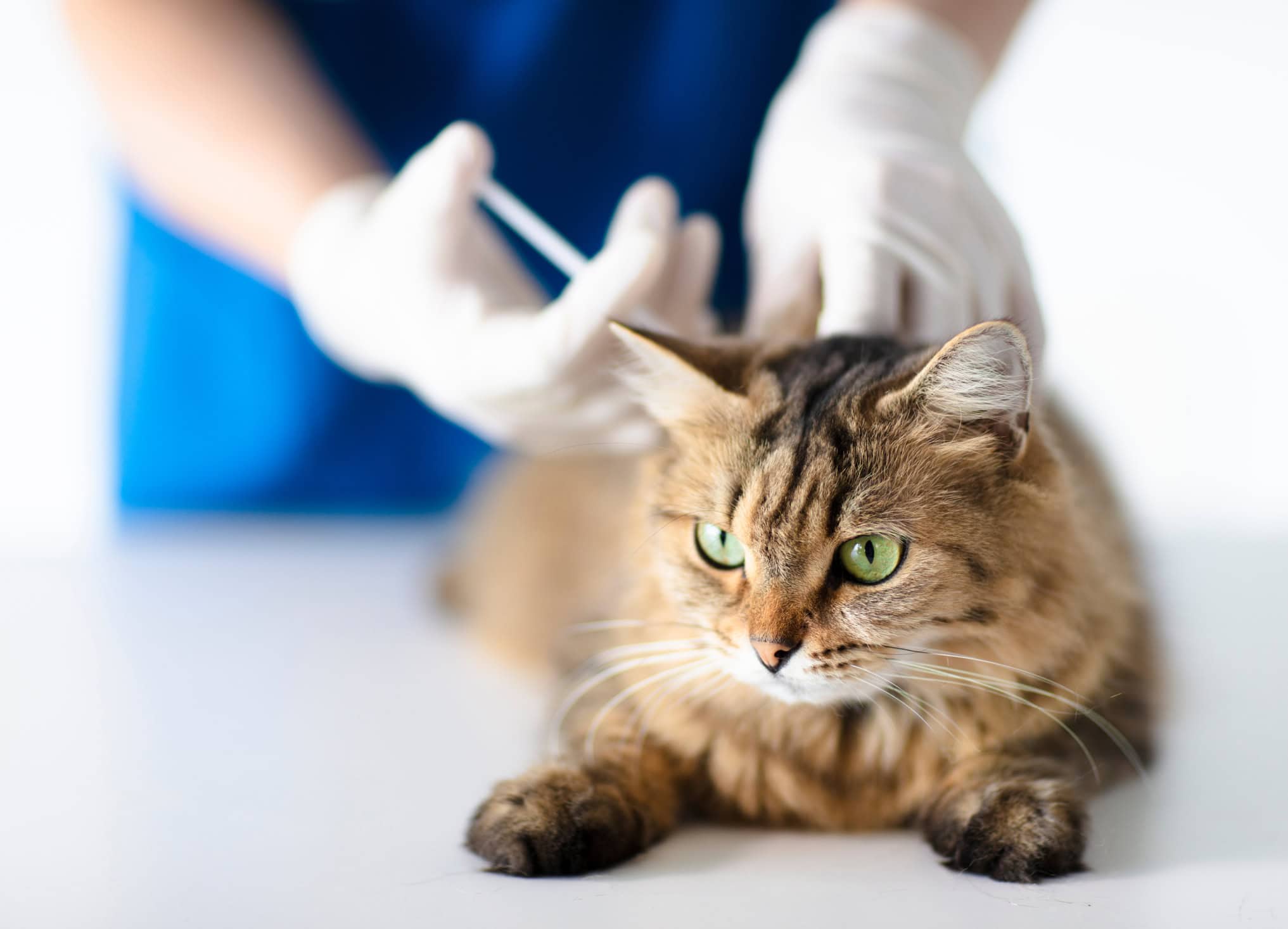
Vaccination is the best way to protect a cat from parvovirus. Your kitten should start getting their core shots (which include the panleukopenia vaccine) at anywhere from 9 to 12 weeks of age, depending on your vet’s recommendations.Adult cats can also be vaccinated for parvovirus (such as those you rescue or adopt from a humane shelter).
Ensure that you comply with their vaccination schedules (as recommended by your veterinarian), including booster shots for older cats.
In addition to vaccines, practice the following:
Conclusion
Just like dogs, cats can get parvovirus. Feline parvovirus is incredibly contagious with a high mortality rate in young, unvaccinated kittens. Prompt diagnosis and treatment by a veterinarian will provide your cat with the best possible chance of survival and recovery.
But it’s not all bad news: vaccinating your kitty significantly reduces the risk of cat parvovirus. Because parvovirus is very resilient in the environment and can infect any cat, this remains the most effective method of protecting your cat from the virus.
Featured Image By: Oppdowngalon, Shutterstock
Get Hepper In Your Inbox


Pet care tips from our vets and experts, straight to your inbox.
You may opt-out at any time. View our Privacy Policy for more information.
Nicole is a lover of animals of all sizes but is especially fascinated with the feline variety. She’s the proud mom of Baby, a Burmese, and works every day so he can relax in the sunshine or by the fire. She’s always had a cat in her home and has spent countless days with others, observing behaviors and softening up even the grouchiest of the lot. Nicole wants to share her kitty expertise with you so you and your cat can live happy, healthy, and care-free.
Join the conversation
Ask a question, share your story, or send private feedback.