Hepper is reader-supported. When you buy via links on our site, we may earn an affiliate commission at no cost to you. Learn more.
Do Bearded Dragons Pee? Biological Facts & FAQ
In this article
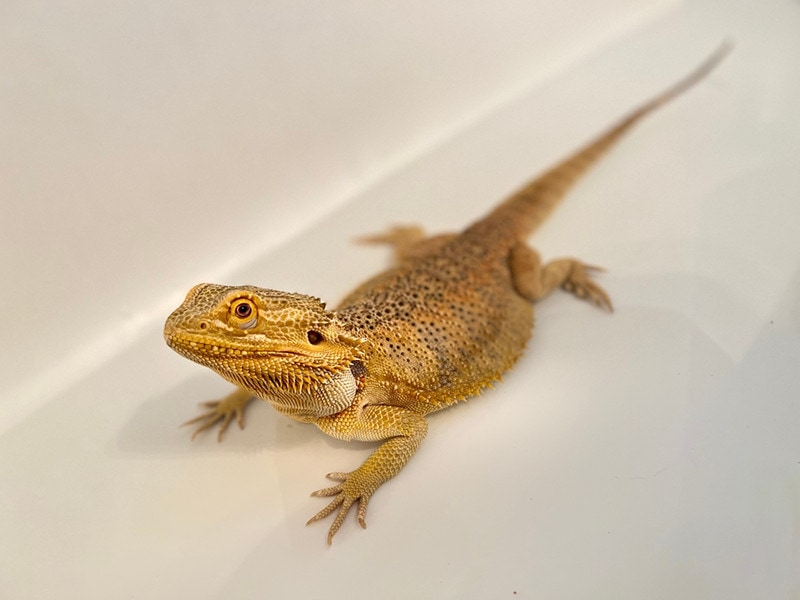
When it comes to the animal kingdom, there’s no shortage of quirky and unique behaviors. For instance, did you know that, unlike most other pets, bearded dragons don’t pee in the way you’d expect? Yes, you heard that right. Instead of liquid urine, bearded dragons excrete a whitish substance called urate, combined with their fecal matter.
Fascinating, isn’t it? This article will delve deep into this extraordinary phenomenon while sharing valuable tips to ensure the health and safety of these unique reptiles.

The Physiology Behind Bearded Dragons’ Excretion
So, how does this all work, exactly? Let’s begin with a quick biology lesson to understand the intricacies of the bearded dragon’s excretory system.
Bearded dragons are reptiles, and like other reptiles, they possess a single opening called a cloaca for both excretion and reproduction. They excrete uric acid—or urate—as a semi-solid, white crystalline substance.
This adaptation helps them conserve water, which is quite handy considering their ancestors are from the arid regions of Australia. In addition to this, bearded dragons, along with other reptiles, don’t produce urea like mammals.
Rather, they produce uric acid, which is less toxic and doesn’t require as much water to be flushed out of the body. This method of excretion is especially beneficial in their native desert environment where water is scarce.
Signs of Healthy Bearded Dragon Excretions
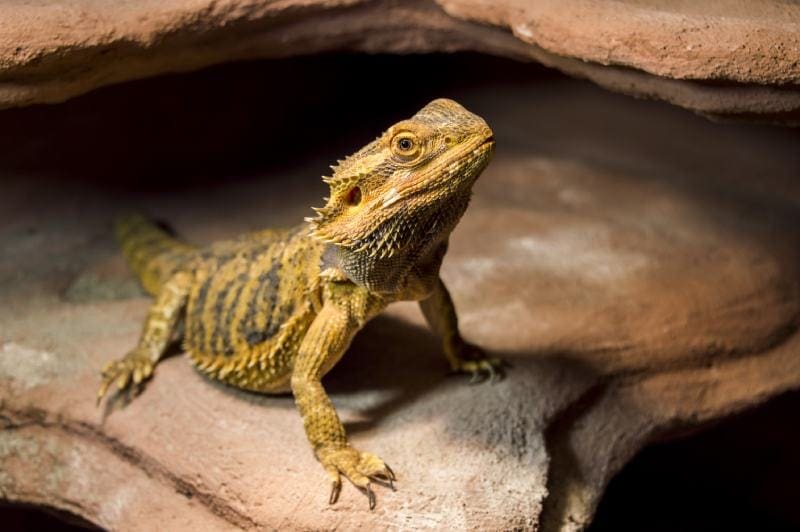
Understanding what is normal for your bearded dragon’s excretions can help detect any potential health problems early on. Healthy bearded dragon droppings consist of dark brown fecal matter and a white to off-white portion, which is the urate.
The feces should be well-formed, similar to that of a small mammal, and the urate should be semi-solid and not overly chalky or hard. If there are noticeable changes in your bearded dragon’s droppings, it could be an early sign of health concerns.
When to Be Concerned: Identifying Unhealthy Signs
Just as it’s essential to recognize a healthy bearded dragon excretion, it’s equally important to identify potential signs of trouble.
If the urate is excessively hard, chalky, or yellowish, it could indicate dehydration or potential kidney problems. In contrast, very soft or watery droppings could indicate a parasitic infection or other digestive issues.
Blood in the droppings is another red flag that requires immediate veterinary attention. Always remember; any significant or persistent change in your bearded dragon’s excretion warrants a visit to the vet.
Tips for Ensuring Your Bearded Dragon’s Health and Safety
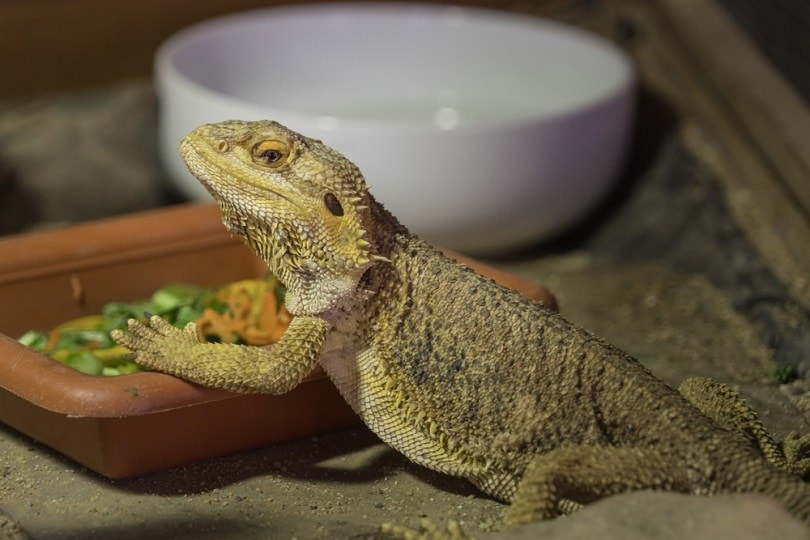
Keeping an eye on your bearded dragon’s bathroom habits can reveal a lot about its overall health. Here are some tips to ensure your pet’s well-being:
Balanced Diet
A balanced diet rich in high-quality insects, vegetables, and fruits is essential for your bearded dragon’s health. A poor diet can lead to unhealthy excretions and other health problems.
Regular Hydration
Dehydration is a common problem among bearded dragons, and it can affect their urate formation. Providing fresh water daily and regularly bathing your pet can help prevent this issue.
Clean Habitat
Maintaining a clean habitat is crucial for preventing bacterial and parasitic infections. Regularly clean and sanitize your bearded dragon’s enclosure, making sure to remove any droppings as soon as possible.
Regular Vet Checkups
Regular vet checkups will help spot any health issues early. Ensure your pet receives a health check at least once a year or more often if you notice any changes in their behavior or droppings.

In Conclusion
The bearded dragon certainly has some unique bathroom habits! While their method of excretion might be a little unusual to some, it’s just another fascinating fact that makes bearded dragons such an intriguing species.
By taking good care of them and being attentive to their needs, you can enjoy their company for many years to come.
Sources
Featured Image Credit: Emily Frasier, Shutterstock
Get Hepper In Your Inbox


Pet care tips from our vets and experts, straight to your inbox.
You may opt-out at any time. View our Privacy Policy for more information.

Nicole is a lover of animals of all sizes but is especially fascinated with the feline variety. She’s the proud mom of Baby, a Burmese, and works every day so he can relax in the sunshine or by the fire. She’s always had a cat in her home and has spent countless days with others, observing behaviors and softening up even the grouchiest of the lot. Nicole wants to share her kitty expertise with you so you and your cat can live happy, healthy, and care-free.
Join the conversation
Ask a question, share your story, or send private feedback.