Hepper is reader-supported. When you buy via links on our site, we may earn an affiliate commission at no cost to you. Learn more.
Do Rabbits Fart? Vet-Reviewed Facts & FAQ


In this article
Farting is a natural part of the digestive process for many animals, including rabbits. You might only hear or smell your rabbit passing gas on rare occasions, but that doesn’t mean they don’t do it at all. They fart as a way to keep their GI tract free of gas build-up and to relieve discomfort.
You’re unlikely to notice when your rabbit lets one rip. But there are cases where your rabbit’s flatulence isn’t normal and could be a sign of a serious health problem. Here, we explore how you can tell that your rabbit’s digestive system is working properly and how to prevent problems from developing.

Is It Normal for Rabbits to Fart?
We rarely see or hear about rabbits passing gas as they hop around the house, so if you hear a strange noise from your rabbit, it can be alarming. There’s nothing to worry about, though. Farting is completely normal for rabbits.
Most of the time, you won’t hear or smell anything that suggests that your rabbit farted. Many people—even rabbit owners—don’t realize that their rabbit passed gas at all. This is good because it means your rabbit’s digestive system is working perfectly and they don’t have a problem. However, the opposite is also true, and it can be difficult to tell when your rabbit isn’t releasing gas at all, which can be fatal.
Even if you do hear or smell your rabbit let one rip, it doesn’t necessarily mean there’s a reason for concern. Unless they’re showing signs of discomfort or bloating, it’s safe to say that your rabbit audibly farting is unusual but completely normal.
Why Do Rabbits Fart?
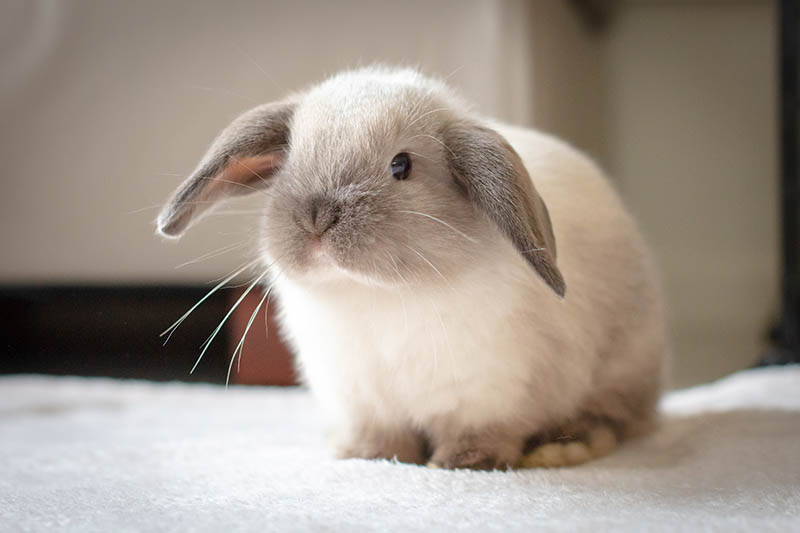
Most animals and humans all fart for the same reason: to release the gas that builds up when digesting food. Rabbits can’t burp like we can, but they are fully capable of releasing gas from their rear end.
A rabbit’s digestive system is always working to digest the plant matter that they eat. All that hay, grasses, and other plants pass through their digestive system, from the stomach to the small intestine, and into a pouch located at the top of the colon known as the cecum.
The bacteria in the cecum break down the food into nutrients. This chamber is also where all the gas build-up occurs as the food is digested. To relieve the pressure of this gas build-up, the gas is pushed through the rest of the digestive tract and released out of the rabbit’s rear.
How Often Do Rabbits Fart?
More often than not, you won’t notice your rabbit farting. This passage of air is silent and doesn’t usually have an odor, which means you’ll rarely hear or smell anything unpleasant from your rabbit. They fart more than you might think but not to excess.
There are occasions when your rabbit might fart much more or not at all, though. Rabbits are prone to digestive issues like GI stasis.1 This is a serious condition where the digestive system stops working due to a blockage or too many carbohydrates in your rabbit’s diet.

Can Rabbits Die If They Don’t Fart?
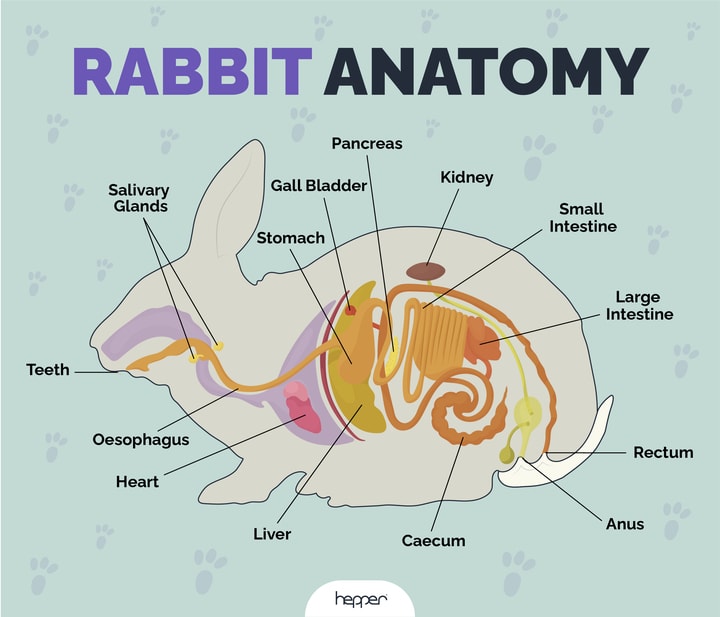
As an important part of your rabbit’s digestive health, farting shows that your rabbit is healthy. It’s essential, and you shouldn’t try to prevent them from passing gas. A build-up of gas in their intestines requires fast treatment.
Like us, rabbits can suffer from severe discomfort if gas builds up in their gastrointestinal system. It can also be fatal if it goes unnoticed and you don’t treat it properly. Most rabbits will make a full recovery, provided that you notice the problem early enough to help.
How to Tell If Your Rabbit Has a Gas Build-up
Part of the importance of farting comes from your rabbit’s inability to pass gas both ways. Unlike us and many other animals, rabbits can only pass gas out of their rear end. They can’t burp or vomit,2 so if there’s an obstruction or they’re suffering from GI stasis, there’s no way for them to release the gas build-up.
If you own a rabbit, you might need to take them to the vet for treatment of GI stasis or other digestive problems at some point during their lifetime. Since it’s such a serious condition, recognizing the signs is the first step in making sure your rabbit is diagnosed and treated quickly.
These signs can come on slowly or suddenly, so it’s important to pay close attention to any odd behavior from your rabbit.
The signs of GI stasis are:
How to Help a Gassy Rabbit

You should always visit your veterinarian if your rabbit is showing signs of pain or strange behavior. Until you can get a veterinarian to make sure everything is okay, here are ways to ease your rabbit’s gas problem.
Keep Them Warm
Shock is a common response to pain in rabbits, and it frequently results in a dangerously low temperature. Your rabbit’s temperature should be between 101 and 104 degrees Fahrenheit, and while it might be slightly higher on occasion, anything lower or too high should be treated seriously.
If your rabbit goes into shock due to GI stasis, you must keep them warm. Warm a towel in a tumble dryer or fill a hot water bottle with lukewarm water and then wrap it in a towel to protect the rabbit. The idea is to keep your rabbit warm without overheating or burning them until you can get to a veterinarian.
Give Them a Stomach Massage
Sometimes, all you need to do to help your rabbit is to massage their stomach if it feels too hard or too soft—both are common signs of GI stasis. Carefully lay your rabbit in your lap, and work from their chest toward their tail.
By gently massaging your rabbit’s stomach, you can help encourage their digestive system to start working again by helping shift the trapped gas. You need to be very gentle so you don’t risk increasing the pain that your rabbit feels. Stop if your rabbit shows signs of distress.
Provide Veterinary Treatment
There are a few treatments that you can try at home, such as simethicone, which can help break up gas bubbles. Sometimes, though, your best and only option is to go to your veterinarian. They will be able to administer pain medication and properly treat the problem.
How to Prevent a Gassy Rabbit
Avoid Gassy Foods
The digestive system is a delicate thing for all animals, but more so for your rabbit. They’re herbivores and should eat a variety of plants that keep their gut bacteria healthy and their digestive system working properly. But there are many foods that can cause problems for your rabbit.
One of the biggest problems is sugary foods or diets high in carbohydrates. Excessive carbohydrates will mess with the delicate balance in your rabbits’s gut, increasing the proliferation of bad bacteria and the risk of your rabbit suffering from gut stasis and enterotoxemia.
There is much debate about certain foods, like broccoli, being bad for your rabbit. Some rabbits can eat small amounts of broccoli and other vegetables without any issues. You should always pay close attention to their reaction when they eat new foods.
That said, foods that your rabbit should avoid include:
Exercise Them
When your rabbit is in pain, they’ll likely hold themselves still and refuse to put pressure on their stomach. Getting them moving can, in some cases, help get their digestive system moving again. It’s not always easy to encourage your rabbit to move, but it can help, especially if you catch your rabbit’s digestive upset early enough.
Conclusion
Having a cute ball of fluff tooting as they hop is an amusing image, but you’ll rarely notice when your rabbit passes gas. They fart as part of their natural digestive process, and it’s often silent and odorless, which is fortunate if you have several bunnies at home.
Farting enables your rabbit to release the gas in their digestive system as they digest food. A build-up of gas that isn’t released can cause GI stasis and can be fatal if the signs aren’t recognized early enough or treated.
Featured Image Credit: Antonio_CSI, Shutterstock
Get Hepper In Your Inbox


Pet care tips from our vets and experts, straight to your inbox.
You may opt-out at any time. View our Privacy Policy for more information.
Nicole is a lover of animals of all sizes but is especially fascinated with the feline variety. She’s the proud mom of Baby, a Burmese, and works every day so he can relax in the sunshine or by the fire. She’s always had a cat in her home and has spent countless days with others, observing behaviors and softening up even the grouchiest of the lot. Nicole wants to share her kitty expertise with you so you and your cat can live happy, healthy, and care-free.
Join the conversation
Ask a question, share your story, or send private feedback.