Hepper is reader-supported. When you buy via links on our site, we may earn an affiliate commission at no cost to you. Learn more.
Why Do Dogs Bark at Other Dogs? 10 Vet-Reviewed Reasons


In this article
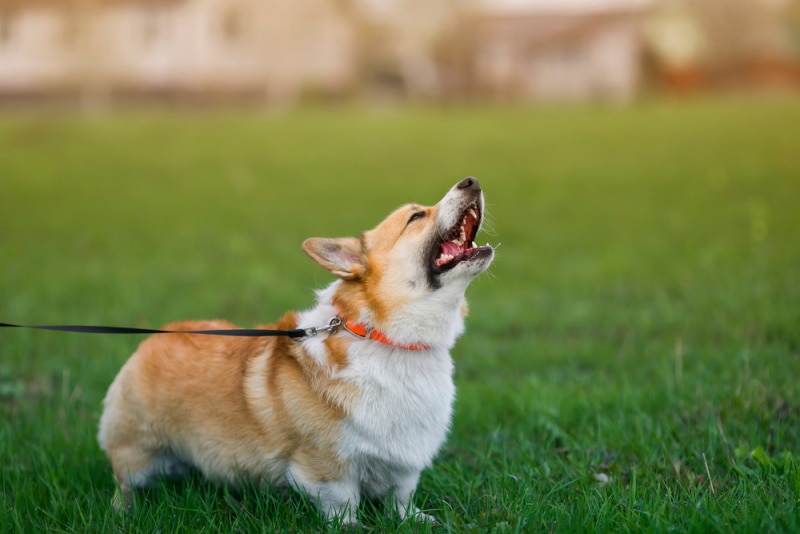
Dogs bark—it’s just what they do. Some dogs bark more than others, and they all take to barking at different things or people, like mail carriers! But why exactly do dogs bark at each other?
There are many reasons that dogs bark at other dogs, but the main one is communication.
That said, the type of communication can be quite varied, which we explore here in addition to tips on getting your dog’s barking under control (at least to a certain extent).

Why Do Dogs Bark at Other Dogs?
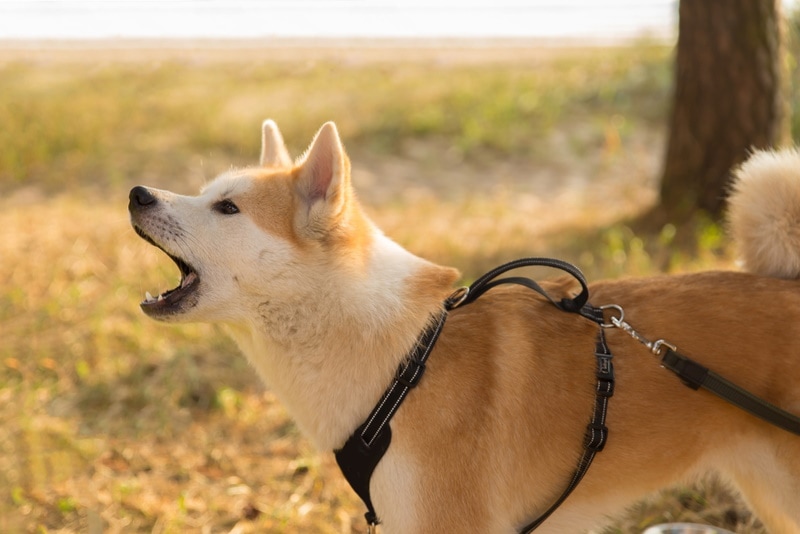
Dogs use barking to communicate, but there are many needs and moods behind the bark.
If you need help training your dog, we suggest speaking with a vet.

The 10 Possible Reasons Why Dogs Bark at Other Dogs
1. Playful
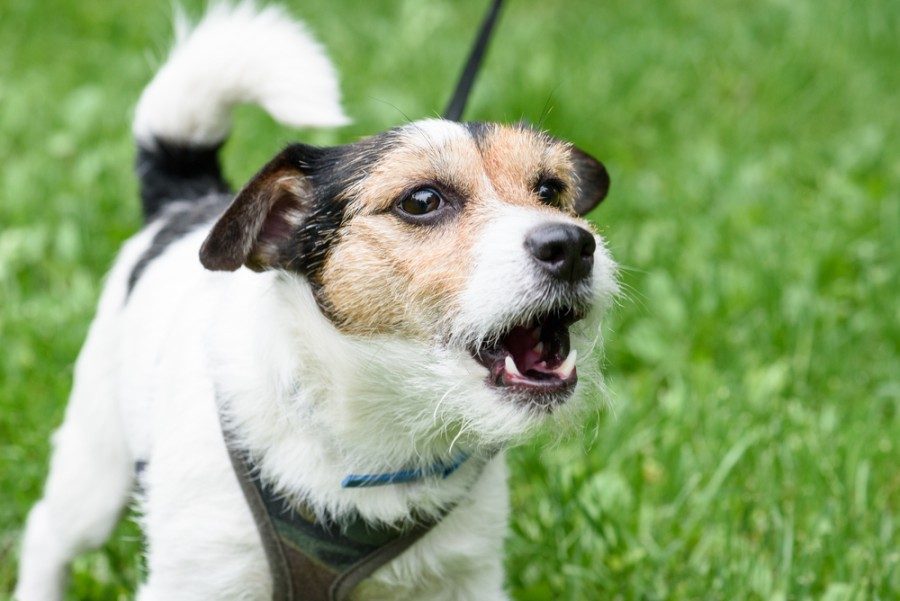
Sometimes, dogs will bark at each other because they feel playful. You’ll frequently see this at the dog park when your dog gets excited at the sight of other dogs. It’s a kind of social barking.
It’s also typically accompanied by the “play bow,” which is when a dog bows down on their front legs with a happily wagging tail and rear end.

2. Excitement
Excitement barking is quite similar to playful barking but is often used when they know that it’s time for a walk or a car ride.
The barking tends to be higher pitched and almost yappy. You’ll see a wiggly dog with a tail wagging like a flag when they are excited and happy!
3. Frustration
In this situation, your dog might be excited to see their doggie pals but frustrated because they are on a leash or they’re only seeing them from the window and not playing with them.
So, this is a partially excited and partially annoyed kind of barking. They might also bark if they want food, toys, or other resources they can’t get to.
4. Attention Seeking
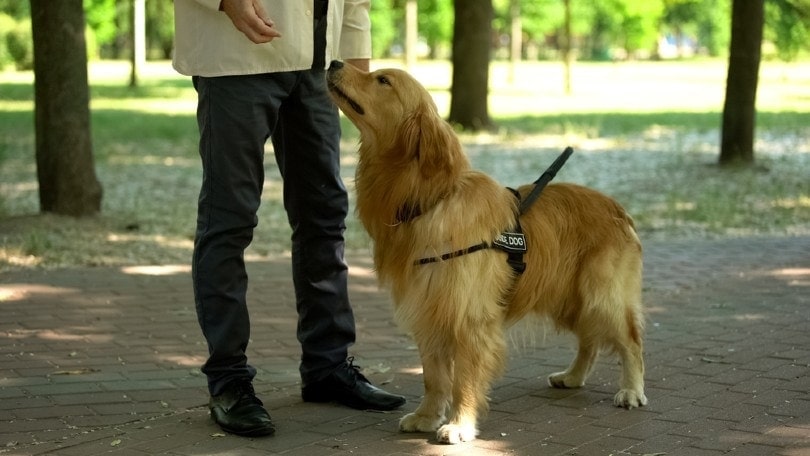
Sometimes, dogs bark at other dogs or people because they want attention. Maybe they feel like they aren’t getting enough attention while at the dog park, or they are hoping for affection or treats from you.
They might also be calling another dog while at the park as an invitation/call to come over and play.

5. Socially Facilitated
Rather than barking because they are being social, socially facilitated barking is when one dog is barking, and others join in.
It’s thought that this type of “pack mentality” harkens back to their wolf heritage. When a wolf starts barking or howling, the rest of the pack joins in, possibly to scare off other packs.
6. Territorial
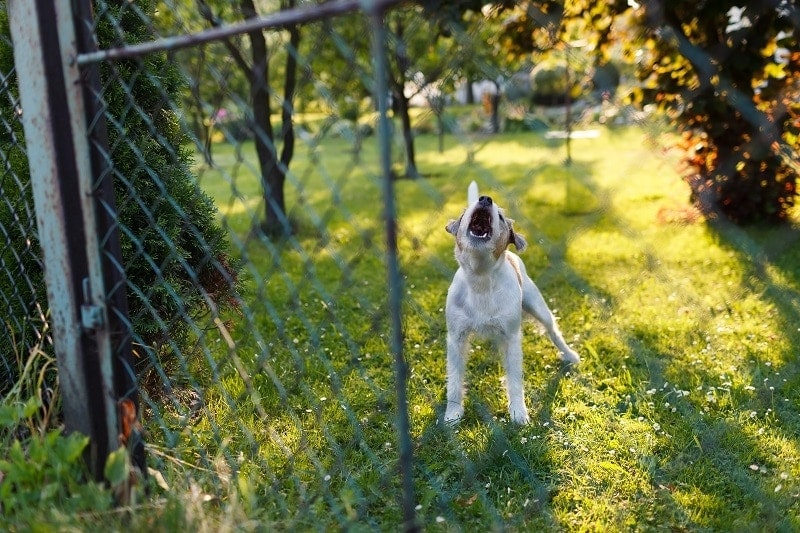
This is one of the most common reasons that a dog barks at other dogs. It typically occurs when other dogs go past their home.
But some dogs might bark at others even while they’re out for a walk themselves because they consider you or the bubble that they are currently in as part of their territory.
7. Reactive
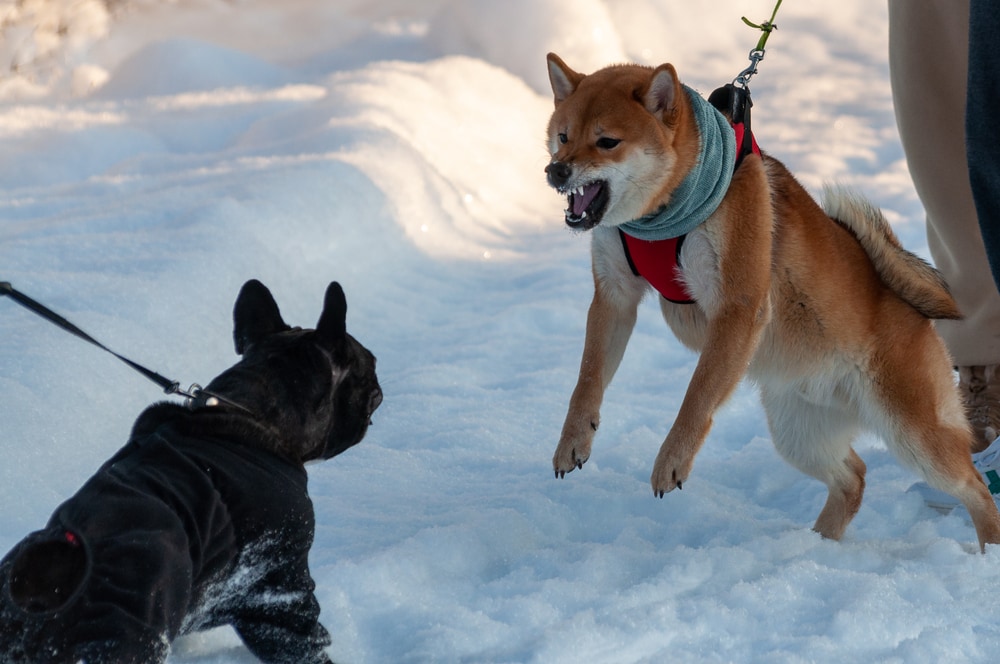
Some dogs might have been abused or neglected in the past or weren’t socialized well as puppies. Reactive barking is typically based on fear, even though it might look aggressive.
This type of reaction can occur due to:
This type of barking is usually accompanied by lunging and growling, which is partly why it appears aggressive.

8. Aggressive
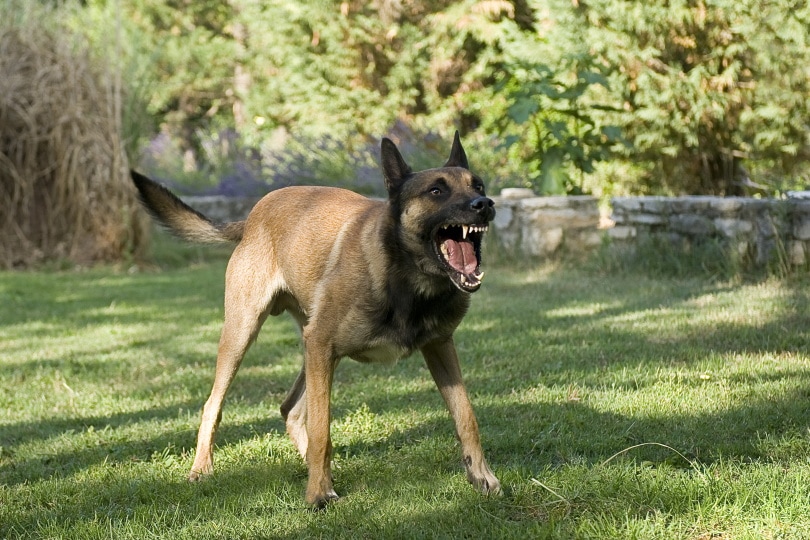
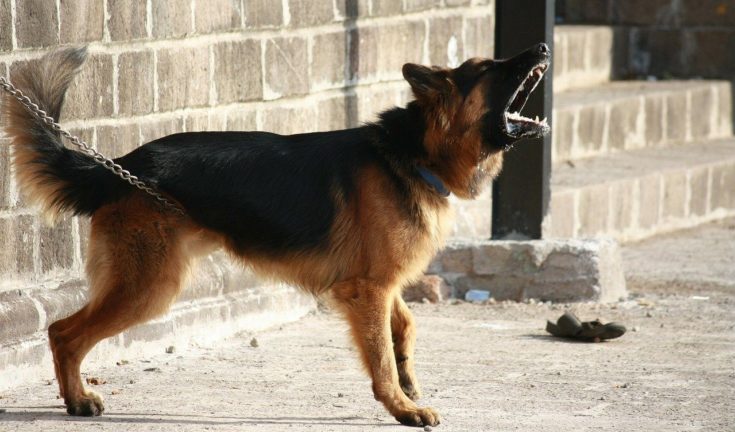
Aggressive barking can stem from being territorial and can also be fear based. This type of barking is typically accompanied by aggressive body language (bared teeth, ears pinned back, hackles raised) and growling. Remember, a tail wag is not always friendly so don’t assume your dog is not aggressive just because the tail is wagging.
In most cases, the dog aggressively barking isn’t necessarily looking for a fight but is using the noise as a threat; however, these dogs may attack and precautions, such as training your dog to wear a muzzle, should be taken to keep all people and animals safe. Desensitization, behavioral modification, and sometimes medication may be needed to resolve the issue.

9. Anxiety
When no one is home, a dog with separation anxiety sometimes barks in distress. This can also occur in dogs with anxiety and phobias.
This barking tends to be high-pitched and might be accompanied by destructive behavior. You’ll need to work with a trainer or animal behaviorist to help your dog cope with their anxiety.
10. Boredom
Sometimes, when a dog is bored, they bark because they are lonely and are hoping for attention. This one is easy to resolve: Regularly take your dog for a walk, or have nice playing sessions followed by cuddles.


Ways to Understand Why Your Dog Is Barking
It’s all about the context in addition to the barking. It can be easy to misinterpret why your dog is barking at other dogs unless you understand the body language.
- Bared teeth, ears pinned back, and hair standing on end (hackles raised): This can be anxiety, stress, or aggression.
- Pawing, bowing, tail wagging, and nudging: These can indicate a happy, welcoming, and playful dog.
- You’re present or your dog is home: Barking in this instance can be an alert, territorial, or welcoming.
- Approaching a dog or pack of dogs: Barking here might be due to anxiety, aggression, or playfulness.


How to Stop Excessive Barking
Before attempting to reduce the barking, you’ll need to understand why your dog is barking in the first place.
1. Remain Calm
You should always remain calm during these times. Your dog will pick up on your mood if you’re stressed or frustrated, which might only increase your dog’s reactivity. This also means you should never punish your dog when they start barking.

2. Train Them
Training your dog using positive reinforcement is the best way to help reduce the barking. If your dog is easily stressed and anxious, you should consult with your vet and consider working with a trainer. Training your dog to be "quiet" and "speak" on command should also help with excessive barking.
3. Deal With the Reactivity
If your dog is reactive around other dogs, consider working with a trainer to desensitize them and train correct behavior. In the meantime, a few ways for you to help reduce your dog’s reactivity include the following:
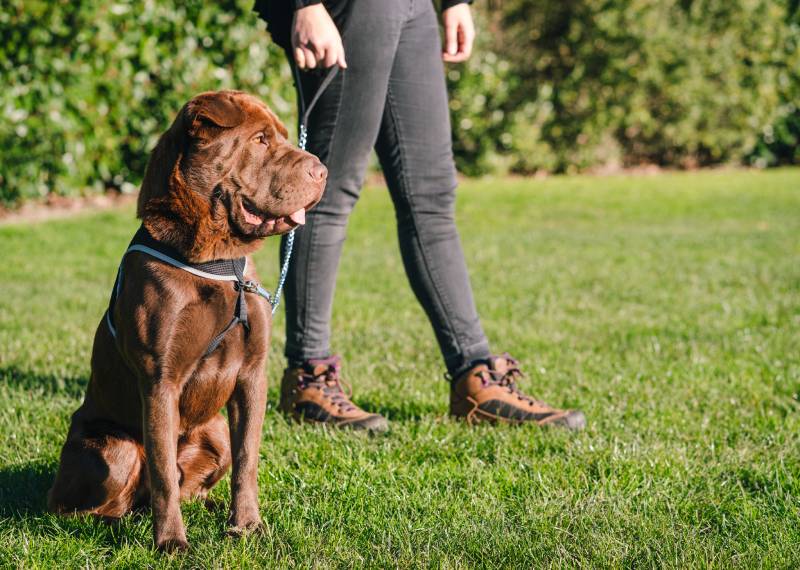
- Get a Harness: If you don’t use a harness already, consider using one for your dog. It gives you better control when your dog starts pulling at the leash.
- Head Off Trouble: If you see a dog approaching and you know that your dog will react, turn around or cross the street.
- Know the Triggers: You should monitor your dog’s behavior and figure out what is triggering the behavior. This way, you can attempt to avoid or reduce it.
Remember that dogs naturally bark, which is fine as long as it's occasional. But if the barking is excessive, patience and training should go a long way in reducing it, especially toward other dogs.
Conclusion
Barking is a natural and normal form of communication for dogs, and they must be allowed to bark. But you can take action when it becomes excessive or is accompanied by worrying reactiveness.
Remember to look at what your dog is barking at and their body language. You should be able to determine if the way that your dog is acting is typical or if it will need intervention from a professional.
Sources
Featured Image Credit: Semiglass, Shutterstock
Get Hepper In Your Inbox


Pet care tips from our vets and experts, straight to your inbox.
You may opt-out at any time. View our Privacy Policy for more information.
Kathryn was a librarian in a previous lifetime and is currently a writer about all things animals. When she was a child, she hoped to work in zoos or with wildlife in some way, thanks to her strong love for animals. Unfortunately, she's not strong in the sciences, so she fills her days with researching and writing about all kinds of animals and spends time playing with her adorable but terribly mischievous tabby cat, Bella. Kathryn is hoping to add to her family in the near future – maybe another cat and a dog.
Join the conversation
Ask a question, share your story, or send private feedback.