Hepper blog

Search our database of over 9,984 posts with up-to-date information from our experts and veterinarians.

Hepper is reader-supported. When you buy via links on our site, we may earn an affiliate commission at no cost to you. Learn more.

What Are BHA and BHT in Dog Food? Vet-Reviewed Preservatives & Canine Safety

By Nicole Cosgrove · Reviewed & fact-checked by Dr. Maxbetter VizelbergVet Approved
Dr. Maxbetter Vizelberg
Reviewed & Fact-Checked byDr. Maxbetter VizelbergVeterinarian
Maxbetter grew up in New Orleans, Louisiana, and has been interested in veterinary medicine since childhood. Being read Russian children’s stories about “Doctor Aybolit” by his grandmother, interning at the Israeli Wildlife Hospital, and working at numerous small animal hospitals have all been part of his lifelong love of animals. Maxbetter currently practices in New York City, and enjoys educating others to help them give their animals the best possible lives. He always strives to provide excellent medical care to his patients. Outside the clinic, he can be found playing basketball and soccer, performing his rap songs at open mics, and going on hikes with family and friends.View authorThe information is current and up-to-date in accordance with the latest veterinarian research. Read about our vets
Share
Ask us a question in the comments
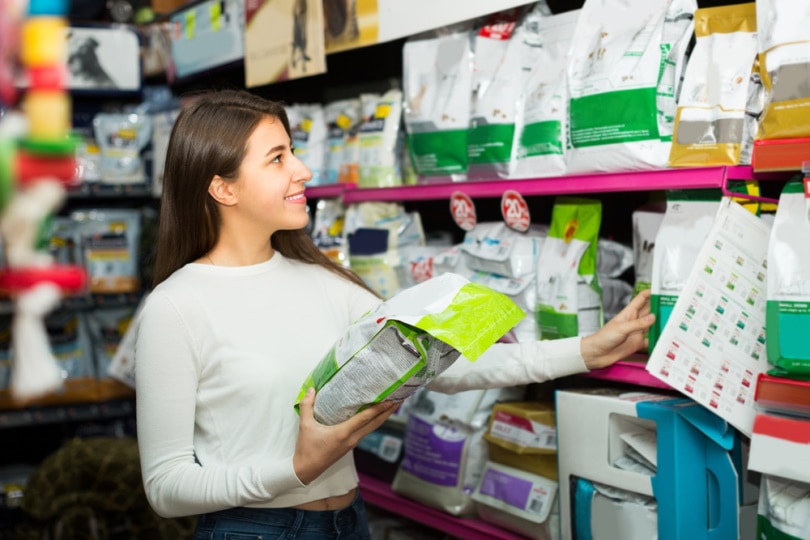
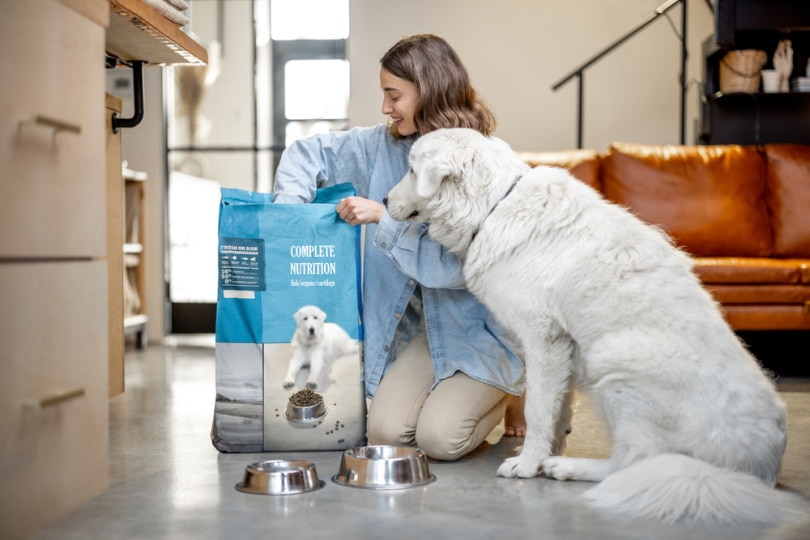
woman buying dog food in pet store

Have you ever looked at the ingredients in your dog’s food? There are items like chicken, by-product meal, and so on. We may know what some of the ingredients are, and some we may not. One thing is for sure, as pet parents, we cannot assume that all the ingredients in our pet’s food are safe.

Two questionable ingredients that may be listed on some dog foods are BHA and BHT. In short, Butylated hydroxyanisole or E320 (BHA) and butylated hydroxytoluene or E321 (BHT) are artificial antioxidants used to help your dog food stay fresh for longer. Let’s take a closer look at what these ingredients are, shall we?

Are BHA and BHT Safe for Dogs?

If you are currently feeding your dog or cat a commercial dog food, you may want to learn about these two ingredients.

Butylated hydroxyanisole or E320 (BHA) and butylated hydroxytoluene or E321 (BHT) are widely used artificial antioxidants. They're added to prevent processed foods from getting rancid. BHA and BHT are chemically manufactured antioxidants used to maintain freshness and preserve foods for humans, dogs, and cats.

Like humans, dogs require certain antioxidants for proper bodily function and overall health. BHA or BHT are good at slowing the oxidation process in dog food and keeping them fresh for longer. While less effective, ascorbic acid and tocopherols may present a healthier option.

According to PetMD, BHA is a carcinogen and reproductive toxicant and is included in California’s Office of Environmental Health Hazard Assessment list. The National Institute of Health claims that “dietary exposure to BHA caused benign and malignant tumors of the forestomach (papilloma in squamous-cell carcinoma) in rats of both sexes and male mice and hamsters.

While BHT is widely used in the United States, it's no longer used as a preservative in human food in Japan, Australia, Sweden, and Romania. BHT is known to cause liver and kidney damage in rats.

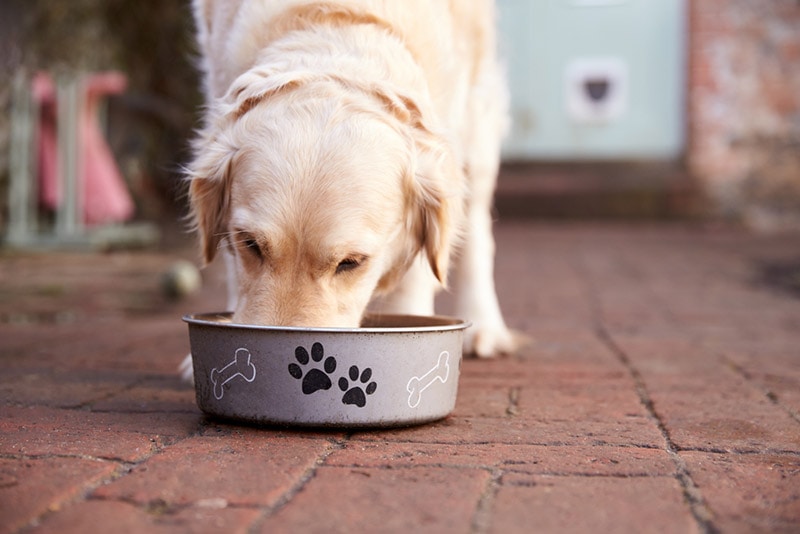
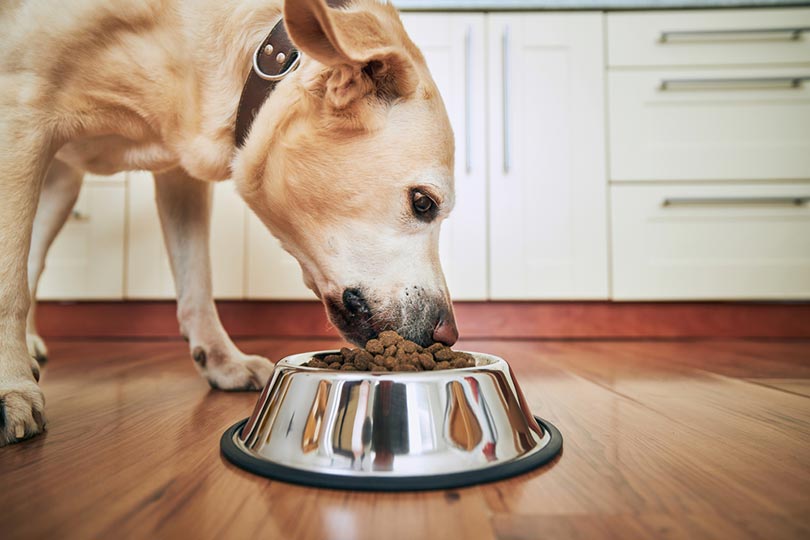
labrador dog eating
Image Credit: Olena Yakobchuk, Shutterstock

Antioxidants

Dogs and cats are exposed to smoke, pesticides, and pollution daily. Antioxidants are essential for fighting free radicals and detoxifying the bloodstream.
  • Vitamin E is a natural immune system booster to help prevent cancer, diabetes, and heart disease. Vitamin E provides older dogs with needed energy and helps their body to fight off viruses and bacteria.
  • Vitamin C is important for continued health. Vitamin C can aid in wound healing, joint pain, and inflammation of the gums. For older dogs, vitamin C helps their body fight off viruses and bacteria, provides needed energy, and protects their joints from the wear and tear that comes with age.
  • Beta carotene is an essential nutrient that’s contained in vegetables and fruits. Beta carotene increases cell production and boosts antibodies in the system.
  • Selenium is a nutrient that is good for cognitive and heart function. It can decrease asthma symptoms and aid in cancer prevention and thyroid health.
  • Polyphenols help to protect against diabetes, cancer, heart disease, and osteoporosis.
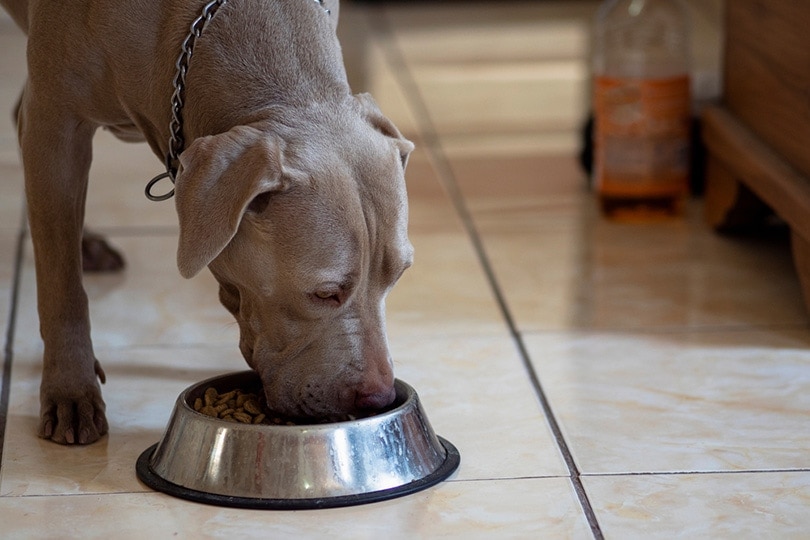
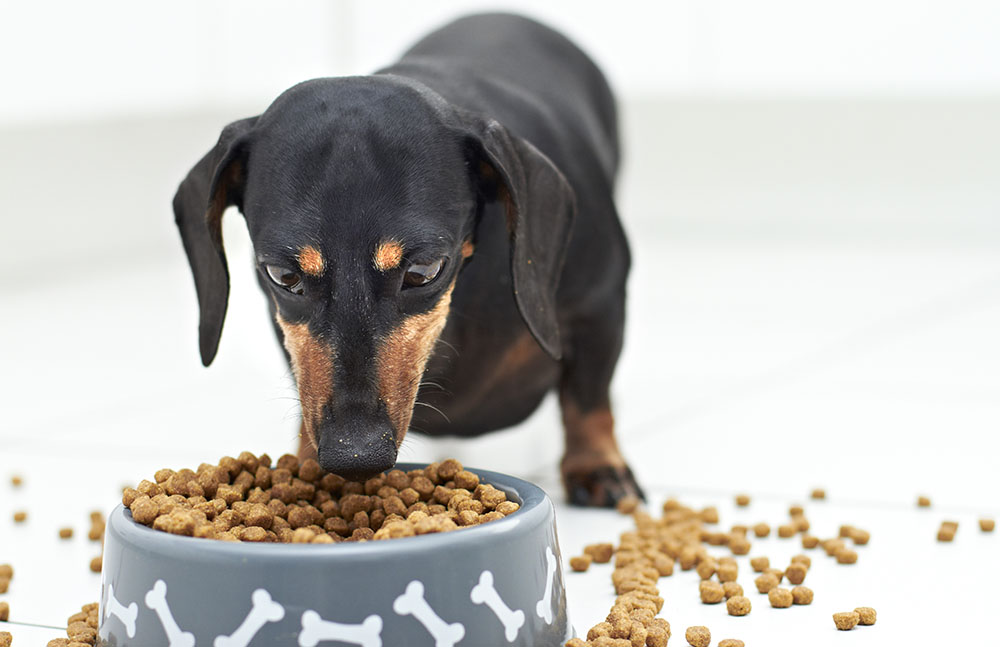
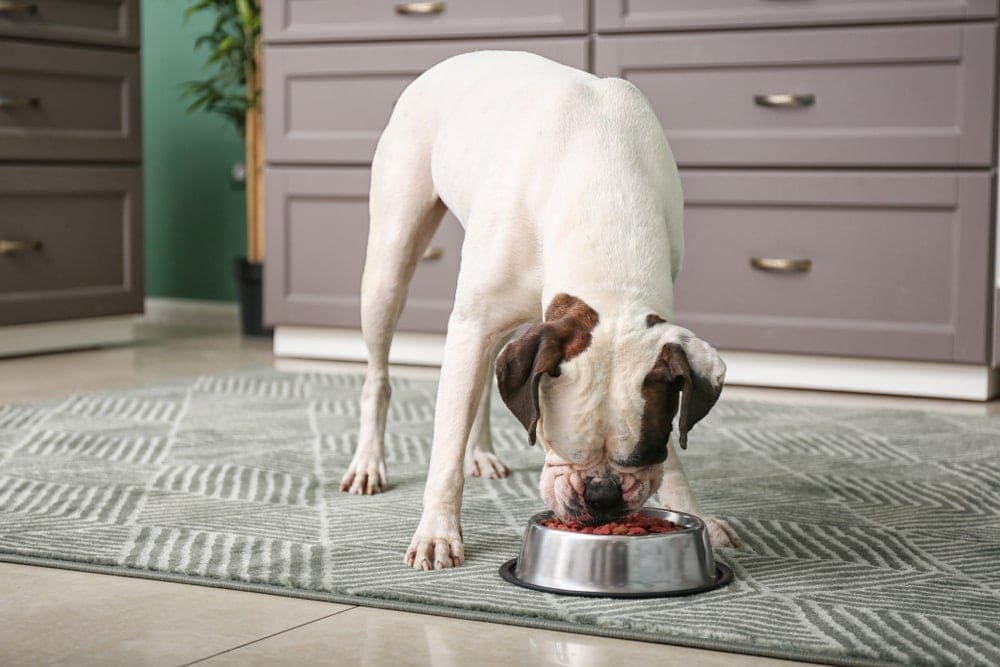
dog eating from bowl in kitchen
Image Credit: Pixel-Shot, Shutterstock

There are natural and healthy choices for foods that are high in antioxidants, for example:

  • Blueberries
  • Raspberries
  • Cranberries
  • Strawberries
  • Bananas
  • Beets
  • Spinach and Kale
  • Red cabbage
  • Apples
  • Sweet potatoes
  • Pumpkin
  • Broccoli
  • Artichokes

The natural foods named can be used as an alternative to BHA and BHT, given that BHA and BHT have the potential to make our pets sick, we need to get better educated about the ingredients being used in their food.

Buying better quality foods that contain ingredients, like blueberries and pumpkin, may help prevent some of the risks of illness and disease for your pet. As the saying goes, “You are what you eat”.
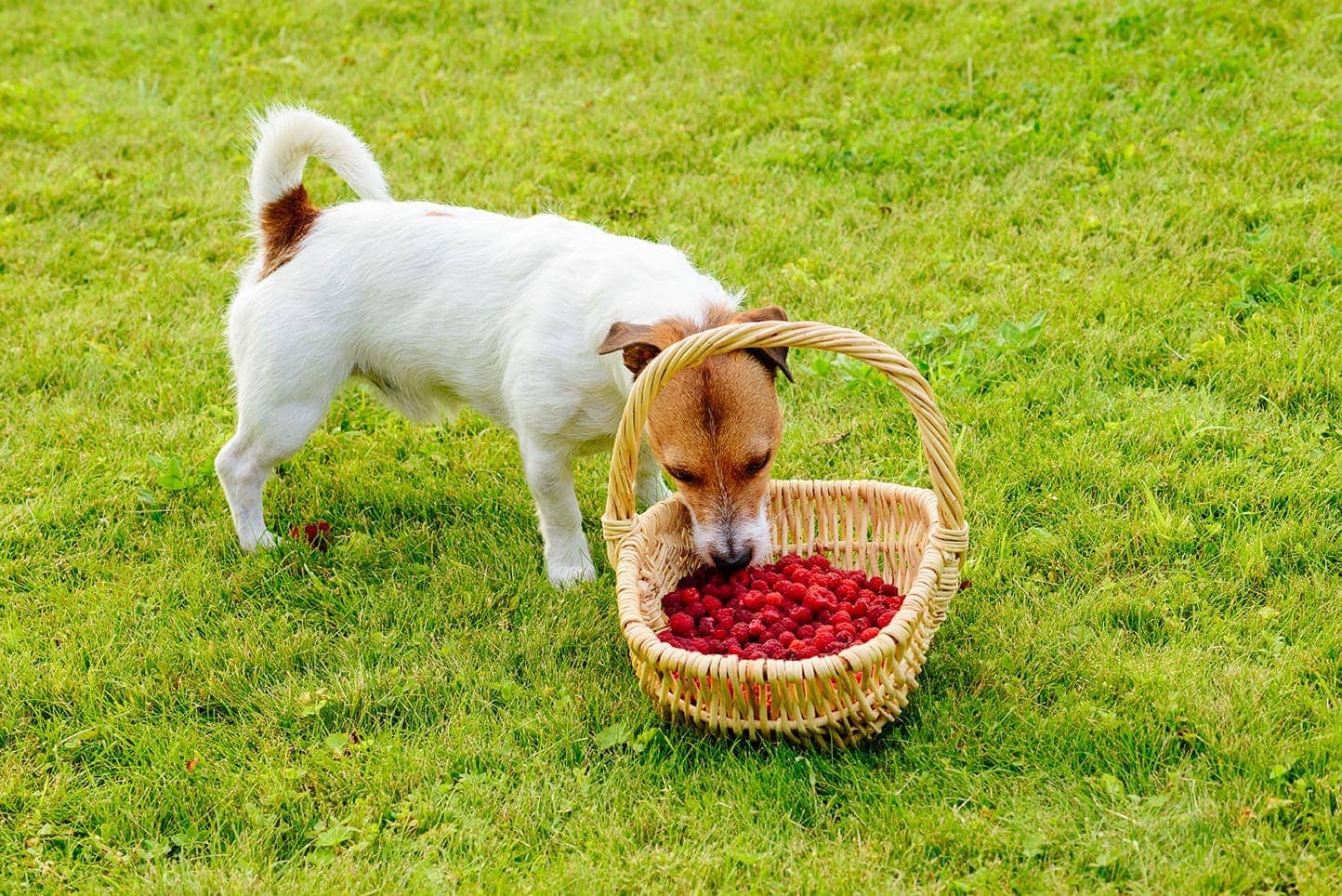
dog eating raspberries from the basket
Image By: alexei_tm, Shutterstock

Conclusion

Not all dog food ingredients are good for your pet’s health. As dog or cat parents, it is up to us to keep our babies healthy. In doing your research and exploring your options, you will find the pet food industry has expanded over the years. There are many healthier choices for pet owners who want to provide healthy and tasty options for their pooch.

Sources

Featured Image Credit: BearFotos, Shutterstock

Get Hepper In Your Inbox

Pet care tips from our vets and experts, straight to your inbox.

List

Select all that apply.

You may opt-out at any time. View our Privacy Policy for more information.

Nicole Cosgrove
Authored by

Nicole Cosgrove

Join the conversation

Ask a question, share your story, or send private feedback.
Rate this post
Required to post. Only our editors see your rating.
Who should see this?

A human reviews every comment before it appears. Your email is never published.

Picked to go with this article

TBHQ In Dog Food: Vet-Reviewed Safety & Controversy Facts

TBHQ In Dog Food: Vet-Reviewed Safety & Controversy Facts

If you have ever read food labels, you may have encountered some things you do not recognize, or even pronounce! One of them could be tertiary butylhydroquinon…

Hanh Duong
By Hanh Duong ·
What Are Tocopherols in Dog Food? Vet-Reviewed Definition & Facts

What Are Tocopherols in Dog Food? Vet-Reviewed Definition & Facts

For many, making sense of the nutritional information on your dog’s food packet can be a nightmare—with words and phrases like “crude ash”, “by-products”, and…

Kit Copson
By Kit Copson ·
10 Ingredients to Avoid in Dog Food: Vet-Approved Facts & FAQ

10 Ingredients to Avoid in Dog Food: Vet-Approved Facts & FAQ

Many pet owners tend to not read the ingredient labels on their pets' food. But more people are starting to become more aware of what should and shouldn’t be i…

Kathryn Copeland
By Kathryn Copeland ·
Ethoxyquin in Dog Food: Vet-Approved Safety, Concerns, & FAQ

Ethoxyquin in Dog Food: Vet-Approved Safety, Concerns, & FAQ

When you're choosing what your dog will be eating, it is important to be aware of any harmful ingredients. When it comes to dry or freeze-dried dog food, there…

Krystal Facey
By Krystal Facey ·

Keep reading

More stories you might like

Is Kibble Bad for Dogs? Vet Approved Advice

Kibble is the standard diet for most dogs and has been commercially produced and fed to dogs since 1956. Dogs don't get to choose what they eat, but typically…

Nicole Cosgrove
By Nicole Cosgrove ·
Is Kibble Bad for Dogs? Vet Approved Advice

5 Foods High in Vitamin E For Dogs: Vet-Approved Options

The right dose of vitamin E will boost and supplement your dog’s immune system and promote healthy muscles, heart, liver, skin, and coat. Vitamin E is also a p…

Cheryl Regan
By Cheryl Regan ·
5 Foods High in Vitamin E For Dogs: Vet-Approved Options

What Is Dog Food Made Of? 7 Typical Ingredients (Vet-Reviewed)

If you have a dog, you very likely feed them specific dog food of some sort. While all dog food has different ingredients, there are a few ingredients that are…

Kristin Hitchcock
By Kristin Hitchcock ·
What Is Dog Food Made Of? 7 Typical Ingredients (Vet-Reviewed)

Is Food Coloring Safe for Dogs? Vet Approved Safety Facts

Most food is processed for humans and dogs. Processing alters the natural state of food, removes bacteria, improves its shelf life, and makes it visually appea…

Nicole Cosgrove
By Nicole Cosgrove ·
Is Food Coloring Safe for Dogs? Vet Approved Safety Facts

What Are Byproducts in Dog Food? Vet-Reviewed Nutrition Facts & FAQ

If you're like most dog owners, you want to make sure that your pup is eating a healthy diet. But with all of the different options on the market, it can be to…

Nicole Cosgrove
By Nicole Cosgrove ·
What Are Byproducts in Dog Food? Vet-Reviewed Nutrition Facts & FAQ

Do Dogs Need Supplements? Vet-Approved Facts & Tips

One of the most important jobs that we have as dog owners is keeping our pets healthy throughout their lives. Going on walks together, playing in the house, of…

Rachael Gerkensmeyer
By Rachael Gerkensmeyer ·
Do Dogs Need Supplements? Vet-Approved Facts & Tips

Does My Dog Need Grain in Their Diet to Stay Healthy? Vet-Reviewed Facts & FAQ

As facultative carnivores, dogs can digest and obtain nutrients from various sources, including animal protein. grains, fruits, vegetables, and even some root-…

Lorre Luther
By Lorre Luther ·
Does My Dog Need Grain in Their Diet to Stay Healthy? Vet-Reviewed Facts & FAQ

Is There Mercury In Dog Food? Diet & Health Facts, FAQs & Advice

We all want to provide our dogs with the best possible care, which includes healthy meals that will keep our dogs full and active throughout the day. While the…

Visnja Radosavljevic
By Visnja Radosavljevic ·
Is There Mercury In Dog Food? Diet & Health Facts, FAQs & Advice