Hepper is reader-supported. When you buy via links on our site, we may earn an affiliate commission at no cost to you. Learn more.
Endocrine Diseases in Dogs: 6 Vet-Reviewed Signs & Treatments


In this article
If you're a dog parent, you should familiarize yourself with the possible conditions and diseases that your canine may suffer from in the future. Unfortunately, dogs have a predisposition for various health issues, with common ones being endocrine diseases, such as diabetes mellitus.
Endocrine diseases occur due to an imbalance in hormone levels in your dog’s body. When a dog suffers from an endocrine disease, their glands either produce too many hormones or not enough.
Many endocrine diseases could potentially be fatal for your furry companion, which is why you need to know how to recognize their signs and learn about the possible treatment options.
Read on to learn more about endocrine diseases in dogs and their treatment options and determine if your dog may need to visit the vet.

What Are Endocrine Diseases? Are They Life-Threatening to Dogs?
Endocrine diseases are connected with either problem with specific hormone levels or a malfunction in a hormonal receptor.1 These diseases can affect both humans and animals, including dogs. It is ideal to learn more about them and how to recognize their signs.
The most common endocrine diseases in canines are detailed in this chart:
| Endocrine Diseases | What Is It? | Signs in Dogs |
| Diabetes Mellitus | Problems with insulin inside the dog’s body |
|
| Hypothyroidism | Problems with low levels of thyroid hormone |
|
| Addison’s Disease (Hypoadrenocorticism) | Problems with having a lack of steroid hormones |
|
| Cushing’s Disease (Hypercortisolism) | Increased levels of cortisol (stress hormone) in your dog’s body |
|
Although endocrine diseases result from entirely different gland-related problems in your dog’s body, they often have similar signs.
Therefore, observing your dog could help you react in time and get them to the vet to determine what is happening. If your dog suffers from an endocrine disease, noticing the signs early will allow you to start treatment and reduce further health problems immediately.

The 6 Signs of Endocrine Diseases in Dogs
Most of these signs occur for all endocrine diseases and are indicators that your canine could be suffering from one of them.
1. Increased Hunger/Lack of Appetite
A common sign of endocrine diseases in dogs is either increased hunger or lack of appetite. This will vary depending on the disease that your furry companion has.
Dogs suffering from diabetes mellitus and Cushing’s disease will experience signs such as increased hunger. Conversely, dogs suffering from hypothyroidism and Addison’s disease typically experience a lack of appetite.
Due to the lack of appetite/excessive appetite, many dogs may also experience weight-related changes.

2. Weight Gain/Weight Loss
Weight gain or weight loss are common signs of endocrine diseases in dogs. Hypothyroidism and Cushing disease can lead to your dog gaining weight, while Addison’s disease and diabetes mellitus can lead to weight loss.
Since these signs are common in all endocrine diseases, it’s essential to speak to your vet if you notice any of them.
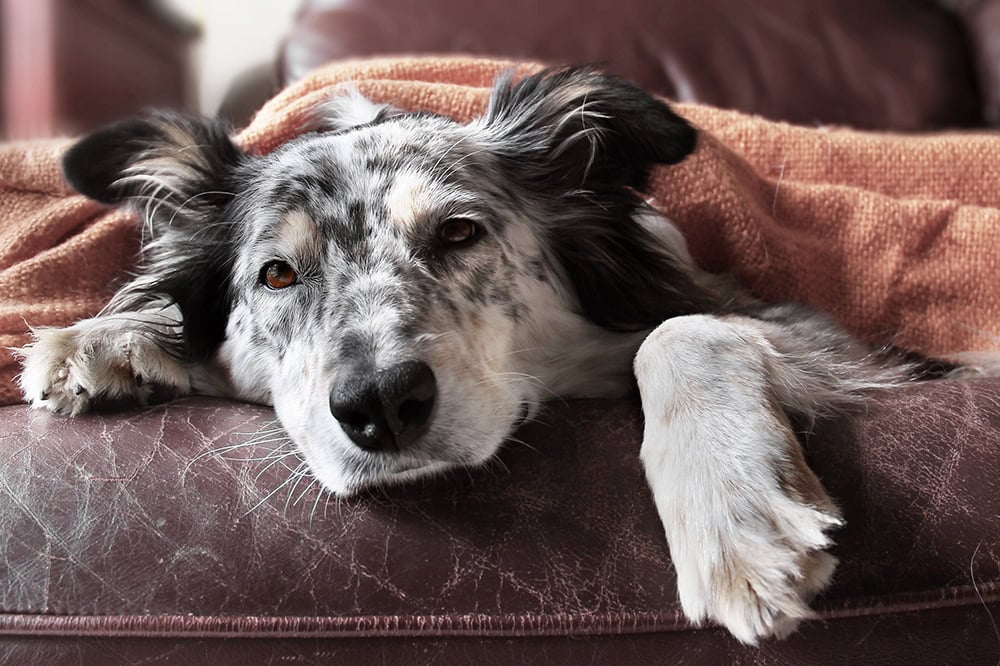
3. Lethargy
A common sign in all endocrine diseases is lethargy. Many of these conditions make dogs feel tired due to the marked imbalances in hormones and nutrients, which is why they become intolerant to exercise and are unable or unwilling to engage in daily activities.
That said, lethargy is a potential sign of various other diseases, besides endocrine diseases. Therefore, you should speak with your vet if you notice lethargy in your dog and figure out what’s happening and how you can help your canine.

4. Dermatological Lesions
It’s common for all endocrine diseases to manifest themselves through skin problems and dermatological lesions. A common endocrine disease that causes these lesions is hypothyroidism, which can lead to seborrhea, alopecia, and skin infections.
Dermatological lesions and skin problems are also quite common with hypercortisolism, while they are less frequent with diabetes mellitus and Addison’s disease.
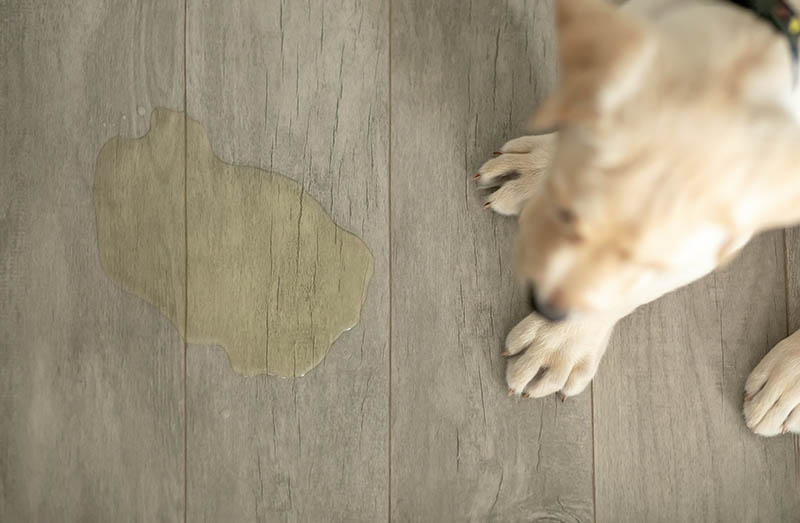
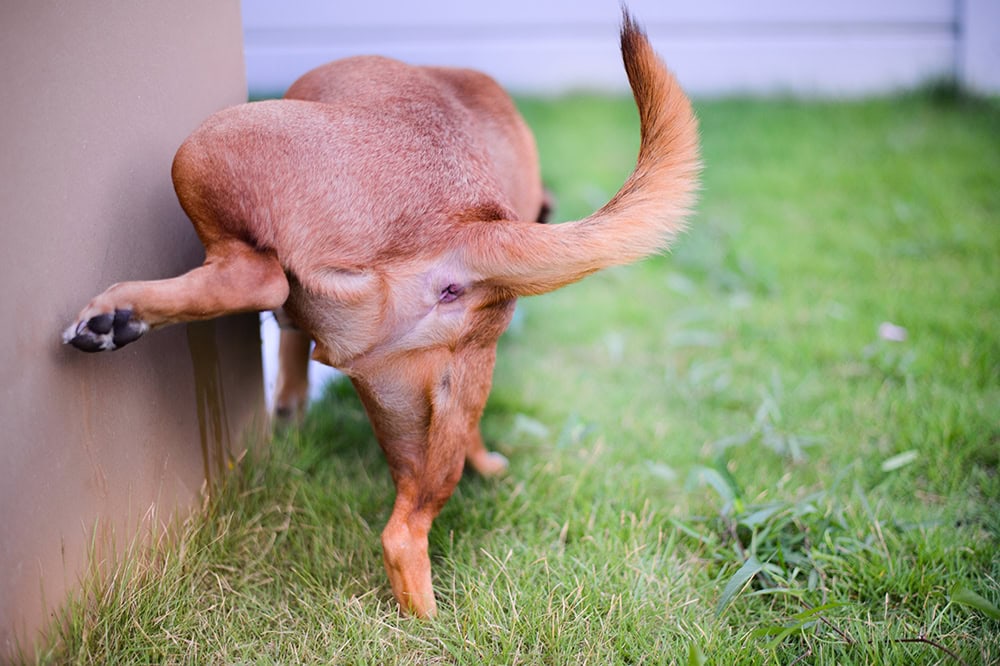
5. Excessive Urination
A common sign for all endocrine diseases is excessive urination. This problem is especially noticeable in dogs suffering from diabetes mellitus and Cushing disease.
Excessive urination occurs because your dog’s body cannot excrete the solutes that the dog’s kidneys are unable to process. Although excessive urination may not seem too alarming, it can be uncomfortable for your furry friend and may eventually lead to dehydration.
6. Excessive Thirst
Excessive thirst occurs in various health conditions in dogs, including all endocrine diseases. It’s most common in diabetes mellitus.
Your dog should drink 1 ounce of water per pound of weight every day. If you notice that your dog is drinking more water than that, it may indicate a health problem. It’s best to consult your vet about any possible health issues that your furry friend may be experiencing.
Treatment Options for Dogs Suffering From Endocrine Diseases
Treatment options for a dog suffering from an endocrine disease will depend on the type of disease that the dog has. As each disease is different, they all have different treatment methods and options.
Treatment for Diabetes Mellitus in Dogs
Diabetes mellitus is incurable, but various treatment options can help your dog live a long and comfortable life.
Common ones include:

Treatment for Addison’s Disease in Dogs
If your dog suffers from Addison’s disease, the first step in the treatment process may be to resolve the adrenal crisis in your dog’s body. This is an emergency procedure, so your dog will be hospitalized and undergo intensive therapy in order to manage the crisis.
After your dog is no longer in danger, the vet will likely prescribe medication for hormone replacement, while your dog will need regular checkups to ensure that the treatment is going well.
Like other endocrine diseases, Addison’s disease is incurable, but the treatment should help your dog live a normal, comfortable life.
Treatment for Cushing Disease in Dogs
Cushing’s disease is treatable, but the only way to entirely treat this condition in dogs is to remove the adrenal tumor if it hasn’t spread.
More commonly, treatment options include medications. Surgery and tumor removal are not typically recommended, as they could be life threatening. Although the medications are unable to completely cure your dog, they can reduce the signs of this endocrine disease and enable your dog to live a comfortable life regardless of it.
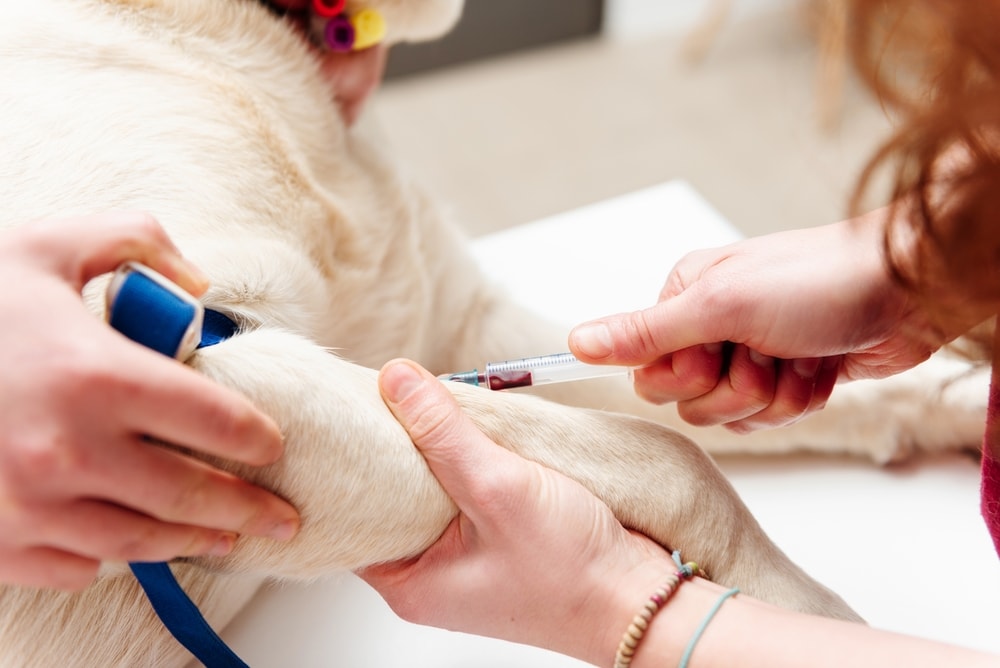
Dogs suffering from Cushing’s disease will likely need to have regular vet visits and frequent blood tests to determine the dog’s reaction to the medication. Some of the meds used to treat this disease may have side effects.
Treatment for Hypothyroidism in Dogs
As with other endocrine diseases, there’s no way to entirely cure hypothyroidism. However, these dogs can receive treatment that will help them continue to live their lives normally.
There are two main medications that are FDA approved for treating hypothyroidism in dogs in the US; other medications may be used in other countries.
First, speak to your vet to ensure that your dog is indeed suffering from hypothyroidism and to get advice on what your next step in the treatment process should be.
Conclusion
Endocrine diseases in dogs have many similar signs, which can make it hard to tell what exactly is going on with your furry companion. These diseases are untreatable, but your dog can still live a normal life if you notice the signs in time and react accordingly.
If you see any signs of endocrine disease in your dog, it’s best to immediately consult your vet. They will do further testing and determine the proper treatment option.
Featured Image Credit: Lindsay Helms, Shutterstock
Get Hepper In Your Inbox


Pet care tips from our vets and experts, straight to your inbox.
You may opt-out at any time. View our Privacy Policy for more information.
Visnja is a content writer that covers various topics such as DIY, pets, home improvement, travel, gardening, and more.
She is a young mom and a college student, who didn’t have enough time to balance her personal and work life, so after multiple years of working a regular 9 to 5 job, she decided to pursue her passion and make a living out of it. She has been writing for a couple of years, helping people find valuable and interesting information online.
Join the conversation
Ask a question, share your story, or send private feedback.