Hepper is reader-supported. When you buy via links on our site, we may earn an affiliate commission at no cost to you. Learn more.
The Human's Guide to Cat Hair: Types, Lengths & More

In this article
If you have cats, your house has cat hair. Unless you are rooming with a hairless breed, loving a cat means plucking strands of cat fur off the recliner and out of your morning coffee. But did you know there’s a lot more to cat hair than meets the eye?
For instance, did you realize cats have 60,000 hairs per square inch on their backs and about 120,000 hairs per square inch on their undersides? Whipping out a calculator and our rusty math skills to answer the pressing question "how many hairs are on a cat?" we figured that the average cat has around 40 million hairs—give or take a few million depending on the breed.
Cats need all that hair for a reason, and it’s not just to coat your sofa, carpet, and favorite bedspread. Hair is a vital part of a cat’s integumentary system, which regulates body temperature, protects internal structures, and helps conceal the animal from predators and prey alike.

The Humans Guide to Cat Hair
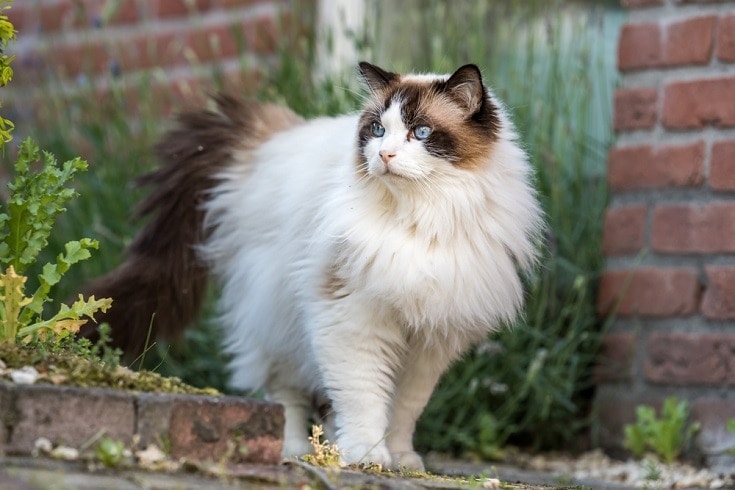
With some exceptions, like so-called hairless cats (which aren’t hairless at all), felines sport four distinct types of hairs: down hairs, awn hairs, guard hairs, and vibrissae (whiskers).
- Down hair: This soft, silky hair forms a thick undercoat. It insulates a cat’s body from inclement weather and heat loss. Some cats, such as the Javanese, do not have a layer of down. Others, like the Devon Rex, have only down hair.
- Awn hair: This secondary hair is coarser than down and has darkened tips. Awn hair helps insulate the cat and protect its down hairs. Most of a cat’s visible coat is composed of awn hairs. In some breeds, such as the tailless Manx, the awn hairs are longer than the cat’s outer guard hairs.
- Guard hair: These long, coarse hairs form a cat’s outer coat. Their job is to keep your cat dry by retarding water. Plus, the color of your cat’s guard hairs will determine the color of her coat.
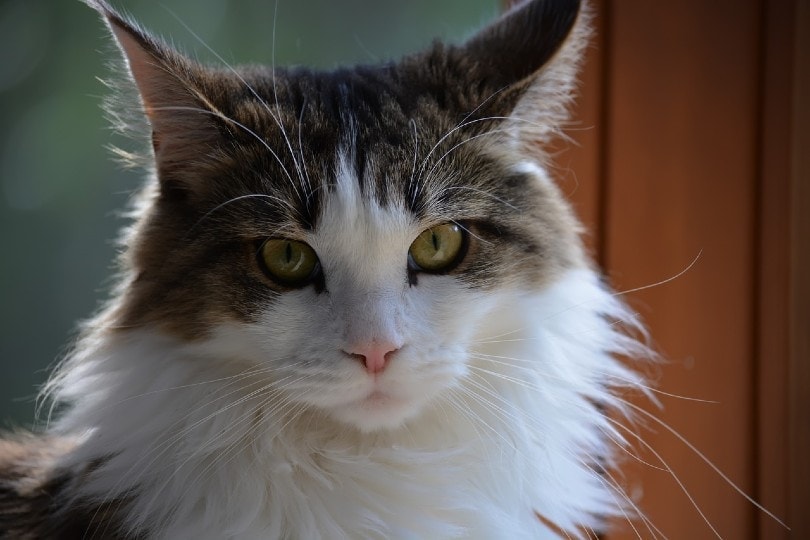
- Vibrissae: Whiskers are especially thick tactile hairs with a special job. Besides the whiskers on a cat’s muzzle, they also sprout from above a cat’s eyes, on his cheeks, and on the outer sides of his legs. Whiskers help a cat gauge the size of an opening and even provide orientation for a cat traveling in darkness.
“We figured that the average cat is sprouting around 40 million hairs—give or take a few million depending on the breed.”
Not every cat has all four cat coat types. Some, such as the Sphynx, are covered only in a single hair variety called vellus. This baby-fine hair is the same type that covers most of a human’s skin. Cat hair can be long or short, curly or straight, plush or thin, fine or coarse depending on its breed.
The 4 Cat Fur Types/Cat Coat Types
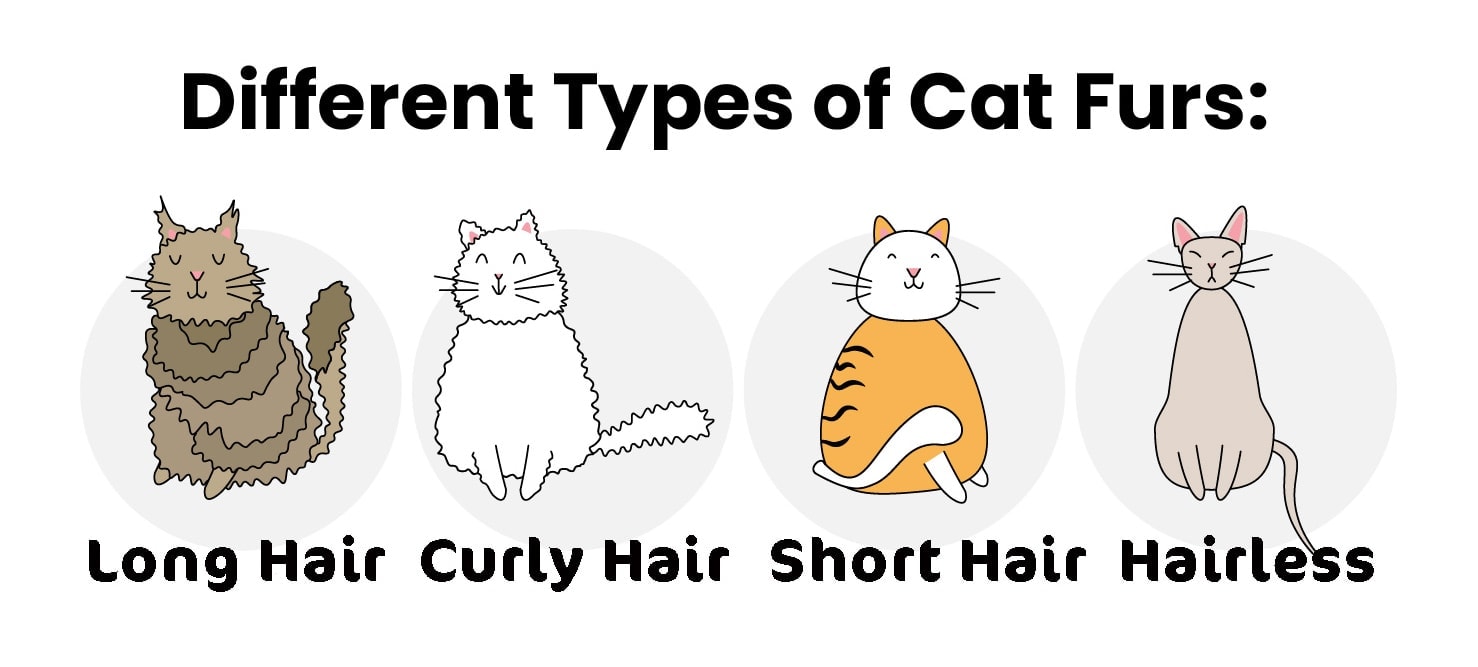
1. Long-haired cats
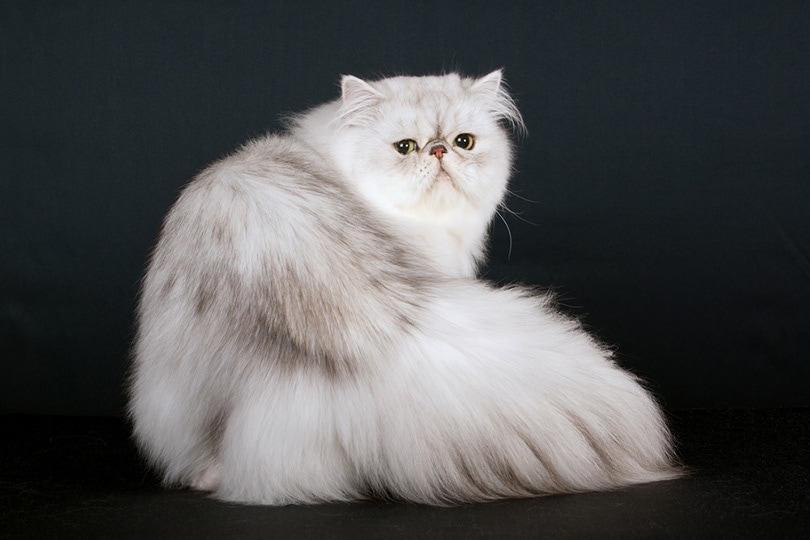
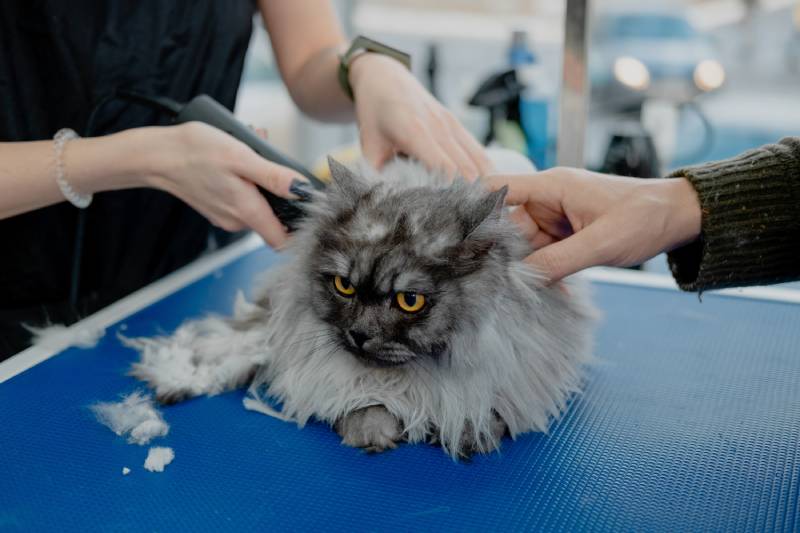
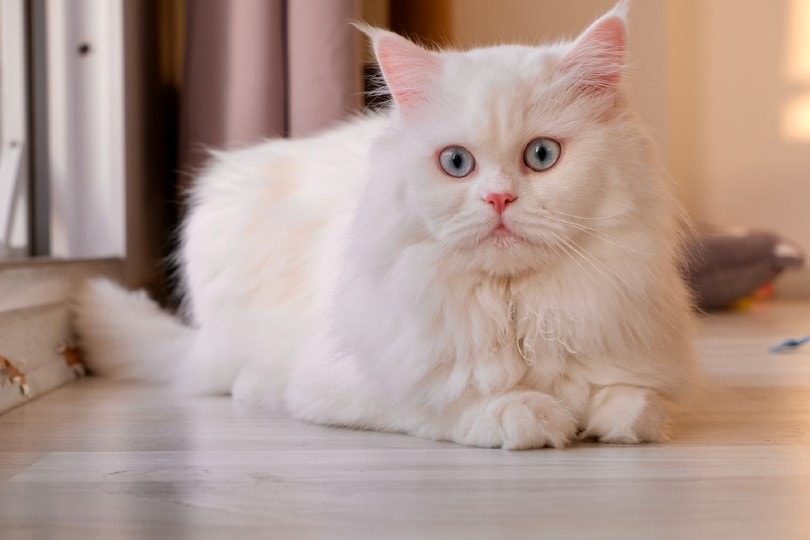
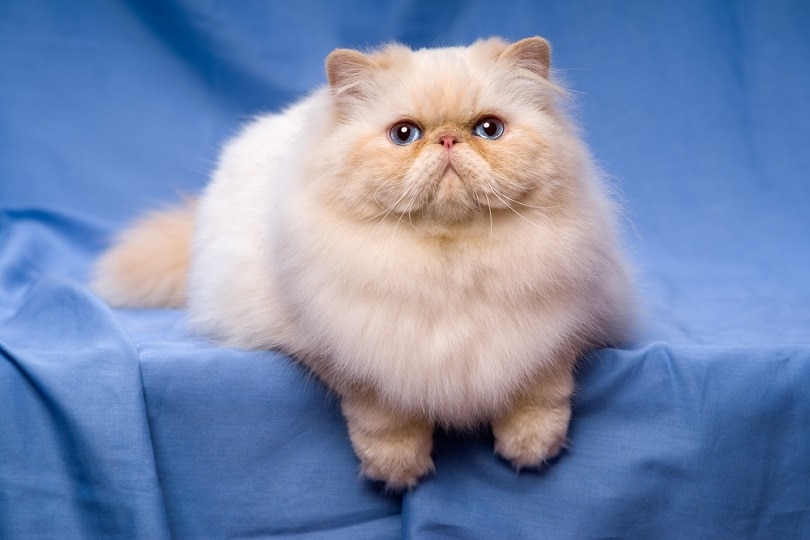
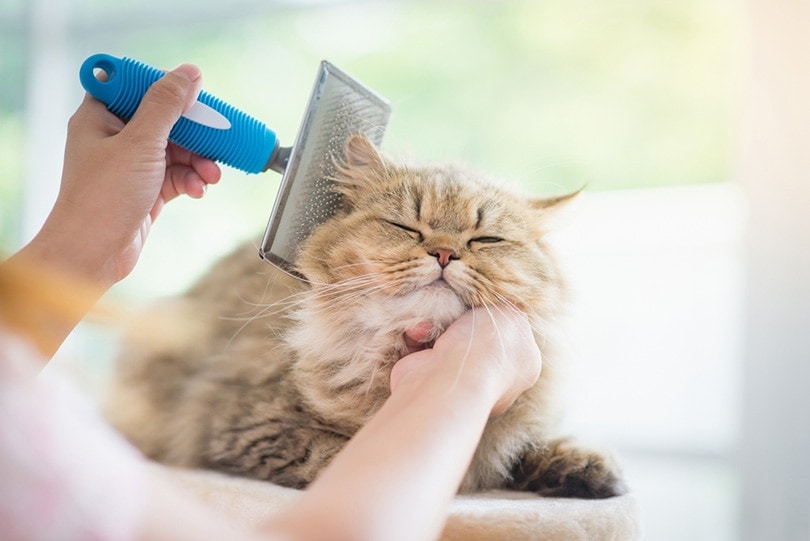
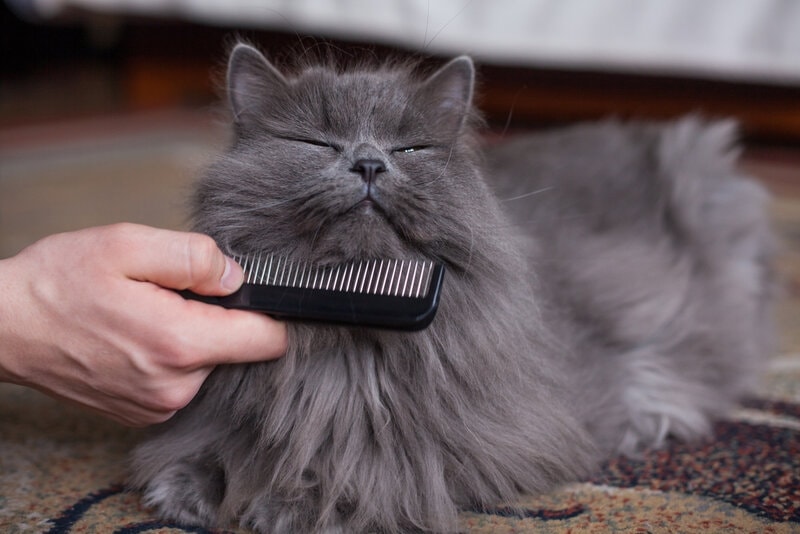
Typically growing between two and five inches in length, long cat hair is beautiful but can become tangled if not properly groomed. Persians are famous for their flowing coats, and the world record holder for the longest cat hair was a Persian-Himalayan mix named Colonel Meow. His hair reached 9 inches.
2. Short-haired cats
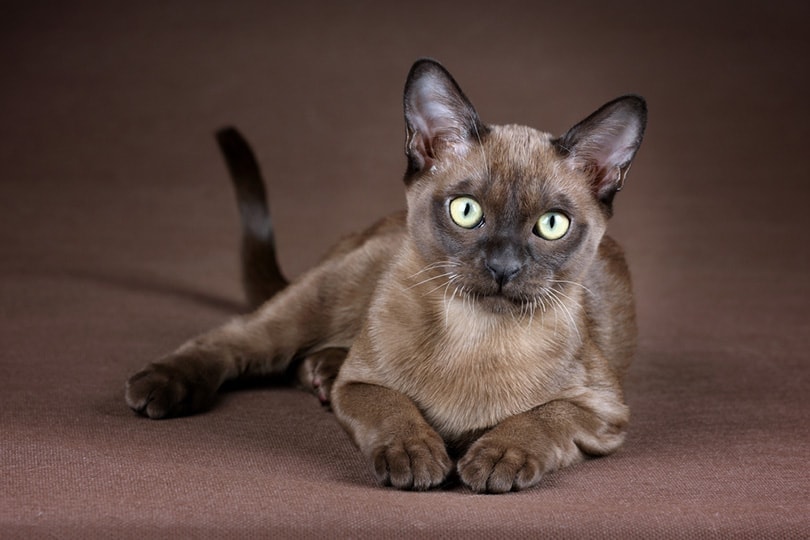
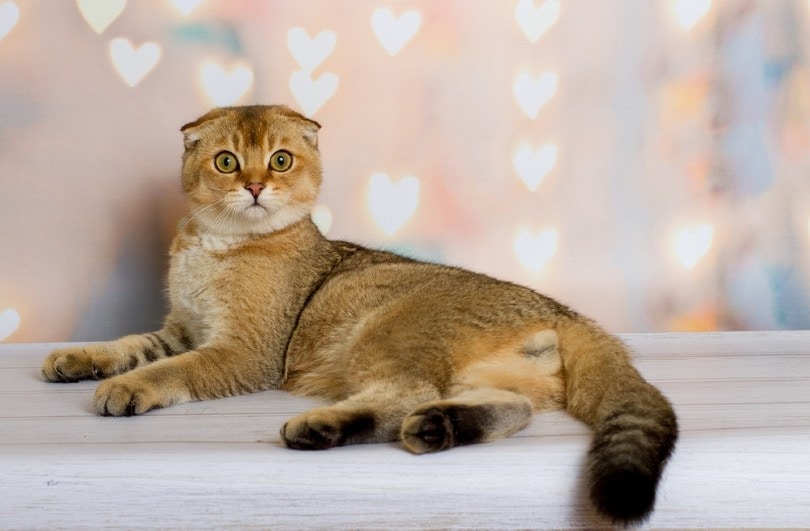
These low-maintenance cats are super simple to groom and usually go easy on shedding. A Burmese cat, for instance, only needs an occasional brush and a quick check for fleas and ticks. Short cat hair rarely reaches more than 2 inches in length.
3. Hairless cats
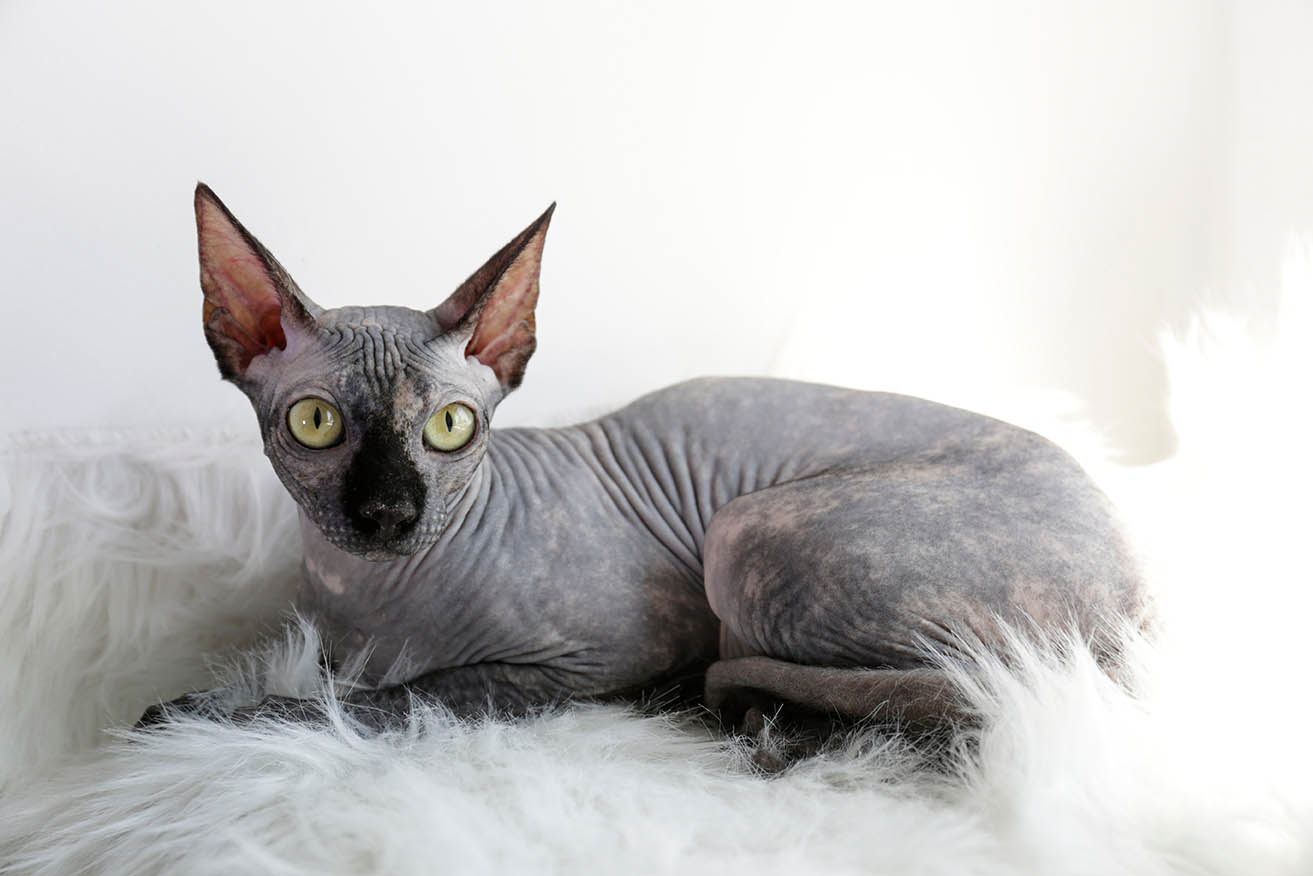
No cat is truly bald, but several breeds have only a fine coat that feels like suede to the touch. These cats usually love to snuggle since they have no natural way to prevent the loss of body heat. They are best suited to a warm climate or else to a house with a closet full of cat sweaters. These guys also need a weekly bath to remove body oil and ear debris.
4. Curly-haired cats
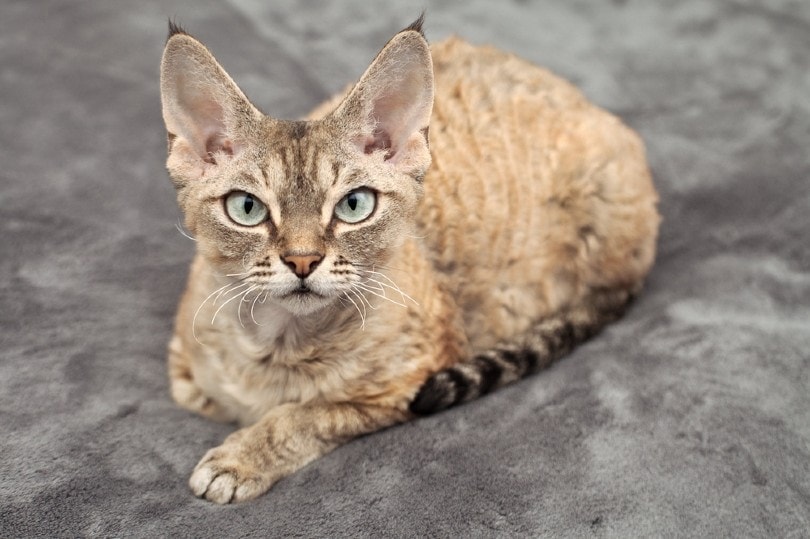
Curly hair in cats is the result of a genetic mutation. Breeders take a long time to develop a consistently curly breed, meaning you may shell out some serious cash for one of these cuties. One benefit for finicky housekeepers? Curly-haired cats are nearly non-shedding.
Hairstyle by Breed
A cat’s hairstyle is generally determined by its breed. Some of the most distinctive and popular breeds include:
- Ragdolls – These cats are widely regarded for their docile, loving personalities. They come in six recognized colors, each of which is set off by the animal’s long hair. If you do not mind a cat’s shedding and are prepared to do a little grooming, Ragdolls make darling pets. The reigning cat queen of The Algonquin Hotel in New York City is a Ragdoll named Matilda.
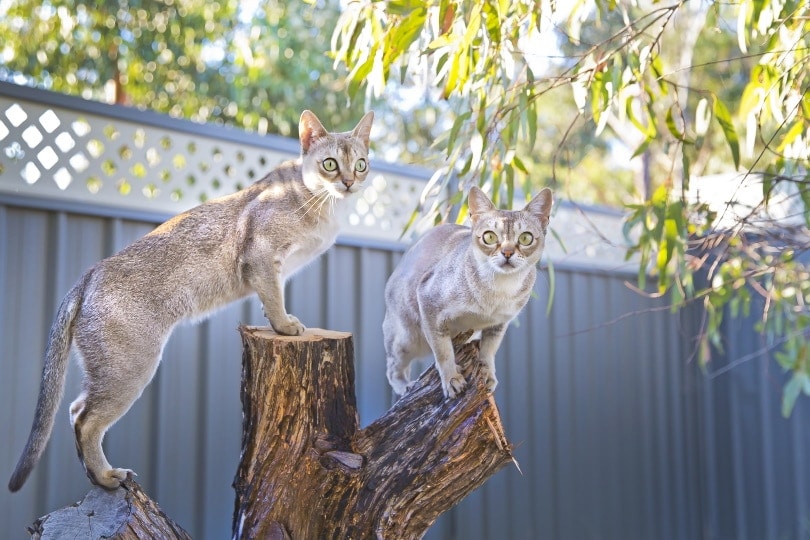
- Burmese – Pet grooming is easy with these short-haired beauties. Coming in six colors and two patterns, Burmese are known for being soft-spoken but vocal charmers who get along well with children and make excellent family cats. You can solve shedding concerns by selecting a Burmese.
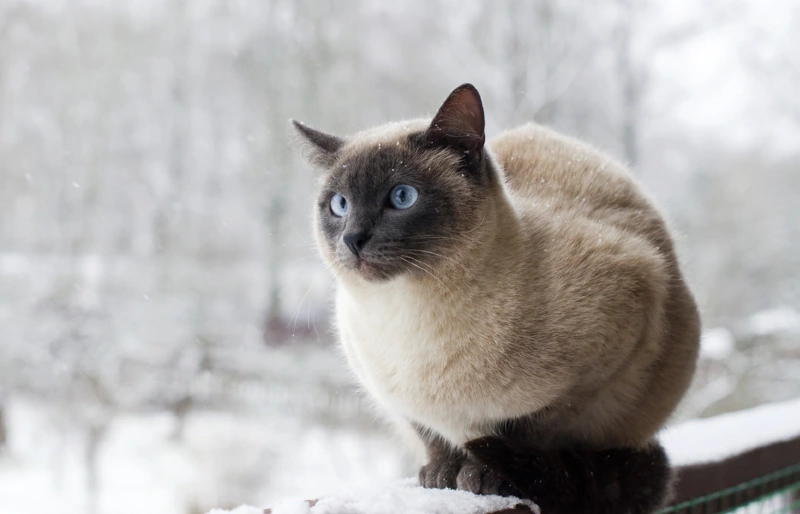
- Siamese – This ancient breed is known for its larger-than-life personality as well as its uniquely patterned coat. Siamese can inherit a gene for hair loss, though, and some of these creatures consequently have bald ears. If your Siamese cat is losing hair, consult your veterinarian.
- Bengal – If you love a Bengal, you may not need to remove cat hair from your clothes. Sporting more of a pelt than a fur coat, Bengals rarely shed. They’re a ton of fun, too, and great for families with active kids.
- Sphynx – If you want to avoid pet hair altogether, adopt a Sphynx. These near-hairless animals are baby-soft to the touch. Don’t be fooled into thinking they’re hypoallergenic, though. They still produce plenty of cat dandruff. They just don’t shed it on their fur. The Sphynx is the 11th most popular house cat in the US.
Stay alert to your animal’s skin and hair needs. Hair protects a cat’s body and helps regulate temperature, meaning it’s more than just beautiful. It’s important to cat health. Long-haired cats need plenty of grooming, and hairless ones require special care to stay warm. With any cat, be especially gentle with its whiskers since these are sensory organs as well as hair.
A Furry Situation
Keeping your house cat hair-free can be a challenge. While Modern Salon might not be much help, choosing the right breed, providing appropriate grooming, and tackling household chores with energy will go a long way toward making your cat—and your furniture—beautiful and enjoyable.
Related Reads:
Feature Image Credit: Shutterstock, Media Whalestock
Get Hepper In Your Inbox


Pet care tips from our vets and experts, straight to your inbox.
You may opt-out at any time. View our Privacy Policy for more information.
Oliver (Ollie) Jones is a zoologist turned freelance animal writer living in South Australia with his partner Alex and their mini zoo consisting of many aquatic creatures, dog Pepper, and of course, cat Steve. Ollie is originally from the USA and holds a Master's degree in wildlife biology. He hopes to share his feline knowledge and expertise with people so they can share in his passion and help their cats live their best lives.
Join the conversation
Ask a question, share your story, or send private feedback.