Hepper is reader-supported. When you buy via links on our site, we may earn an affiliate commission at no cost to you. Learn more.
24 Surprising Vet-Reviewed Facts About Cat Fur


We all know that (most) cats have lots of fur, even if it is short. You may not realize just how interesting cat fur can be, though! Cats’ coats have evolved over thousands of years to become more efficient at keeping a cat protected, helping to maintain body temperature and thus keeping a cat healthy. Let's talk about all the interesting things you should know about your cat’s fur.

The 24 Surprising Facts About Cat Fur
1. Grooming
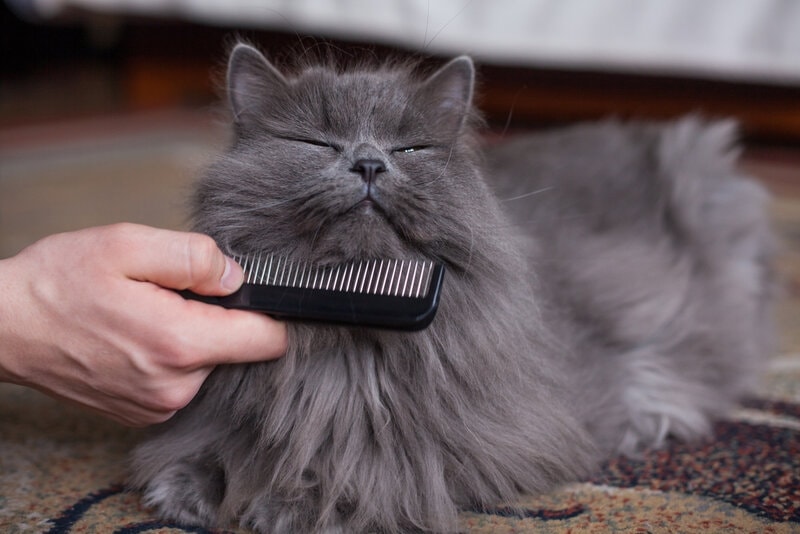
We have all seen our cats grooming themselves. In many cases, we can spot our cats grooming themselves multiple times per day every day. That's because it is estimated that cats spend around 30% of their day grooming themselves, which is a lot considering that cats can spend up to 70% of their day sleeping!
2. Why Cats Groom
Cats are fastidious groomers, and it is not just to make their coats look pretty. Grooming is used by cats to maintain the health of their coat, remove tangles and debris, remove pests, and even help cool themselves on hot days. It can also remove loose hair that may get left behind, allowing predators to follow a cat in the wild, and it can serve to limit the buildup of scents on your cat’s coat and body.
3. Double Coats
Like in dogs, some cat breeds have double coats. These coats provide them with an extra layer of protection and insulation, allowing cats with these coats to thrive in extremely cold environments. Extra tufts of hair on the ears and paws also provide extra protection to these extremities. Double-coated cat breeds include the Maine Coon, Norwegian Forest Cat, and Siberian.
4. Layers of Fur
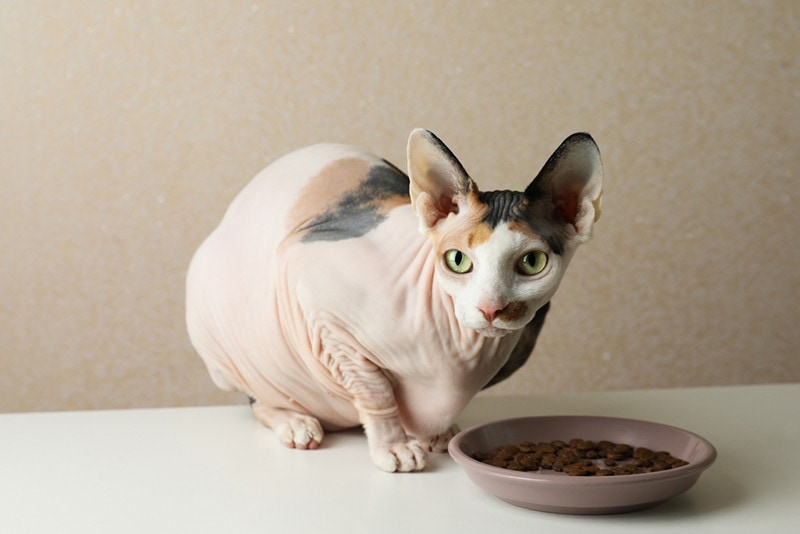
There are three layers of fur that you’ll find on the average cat: down fur, awn hair, and guard hair. However, humans have created many cat breeds that do not have all of these fur layers. The Cornish and Devon Rex breeds only have down fur, completely lacking awn hair and guard hairs. The Sphynx and Peterbald breeds only have a “peach fuzz” layer of fur over their body, completely lacking the normal coat layers.
5. Glitter Coats
If you have ever seen a Bengal cat lying in a sunbeam, then you probably noticed that their fur seems to sparkle in the light. That's because these cats have a gene called the “glitter gene” that causes them to grow glittery, almost glowy fur all over their bodies.
6. Water Repellent Coats
Some of the double-coated cat breeds have even more going on with their coat to keep them safe from the elements. Some double-coated cat breeds also have a water-repellent layer of fur on their coat. This allows breeds like the Turkish Van and Maine Coon to be protected from water, helping them to stay dry and better maintain their body temperature.
7. Uniqueness
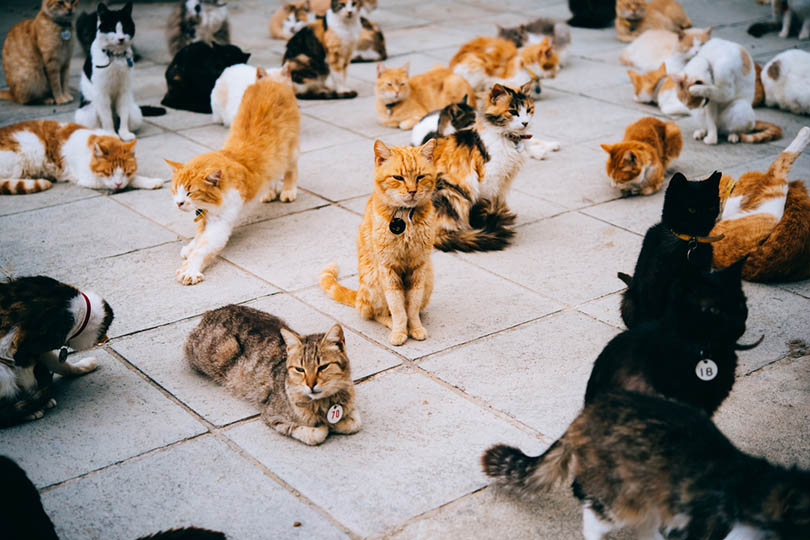
No two cats’ coats are exactly alike, even if they look identical to the naked eye. All cat coats are completely individual and unique, to the same extent as fingerprints among humans. Their fur all has different combinations of colors, layers of colors, and layouts of markings that make each kitty fully unique.
8. Guard Hairs
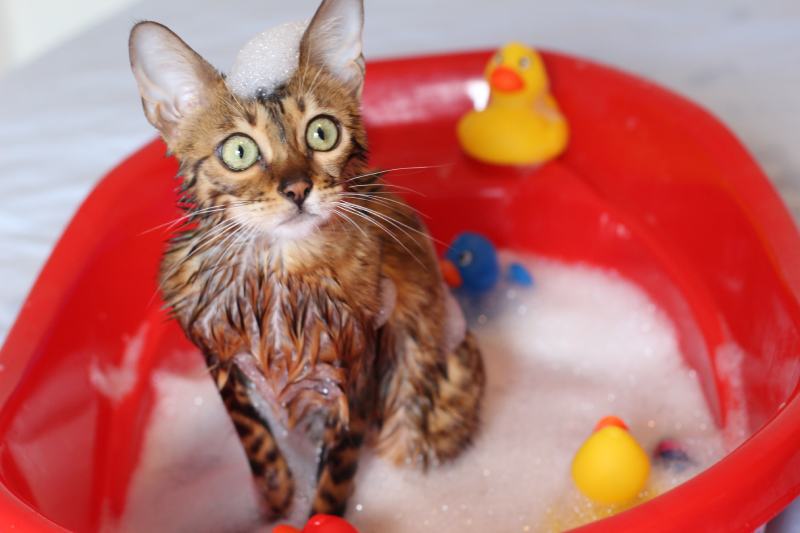
The guard hairs present within your cat’s coat are the longer, stiffer hairs that stick out from their coat further than the down fur and awn hair. These stiffer hairs help keep a cat dry, so cats with water-repellent coats are likely to have more guard hairs than other cats. These hairs can also be used to help a cat sense and feel the environment around them. If you have seen a cat puffing up their coat in fear or aggression, then you have seen a cat using their guard hairs to react to something.
9. Black Coats
Although you may come across a fully black cat from time to time, there is only one cat breed that must be fully black according to its breed standard. The Bombay breed is fully black in color, all the way down to their nose, toes, and paw pads.
10. Rare Coats
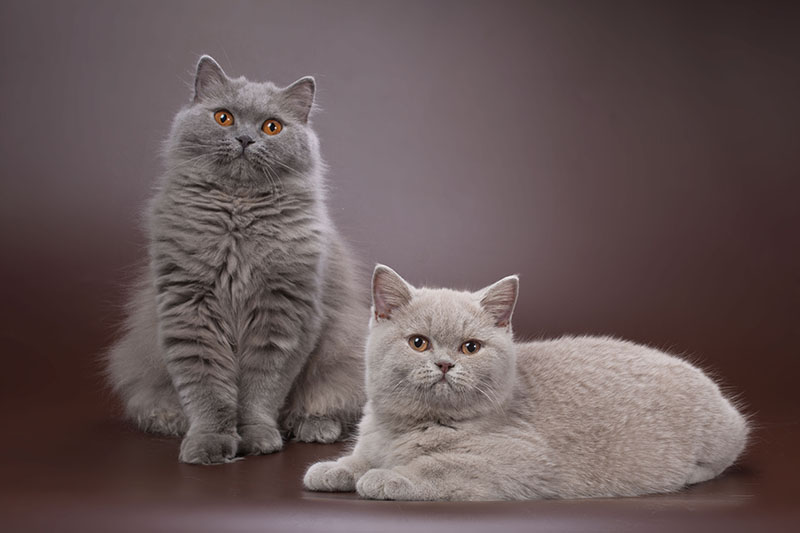
There are some coat colors that you’re unlikely to spot in very many cats. In fact, some coat colors you may never see on a cat in your entire life due to their rarity. Cinnamon, lilac, smoke, fawn, and brown are the least common coat colors you’ll see in domestic cats.
11. Common Coats
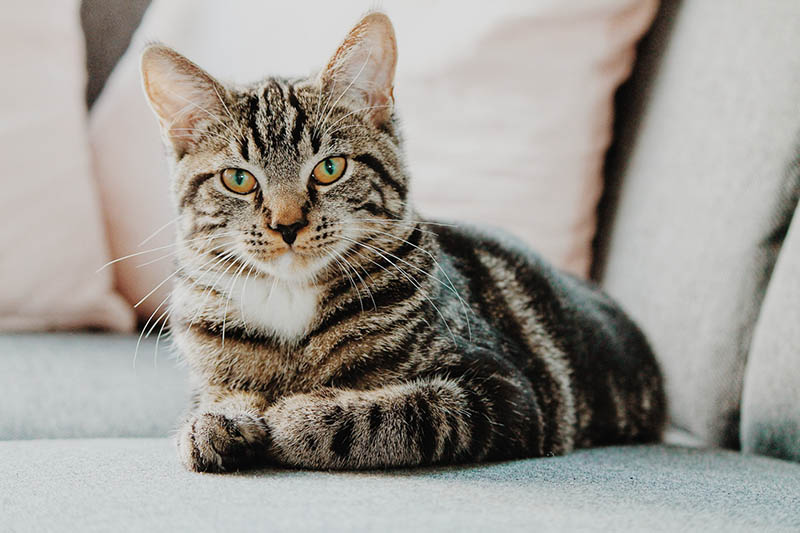
While there are some rare coat colors that you may not get a chance to see, there are some coats that you’ll almost certainly see in many cats. Brown and black tabby markings are considered the most common coat type in domestic cats.
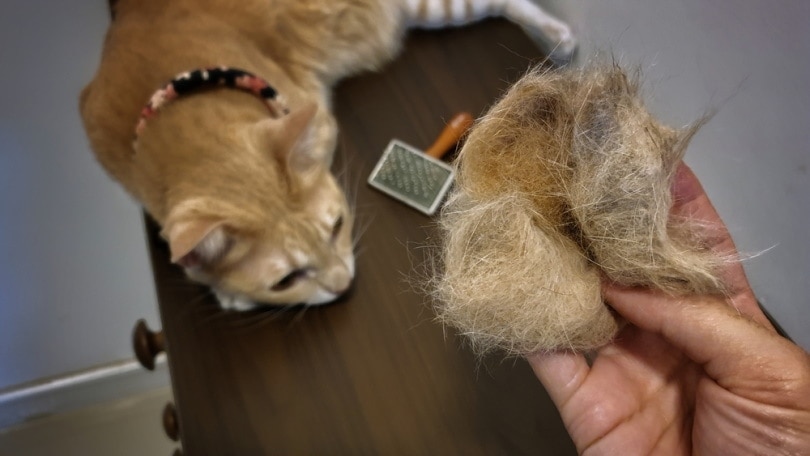
12. Shedding
If you have an indoor cat, then you’ve likely noticed that your cat seems to shed regularly throughout the year. They may have heavier shedding periods during season changes, but indoor cats are likely to shed consistently throughout the year. However, outdoor cats are considered less likely to shed year-round, instead usually having only one or two big sheds per year.
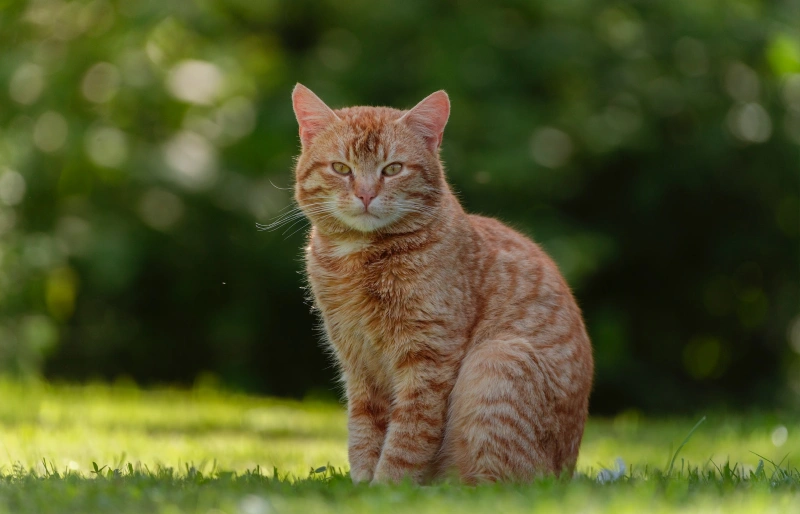
13. Orange Coats
If you’ve ever heard that most orange cats are male, that’s because the orange coat color is linked to the chromosome that controls a cat’s sex as well. In fact, about 80% of orange tabby cats are male.
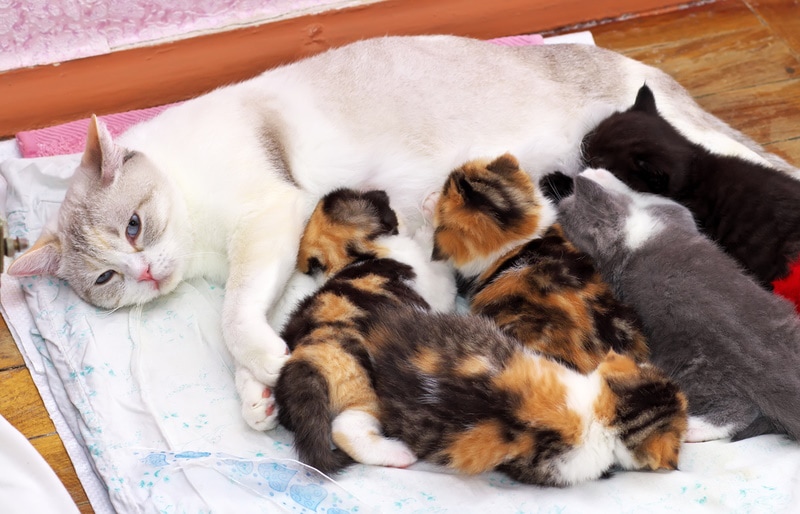
14. Calico Coats
Like the orange coat gene, the gene that causes a cat to have a calico coat is also linked closely to sex. Most calico cats are female, but you will see a Klinefelter calico (male cat with an extra X chromosome) cat pop up on occasion. The rate of calico males is about 1 in 3,000 cats.
15. Weight
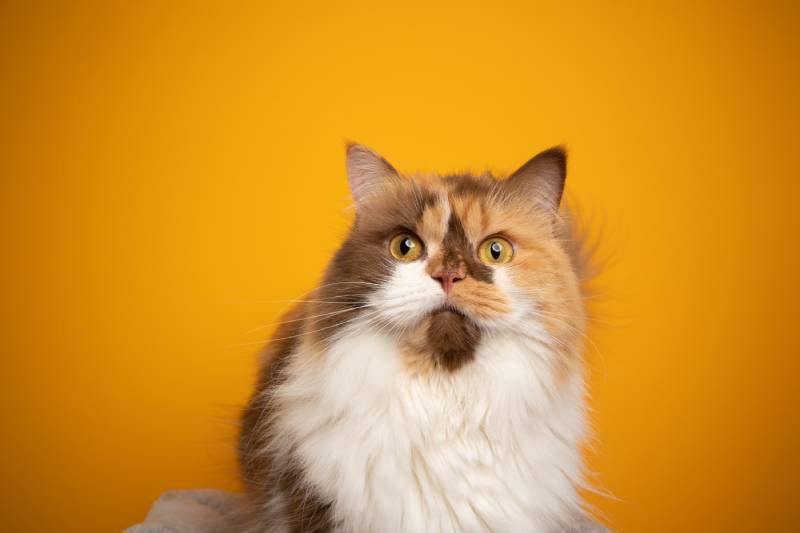
For cats with minimal fur, their coat does not notably impact their body weight. For short-haired cats, their coat makes a negligible impact on their body weight. However, some estimates say that cats with long-haired double coats may have up to 25% of their body weight consisting just of the weight of their coat.
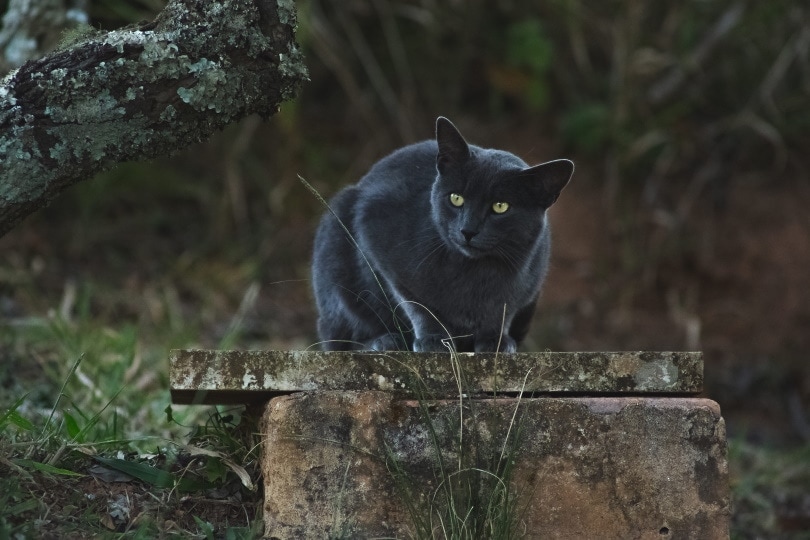
16. Hypoallergenic Coats
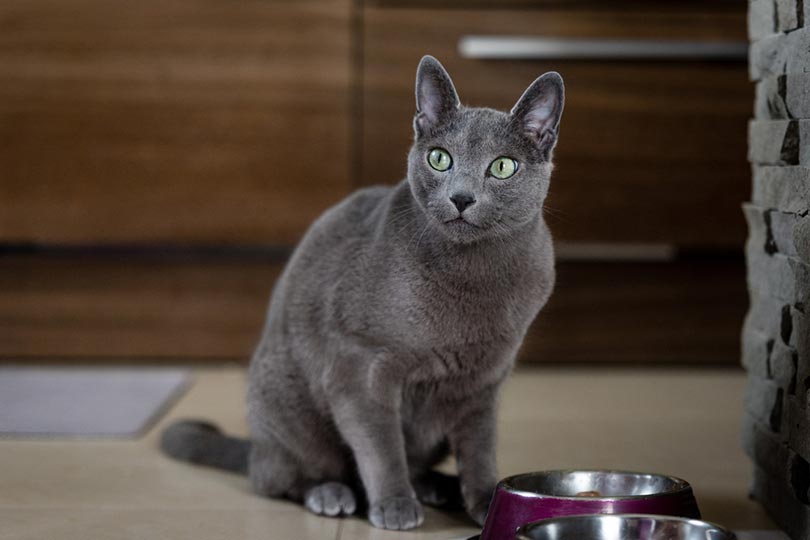
No cat is truly hypoallergenic because allergies to cats are caused by proteins that cats produce. These proteins are found in their skin and body fluids, including saliva and anal glands. The shedding of dander from their skin and coat is the main reason that people have an allergic reaction to cats. However, some breeds, like the Russian Blue, produce notably lower levels of the protein that causes allergic reactions: Fel d1.
17. Number of Hairs
You may have tried to guess how many individual hairs are present on your cat, and it’s possible that you were way off. It’s estimated that most cats have an average of 130,000 individual hairs on their bodies!
18. The Longest Coat
Sophie, a rescue cat living in California, holds the Guinness World Record for having the longest coat on record. She’s held the record since 2013 when her fur was measured at just over 10 inches in length.
19. Haircuts
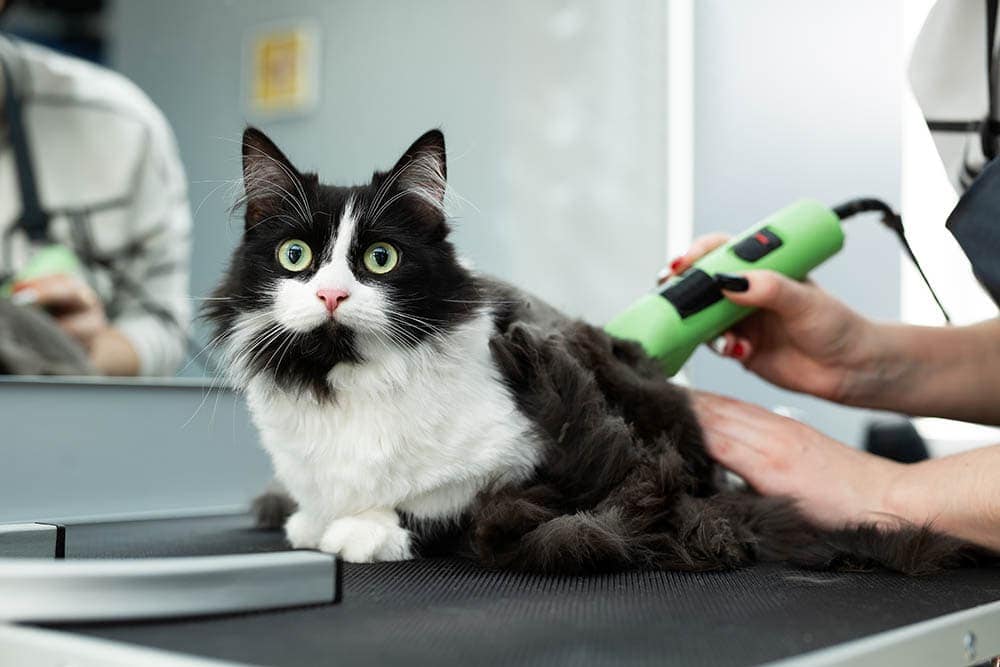
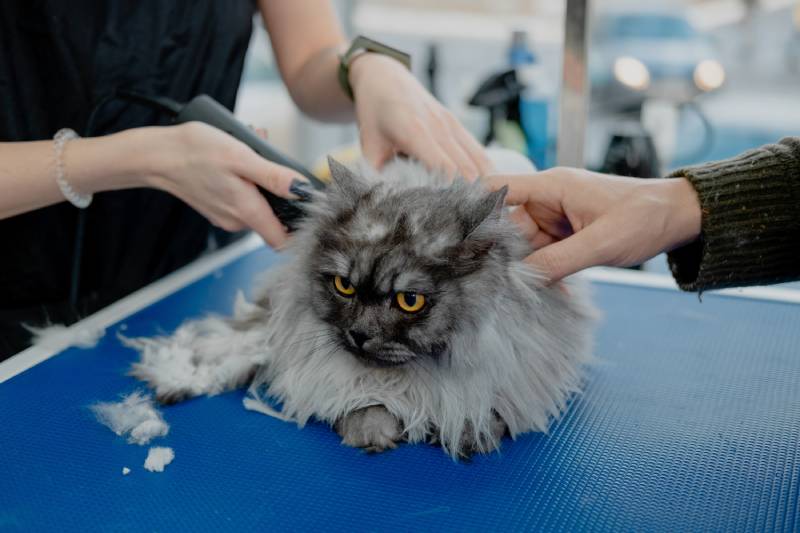
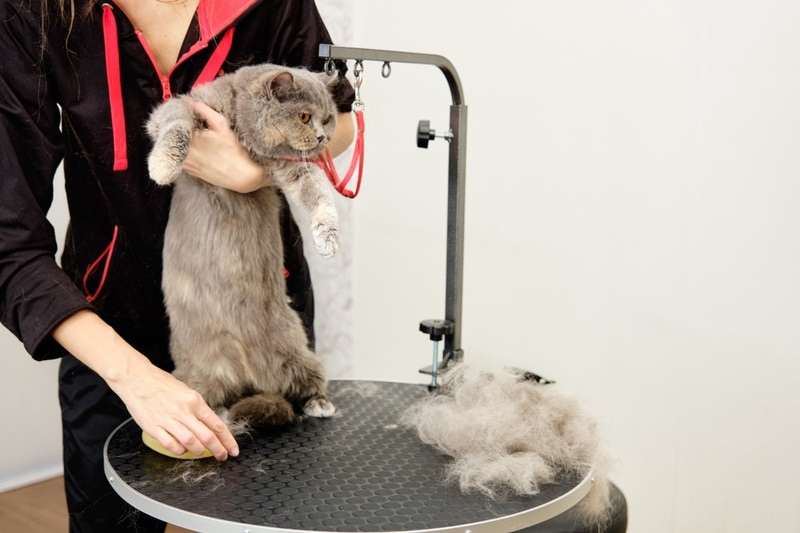
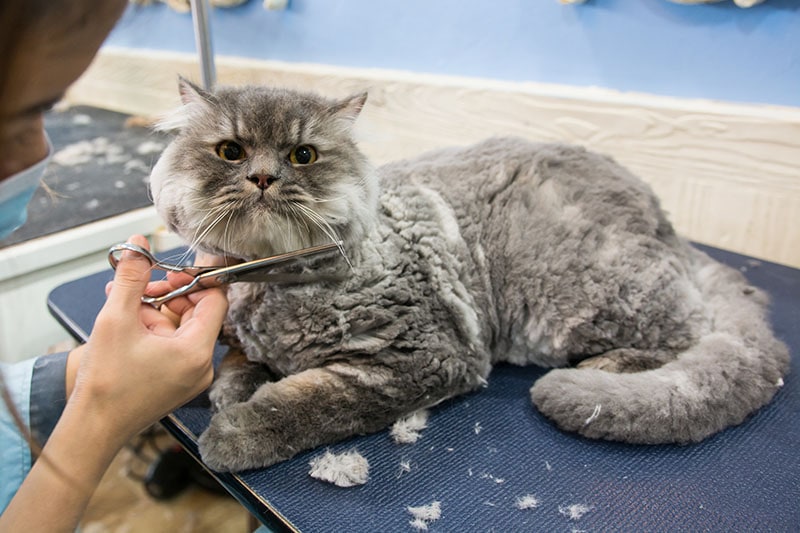
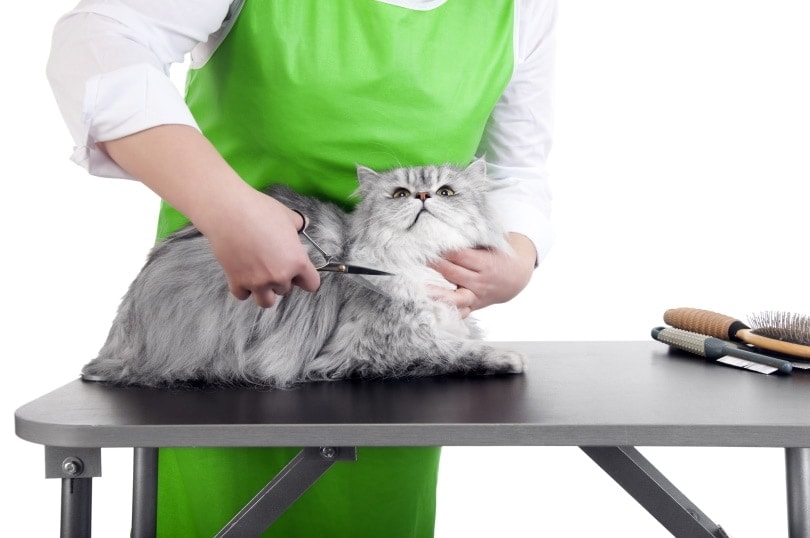
It’s generally advised to avoid shaving a cat unless it’s absolutely necessary for their health. Why? Well, a cat’s coat is designed to help keep them insulated, helping them to maintain their body temperature, even in warm weather. By shaving a cat’s coat, they may have trouble maintaining an appropriate body temperature in hot weather. In some cases, though, shaving a cat is necessary if they are severely matted or injured.
20. Points
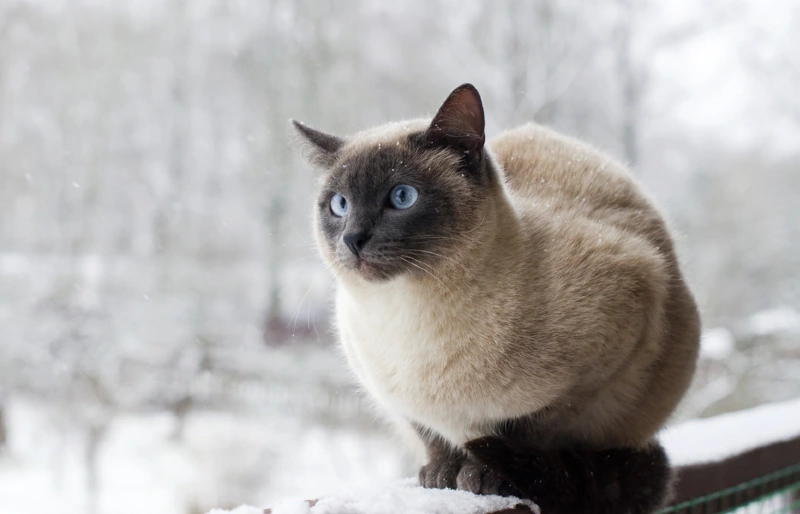
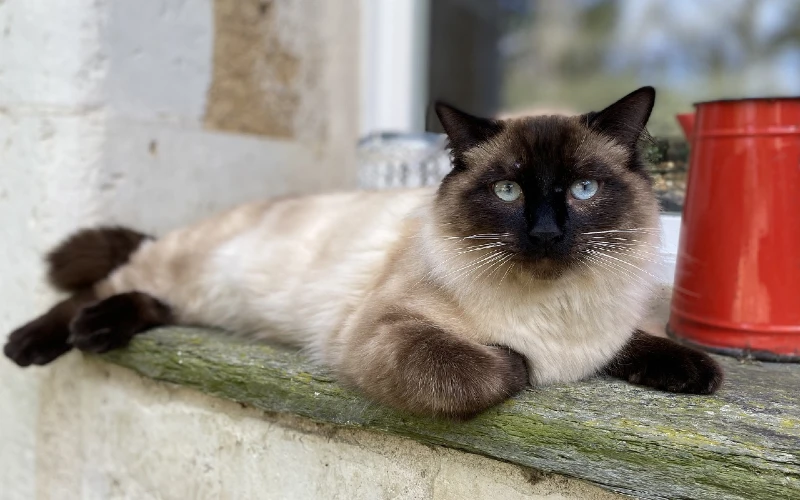
Some cat breeds, including the Siamese, Tonkinese, Oriental Shorthair, and Balinese, have pointed coats. This means that their overall coat is lighter, while darker fur occurs on extremities, like the ears, snout, feet, and tail. This is because these cats have a tyrosine defect, which means that the tyrosine enzyme functions best in cooler areas of the body, leading to darker fur on extremities. The central parts of the body stay warmer than the extremities, leading to lower function of tyrosine and a lighter-colored coat.
21. Rusted Cats
If you have a black cat, you may have noticed that they appear slightly reddish or brown in bright lighting, especially in direct sunlight. This is because black cat coats “rust” as they age, leading to a brownish tint to the coat. This tint is typically only visible in bright lighting, though.

22. Standing Hairs
Have you ever wondered how cats can stand their hair up and fluff their coats? Each follicle of a cat’s hair is connected to tiny muscles in the skin. These muscles, the arrector pili, allow the cat to stand their hairs on end or lay them flat. Many mammals, including humans, have these muscles, which is what allows the hairs on our arms to stand on end when we get goosebumps.
23. Coat Patterns
Although some coat patterns are commonly linked to specific breeds, like pointed coats and Siamese cats, coat patterns are not breed-specific. While some patterns are not accepted within certain breeds, the presence of a particular pattern doesn’t mean a cat belongs to a specific breed. This is why markings like calico, tabby, tortoiseshell, and tuxedo are commonly seen in mixed-breed cats.
24. Persians
Some cat breeds only accept one solid coat color as their breed standard, while others may accept a handful of colors and markings. However, the Persian may have the most accepted colors and patterns of all developed cat breeds. You can find around 80 different patterns and colors that are accepted within this breed.
Conclusion
Wow! There’s a lot we can learn about our cats’ coats. The more you know about your kitty’s coat, the better care you can provide for it. Make sure to research how to properly care for your cat’s skin and coat, regardless of the breed or type of cat you have.
Featured Image Credit: Yolya Ilyasova, Shutterstock
Get Hepper In Your Inbox


Pet care tips from our vets and experts, straight to your inbox.
You may opt-out at any time. View our Privacy Policy for more information.
After nine years as a veterinary assistant, Brooke Billingsley transitioned to a career as a nurse in 2013. She lives in Arkansas with her boyfriend, sharing their home with three dogs, two cats, five fish, and two snails. A dedicated animal lover, Brooke has a special place in her heart for special needs pets, including a three-legged senior dog and a famous cat with acromegaly and cerebellar hypoplasia. Fish keeping is one of her hobbies, and she is constantly improving her knowledge to care for her aquarium pets. Brooke is an active yoga enthusiast, having obtained her 200-hour yoga teacher certification in 2020. She believes in the importance of continuous learning and dedicates time each day to developing new skills and expanding her knowledge.
Join the conversation
Ask a question, share your story, or send private feedback.