Hepper is reader-supported. When you buy via links on our site, we may earn an affiliate commission at no cost to you. Learn more.
Are Domestic Dogs Smarter Than Wolves? Development & Strengths Explained
Determining which animal is more intelligent can be a challenge. Traditional IQ tests don’t work on dogs and wolves, after all. However, scientists have devised a few clever tests that help determine the intelligence of different species.
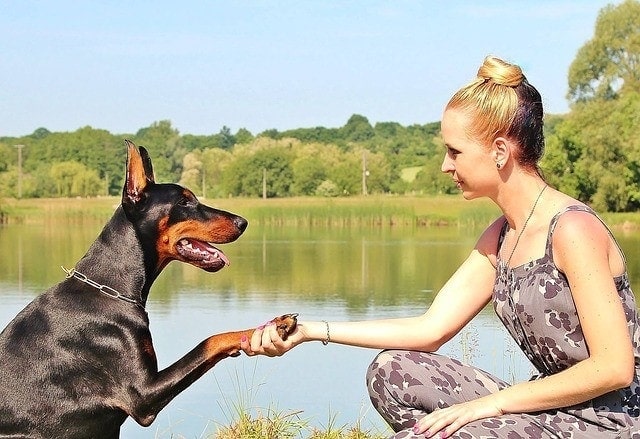
Dogs are great at following human cues and understanding human body language.1 They’re smarter than very young children in this way. As you might expect, though, this ability is vital for dogs. They live next to people, after all. Therefore, they have to know how to communicate with them. It’s taken thousands of years for this ability to become ingrained in dogs. However, wolves do not have this ability—they don’t need it. Determining which one of them is smarter is tricky as both of them have their strengths.
Read on to get a detailed answer.

A Simple Test
Dogs seem to prioritize following humans and they’re similar to human babies in this manner. They’re often more likely to follow human cues over their own eyes.
One study involved two boxes: Box A and Box B. The researchers continuously placed an item into Box A that the animals were encouraged to find (like a treat). Dogs (and babies) continually searched Box A for the item—even after the researchers began putting it in Box B. Wolves quickly figured out that it was in Box B. Dogs had an even harder time when the researcher also looked in Box A for the item. They seemed to trust the humans more than their own noses.
Different Learning Styles
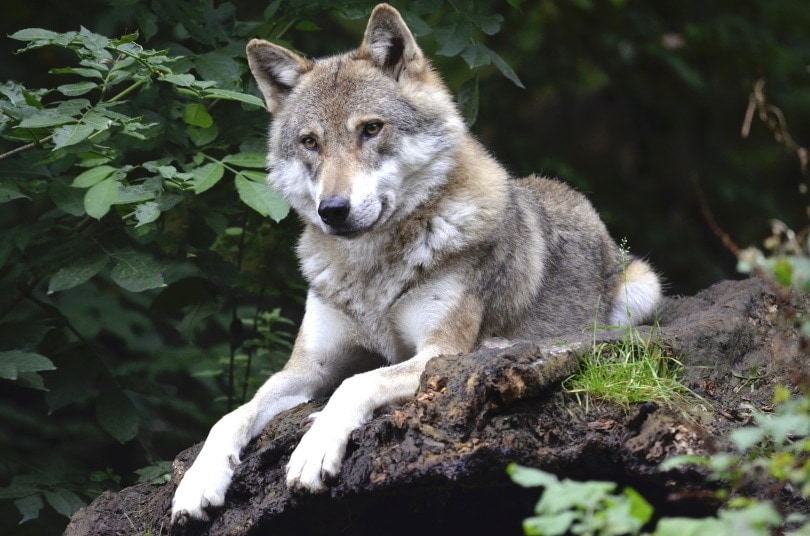
However, this isn’t necessarily a sign that wolves are smarter than people. Instead, it’s a signal that these animals have differing learning styles. Wolves are more likely to follow their senses, while dogs are more likely to follow humans. Of course, these learning styles work great in both animals’ environments. Because they live differently, it makes sense that they would learn differently.
If you look at how animals learn by themselves, wolves are smarter. However, if you add a human to the mix, the dog will follow the human, but the wolf won’t. This fact is true even for wolves raised in captivity who regularly interacted with humans. Therefore, when you pair a dog with a human, they make an incredibly intelligent pair.
This differing learning style arises from traits bred into dogs for thousands of years. Dogs with the ability to work alongside humans had a higher chance of survival. Therefore, they were more likely to pass on their traits to the next generation. Over time, this led to dogs differing substantially from wolves. Some of the earliest wolfish dogs to live near people may have developed this trait, leading them to become dogs.
Dogs can also pick up on vocal cues and understand some human language. Because dogs live near humans, this trait is extremely helpful. However, wolves cannot do this because they don’t need to.
Furthermore, dogs often defer to people when in new situations. Like children, they’ll learn by copying humans or listening to what humans say. Wolves don’t do this and instead listen to their instincts.
How Did the Differences Develop?
Dogs became more like humans as they lived in a human social environment. Dogs that were more human-like were more likely to be rewarded, which led to dogs prioritizing these traits. Similarly, to human babies, dogs look to humans, which is how they understand their social environment better. Their instincts alone aren’t enough to help them navigate the human social world.
On the other hand, wolves continued to live in the wild. They couldn’t rely on humans, so any ability to understand humans wasn’t helpful.
Dog behavior and human behavior coming together is called convergence.
Furthermore, dogs develop a relationship with their humans. Studies have found that dogs are more likely to trust a person they have a relationship with. If the researcher has already interacted with the dog and been “right” about what box the object is in, the dogs were more likely to follow their cues—even when they were wrong. However, if the researcher was replaced, the dog was more likely to trust its own eyes.
Wolves don’t develop the same relationship with humans—even when raised in captivity. They don’t develop a construct about how often human is right or wrong. They may know which humans commonly bring them food, but that doesn’t mean they’ll find that human more trustworthy than others.
Dogs find their relationship with an individual human important, which allows them to differ in their relationship depending on what person they’re with.
Teamwork
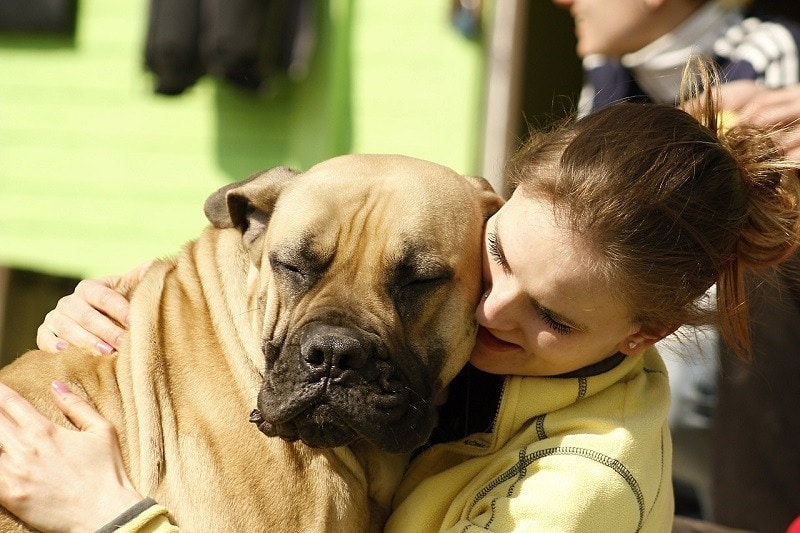
You’d expect dogs to be very good at teamwork, given that they hang out with humans daily. However, this isn’t the case. In a study that has yet to be published, researchers studied how well wolves and dogs shared food sources. Wolves did show more aggression. However, even the lowest wolf could negotiate a share of the food.
On the other hand, the dogs were less aggressive, but the food wasn’t evenly shared. Instead, the most dominant dog monopolized the food source while all the other dogs stayed away. Therefore, it seems that dogs are very good at learning from humans. However, they may not be great at communicating with other dogs.
Dogs also have lower levels of aggression than wolves. When living next to humans, this is incredibly helpful. Humans don’t want dogs that may turn on them. However, wolves are more aggressive. This willingness for conflict allows them to work things out better, though. They’re more likely to communicate thoroughly, while dogs just leave each other alone.
In another study, one dog was trained to operate a lever to access a treat. This dog was raised around a set of wolves, so they were all friendly and knew each other. When the trained dog was paired with another pack member and put up against the treat box, the wolves were far more likely to learn from the trained dog and begin operating the box.
It seems that dogs have lost some ability to learn from each other. However, they gained the ability to learn from humans instead. It isn’t that dogs simply treat humans as tall, two-legged dogs. Instead, humans are completely different in their minds. Their social abilities don’t cross over to their own kind.

In Conclusion
Dogs are smarter than wolves in some ways. However, it seems that they’ve evolved to follow the cues of humans. Therefore, they are very fast at learning when a human is involved. They follow humans to a fault sometimes, though. Even when the human is wrong, the dog will ignore their own eyes and follow the human.
On the other hand, wolves are more likely to pass logic tests, as they rely heavily on their own instincts. They’re also better at learning from other canines and getting along with their own kind. Dogs seem to have lost some ability to respond to other dogs in exchange for the ability to learn from humans.
Featured Image Credit: YamaBSM, Pixabay
Get Hepper In Your Inbox


Pet care tips from our vets and experts, straight to your inbox.
You may opt-out at any time. View our Privacy Policy for more information.

Kristin is passionate about helping pet parents create a fulfilling life with their pets by informing them on the latest scientific research and helping them choose the best products for their pets. She currently resides in Tennessee with four dogs, three cats, two fish, and a lizard, though she has dreams of owning chickens one-day!
Join the conversation
Ask a question, share your story, or send private feedback.