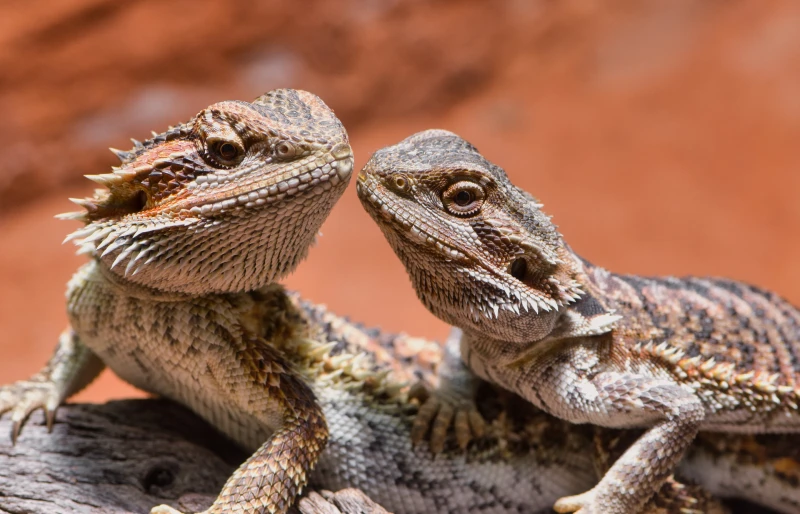
Bearded dragons stress easily and often won’t hesitate to show you if something’s wrong, if you know how to read their body language. You might find them withdrawing and staying still, trying to escape, especially if the cause is environmental, and rarely nipping. If your lizard feels irritated and uncomfortable, the priority should be to identify and remove the stressor.
With the pressure on to fix the problem, helping your bearded dragon cope can make you just as stressed as they are. Is their enclosure uncomfortable or inadequate in any way? Did I spook them? There are plenty of possible causes, and figuring it out can easily become a nerve-wracking affair. Save yourself the frustration and eliminate the guesswork with this quick guide on calming down a bearded dragon.
Notice the Signs of Stress in Your Bearded Dragon
Generally, unfamiliar situations and improper environmental settings can stress bearded dragons. Stressors could be an inadequate habitat temperature, a new space, or strange noises. Bearded dragons will change their behavior, reacting to environmental stress or a potential threat. Signs of stress include:
Stress marks: Striped or spotted black marks on the abdomen, or a black beard
Glass surfing
Hissing (rare)
Head bobbing (depending on context)
No appetite
Avoiding basking
Fatigue
Puffing out their beard
Diarrhea or changes in elimination habits
Sometimes, even relaxed bearded dragons may seem stressed. Baby bearded dragons can’t control their stress marks, so you may misinterpret them as indicating discomfort. Not knowing young dragons can have these marks randomly during the first few months can drive you crazy as you try (and fail) to make them go away. The same goes for brumation, a normal process causing low appetite and energy, which you could mistake for signs of stress.
Other stressors can sometimes be simply unavoidable. Bringing your bearded dragon home will almost always cause some stress. Likewise, shedding will occur regularly and leave them feeling itchy and irritated. Although you can’t eliminate every cause of stress, you can at least anticipate them and take steps to calm down your bearded dragon as quickly as possible.
Image Credit: Zh.anna, Shutterstock
The 5 Ways How To Calm Down a Bearded Dragon
Now that you understand what stress looks like, you need to know how to relax your bearded dragon. Consider what could be causing the stress. If you can fix the problem, provide gentle and minimal handling, maintain a stable environment, and be patient as they recuperate, you can successfully bring your bearded dragon’s behavior back to normal. The following are a few common causes of stress to assess if you’re wondering why your bearded dragon is acting withdrawn, sluggish, and out of sorts:
Your bearded dragon only recently came into the home
Too much handling
You relocated or repositioned the cage
The tank temperature is too high or low
You added new items to the tank
The tank is too small
Loud noises, such as vacuum cleaners, thunderstorms, or traffic
You brought a new pet home
They can see their reflection in the glass
There are many factors to consider, and solving the stress could take a bit of trial and error. Here are a few ways you can calm down your bearded dragon.
1. Check the Temperature in the Cage
Bearded dragons must have a basking spot around 105–108°F for adults and no more than 110° for juveniles, and a cool-down spot at 75–85°F. Humidity should be 35%–40%, and nighttime temperatures should not go below 65°-70° with the light off.
Controlling temperature is crucial as it keeps the lizards comfortable and regulates their digestion. Without a high basking surface temperature, they could suffer impaction, a dangerous digestive blockage. Use a digital probe thermometer or, better yet, a temperature gun to check your bulb’s output and make adjustments as needed.
Image Credit: Stefanie66, Pixabay
2. Limit Handling Time
Overhandling can be stressful for bearded dragons, especially when they’re not used to you. New and baby lizards need slow introductions. Speak softly to your bearded dragon, and don’t force them into your hand. Present your hand slowly, putting it in the cage and letting them explore it at their leisure, while adding a few of their favorite treats. As they grow used to your scent, your hand could eventually become a source of safety and food for them.
Image Credit: on-ziv, Shutterstock
3. Bathe Your Bearded Dragon
Sometimes, a warm bath may help perk your bearded dragon up during shedding, to help in case of mild dehydration, as advised by your exotics veterinarian, for a stuck shed, or in case of soiling. Bathe them in a shallow pool of 85–93°F water, gently cleaning them as they soak for 10–15 minutes. Some bearded dragons may tolerate it well and appear more relaxed afterwards. Never use soap or chemicals when bathing your bearded dragon.
Loud noises and other stimuli can cause stress and agitate your bearded dragon. While you can’t control every loud honking horn outside or dropped pan in the kitchen, you can monitor your habits and keep noise levels to a minimum.
Maintain a soothing speaking tone and avoid making sudden noises. Consider partially covering your lizard’s cage to reduce visual stressors when they seem particularly overwhelmed, but still ensure adequate ventilation and prevent overheating or reduced air flow. In some instances, people have also calmed bearded dragons by playing tranquil music, but this depends largely on the beardie and their preferences.
Image Credit: davemhuntphotography, Shutterstock
5. Enrich Your Bearded Dragon’s Environment
Bored bearded dragons can get worked up when cabin fever develops. Wanting to escape, they might act antsy, glass surf, or become frustrated. Help them stave off restlessness by offering toys, cage features, and activities, such as balls, hides, logs, rocks, tunnels, or smooth, large items and hammocks. Make sure toys are safe and appropriate for your bearded dragon, and that they cannot be chewed or ingested.
Short rounds of interaction are as crucial as any enrichment item in the cage. Take your bearded dragon out for supervised short walks in your home and spend time playing with your pet. When your dragon is moving anxiously, give them a time out of the enclosure for 10–15 minutes at a time, ensuring the environment is warm and calm.
Image Credit: New Africa, Shutterstock
Do Bearded Dragons Get Calmer with Age?
Bearded dragons can be absolute spitfires when young, but fortunately, they generally settle down with age. Consistency in the environment is essential, as most animals will become more relaxed when their lives have predictability. Your bearded dragon will also become more familiar with you over time. To promote a calmer dragon and a quality bond, give them a healthy amount of interaction while avoiding overhandling. Adding a clean, unscented piece of clothing with your scent in their enclosure may help some bearded dragons become used to you more quickly.
Do Bearded Dragon Stress Marks Go Away?
Stress marks on adult bearded dragons come and go with the presence of the stressor, acting as a decent gauge to help you determine whether your efforts are paying off. Babies can hold their marks for several months. They take a while to become comfortable in their new space, and unless they are showing other signs of distress, such as lethargy, refusal to eat, or unusual behavior, you can rest easy knowing they’ll go away eventually.
Image Credit: Lisa-Vazquez, Shutterstock
Final Thoughts
Stress isn’t uncommon with bearded dragons, nor is it always easy to resolve. Sometimes you can control it, while in other scenarios, it means there’s a more severe underlying health issue needing immediate attention. Follow these tips for calming down a bearded dragon, and talk with your vet if you don’t get results despite your best efforts.
Nicole is a lover of animals of all sizes but is especially fascinated with the feline variety. She’s the proud mom of Baby, a Burmese, and works every day so he can relax in the sunshine or by the fire. She’s always had a cat in her home and has spent countless days with others, observing behaviors and softening up even the grouchiest of the lot. Nicole wants to share her kitty expertise with you so you and your cat can live happy, healthy, and care-free.
We apologize for the inconvenience of this extra signup step. However, bots were subscribing to our list in huge numbers, so we had to add this extra step.









 Notice the Signs of Stress in Your Bearded Dragon