Hepper is reader-supported. When you buy via links on our site, we may earn an affiliate commission at no cost to you. Learn more.
Why Is My Bearded Dragon Glass Surfing? Vet-Reviewed Reasons & What to Do


In this article
Glass surfing is also known as glass dancing or tank pacing. This behavior is observed in reptiles, particularly bearded dragons and other lizards. It refers to repetitive running or scratching against the glass walls of the enclosure.
It may seem concerning if this is your first time observing this behavior in your bearded dragon. If you're wondering why, you're at the right place. Your bearded dragon may be glass surfing due to stress or discomfort. However, other causes for this behavior are less concerning. Keep reading to learn why your bearded dragon is glass surfing and how you can address the issue.

Top 5 Reasons Why Your Bearded Dragon Is Glass Surfing:
Glass surfing is generally due to stress, discomfort, or certain environmental factors. Reptiles engage in this behavior for various reasons.
1. Reflections
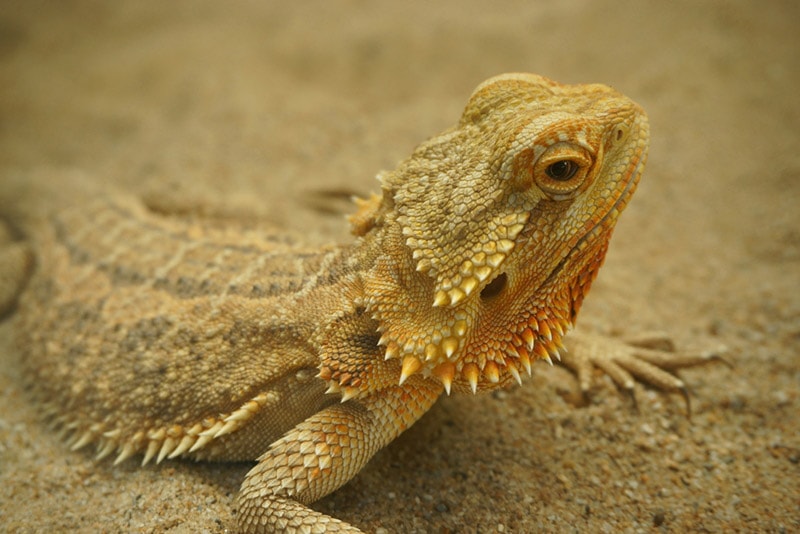
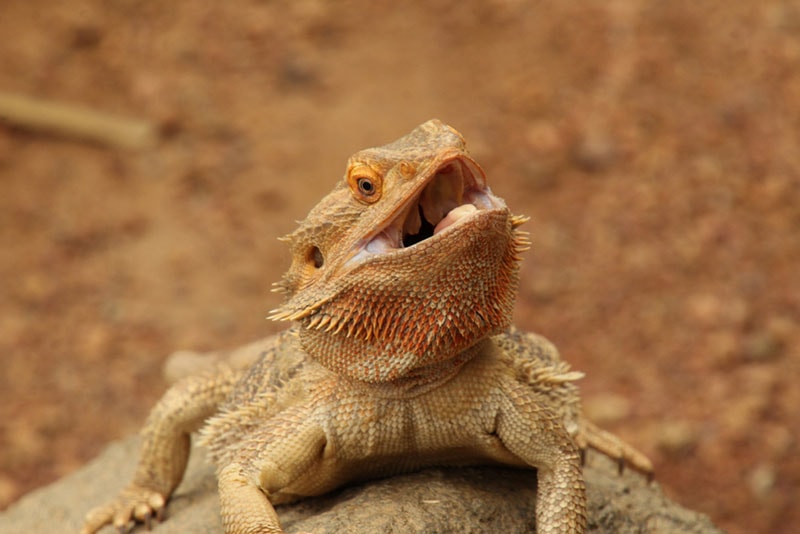
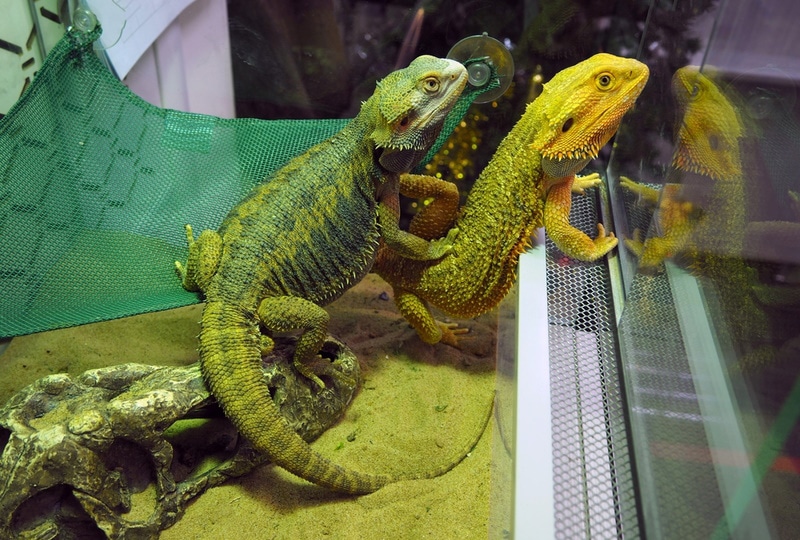
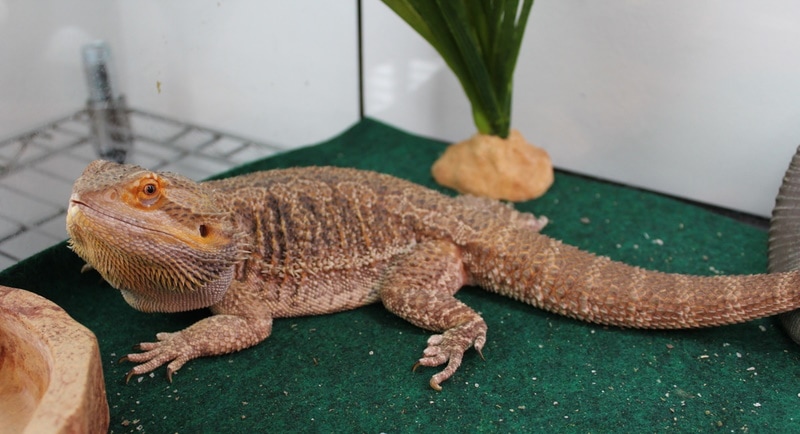
During the breeding season, bearded dragons are somewhat territorial animals, especially males. They may perceive their reflection in the glass as a rival encroaching on their territory. In response, they might puff up their beards, bob their heads, and even attack the glass.
This behavior is an instinctual response driven by their natural territorial instincts. In the wild, bearded dragons establish and defend their territories against competitors. When they encounter their reflection in captivity, they may not understand that it's not an actual threat.
2. Stress or Boredom
Bearded dragons need a stimulating environment to thrive. Without the right enrichment, they can become bored and restless. Enrichment includes a variety of climbing branches, rocks, tunnels, and hideouts.
These items provide opportunities for physical activity, exploration, and mental stimulation. A lack of such enrichment may lead to glass surfing as a way for the bearded dragon to express their needs. If the enclosure is too small or lacks mental stimulation, the bearded dragon may engage in this behavior to ease their restlessness.
3. Incorrect Temperature or Lighting
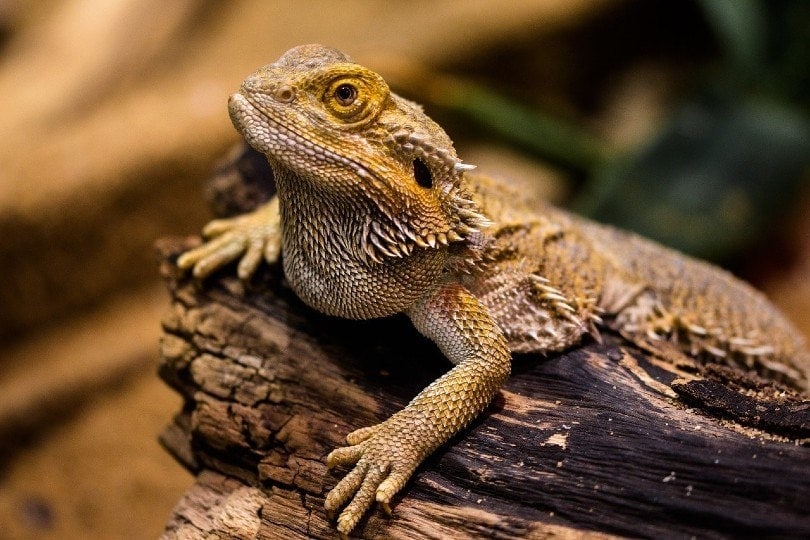
Bearded dragons, like other reptiles, are ectothermic animals.1 That means they rely on external heat sources to regulate their body temperature. If the temperature or lighting setup in their enclosure is inadequate, it can cause discomfort and lead to glass surfing.
Temperature plays a pivotal role in the well-being of bearded dragons. They need a thermal gradient within their enclosure. That means having different temperature zones to allow them to thermoregulate. This includes a basking spot with a higher temperature and a cooler area to retreat. The bearded dragon may feel too hot or cold if the temperature gradient is not well established.
Inadequate lighting can also contribute to glass surfing in bearded dragons. Proper lighting is essential for their health and well-being. They must use both UVB and UVA light to support essential physiological processes. That includes their calcium metabolism and behavioral and metabolic functions. Their biological rhythms may be disrupted if they don't receive the necessary UVB and UVA exposure.
4. Improper Habitat Setup
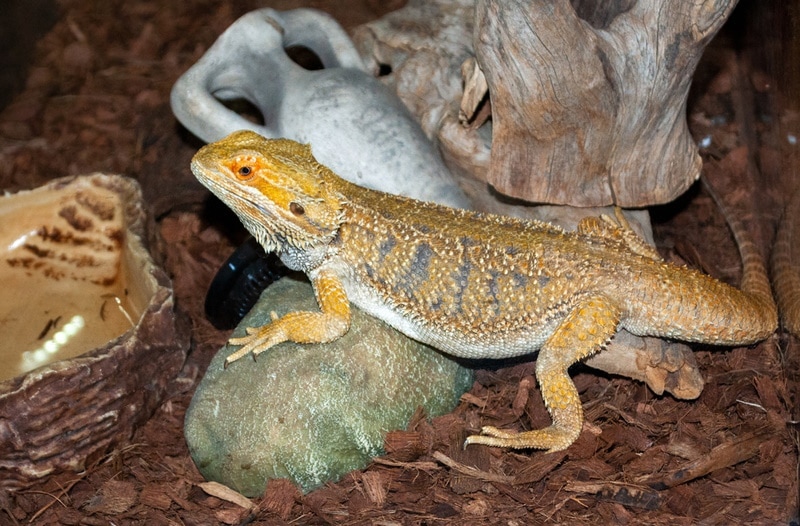
Bearded dragons need hiding spots within their enclosure to feel secure. This can be a place to retreat when they need privacy or want to regulate their body temperature. Hides can be in the form of caves, hollow logs, or other structures that provide a dark and secluded space.
Bearded dragons also need a designated area within their enclosure to access a high-intensity heat source. The basking spot should allow them to thermoregulate and digest food effectively.
The substrate within the enclosure is also essential for their well-being. It should be safe, easy to clean, and provide appropriate traction. If the substrate is too slippery or uncomfortable, it can cause discomfort for the bearded dragon.
5. Reproductive Behavior
During the breeding season, male bearded dragons become more hormonally active. As a result, they display courtship behaviors in an attempt to find and attract females. Glass surfing can be a part of their reproductive behavior, as they become restless in the search for a mate.
The behavior may include running or scratching against the enclosure's glass walls. This can be an effort to find a way out or to investigate their surroundings for the presence of females.
This glass-surfing behavior is driven by their instincts and the urge to find a mate. In the wild, male bearded dragons engage in territorial competition with other males. In captivity, the glass walls of the enclosure can prevent them from reaching potential mates.

The 5 Ways to Make Your Bearded Dragon Stop Glass Surfing:
Glass surfing behavior can be concerning at first. Once you recognize the cause behind your bearded dragon's behavior, you can take proactive steps to prevent it. Here are a few ways you can address this issue:
1. Check the Enclosure Setup
Bearded dragons need a spacious enclosure to thrive. The minimum size for an average young bearded dragon is a 55-gallon tank. The enclosure dimensions for an adult must be at least 48 inches long, 36 inches tall, and 30 inches wide.
Still, larger enclosures are always better. They provide more room for the bearded dragon to move freely and engage in natural behaviors.
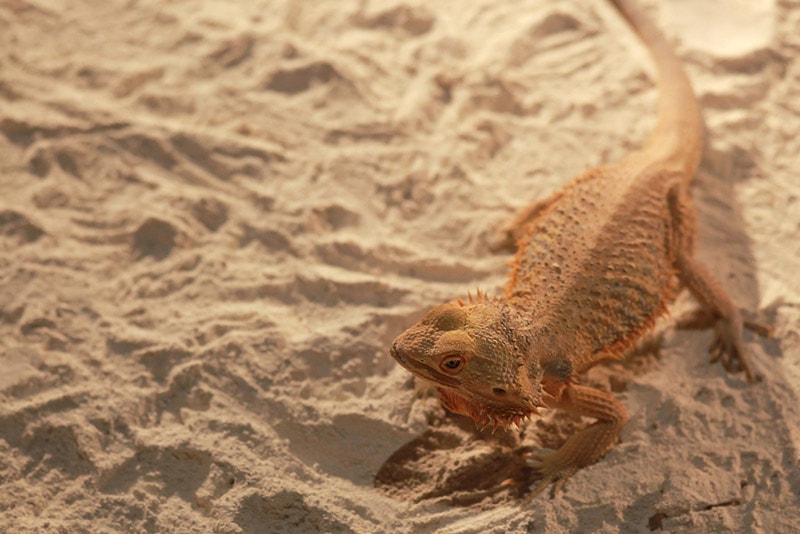
Also, the enclosure's substrate should be safe, clean, and comfortable for the pet. Reptile carpets, ceramic tiles, non-adhesive shelf liners, and paper towels are great options. Avoid loose substrates like sand or gravel, as they can cause impaction if ingested.
2. Reduce Reflections
Glass surfing in bearded dragons can be triggered by their reflection. They may mistake it for another bearded dragon and display territorial behavior. By minimizing these reflections, you can help ease their stress.
One effective approach is to apply a background covering outside the enclosure. For reptile enclosures, you may use window film, contact paper, or vinyl backgrounds. These coverings create a barrier between the bearded dragon and its reflection.
3. Provide Mental Stimulation
Providing enrichment items in the enclosure is an excellent way to prevent boredom. You may provide branches, rocks, platforms, tunnels, puzzle feeders, and novel objects. Remember to rotate these items to provide ongoing novelty and prevent habituation.
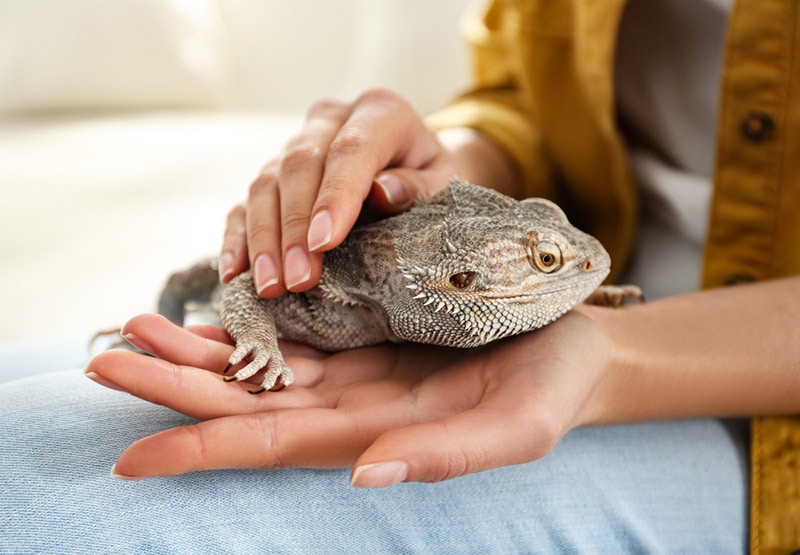
Supervised time outside the enclosure in a safe area can provide further mental stimulation. This allows them to explore new environments and experience different textures. They may also use this opportunity to engage in supervised social interaction.
While offering enrichment items is essential, always prioritize your bearded dragon's safety. Ensure that the items are non-toxic, free of sharp edges, and cannot be ingested or pose a risk of injury.
4. Monitor Temperature and Lighting
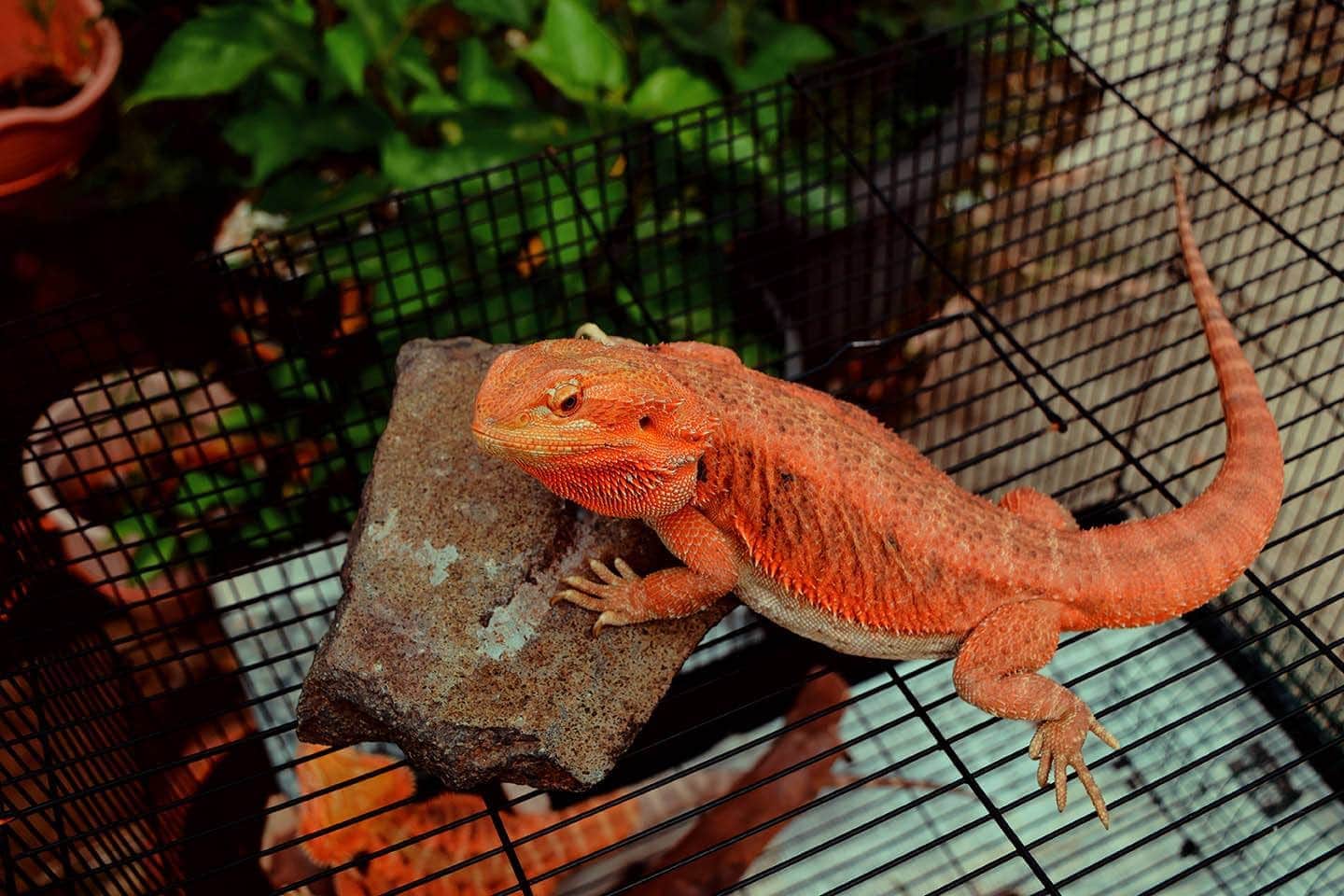
Bearded dragons rely on heat sources to regulate their body temperature. You must establish a temperature gradient within the enclosure to provide proper thermoregulation. This involves creating a basking spot at one end and a cooler area at the other.
Bearded dragons require an environment with multiple temperatures. Their moderate ambient temperature is 77–89.6°F (25–32°C), but they also need a hot basking area with a higher temperature of 95–100.4°F (35–38°C) and a cool nighttime area with a temperature range of 71.6–77°F (22–25°C). Heat lamps, ceramic emitters, and thermostats can help achieve these ranges.
Bearded dragons also need access to UVA and UVB light for their health and well-being. UVB light is essential for their ability to synthesize vitamin D3 and metabolize calcium. Adequate UVB exposure helps prevent metabolic bone disease.
Use a reptile-specific UVB bulb and ensure it covers enough of the enclosure. Follow the manufacturer's guidelines for bulb distance and replacement intervals. You must also provide a regular day-night cycle with a consistent lighting schedule.
5. Consider Veterinary Examination
If your bearded dragon continues to exhibit glass-surfing behavior, an underlying health issue could be the cause. A reptile veterinarian can help identify and address any potential health issues.
Mites or worms can cause restlessness in reptiles, leading to such behavior. The vet may perform a fecal exam to check for parasites and recommend treatment. It may also be caused by a respiratory infection, which can cause discomfort for your pet.

Conclusion
Bearded dragons can be wonderful pets, but you must meet their food and living requirements to maintain their overall health. That includes providing an adequate enclosure based on their size and needs. Inadequate lighting, temperatures, or enrichment in their enclosure can lead to glass surfing behaviors.
If your beardy's enclosure meets all requirements, the behavior may be due to an underlying health issue. Consult your vet if your pet's restlessness continues despite your efforts.
Related Reads:
Sources
Featured Image Credit: Zh.anna, Shutterstock
Get Hepper In Your Inbox


Pet care tips from our vets and experts, straight to your inbox.
You may opt-out at any time. View our Privacy Policy for more information.
Jeff is not only a writer but also a tech professional with lots of experience leading teams at various Fortune 100 startups. Jeff's hobby is photography but his real passion are his pets, whom he loved to spend time with.
Join the conversation
Ask a question, share your story, or send private feedback.