Hepper is reader-supported. When you buy via links on our site, we may earn an affiliate commission at no cost to you. Learn more.
How to Cat-Proof Furniture? 8 Effective Ways
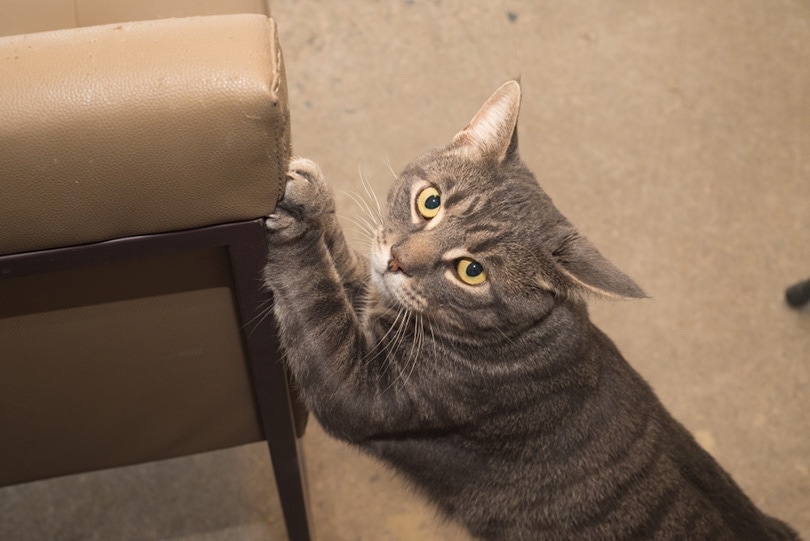
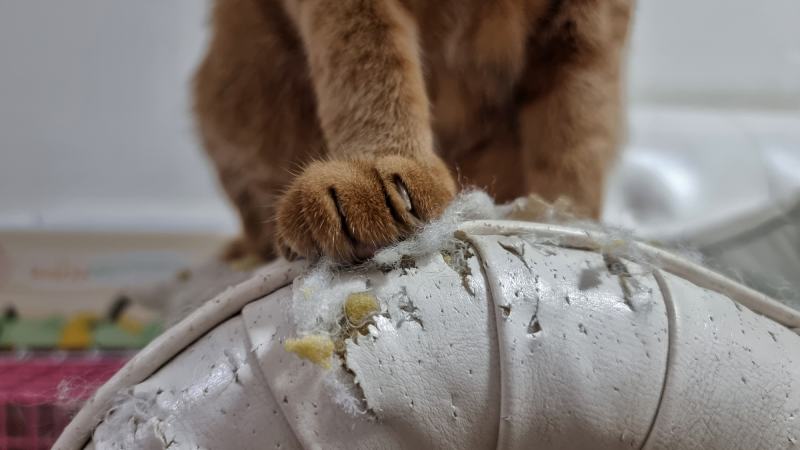
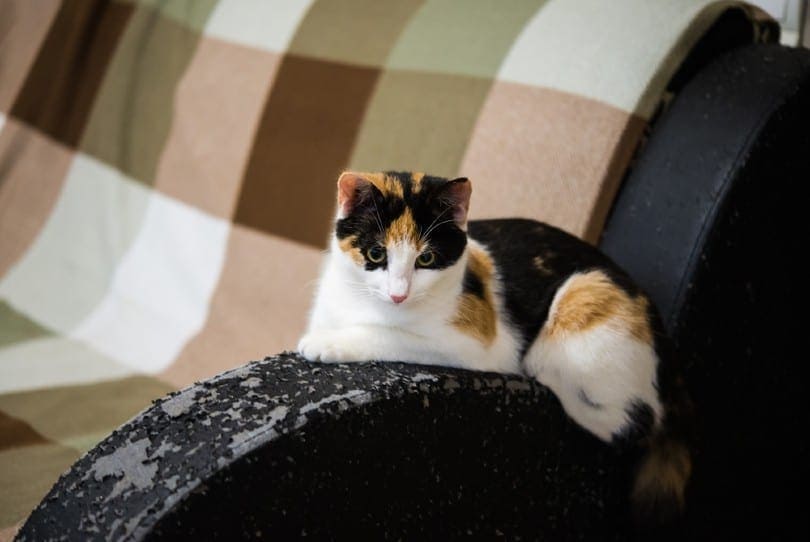
Despite all the positives surrounding pets, there are several downsides too. Finding the shredded remains of your couch when you return home from work is only one of them. Everyone knows that dogs chew things, but cats can be just as destructive.
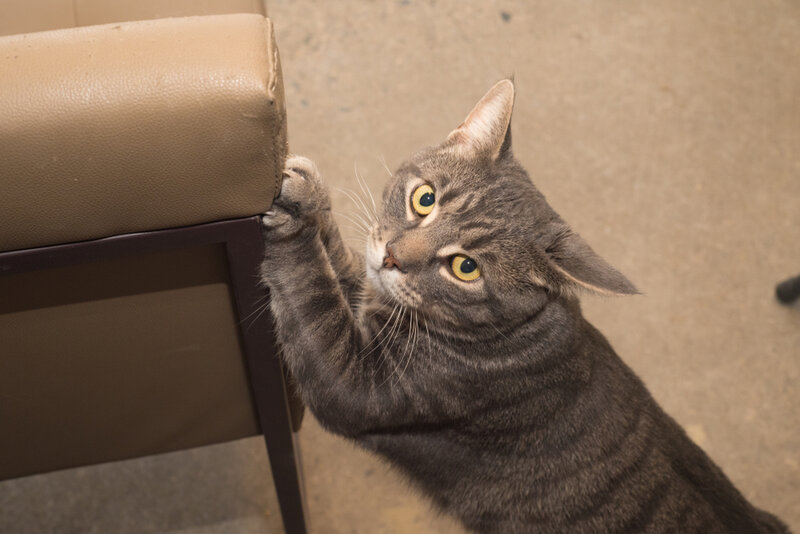
Not only do cats climb everything and tend to knock things flying, but they also take good care of their claws. While this means you don’t often have to tend to them yourself, it can mean disaster for the leg of your dining table.
To protect your furniture, whether it’s brand-new or a family heirloom, here’s a list of ways to cat-proof your home.

Top 8 Ways to Cat-Proof Furniture:
1. Cat Scratch Spray or Tape
Cat scratch sprays are available in stores or can be made at home. They’re designed to make your cat believe that they’ve already marked the piece of furniture as part of their territory. This option does have a downside, though. Sprays are a temporary measure, and you’ll need to remember to reapply the scent every day.
A similar option is a double-sided tape. You can buy panels or rolls, stick them to your furniture, and peel them off when no longer needed. Cats dislike it when textures interfere with their feet, and the stickiness of double-sided tape is a deterrent. While tape doesn’t need to be reapplied as frequently as sprays, it does collect dirt and debris.
Pros
- Works on most surfaces
Cons
- Sprays need to be applied daily
- Tape can collect dirt and hair
2. Citrus or Apple Cider Vinegar
Some sprays can be harmful to our pets, but certain homemade solutions can work just as well. Try filling a spray bottle with diluted lemon or lime juice, and spritz it over your furniture. You can do the same thing with apple cider vinegar. Both smells are disliked by felines, and they’ll avoid the location until the scent fades.
However, there is a caveat to this. Some fabrics are hardier than others, and both these options are acidic. Test a small, inconspicuous area first to make sure you don’t inadvertently damage your fabric couch in your attempt to protect it.
Pros
- Can be made at home
- Cats dislike the smell of citrus and apple cider vinegar
Cons
- Can damage certain materials
3. Claw Care
Many people use their cat's tendency to scratch as a reason to get them declawed. This is never a recommended solution and can cause your cat a great deal of pain. Instead, try these more humane solutions that will keep your cat happy and your furniture intact.
Nail Trimming
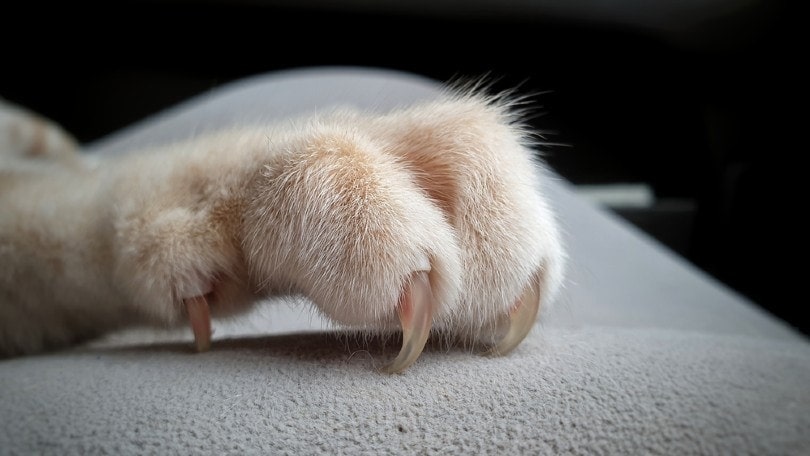
If you own dogs, you’re no doubt familiar with the need to keep their claws clipped. Cats don’t often need our assistance. However, you can help keep them trimmed to avoid them shredding the legs of your table or the side of your sofa. You’ll need to get your cat used to the process when they're young, though.
Nail Caps
A temporary and harmless solution for your cat is getting soft nail caps. They’re easy to use and last for about a month. For indoor cats, they’re a great way to reduce the damage done by their clawing tendencies while you teach them which places are acceptable to scratch.
Pros
- No declawing necessary
- Humane
Cons
- Nail caps are temporary
- Some older cats won’t like having their nails trimmed
4. Pheromones
Specific scents can calm your cat and make them more likely to take a nap rather than wreak havoc. You can purchase pheromones that you can plug into a wall socket that will subtly protect your furniture.
The right scent can also help ease any anxiety that your cat might be feeling due to a guest, a house move, or loud noises. Anxious kitties can cause a great deal of damage through scratching or by relieving themselves of your best rug. Calming them down with carefully selected pheromones can help reduce the chances of both these issues occurring.
Pros
- Relaxes your cat
- Suitable for multi-cat households
Cons
- Not all scents are pet-friendly
5. Reduce Boredom
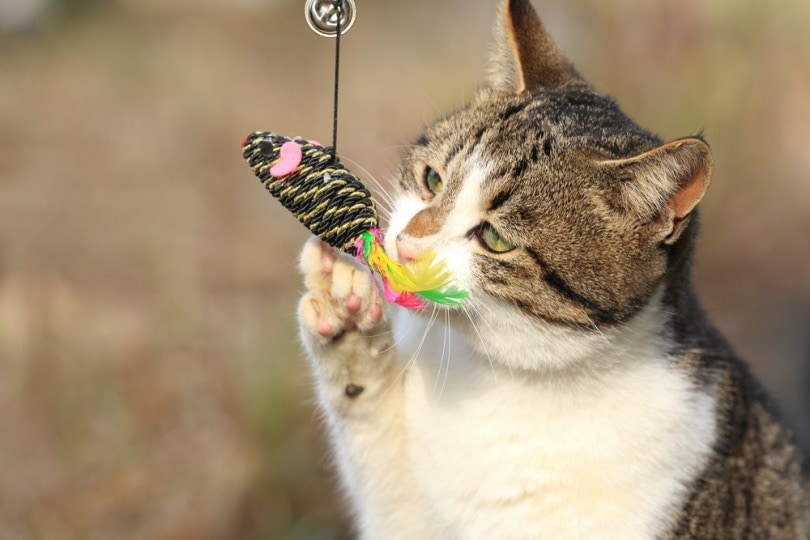
Sometimes, your cat scratches your furniture while they’re playing. If they’re bored enough, using the couch as a climbing frame is an easy source of amusement.
You can reduce your cat’s boredom by supplying various toys and activities for them to enjoy. Puzzle games that enable them to seek out treats and independent cat toys will keep them entertained while you’re at work. A well-placed cat tree by a window overlooking your yard can help too, as the view will do the hard work for you.
Engaging in regular playtimes with your cat can alleviate boredom too. You’ll be able to wear them out and relieve some of your stress at the same time, without risking your furniture.
Pros
- Playing with your cat is a good way to bond
Cons
- Not a fool-proof solution
6. Scratching Posts
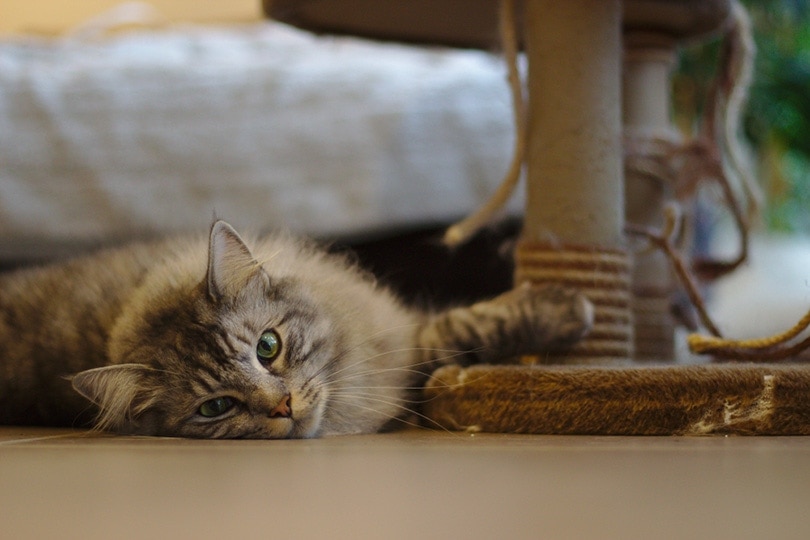
Preventing your cat from scratching your furniture is sometimes as simple as giving them something that they’re allowed to scratch. Scratching posts come in a range of sizes for all sorts of households. There are several textures available to suit your fussy feline’s preferences. You can even make a DIY option with cardboard or sisal rope.
Having several scratching posts will give your cat plenty of options. You can also reinforce the behavior by rewarding your kitty when they scratch the correct spots.
Pros
- Supplies more suitable scratching spots for your cat
- Can be made at home
Cons
- Scratching posts can be expensive
7. Velvet
Velvet might seem delicate with its use in elegant décor, but it’s actually incredibly hardy. Against cats, it’s a game-changer. Made up of looped threads, a velvet couch or velvet-covered seat cushions are much harder for your cat to sink their claws into. The difficulty means your cat is less likely to damage your couch by scratching.
Velvet furniture does have its cons, though. Not only are they on the expensive side, but they’re also notoriously hard to clean and can be a little ostentatious for a casual aesthetic.
Pros
- Tough for cats to scratch
Cons
- Expensive
8. Vinyl Guards
There are many solutions to the issues of cat scratching. Vinyl guards are similar to tape, but they rely on a smooth finish rather than stickiness to prevent your cat from scratching your furniture.
The idea is that you apply clear vinyl panels to the arms of your couch or table legs, so your cat can’t sink their claws into the material. The guards also prevent them from being able to climb up it. You can buy options that screw into place or have sticky backs.
Pros
- Stops your cat clawing furniture
Cons
- Glue might damage certain materials

Why Do Cats Scratch Furniture?
As annoying as the habit is for us, cats scratch furniture for more reasons than to just maintain their claws. It’s also a way for them to mark their territory, release tension, and stretch after a long nap.
While you consider your couch to be an aesthetically pleasing comfort that looks better intact, your cat sees it as little more than an object to scratch.
The modern and functional design of our Hepper Hi-Lo Cat Scratcher provides a unique and desirable place for cats to scratch – and a necessary distraction from your furniture. The 3-position setup and the B-flute cardboard texture encourage your cat’s scratching tendencies, eliminating their impulse to claw upholstery, carpets, and curtains. We’re sure the Hi-Lo will increase the longevity of your belongings while providing a more functional and fun environment for your cat.

- Premium Materials - Hepper's cardboard scratcher is made with dense, B-flute cardboard, and a metal core. Encased in a 1/2" plywood frame with gloss coating. Stable and beautiful, use after use
- High, Low and Lower - A single cat scratch pad won't keep your cat engaged. 3 unique positions keeps them coming back, and back, and back again. Finally, something to get them away from the couch!
- Activates Muscles - The Hi Lo isn't just a cat nail file to stop the chief cat couch scratcher. The deep cat scratcher wave encourages maximum musculoskeletal activation for a healthier workout
The Issues With Declawing
Declawing used to be more popular, but these days, many cat owners and veterinarians advocate against the idea. The surgery isn’t as simple as removing their claws alone and requires amputating the last bone in their toes.
Not only is the surgery itself painful, but it also causes a lasting discomfort whenever your cat uses their paws. If you have an indoor cat that uses a litter tray, it can mean that your kitty finds it difficult to dig properly. The pain can be off-putting enough that they’ll be more likely to do their business on your carpet.
There’s also an issue for outdoor cats. A cat’s claws are how they hunt and defend themselves. Without them, if your kitty gets into trouble with a feral cat or even a dog, they’ll have no way to protect themselves.
In the end, it’s far more humane to consider other, less painful options. Nail caps for their claws or vinyl guards for your furniture are both harmless options that are completely cat-friendly.
Conclusion
Pets, even house-trained, can be surprisingly destructive. If you’re away at work all day, it’s impossible to stop your cat from scrambling up the back of your couch or play-fighting on your bed.
To protect your furniture, try these tips. With trial and error, you’ll find the solution that works best for you.
See also:
Featured Image Credit: Melissa Sue, Shutterstock
Get Hepper In Your Inbox


Pet care tips from our vets and experts, straight to your inbox.
You may opt-out at any time. View our Privacy Policy for more information.

Nicole is a lover of animals of all sizes but is especially fascinated with the feline variety. She’s the proud mom of Baby, a Burmese, and works every day so he can relax in the sunshine or by the fire. She’s always had a cat in her home and has spent countless days with others, observing behaviors and softening up even the grouchiest of the lot. Nicole wants to share her kitty expertise with you so you and your cat can live happy, healthy, and care-free.
Join the conversation
Ask a question, share your story, or send private feedback.