Hepper is reader-supported. When you buy via links on our site, we may earn an affiliate commission at no cost to you. Learn more.
How to Travel With a Bearded Dragon – 8 Tips and Tricks
In this article
If you're planning to travel with your bearded dragon, whether due to a move, for a visit to the vet's office, or just for fun, your likely priority is their health and safety. You want to make sure that they don’t get hurt, lost, stolen, or ill during your travels, so you're wondering what you can do to ensure a successful trip.
You've come to the right place because we are highlighting eight tips and tricks—and some other important information—that will help make traveling with your bearded dragon a success overall. Let’s jump right into it!

First Things First: Here’s Your Travel Checklist
Before digging into our tips and tricks for safe and stress-free travel, it’s important to understand everything you’ll need to get on the road with your pet bearded dragon.
Here is a travel checklist for reference:
Now, It’s Time for the 8 Tips and Tricks
1. Prepare the Carrier and Get Some Practice In
To ensure that both you and your bearded dragon feel comfortable with their carrier habitat while you travel, it’s a good idea to prepare the carrier a few days before you’re scheduled to travel and practice putting your pet in it for a few minutes at a time. This would be a good time to practice placing your heating sources in different places to see what works best.
You can also try different types of padding to see which your pet likes the most. This will get them used to the surroundings so that they feel more comfortable once they leave the house and should give you peace of mind in knowing how they react to the carrier and that they will be safe the whole time they are inside it.
2. Check Your Travel List Multiple Times
Part of planning a trip with your bearded dragon should include creating a list of every item you’ll need and everything you must do to prepare. Everything from packing food to planning pit stops should be on your list.
Other things to consider adding to your list include:
Spend some time each day leading up to your trip reading your list and adding to it as necessary. Make sure you check that list multiple times the day before you travel to ensure that nothing, even of the smallest importance, is overlooked. You can never be too prepared!
3. Consider a Temporary Fast
Bearded dragons must have warmth to properly digest their food. So, if your travel carrier is not outfitted with a portable UVB or basking light, chances are that they won’t get the heat they need to digest whatever they ate shortly before traveling. If this is the case, consider a temporary fast that lasts from the morning you leave your home and ends once you reach your destination.
This should help keep your pet comfortable and ensure that old food doesn’t just sit in their gut. They can have all the food they want once they’re safely done traveling. If you plan to be on the road for multiple days before arriving at your destination, it is essential to invest in a portable heating light source so that your pet can eat. It’s never a good idea to withhold food for so much time.
4. Don’t Spend Too Much Time Outdoors
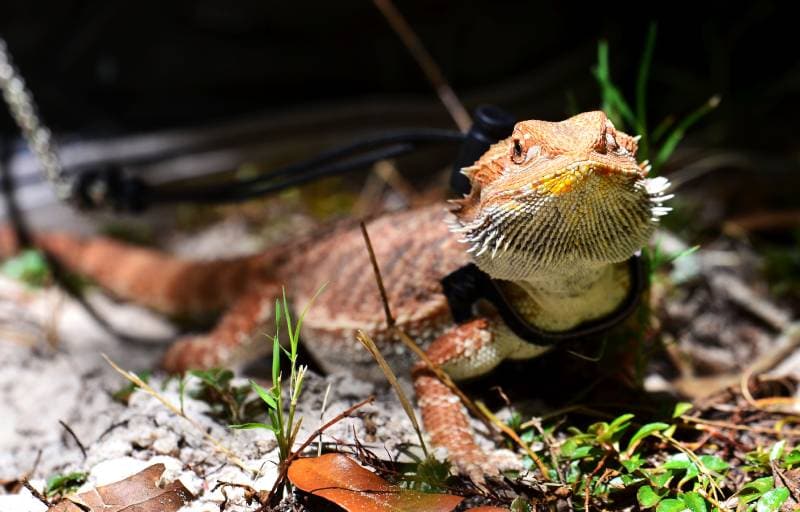
Unless outdoor temperatures are above about 80 degrees Fahrenheit outside, it is best to spend as little time as possible outside of shelters whether that means a temperature-controlled car or a building of some kind. If it’s warm enough, a quick stroll on some grass can make for a good pit stop. However, when not out for exercise or another necessary reason, it’s important to keep your bearded dragon in your heated car between destinations.
5. Buckle Your Bearded Dragon Up
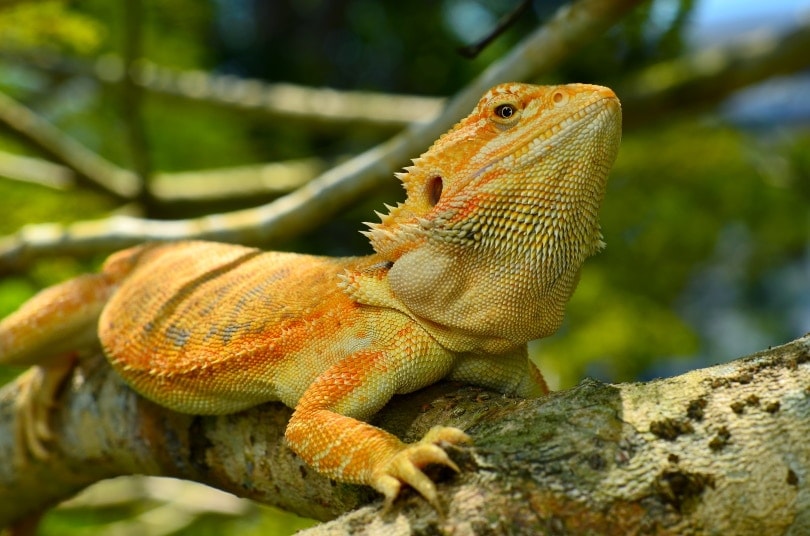
It’s better to be safe than sorry by buckling your bearded dragon’s carrier up in your vehicle while you travel. If you must come to a stop quickly or get into a fender bender, the seatbelt should help keep the carrier in place and minimize the chance that your pet will get thrown around and/or injured during the incident. Drive more slowly than you normally do, and practice defensive driving whenever possible.
6. Make Monitoring a Priority
Just because everything is quiet in your pet bearded dragon's carrier while you drive does not mean that everything is okay. Therefore, it's important to make monitoring a priority. Place the carrier in a seat where you can see inside it from your rearview mirror with a glance. If this is not possible, install a small Smart camera in the carrier that will alert you anytime significant movement happens. Consistent monitoring will help to ensure that you can immediately react if anything happens that requires your attention or action.
7. Ensure That the Destination Habitat Is Exactly the Same
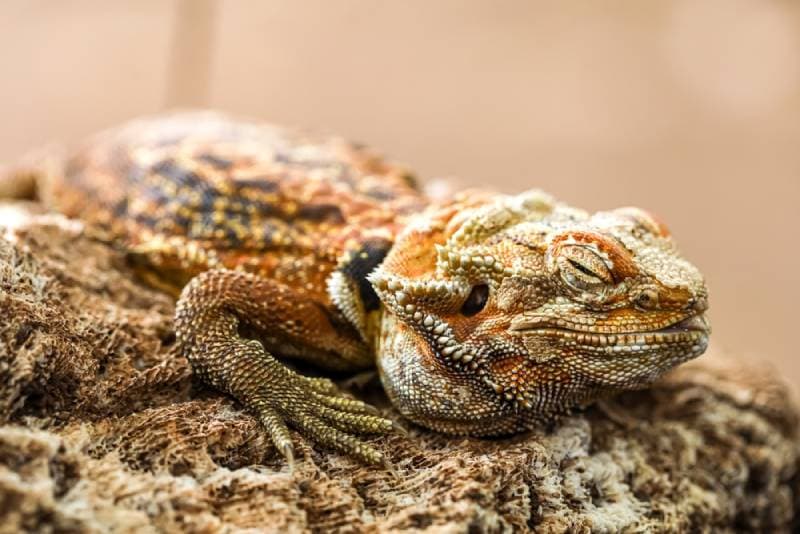
If you are moving to a new location with your bearded dragon, it is important to make sure that the habitat they are moving to is as close to the same as the one they moved away from. If possible, transport their old habitat to your new place but make sure that it is in place and ready for use by the time you arrive. If this is not possible, then try to recreate a replica of it.
It’s okay if not everything is the same, but the more that is the same, the better. The sooner your pet gets into a habitat that they are familiar with, the less stress they will be likely to develop overall.
8. Take Breaks for Yourself
Even if you don’t need to take breaks for your bearded dragon’s comfort or safety, it is a good idea to make sure that you take time for some breaks yourself. This could mean simply pulling over to take a few deep breaths or visiting a fast-food drive-through for a treat. Doing a little something to keep your stress levels under control will make it easier for you to focus on the task at hand, which is getting your bearded dragon to and from safely.

What About Traveling by Plane or Train?
If you plan to travel with your pet bearded dragon by plane or train, all the travel items and tips outlined here would still apply, although your carrier would need to be small enough to fit underneath your seat and you would definitely need to make use of a portable and battery-operated heating light source. You also must contact whatever company you plan to travel with to find out what their specific policies and guidelines are.

Conclusion
Traveling with a bearded dragon can be a stressful experience for both of you. The typical bearded dragon would much rather stay in the comfort of their habitat and household surroundings. However, when planned for and done carefully, travel can be an experience that neither of you can’t handle safely and successfully.
Sources
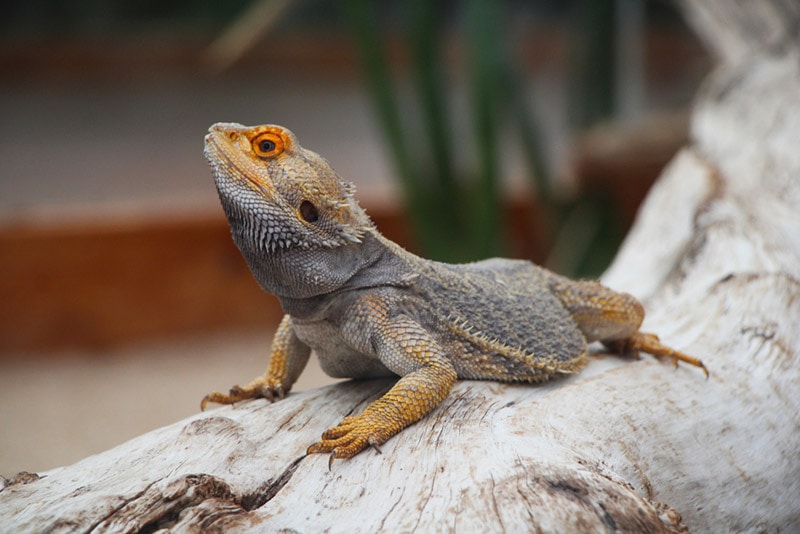
Featured Image Credit: Robert Keresztes, Shutterstock
Get Hepper In Your Inbox


Pet care tips from our vets and experts, straight to your inbox.
You may opt-out at any time. View our Privacy Policy for more information.

Rachael has been a freelance writer since 2000, in which time she has had an opportunity to research and write about many different topics while working to master the art of fusing high-quality content with effective content marketing strategies. She lives off the grid in Hawaii with her husband, her garden, and her rescue animals including 5 dogs, a cat, a goat, and dozens of chickens. She is an artist at heart and loves to read, paint, and make jewelry in her spare time. As a vegan, Rachael is obsessed with helping animals in need both in her community and anywhere in the world where she feels she can make a difference. Animals also happen to be her favorite topic to write about!
Join the conversation
Ask a question, share your story, or send private feedback.