Hepper is reader-supported. When you buy via links on our site, we may earn an affiliate commission at no cost to you. Learn more.
How to Boost Your Dog's Milk Supply: Our Vet Shares 5 Best Ways


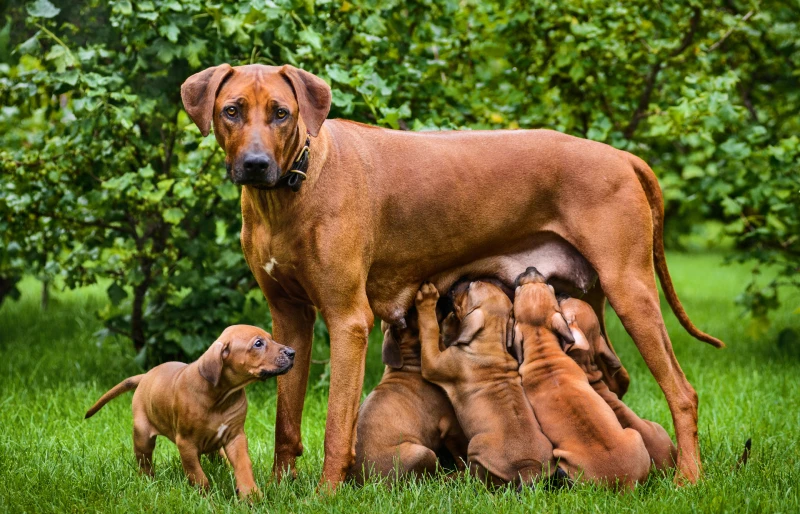
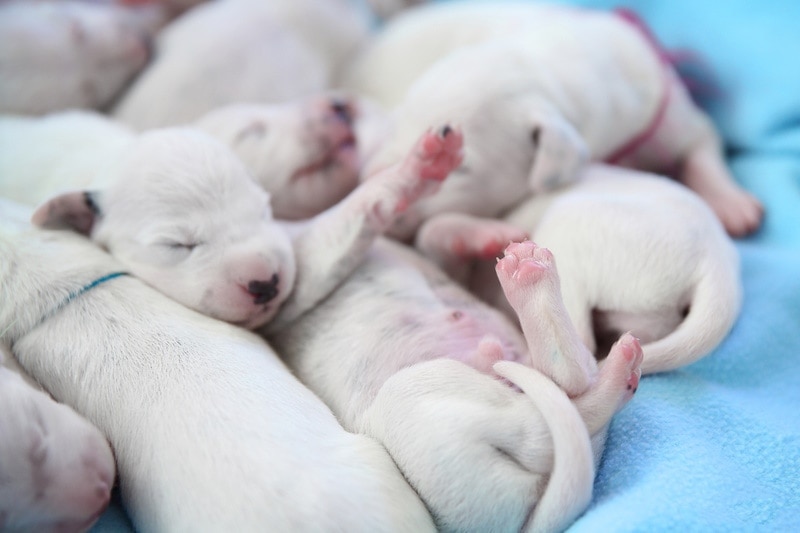
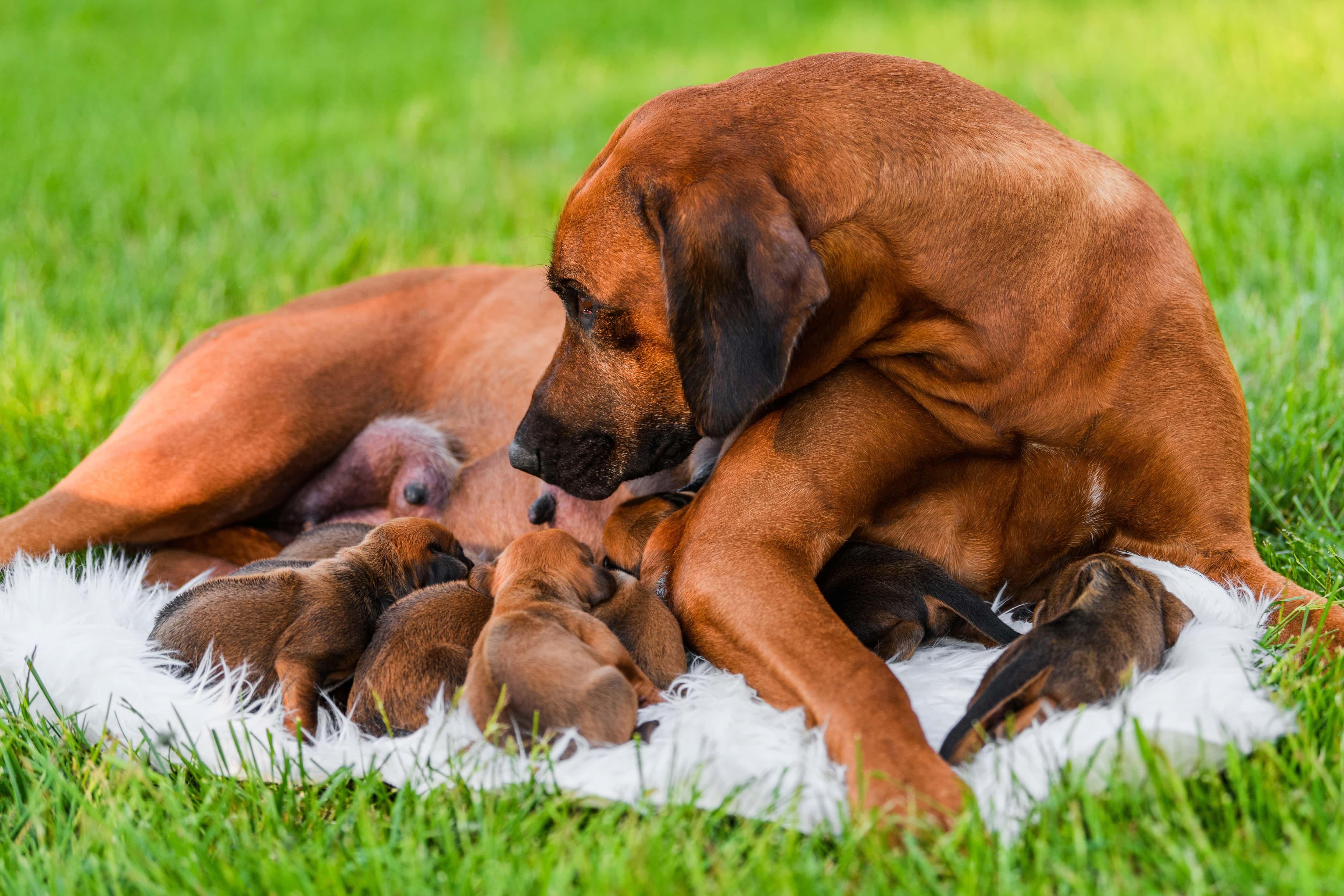
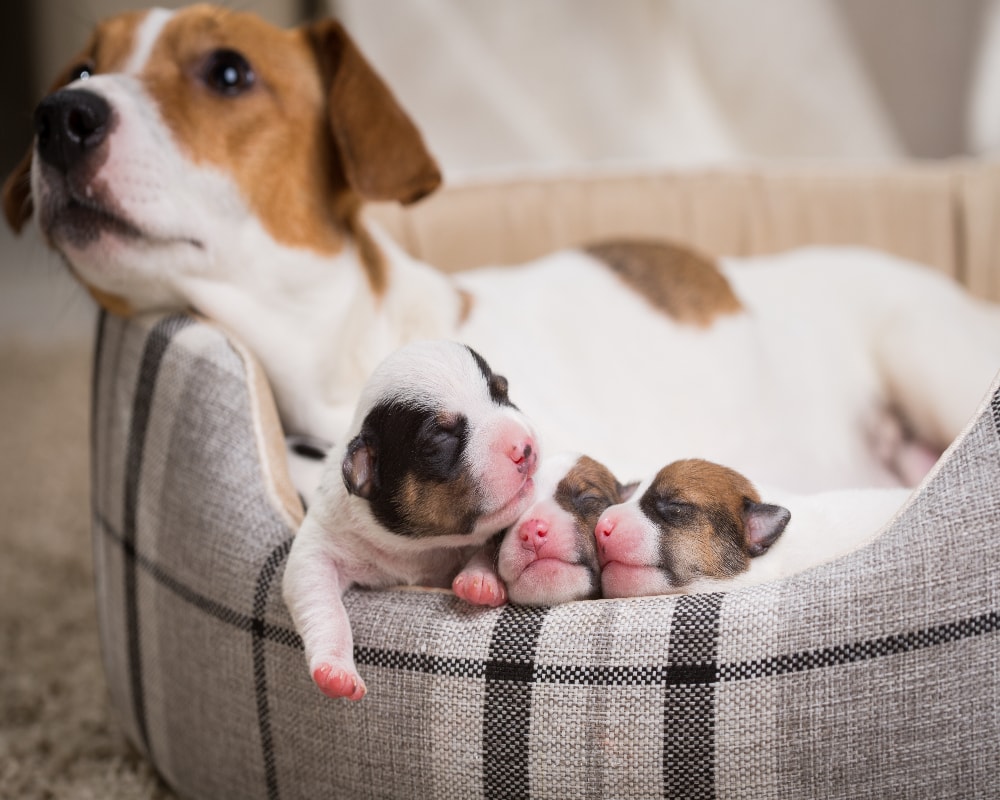
The main activity of puppies in the first days and weeks of life will be sleeping and suckling. Puppies consume milk about 12-20 times a day in the first weeks of life. The intervals between feeding sessions increase step by step after a week of age.
Up to the fourth week of life, the puppies are still trying to suckle about eight times a day. Only from week 5-6 will the puppies be satisfied with five meals a day.
Thanks to the mother's nutritious milk, which provides them with all the important nutrients, the puppies will gain weight quite quickly. There can be situations in which the mother is not producing enough milk, and this can result in the puppies not gaining weight as quickly and risk being underdeveloped.

How to Know Your Dog Is Not Producing Enough Milk
There are several signs that may indicate your new mother is not producing enough milk:
- The puppies will fail to gain weight
- The puppies will not have full tummies after feeding
- The puppies may be nursing for extended periods
- They may be crying excessively
- The mammary glands may feel empty and difficult to express milk from
There can be many reasons that a nursing mother is not producing enough milk, ranging from a large litter, to health problems such as mastitis. If you think that your dog is not producing enough milk she should have a check over with a veterinarian.

Best Ways to Boost Your Dog’s Milk Supply
Fortunately, there are some tricks you can try to increase your dog's milk production, but we recommend discussing the situation with your vet in case the mother needs medical attention. Tricks to try include:
- Feeding your dog more than usual
- Increase hydration
- Stress reduction
- Supplements for nursing dogs
- Keeping your dog healthy
However, there are cases in which you have to accept that your dog cannot produce enough milk or none at all, situations in which your puppies will need to be bottle fed with substitute products.
1. Feed Your Dog More Than Usual
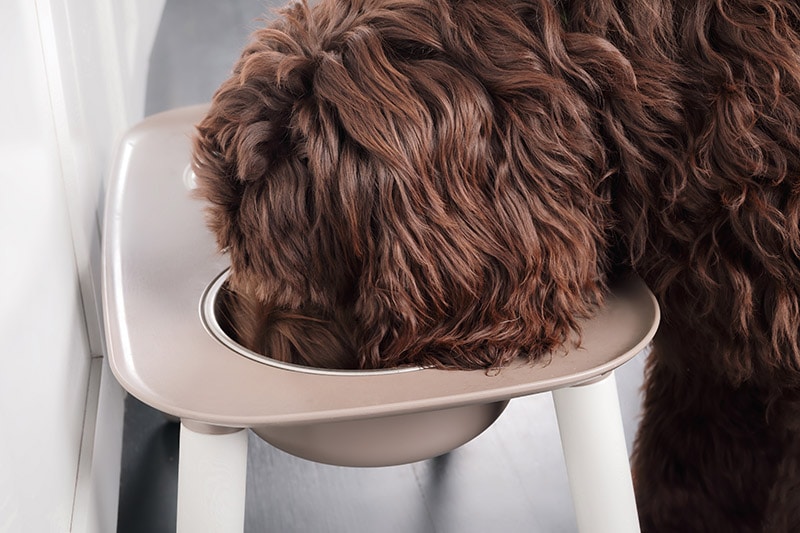
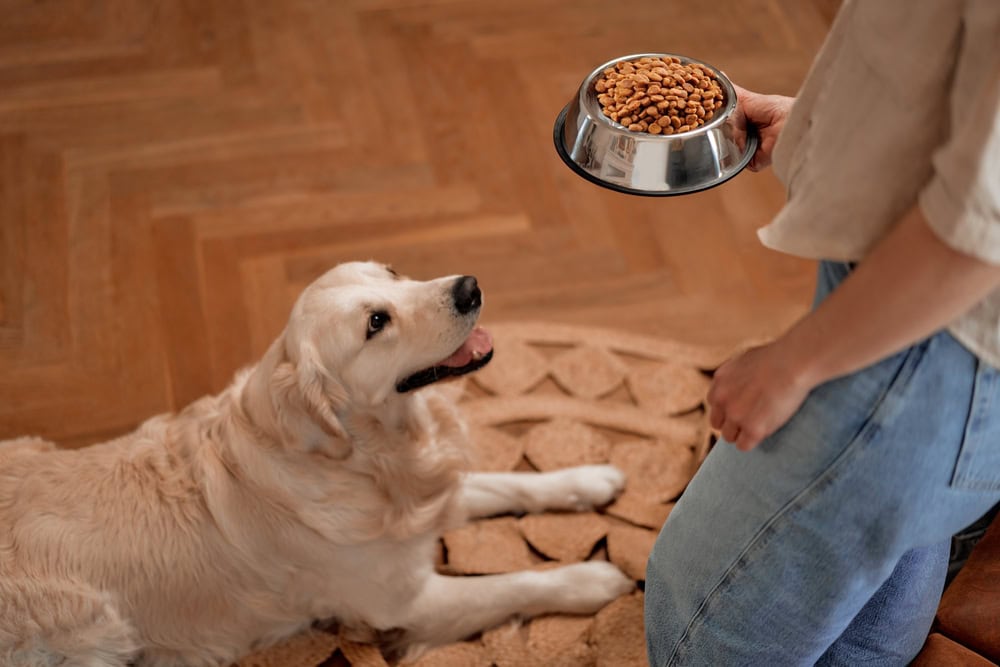
A nursing dog needs many more calories than usual in order to produce enough milk for her puppies. She will need to eat up to four meals a day (or several smaller ones) to have enough calories and therefore energy. Lactation is the most energy demanding life stage, so her nutritional requirements increase greatly in this time. It’s a good idea to increase your dog’s food intake prior to the birth to ensure she is in good body condition once the pups arrive.
| Week 1-2 before whelping: | Adult maintenance x 1.5 |
| Week 1 of lactation: | Adult maintenance x 1.5 |
| Week 2 of lactation: | Adult maintenance x 2 |
| Weeks 3 to 4 peak lactation: | Adult maintenance x 2.5 to 3 |
| Weeks 5 to 6 of lactation: | Adult maintenance x 2 |
What to Feed a Nursing Dog to Increase Milk Supply
2. Boost Hydration
Do not forget about hydration! Hydration is very important for your pet because nursing takes a lot of moisture, and dehydration will result in a rapid reduction in the amount of milk she produces. On average bitches produce around 1 liter of milk per day once lactation gets going. So, give your dog fresh water several times a day and make sure that the water bowl is always topped up.
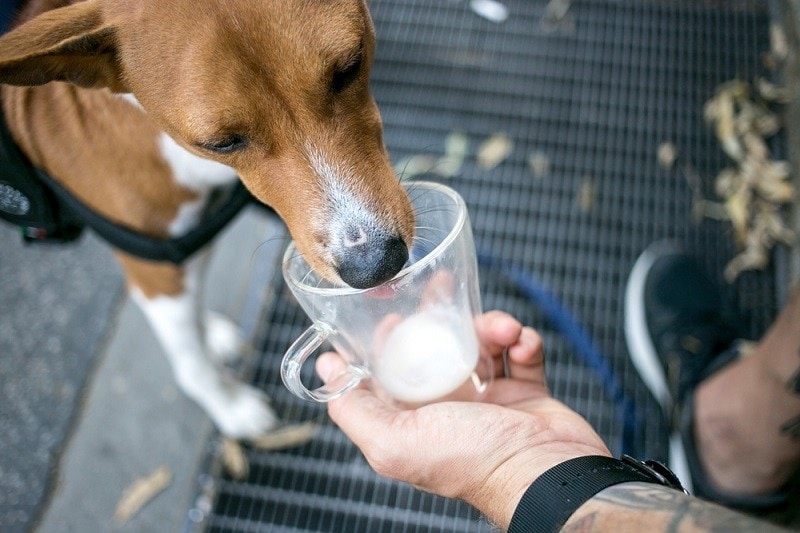
Place one water bowl close to your dog so she doesn't need to move too far from her puppies to drink, but also provide another bowl further away so that she can drink without interference from demanding offspring. If your dog doesn't drink much water or you just want to add some flavor, you can offer her some warm or cold (never hot) chicken broth. The best way to prepare this is to boil some plain chicken, and keep the water. This way there are no additives or excess salt. Just wait for the water to have cooled before offering it to your dog, and she will likely enjoy the chicken as well!
3. Reduce Stress
Stress can have a major impact on your pet's health and lead to reduced or stopped milk production and even the rejection of her puppies.
Ensuring that your dog and her puppies have a safe and comfortable space away from the hustle and bustle of the house can help her to feel more comfortable and calm. However for some very anxious dogs they actually prefer to be closer to their humans. So take your cues from your dog, and make sure she has the space she needs to feel that both she and her puppies are safe. Keep visitors to a minimum in the first few weeks.
If your dog seems stressed, give her time, and give her a break. Just as women who have just given birth need a break from time to time to recharge their batteries, so does your dog. You can take your dog for a gentle walk, play with her, or simply take care of the puppies while their mother takes a (well-deserved) break.
4. Stimulation of the Mammary Glands
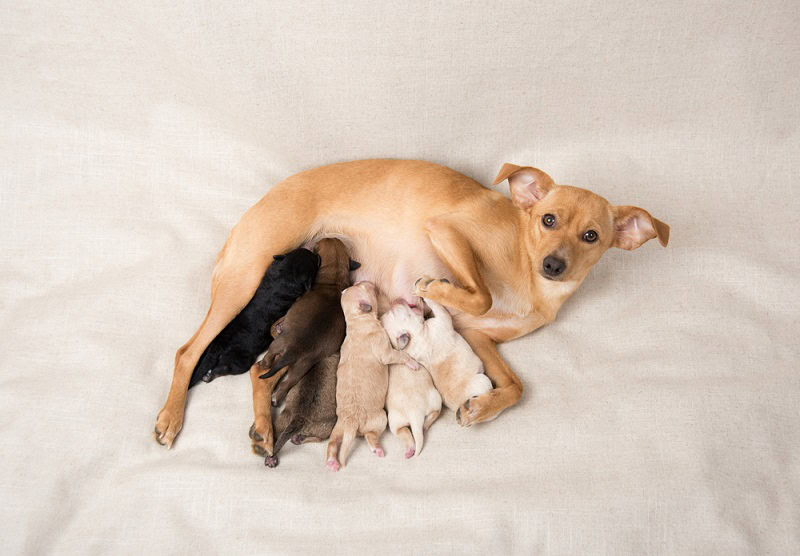
The physical stimulation of puppies suckling and kneading the mammary tissue triggers the release of the hormone oxytocin, which is responsible for the release of milk. If your dog has a small litter, there may be inadequate stimulation to trigger a suitable amount of oxytocin. Using clean or gloved hands, you can apply pressure to the mammary glands and nipples to help trigger oxytocin release and improve milk let down. If there is only a single pup, avoid stimulating too many mammary glands, as this could lead to mastitis in the ones that are not being nursed from. Instead, focus on one that is adjacent to the one most used by the pup, and encourage the puppy to suckle from both.
Remember to thoroughly wash your hands before and after this activity.
5. Keeping Your Dog Healthy
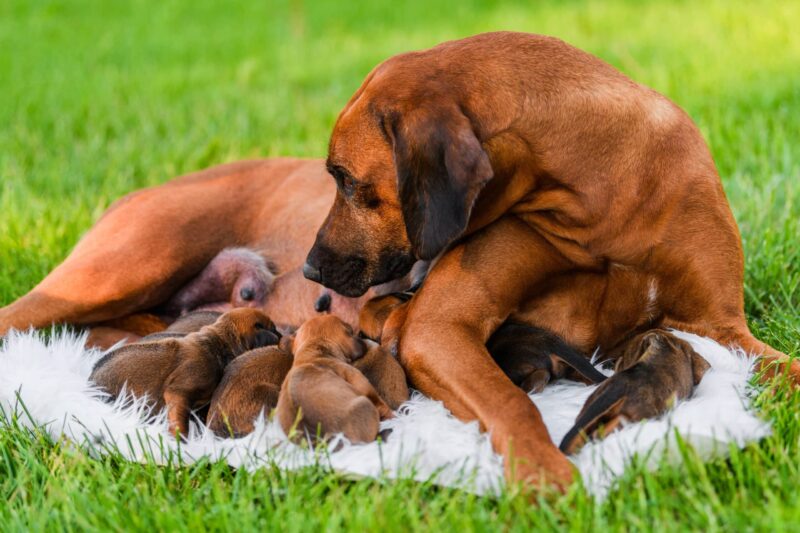
There are several ways to keep your dog healthy, such as deworming, checking regularly for mammary infections, or checking the state of her health at the vet.
Intestinal Parasites
Whether it is intestinal worms or other types of intestinal parasites (e.g., giardia), they can lead to weight loss and reduced milk production because the nutrients your dog consumes are no longer properly assimilated. Therefore, it is recommended to take your nursing dog to the veterinarian if you suspect that she has intestinal parasites. In addition, the veterinarian may also recommend deworming the puppies because their mom most likely has transmitted the parasites to the puppies through her milk2.
Check for Mammary Infections
Mastitis is an inflammatory disease of the mammary gland which is sometimes accompanied by infection. This condition, if not treated correctly and on time, can even become fatal. Mastitis can also prevent the nursing of newborn puppies as the milk accumulates in the mammary gland and will no longer be released through the duct to the puppies.
Mastitis can result from trauma to the nipple or gland, or something causing the milk duct to become blocked. The affected gland(s) become swollen, inflamed, and often quite painful. Mastitis can also result from a bacterial infection, either from an external source or from an overgrowth of bacteria that normally inhabits the skin.
The clinical signs of bacterial mastitis can include:
- Redness and swelling of the nipple and surrounding tissue
- Pain to touch
- Affected mammary glands can present wounds and ulcers
- The excreted milk may contain pus or blood
Your dog may show systemic signs of illness as well, including:
- Inappetence
- Fever
- Lethargy
- Restlessness
- Moving away from the pups/refusing to nurse
All dog breeds, regardless of age, can develop this condition, but first-time mothers are the most commonly affected.
If you notice any of these clinical signs, take your dog to the vet as soon as possible.
Take Your Dog to the Vet for Regular Check-Ups
It does not hurt to take your dog to the vet, even if she seems healthy and produces enough milk for her puppies. In some situations, the veterinarian can recommend supplements or special diets to help your dog get back on her feet faster.

How Long Will My Dog Nurse Her Puppies, and When Should I Start Giving Them Solid Food?
The moment you start feeding your puppies depends on the amount of milk the mother has and the weight of the pups. In general, puppies start being offered solid food between the fourth and sixth week of life. This process of transitioning from suckling to eating only solid foods is called weaning. If you're not sure what to do, ask your vet when the puppies are about four weeks old if they recommend giving them extra food.
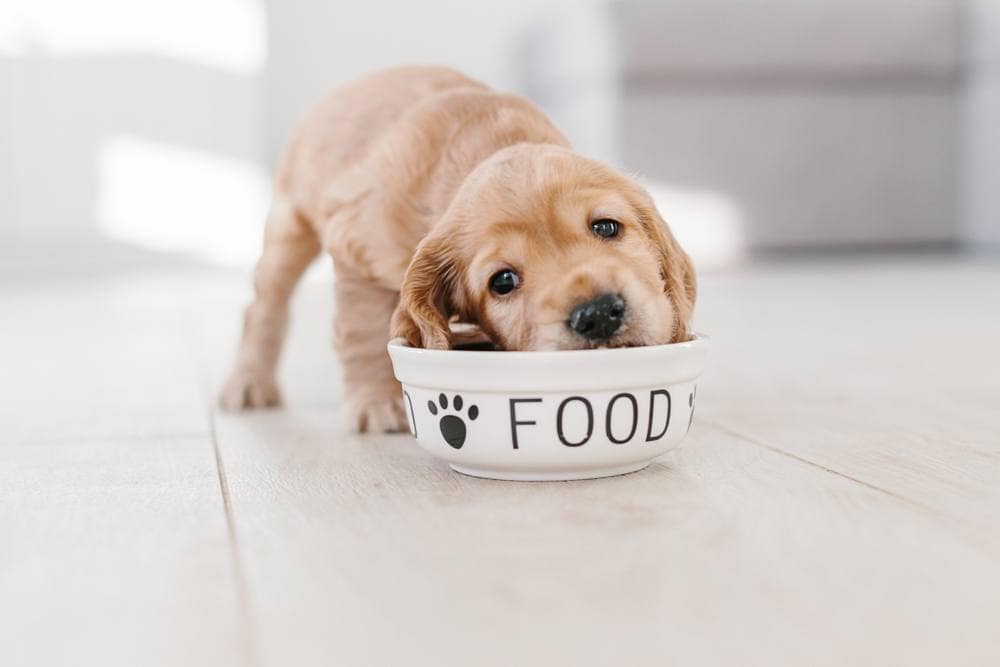
As a first type of food in addition to mother's milk, you can give them puppy milk, wet food, or a mixture of water and dry puppy food. It’s useful if you have been offering your dog some puppy food during this time as you can easily start offering some to the puppies as well. Between the eighth and tenth week, the puppies should eat solid food without problems.

Conclusion
Milk production in lactating females can be reduced for various reasons, the most common being insufficient nutrition, mastitis, dehydration, or stress. If you want to increase her milk production, you can feed your dog an easily digestible diet of quality ingredients designed for puppies or nursing dogs. You must also make sure that she has fresh water at all times, or add some water to her food. Remember to make sure your dog gets a break from her pups from time to time, and if she has a large litter, you may need to help out with supplemental feedings. It is a good idea to schedule a post-whelping checkup with your vet to make sure everything is going well, especially if you are worried that she is not producing enough milk, or shows any other signs of illness.
Sources
Featured Image Credit: Marsan, Shutterstock
Get Hepper In Your Inbox


Pet care tips from our vets and experts, straight to your inbox.
You may opt-out at any time. View our Privacy Policy for more information.
Iulia Mihai is a veterinarian with more than 13 years of experience in pet pathology, laboratory, and cancer. She studied at the University of Agronomical Sciences and Veterinary Medicine of Bucharest, Romania Iulia earned a master’s degree in equine and pet pathology and studied epithelial cancer for her Ph.D. Dr. Mihai's passions for internal medicine and parasitology inspired her to volunteer at the faculty’s clinic in her third year of college. She has worked in a couple of veterinary clinics over the years as an internal medicine specialist, and loves to write and educate pet parents about pet nutrition, behavior, and diseases.
Iulia is a passionate veterinarian with a strong affinity for veterinary parasitology, internal medicine, and laboratory. She is excited to share her experience and knowledge with pet owners around the world through her writing and hopes to educate people on pet nutrition, diseases, and behavior.
Education
Iulia graduated from the University of Agronomical Sciences and Veterinary Medicine, Bucharest, Romania, in 2012 and has a Master’s degree in Small Animals and Equines Pathology and is certified in HAACP food safety system implementation. Iulia started her Ph.D. in epithelial cancer in dogs and cats in 2013. Her research is published in national and international veterinary journals.
Experience
Dr. Iulia has been a veterinarian for more than 14 years. She is experienced in animal pathology and laboratory and has experience with exotic animals, such as pet rats and ferrets. She also has skills in the field of clinical pathology, laboratory, microscopy, cancer, and imaging.
Join the conversation
Ask a question, share your story, or send private feedback.