Hepper is reader-supported. When you buy via links on our site, we may earn an affiliate commission at no cost to you. Learn more.
Is Radioactive Iodine Treatment for Cats Effective? Vet-Reviewed Facts & FAQs


In this article
Radioactive iodine is a treatment option for cats with hyperthyroidism, a disease caused by overactive thyroid glands producing increased amounts of thyroid hormones. In most cats, hyperthyroidism is caused by benign (non-cancerous) changes to the thyroid glands. Cancer can be the cause in a small amount of cats (less than 1-2% of cases).
Older cats are more at risk for developing the condition. There are four common treatments for hyperthyroidism: surgery, medication, dietary treatment, and radioactive iodine treatment.1 Radioactive iodine is often considered the gold standard when treating feline hyperthyroidism as it’s generally safe, efficient, and effective. It works around 95% of the time.

How Does Radioactive Iodine Treatment Work?
Radioactive iodine treatment involves the injection of a radioactive isotope that destroys overactive (abnormal) thyroid tissue.2 The injection is administered under your cat’s skin and is usually a one-time affair. However, some cats require two treatment cycles. Cats must stay hospitalized in special isolation facilities until the levels of radioactivity in their blood drop, usually around 3 to 5 days, during which cats can’t have visitors.

What Are the Benefits of Radioactive Iodine Treatment?
Radioactive iodine treatment is often the least stressful treatment option as it usually only involves one injection and a short period of hospitalization. Thyroid levels typically return to normal within a few weeks, and most cats don’t require further treatment.
The alternative treatment options all come with downsides. Medication often requires lifetime administration, which can be incredibly stressful for some cats and their owners. And some drugs commonly used to manage hyperthyroidism may have side effects, such as gastrointestinal issues and liver problems.
Many cats actively resist the strict dietary changes required to deal with hyperthyroidism. Removing the thyroid gland often fixes the issue, but surgery isn’t always a great option for older pets or those suffering from conditions such as heart or kidney disease that often increase the risk of being anesthetized. There is also a risk of inadvertent damage to the small parathyroid glands that lie close to or within the thyroid glands. The parathyroid glands are very important for maintaining stable blood calcium levels.
What Are the Side Effects of Radioactive Iodine Treatment?
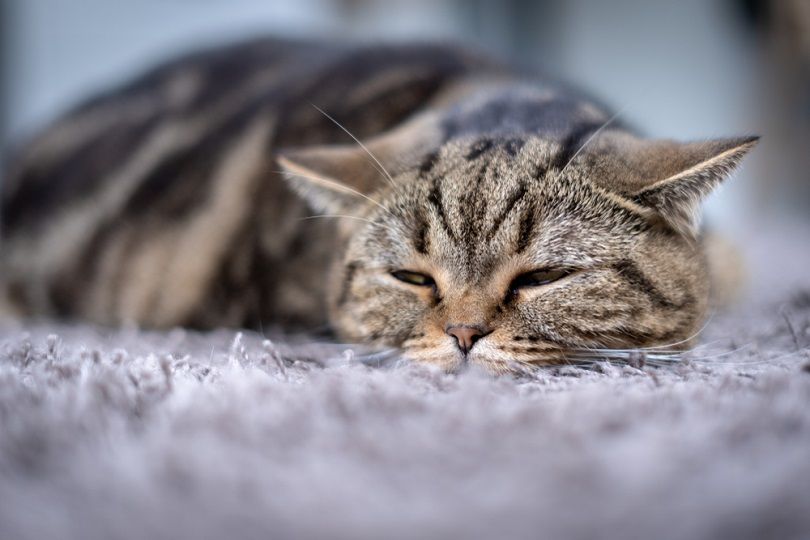
There are very few side effects of radioactive iodine treatment. It is reported that some cats are more lethargic, sleep more and eat less for a short while after treatment. In rare cases a cat may have a sore throat for a few days also.
While radioactive iodine treatment is safe, it still involves injecting your cat with a radioactive substance. Treated cats are usually fine, but you’ll need to take extra precautions for about 3 weeks as the levels of radioactivity in your pet’s blood drop to safe levels after treatment.
After returning home, cats should be kept indoors for 2-3 weeks and must be kept away from pregnant women, children, and other animals to limit their exposure to lingering radioactivity. And extra precautions should also be taken when cleaning your cat’s litter box, as radiation can be excreted in your buddy’s urine. For these weeks everyone should avoid sleeping with the cat or holding it for prolonged periods of time. Always wash your hands after handling your cat or the litter tray.

What Are the Signs of Feline Hyperthyroidism?
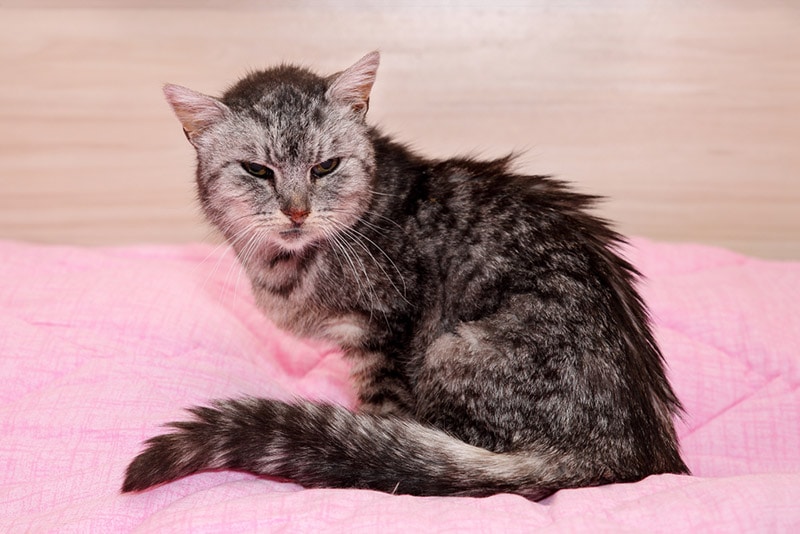
Common signs of feline hyperthyroidism include weight loss, an increased appetite, and increased thirst. They can be more active, restless, and irritable. Hyperthyroid cats usually have an increased heart rate and can develop gastrointestinal problems such as vomiting and diarrhea. Some kitties develop a poor and unkempt hair coat.
How Is Feline Hyperthyroidism Diagnosed?
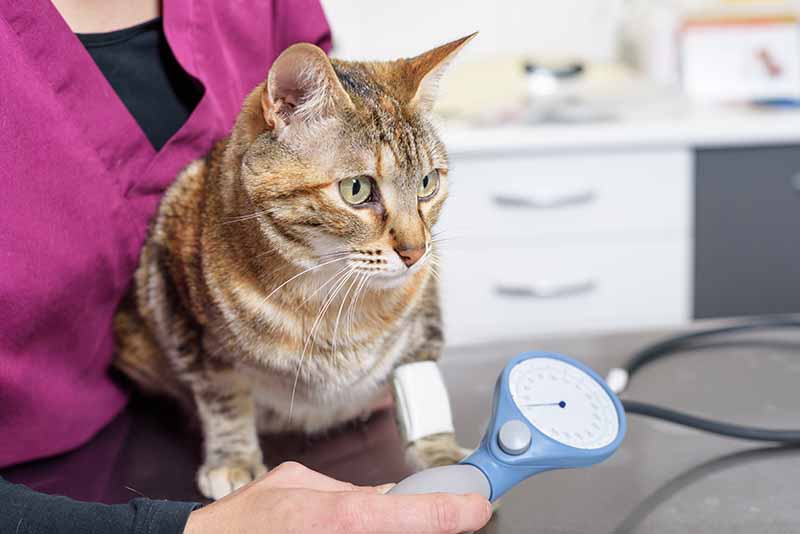
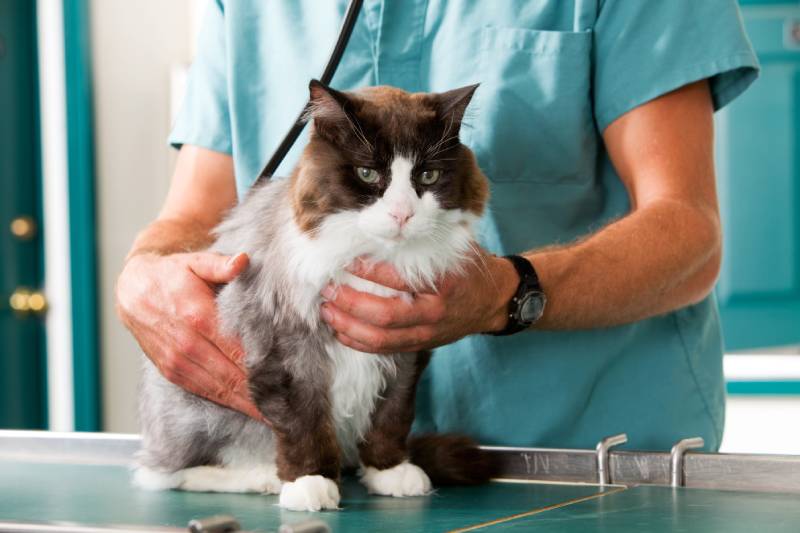
Diagnosis usually involves a physical examination and blood tests. Cats with hyperthyroidism often have enlarged thyroid glands in their neck, which veterinarians may be able to feel during examinations. To confirm a diagnosis a blood test is needed to measure the level of thyroid hormones in the blood. Other blood and urine tests are checked to help rule out other concurrent conditions such as kidney disease. Your vet will listen to your cat's heart and may check their blood pressure.
Conclusion
Radioactive iodine treatment for cats is usually considered a safe and effective treatment for feline hyperthyroidism. The radioactive iodine injected during the procedure essentially kills the problematic parts of the thyroid without damaging healthy cells. Treatment usually only requires one injection and has the benefit of not requiring anesthesia.
Radioactive iodine treatment is only available in limited locations and requires cats to stay hospitalized in isolation for 3 to 5 days to allow radiation levels to drop to acceptable ranges for human exposure. Further precautions at home are usually required for about 3 weeks or until the radiation in your cat’s blood hits safe levels.
Sources
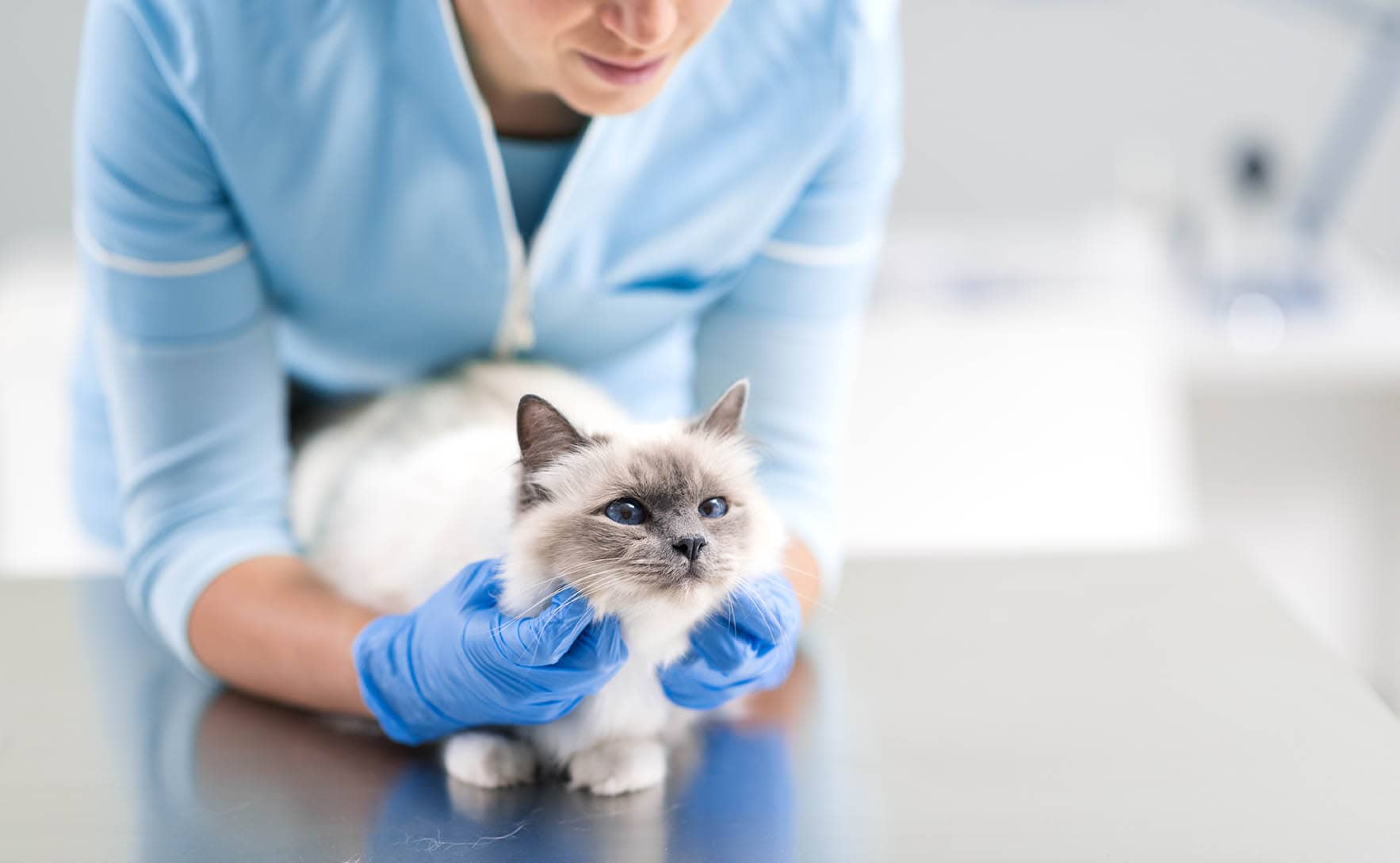
Featured Image Credit: Stock Asso, Shutterstock
Get Hepper In Your Inbox


Pet care tips from our vets and experts, straight to your inbox.
You may opt-out at any time. View our Privacy Policy for more information.
Lorre Luther a reformed lawyer from the United States, she moved to the Netherlands to follow her dream and become a writer. Currently living in Rotterdam, Lorre enjoys traveling and reveling in the astonishing beauty of our planet. As an animal lover, Lorre is convinced that cats are smarter than humans.
Join the conversation
Ask a question, share your story, or send private feedback.