Hepper is reader-supported. When you buy via links on our site, we may earn an affiliate commission at no cost to you. Learn more.
What Is a Good Fat-to-Protein Ratio In Dog Food? Our Vet Explains


In this article
Figuring out the nutritional requirements of dogs can be daunting for first time owners. Analysis of the nutritional information of dog food (usually found on the label of commercial products) can provide you with data.
The fat-to-protein ratio (FPR) in dog food will tell you how much lean meat is being used in your dog’s food compared to fatty ingredients and is usually expressed in a percentage. It’s not an exact measurement, but it may help give you a better idea of the quality of your dog’s food.
Fat in dog food is not a bad thing. In the right quantity, it’s an essential nutrient. However, too little or too much of it in dog food can be a problem. The average range for a healthy FPR is 50% to 80%, however, this number isn’t as important as the actual amount of fat and protein in dog food.
Here, we look at this number in detail.

Why Was The Fat-to-Protein Ratio Created?
The fat-to-protein ratio was not intended to be used for pet food. Its initial use (a purpose it still serves today) was to analyze the nutritional content of certain ingredients, primarily ingredients derived from livestock animals.
For example, knowing how much protein and fat is available in milk is a measurement frequently used by the dairy industry, and helps dairy farms ensure that they meet specific production requirements set forth by regulatory agencies. This is important because, in mass production of dairy products, the milk of several cows is collectively used as a single “product” - therefore, the milk you purchase from the grocery store might have been produced by several different cows, rather than a single cow. Ensuring that all the milk collected from the various cows on the farm meets standard levels is crucial for such a business model.
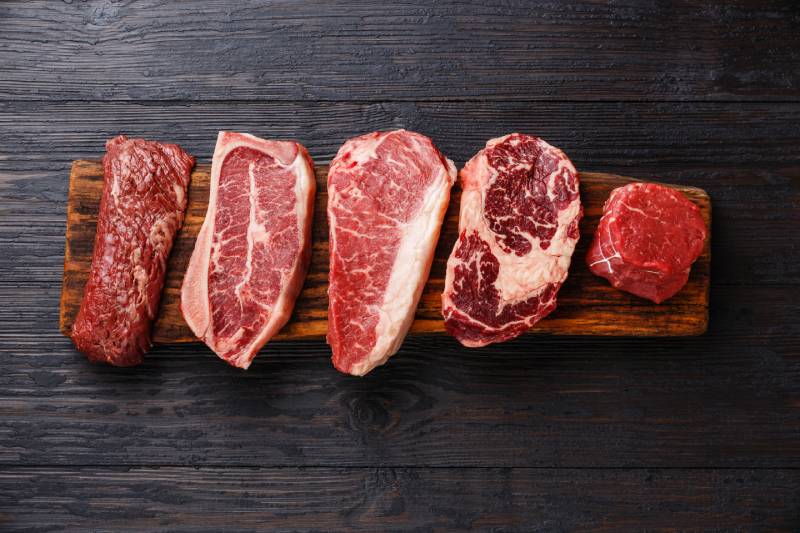
Likewise, the fat to protein ratio is used in animals that are raised for their meat. As different parts of an animal may have different nutritional yields, knowing their fat and protein yields, and the ratio of fat to protein is a useful tool in determining which cuts can be marketed as “low fat” and which cuts can be marketed as “marbled”.
Fat-to-Protein Ratio In Dog Food
Generally speaking, the fat-to-protein ratio may give an indication of the quality of your dog’s food, but this number is not as important as the actual amount of both fat and protein in your dog’s food. Perhaps even more important is knowing whether or not the food offers your dog all the essential amino acids (the building blocks of protein), and all the essential fats they require from their diet. These are nutrients that their bodies cannot make themselves.
That being said, if the FPR is too high, it could mean there is an excessive amount of fat in the food. If the FPR is too low, it may possibly mean that the meat in the food is low and that non-meat protein sources have been used to bulk the food up.
This number isn’t literal. It’s only meant as a guide. It should not be used to analyze dog foods, but it may help you understand more about what your dog is eating.
The average FPR for wet and dry dog food is typically 55%–60%. Most dry foods come in at lower than 70%.
A good rule of thumb is to avoid any food with an FPR higher than 90% - though the odds of finding such a ratio in a commercial diet are very rare.
What’s far more important than the ratio is the actual amount of protein and fats in your dog’s food. They should follow regulatory guidelines to ensure that your dog’s food meets their nutritional requirements. In the US, the guidelines are set forth by the Association of American Feed Control Officials (AAFCO).
The AAFCO minimum protein requirement for an adult dog in maintenance is 18% (on a dry matter basis). Likewise, their minimum fat requirement for such a dog is 5.5%. Please note that the requirements for puppies, sick dogs, pregnant dogs, lactating dogs, and working dogs are entirely different and therefore, it is best to consult with your veterinarian when it comes to figuring out what your dog’s nutritional needs are.
How Do I Calculate the Fat-to-Protein Ratio of Dog Food?
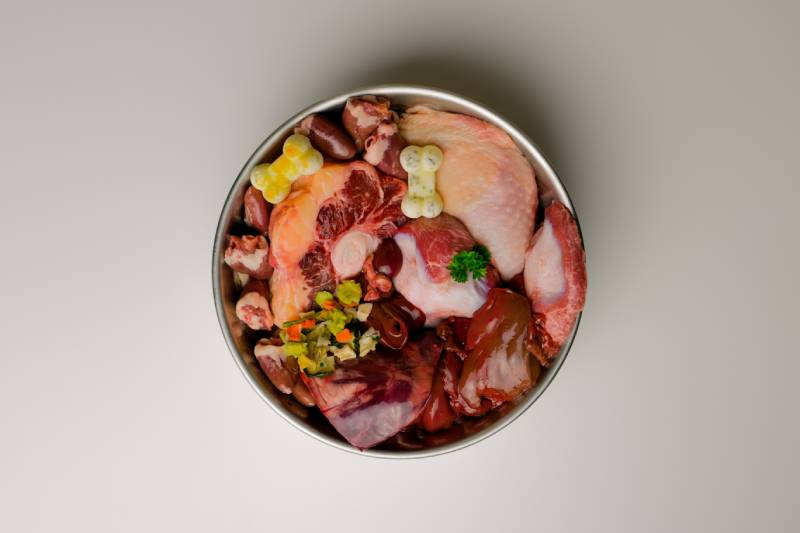
If you’re still curious to know more about your dog’s food, calculating the fat-to-protein ratio is relatively simple. If you look at any ingredient label on a package of dog food, you can calculate the FPR yourself. Find the nutritional content label, and look for the crude fat and crude protein numbers in the guaranteed analysis. Then, divide the fat by the protein. Multiply your result by 100 and you will have your FPR percentage.
For example:
Optimize the benefits of your dog's diet with our calorie calculator here.
What Happens If My Dog’s Food Has Too Much Fat?
It’s not just weight gain that is a concern with a high-fat diet, although this is certainly something that should be avoided. Keeping your dog at a healthy weight not only can help them feel their best and stay energetic but will also help you avoid health problems related to obesity.
If dogs eat too many of their calories from fat, they will end up feeling fuller more quickly. This can cause them to fill up without consuming the recommended amount of protein and other nutrients for their health. Long-term feeding this way can cause them to develop health issues from a lack of nutrients. The fat content in your dog’s food should always be lower than the protein content. Make sure you’re feeding your dog a well-balanced diet so they get the nutrients that they need.
Final Thoughts
The FPR ratio in your dog’s food is used as a rough guide to the quality of their nutrition by some people. In general, the ratio itself is not as important as the actual fat and protein content in a dog’s food, alongside information on which fats and proteins are present in the food.
As always, if you have any questions about the nutrients that your dog needs or what to feed them, your vet is your best source of advice and guidance. They know your dog and what they specifically need to maintain their health.
Featured Image: eva_blanco, Shutterstock
Get Hepper In Your Inbox


Pet care tips from our vets and experts, straight to your inbox.
You may opt-out at any time. View our Privacy Policy for more information.
A lifelong resident of Chicago, Jessica has shared her home with furry, feathered, and scaly pets for over 30 years. Her passion for animals began at a young age and led to her eventually owning and operating a pet care company. She is now a full-time writer and spends her days writing about all types of animals. Jessica and her husband Dominic enjoy city life and have turned their backyard into an oasis for the neighborhood birds and squirrels.
Join the conversation
Ask a question, share your story, or send private feedback.