Hepper is reader-supported. When you buy via links on our site, we may earn an affiliate commission at no cost to you. Learn more.
12 Possible Reasons Why Your Cat Keeps Chasing You - Does It Hunt You?
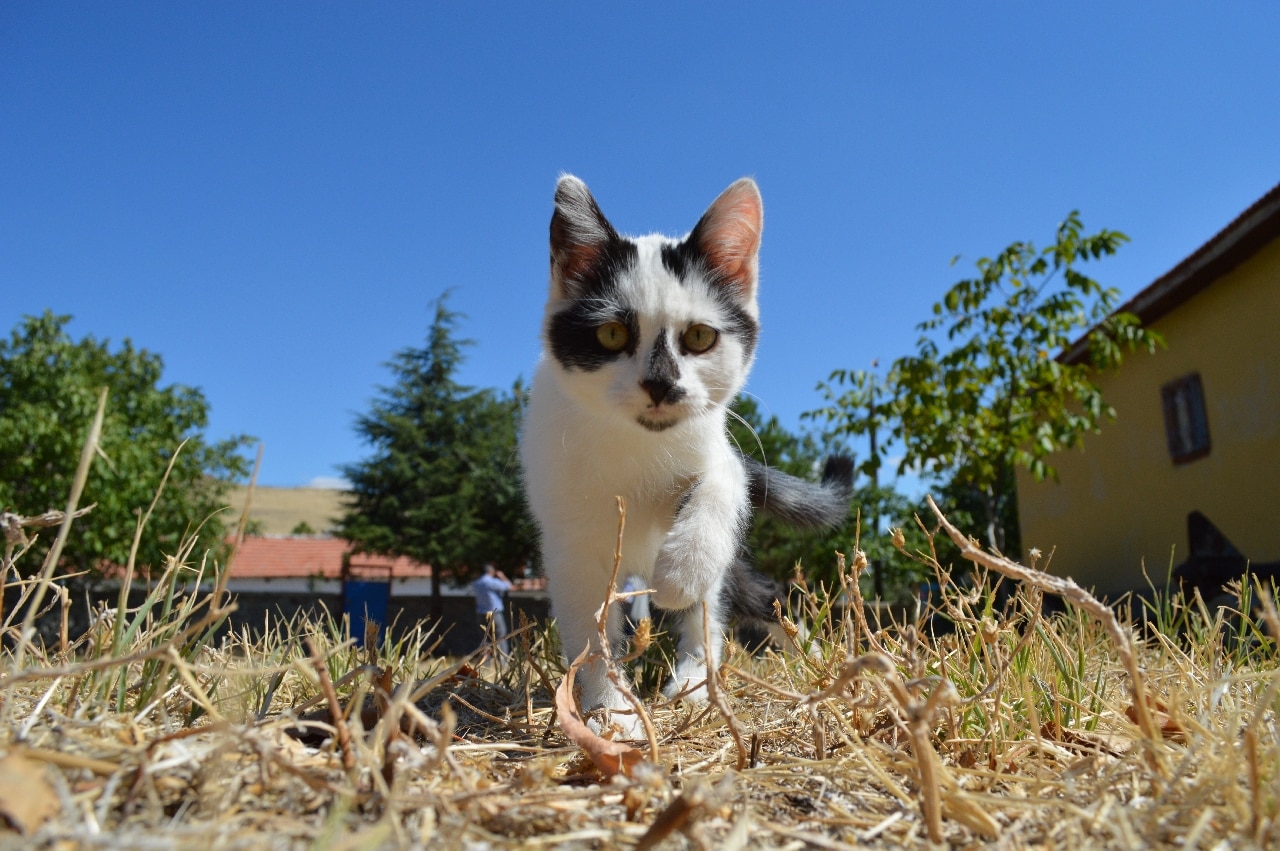
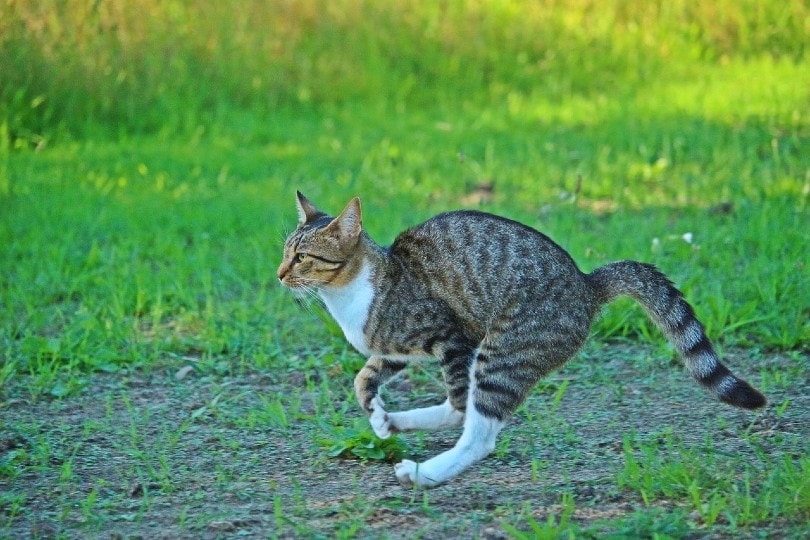
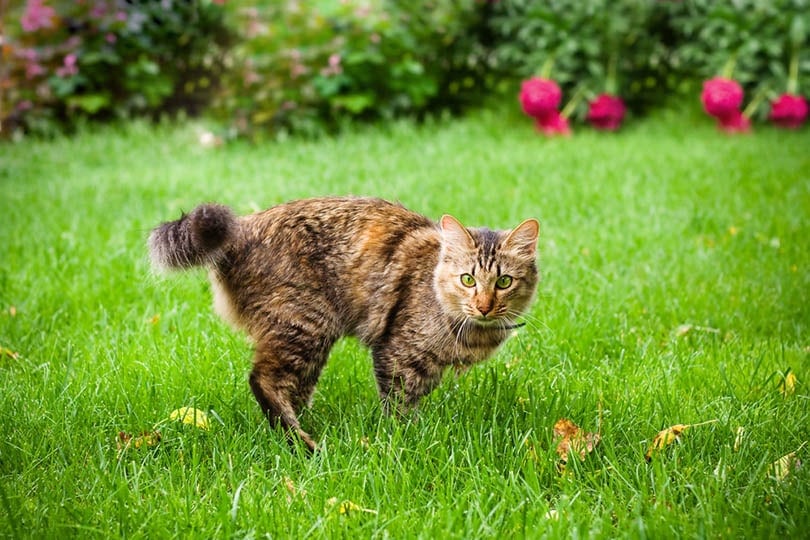
Getting chased is basically a rite of passage for any cat owner. One minute, all is quiet and peaceful in your home. The next, you've got a furry feline hot on your heels, eager to catch up and cause a bit of mischief while they're at it. And they never seem to get tired of it!
So why does your cat love chasing you? Is it all in good fun, or should you be worried? Here are 12 possible explanations for why your cat just can't seem to resist the urge:

The 12 Possible Reasons Why Your Cat Keeps Chasing You
1. Cats Have Instinctual Hunting Behaviors
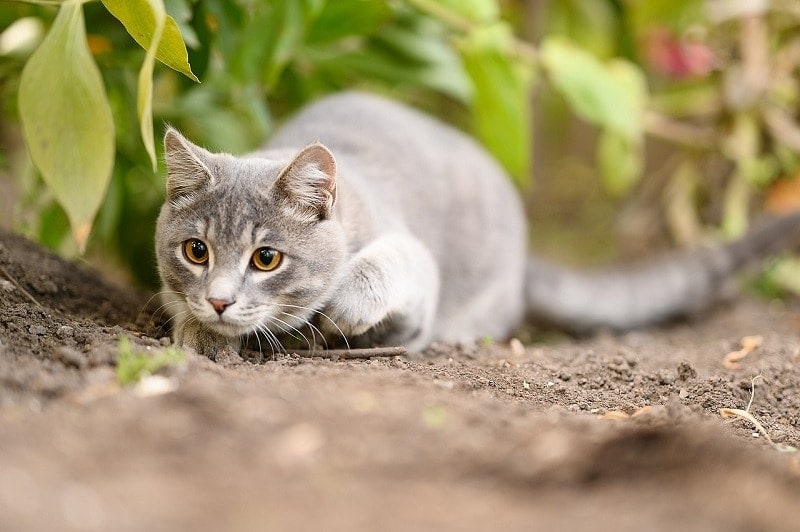
As a cat owner, you're living with one of the most talented (and cutest) predators on the planet. The feline instinct to hunt is strong even in kittens, and this includes hunting behaviors like stalking, swatting, pouncing, and, yes, chasing.
Sure, your pet cat may not need to hunt to survive, but the impulse remains in its DNA. For cats, their owners are prey—albeit a very friendly kind of prey. If you move quickly or in an unpredictable manner, it's only natural for your cat to try and catch up with you.
After all, they're programmed to hunt moving targets. In this case, that's you!
2. Your Cat Is Trying to Play With You
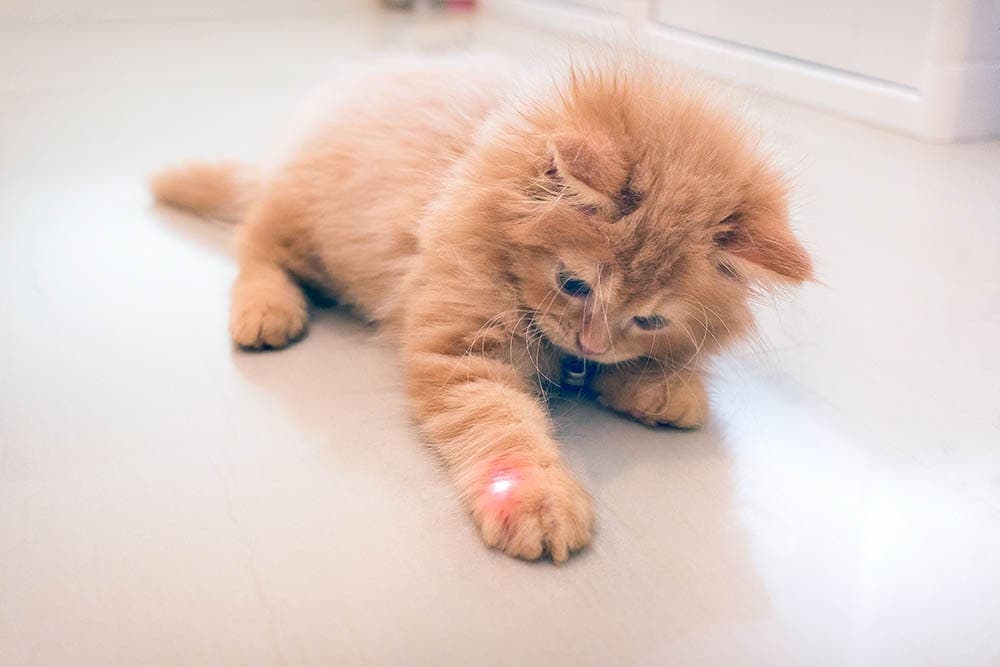
Ever seen a cat play with other cats? There's quite a lot of chasing involved! Cats chase each other for fun, and this game can even include elements like hide and seek, wrestling, and even tag. When your cat decides to chase you, it could mean that they think of you as its playmate. They're trying to involve you in their favorite game.
Indulge them from time to time by running away, chasing after them, or hiding in one spot and then pouncing on them when they least expect it. They'll love it, and you'll get loads of bonding time out of it.
3. A Lack of Stimulation Might Lead to Chasing
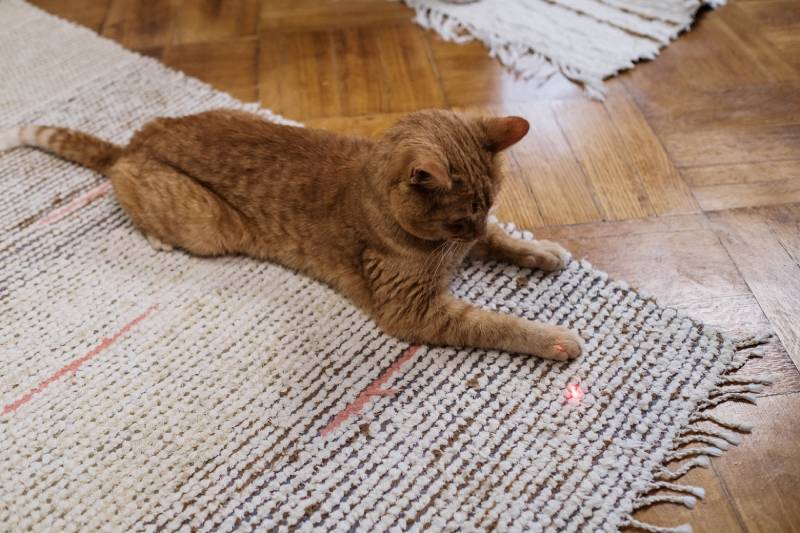
If your cat has nothing better to do, then chasing you might become their favorite pastime. It's important for cats to have interesting toys and activities available at home; otherwise, boredom might make them look for new ways of entertaining themselves. That often involves targeting something (or someone) that moves.
Make sure to provide your pet with plenty of playthings and interactive games that can keep them engaged throughout the day. This way, they won't get any crazy ideas about chasing you around the house!
4. Territoriality Can Cause Unwanted Chasing
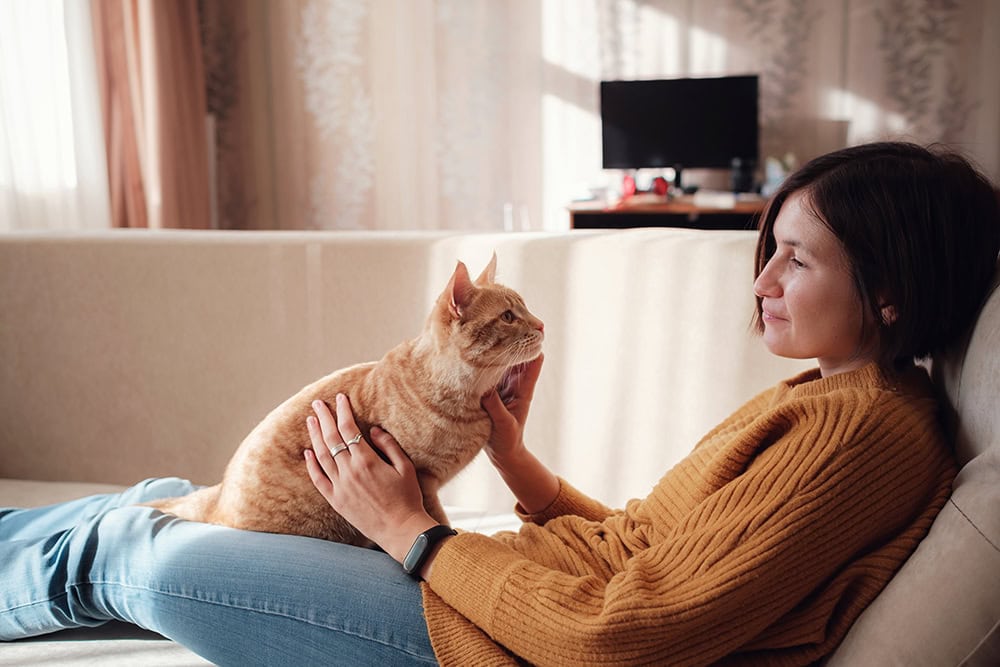
It's also possible that your cat is trying to assert their territorial rights by chasing after new people or animals in the home.
If a stranger has recently visited or you've adopted a new pet, cats may feel threatened and want to chase these perceived intruders away from their domain. And yes, this can include you. When those territorial instincts kick in, all bets are off!
To prevent this, make sure to introduce any new entities to your cat in a controlled and gradual way. Let them get used to the newcomer's presence and scent and reward them for good behavior.
Protect their safe spaces as well. For instance, don't let any unannounced visitors into your pet's napping spots.
5. Your Cat Could Be Showing Hyperactivity or Anxiety
Sometimes, cats can exhibit excessive chasing behavior if they suffer from elevated levels of anxiety. If this is the case, you'll probably notice other signs of stress, such as excessive grooming and panting.
Try to figure out the cause of your pet's anxiety and address it. Sometimes, a visit to the vet might be necessary. There are several treatments available, including anti-anxiety medications or behavioral therapy. At the same time, look for ways to help your cat feel safer and calmer in your home.
6. A Change in Diet Could Impact Your Cat’s Activity Level
If you've recently changed your cat's diet, this could also explain their increased curiosity and chasing behavior. Cats on a poor diet aren't as active or energetic as those on a high-quality, balanced one.
As a result, they may be prone to chasing and pouncing around the house because they're now feeling energetic enough to do so.

7. Your Cat May Be Sick or in Pain
A sudden change in your cat's chasing habits, especially if it becomes aggressive, may be indicative of a more serious medical issue.
According to the ASPCA, numerous conditions can trigger aggression, which can also include aggressive chasing. Some of these are epilepsy, dental disease, hyperthyroidism, rabies, toxoplasmosis, and more.
If your kitty starts displaying aggressive chasing behaviors out of the blue, it's a good idea to take them to the vet and get a thorough checkup. That way, you can rule out any underlying medical issues that might be causing the problem or get them treatment if necessary.
8. Cognitive Dysfunction or Sensory Decline in Older Cats
Like humans, cats develop various issues with age. Cognitive dysfunction and sensory decline can both trigger aggressive chasing, as senior cats may become disoriented and confused due to their declining senses.
If your cat is getting up there in years and show unexpected aggression or chasing, you should provide them with a more supportive environment. This may include adding more soft beds around the house, diffusing calming pheromones, or providing them with supplements to boost their senses.
Have them checked as well; your vet may prescribe medication that can help support cognitive function in older cats.

9. Your Cat Loves Being Around You
On a more positive note, the reason why your cat may be chasing you around could simply be because they love being close to you. They do have weird ways of showing it, and chasing is one of them.
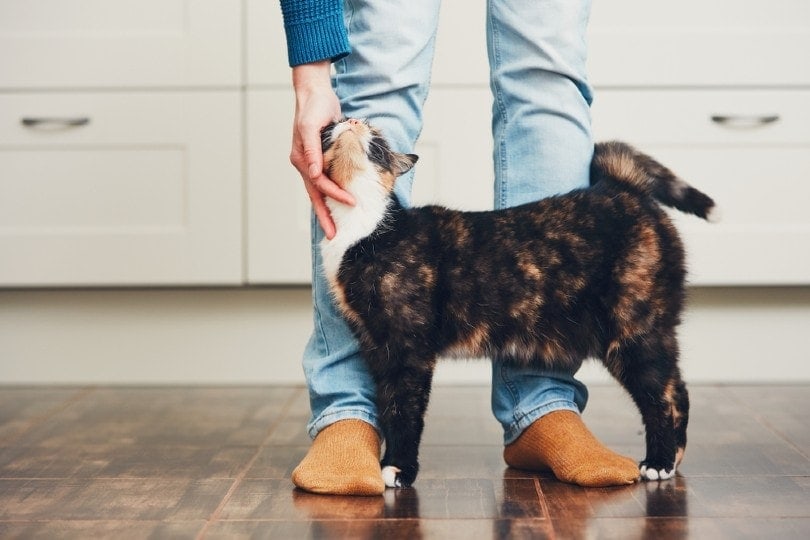
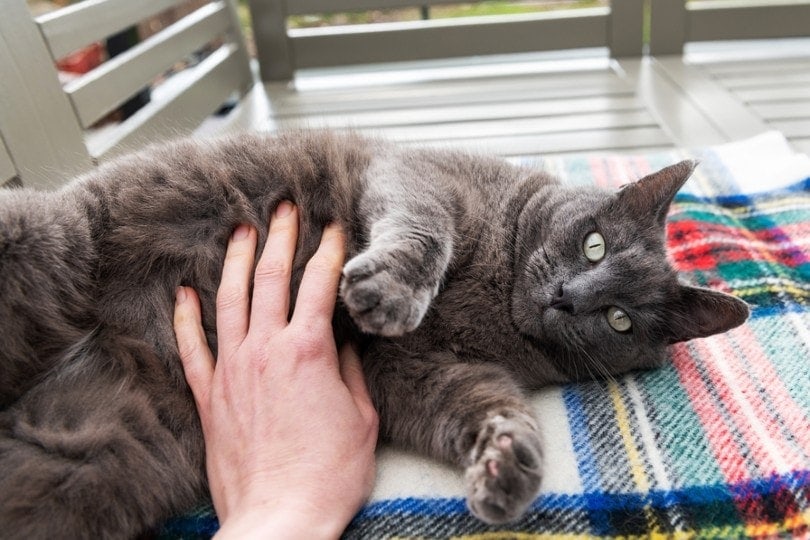
If your kitty follows you around the house and pounces on you every once in a while, they could just be trying to show their affection. It's their way of bonding with you and getting your attention, so make sure to give them plenty of love and cuddles in return!
10. They're Curious About Something You Have
Cats have more keen senses than humans. They can easily pick up on the slightest scents and sounds, so if you have something in your hand or pocket that's drawing their attention, they may want to investigate.
It could taste crumbs on your shirt or a string dangling out of your pocket. Whatever it is, if your cat's been chasing you around, chances are they're intrigued by something that you have and want to explore it.
11. Your Cat is Feeling Overstimulated
Your cat's sudden chasing could also be a sign that their senses are getting overwhelmed.
If you've been playing and interacting with them for too long, they may become overly excited and start to chase you around the house as a way of expressing it. It could also be something in their environment, such as loud noises or bright lights, that's making them overstimulated.
If this is the case, give your cat some time to cool off and let their senses return to normal. Once they regain their equilibrium, their chasing behavior should subside.
12. You Have a Poorly Socialized Cat
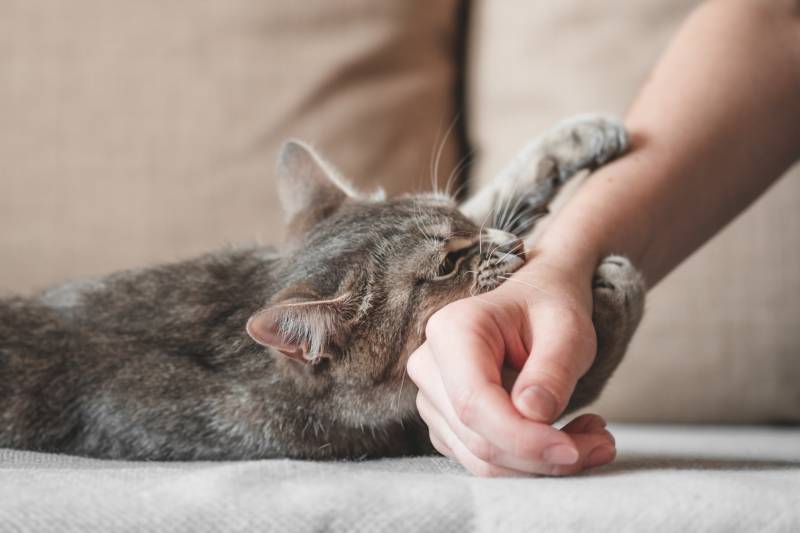
It's possible that your cat has not been properly socialized since young, which may explain why it is relentlessly chasing you around.
An unsocialized or poorly socialized cat may be less comfortable with humans and their movements, which can lead them to act out in fear or aggression. This may include chasing away anything or anyone they feel is a threat.
Cats who were taken in as strays often fall in this category, so if your cat is one of them, seek the help of a professional behaviorist to help with their socialization.
With the proper guidance and patience, you can teach your cat how to interact confidently with people and become less fearful and aggressive.
How to Manage Your Cat's Chasing Behavior
In general, chasing is harmless behavior—it's just your cat expressing its natural instincts. However, there are times when it can become disruptive and even dangerous. If your cat's chasing habits are becoming too much to handle, here are some tips to help manage them:
Avoid Roughhousing With Your Cat
Cats love playing rough and playfighting. If chasing you always ends up in a wrestling match, you're inadvertently encouraging them to do it more. Be mindful of the associations they're making and stick to gentler forms of play instead.
Regularly Bond With Your Cat
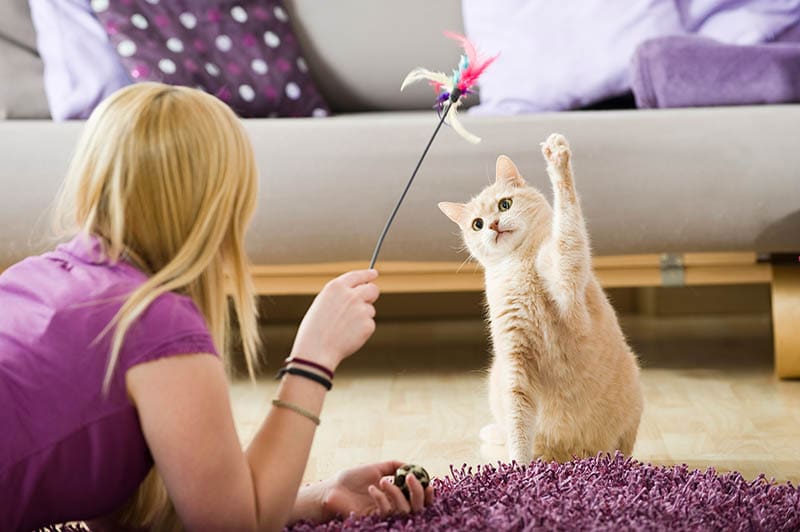
If chasing is the only way your cat gets your attention, it's no wonder they're doing it all the time. Build a strong bond by spending quality time together every day and make sure to give them lots of affection and love.
This will help keep their need for your attention in check so they don't have to resort to chasing you down whenever they miss you.
Practice Redirection
There are plenty of situations when you don't want your cat chasing after you. For instance, you may be in a meeting, in pain, carrying something heavy, or just not in the mood to play Jerry to their Tom.
In these cases, try to keep your cat's attention elsewhere with toys and treats. This will help redirect their focus away from you.
Provide Mental and Physical Stimulation
Bored cats are more likely to act out and express their energy in negative ways, like nonstop chasing.
Make sure to give them plenty of opportunities for physical exercise and mental stimulation throughout the day. This could include interactive toys, food puzzles, cat condos, as well as scheduled playtime with you or a robotic toy.
Consider Getting Them a Buddy
If you have a single cat, they may be chasing after you out of loneliness. It may be a good idea to get them a feline companion who can provide them with companionship and an outlet for their energy.
Better yet, you can watch them chase each other around without having to be the target of their mischievousness!
Schedule Regular Vet Checkups
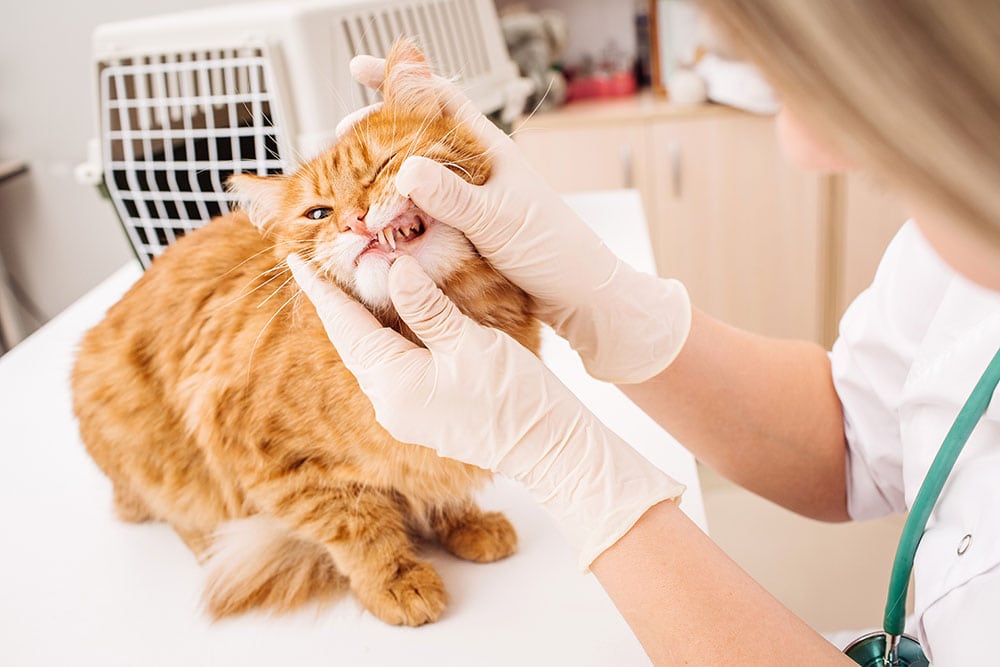
Finally, if your cat's chasing behavior is persistent and seems to be getting worse over time, it's best to bring them in for a checkup. It's possible that underlying medical issues could be fueling their behavior, so it's always better to err on the side of caution and get them checked out.
Contact a Cat Behaviorist
In extreme cases, such as when your cat is hissing, scratching, or biting during their chasing episodes, it might be time to speak with a cat behaviorist.
A qualified professional can assess the problem, provide you with the best solutions, and help your cat learn the right behavior while keeping everyone safe.

Conclusion
With the right understanding and management, you can help your cat learn how to express their wild side without it becoming overwhelming.
Still, don't try to squash their chasing habits entirely. It's a key part of your cat's language, and it can tell you a lot about its mental and physical state.
Appreciate it for what it is—just one of the many odd and wonderful things that make cats such amazing companions. Who knows, you may even come to enjoy the occasional game of tag!
Sources
Featured Image Credit: JumpStory
Get Hepper In Your Inbox


Pet care tips from our vets and experts, straight to your inbox.
You may opt-out at any time. View our Privacy Policy for more information.

Nicole is a lover of animals of all sizes but is especially fascinated with the feline variety. She’s the proud mom of Baby, a Burmese, and works every day so he can relax in the sunshine or by the fire. She’s always had a cat in her home and has spent countless days with others, observing behaviors and softening up even the grouchiest of the lot. Nicole wants to share her kitty expertise with you so you and your cat can live happy, healthy, and care-free.
Join the conversation
Ask a question, share your story, or send private feedback.