Hepper is reader-supported. When you buy via links on our site, we may earn an affiliate commission at no cost to you. Learn more.
Pet Poison Prevention Awareness Month 2026: When It Is & Purpose


In this article
Dog and cat lovers around the United States celebrate Pet Poison Prevention Awareness Month in March. It happens around the same time as National Poison Prevention Week, which Congress created back in 1961 to lower the number of accidental poisoning incidents and increase general poison prevention knowledge. It’s a time when veterinarians spread the word about products that can be poisonous to pets through awareness campaigns and provide tips to pet lovers to help them keep their loved ones safe.

How Often Do Dogs and Cats Require Veterinary Treatment for Toxin Ingestion?
Suspected toxic ingestion is an incredibly common veterinary issue. It often occurs when cats or dogs accidentally get into medications, essential oils, or goodies like chocolate. But it can also happen when pets nibble on toxic plants or consume toxic chemicals like antifreeze or cleaning liquids. Because cats and dogs can end up ill after consuming or being exposed to items commonly found in homes, pet-proofing your home is the best way to reduce the chance of your loved one getting into something that could make them ill.

The 6 of the Most Common Toxic Items
Remember that while ingesting some toxic products, such as antifreeze, can be fatal for cats and dogs, other substances cause milder signs. Keep reading to learn more about some of the most common potentially poisonous products frequently found around homes.
1. Foods
Several substances enjoyed by humans commonly cause problems in cats and dogs, including chocolate, alcohol, caffeine, and garlic. Cats are particularly sensitive to members of the Allium family, including onions, garlic, and chives, but they are also toxic to dogs. Dogs and possibly cats can also have severe adverse reactions to grapes and raisins.
Veterinarians recommend against feeding pets human food to avoid situations where companion animals accidentally consume a dish packed with something toxic like onions.
2. Cleaning Products
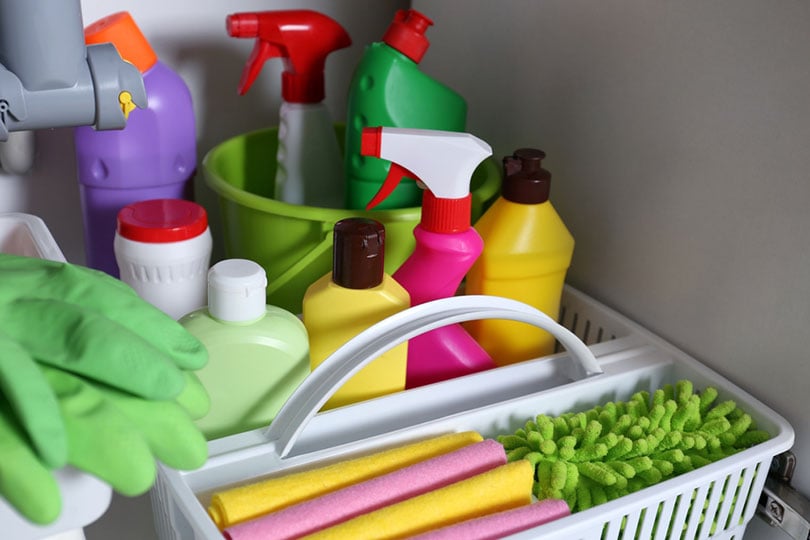
Common cleaning products that can be toxic to pets include ammonia, bleach, and chlorine. Ammonia is often found in floor wax, drain-clearing liquids, glass cleaning products, and stain removers. Bleach is a common ingredient in bathroom and tile cleaners.
When getting ready to clean, put your pets in another room and replace the tops immediately after pouring cleaning products into buckets or sinks. Don’t leave buckets filled with water and products like multipurpose cleaners unattended, and lock all cleaning products securely in cabinets with child-safety locks—preferably in a room your dog or cat doesn’t have access to.
3. Medications and Personal care Products
Several human medications can harm cats and dogs. Nonsteroidal anti-inflammatory drugs (NSAIDs), antidepressants, vitamins, and supplements can all be toxic to pets. Multivitamins often contain vitamin D, which can cause pets problems when consumed in sufficient quantities.
Supplements containing dried garlic can be particularly problematic since the concentrated products make it easy for pets to consume large quantities of toxic products quickly. Lock medications securely away and be extra careful when filling pill organizers.
4. Plants
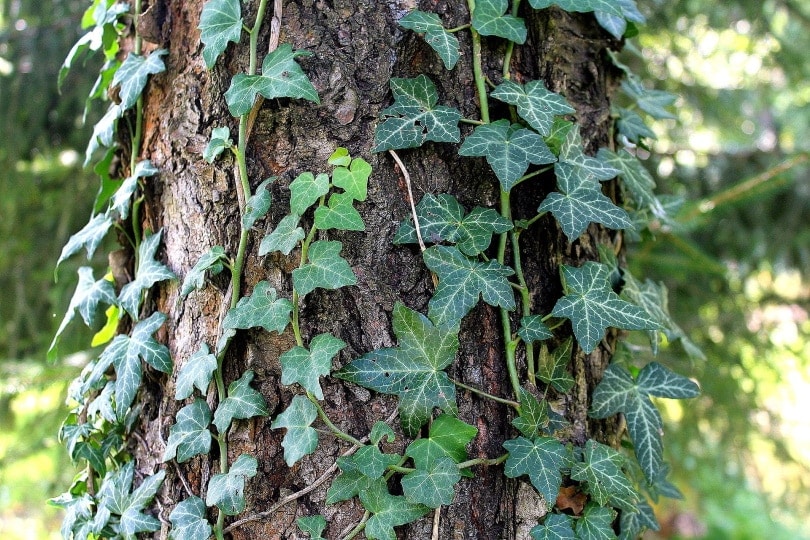
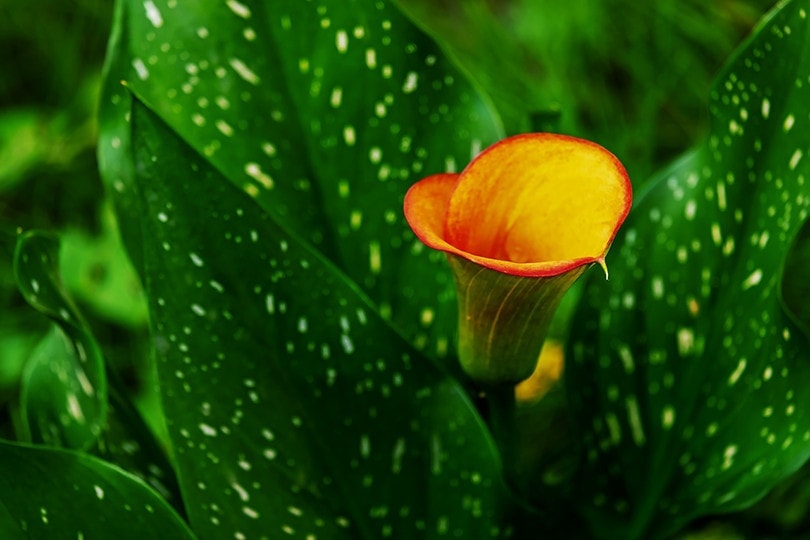
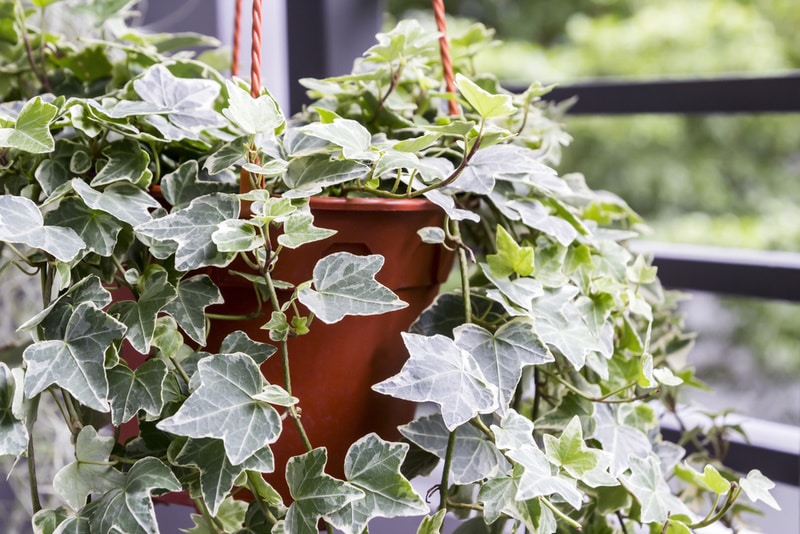
English Ivy, autumn crocus, amaryllis, yew trees, and castor bean plants are toxic to cats and dogs. Lilies are particularly toxic to cats—just a few bites can make them sick and require a trip to the emergency clinic. Sago palms, oleander, and azaleas are just a few other plants that can also cause problems. Keeping these plants and other poisonous species out of your home is the easiest way to keep your pets safe. If your pets play outside, don’t forget to pet-proof your garden!
5. Essential Oils
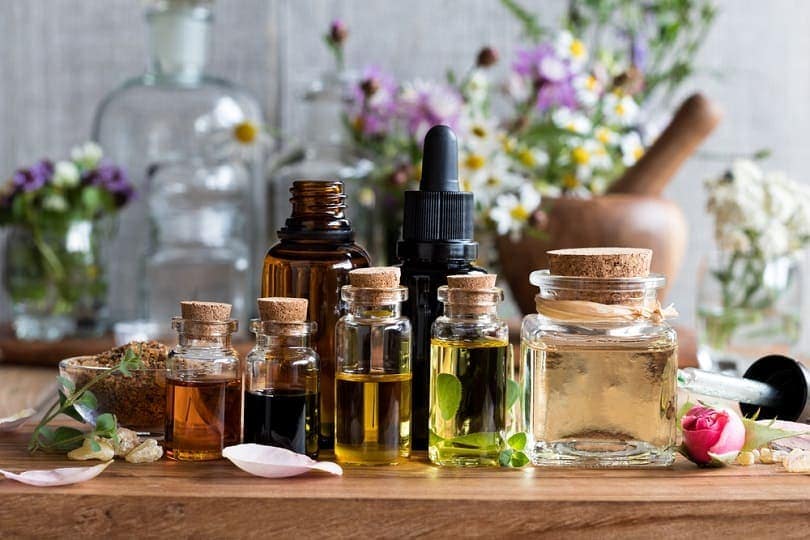
Essential oils are problematic for dogs and cats, but cats are more sensitive to them. They can cause problems when ingested or absorbed through the skin. Pine, tea tree, and ylang-ylang oils are particularly toxic to pets. Essential oils can often be found in cleaning products and personal care items such as shampoos, conditioners, and perfumes.
Pets can easily consume essential oils after walking through accidental spills and licking their paws clean. It’s best to clean any spills immediately and store all essential oil products in locked cabinets.
6. Garden and Outdoor Maintenance Items
Antifreeze and deicing salt are extremely common household toxins that can harm pets. Antifreeze can be fatal to cats and dogs when consumed in small amounts, and rock salt can cause toxicity and irritate feline and canine paws. Pesticides and insecticides are two other products that can be toxic to pets; rat and slug poisons are particularly problematic. Store toxic products that you can’t do without in locked cabinets, and try not to use them around your pets.
What Should I Do if I Think My Pet Has Consumed Something Toxic?
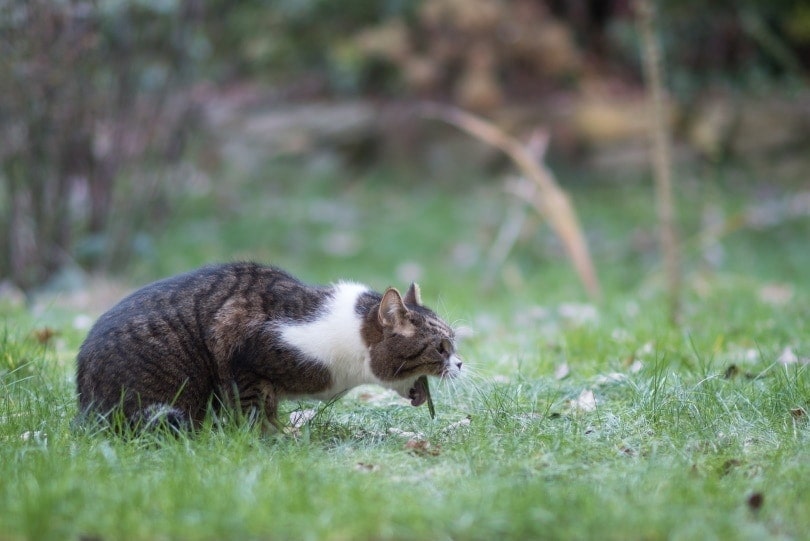
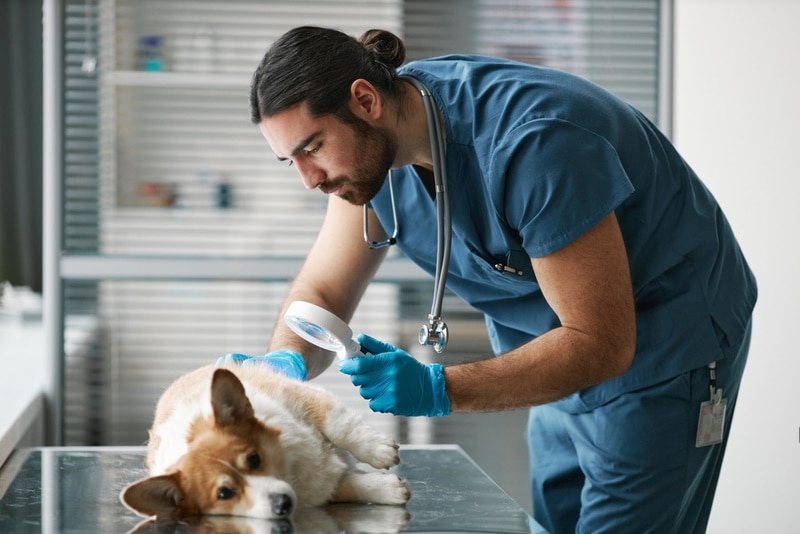
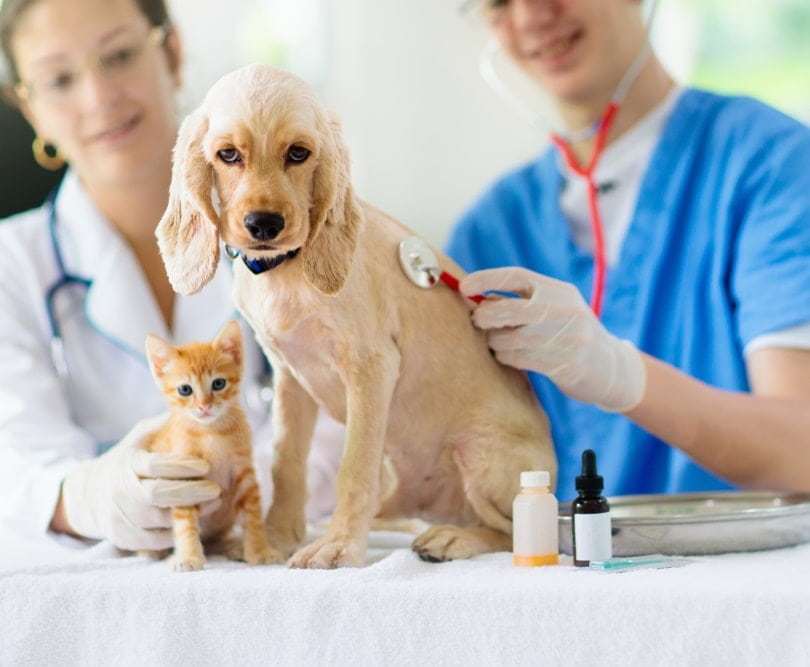
If you catch your cat walking through a puddle of essential oil or your dog snacking on fried onions, your first step is to remove your pet from the situation. Ensure they don’t have anything potentially harmful on their paws or fur. Rinse anything toxic off with lots of running water and contact your veterinarian immediately for guidance. Don’t wait for your companion to start developing signs before reaching out; prompt treatment can improve the likelihood of a positive outcome regarding toxin ingestion.
Where Can I Get Information About Foods, Plants, and Products to Avoid?
The American Association for the Prevention of Cruelty to Animals (ASPCA) has a website packed with useful information about poisons, including toxic household products, foods, and plants. If you’re interested in preparing for an emergency involving your companion, consider taking a pet first aid course. The American Red Cross offers online classes that cover all the basics.
Conclusion
Pet Poison Prevention Awareness Month occurs in March. It is the perfect time to brush up on basics, such as the toxic products to keep pets away from and what to do if your pet accidentally gets into something poisonous. To keep your pet safe, remove toxic plants, keep cleaners, antifreeze, and essential oils stored in pet-proof cabinets, and avoid treating them with food that contains harmful ingredients. If you suspect your pet consumed a poisonous substance, contact your veterinarian immediately.
Sources
https://www.redcross.org/take-a-class/first-aid/cat-dog-first-aid
https://www.webmd.com/pets/cats/ss/slideshow-foods-your-cat-should-never-eat
https://www.petpoisonhelpline.com/pet-safety-tips/national-poison-prevention-week-march-20-26/
https://www.aspca.org/pet-care/animal-poison-control/toxic-and-non-toxic-plants
https://www.aspca.org/pet-care/animal-poison-control/people-foods-avoid-feeding-your-pets
https://www.aspca.org/pet-care/animal-poison-control/poisonous-household-products
Featured Image Credit: Reshetnikov_art, Shutterstock
Get Hepper In Your Inbox


Pet care tips from our vets and experts, straight to your inbox.
You may opt-out at any time. View our Privacy Policy for more information.
Lorre Luther a reformed lawyer from the United States, she moved to the Netherlands to follow her dream and become a writer. Currently living in Rotterdam, Lorre enjoys traveling and reveling in the astonishing beauty of our planet. As an animal lover, Lorre is convinced that cats are smarter than humans.
Join the conversation
Ask a question, share your story, or send private feedback.