Hepper is reader-supported. When you buy via links on our site, we may earn an affiliate commission at no cost to you. Learn more.
Pulmonary Hypertension in Dogs: Our Vet Explains Signs, Causes & Care

In this article
Pulmonary hypertension is a complex and potentially life-threatening condition involving high blood pressure in the lungs. In the past it was an uncommon diagnosis in dogs, however, the condition is diagnosed more frequently today. If your dog has been diagnosed with pulmonary hypertension, it’s important that you understand the condition so that you’re able to make the best possible decisions for your pet and provide them with the necessary care.
Let’s discuss the topic in more detail, including the signs of pulmonary hypertension, its causes, and ways to care for your dog if they’ve been diagnosed with this condition.

What Is Pulmonary Hypertension?
Pulmonary hypertension is abnormally high blood pressure in the pulmonary arteries. The pulmonary arteries are blood vessels that carry oxygen-poor blood from a dog’s heart to its lungs.
To better understand this condition, it’s helpful to understand how the heart works. The heart is responsible for pumping blood, supplying oxygen and nutrients, and removing metabolic waste such as carbon dioxide from all the tissues in the body. A dog’s heart is divided into two sides – the right side and the left side.
The right side of the heart receives oxygen-poor blood from the organs and tissues. Oxygen-poor blood flows from the right side of the heart through the pulmonary arteries into a network of smaller vessels within the lungs. In the lungs, carbon dioxide is removed and the blood is oxygenated. Oxygen-rich blood is then pumped from the lungs to the left side of the heart via the pulmonary veins. From here, blood is pumped via the aorta to the rest of the body.
Normally blood flows easily through the vessels within the lungs, but in pulmonary hypertension, the pulmonary arteries become constricted or blocked, preventing blood from flowing properly. As a result, the blood pressure in the lungs rises. Left untreated, pulmonary hypertension can lead to right heart failure.

What Are the Signs of Pulmonary Hypertension in Dogs?
The most common sign of pulmonary hypertension is exercise intolerance. This means that dogs with pulmonary hypertension tire quicker than normal while exercising during play or on a walk. Other common signs include a cough, difficulty breathing, bluish discoloration of the gums, a swollen abdomen (ascites), and fainting. Dogs with pulmonary hypertension may also show specific signs related to the underlying cause such as a heart murmur.
Middle-aged to older small-breed dogs are most commonly affected with pulmonary hypertension, however, any breed of dog can develop this condition.
What Are the Causes of Pulmonary Hypertension?
In dogs, pulmonary hypertension usually develops as a result of an underlying disease. The condition is categorized into five classes based on the underlying cause. These groups are as follows:
1. Pulmonary Arterial Hypertension
In dogs, the most common causes of class I pulmonary hypertension include heartworm disease and congenital heart defects.
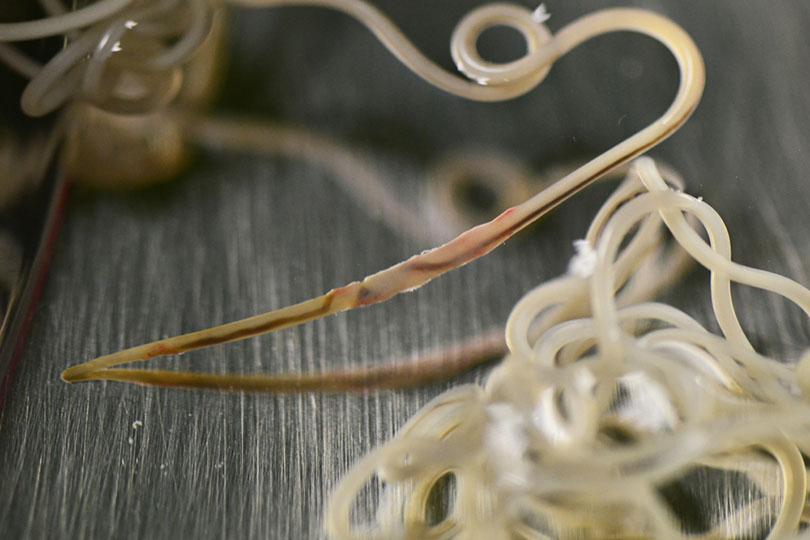
Heartworm disease is caused by the parasitic worm Dirofilaria immitis. This disease occurs when an infected mosquito transmits the larvae to a dog via a bite. Over the course of a few months, the larvae develop into adults and migrate to the right side of the heart and the pulmonary artery, directly blocking the vessel thereby causing pulmonary hypertension.
Congenital heart disease is a heart abnormality that develops before birth. These include a hole in the heart (atrial and ventricular septal defects) and patent ductus arteriosus, where a blood vessel in the heart fails to close after birth. These defects all lead to increased blood flow to the lungs and structural changes in the walls of the blood vessels, which in turn, cause increased blood pressure in the lungs.

2. Left-sided Heart Disease
Dogs in the class II category develop pulmonary hypertension as a result of left-sided heart disease. Left-sided heart disease may result in fluid in the lungs (pulmonary edema) which can cause pulmonary hypertension.
Left-sided heart disease is the most common cause of pulmonary hypertension in dogs. The most common cause of left-sided heart disease in dogs is degenerative mitral valve disease.
Mitral valve disease occurs when the valve that separates the chambers of the left side of the heart degenerates and no longer seals properly. This condition is common in older, small to medium sized dogs.
3. Respiratory Disease/Hypoxia
Pulmonary hypertension may occur as a result of respiratory disease or hypoxia (lower than normal oxygen levels in the blood). In dogs, class III pulmonary hypertension has been associated with pulmonary fibrosis (scarring in the lungs), chronic obstructive pulmonary disease, and cancer.
A lack of oxygen, or hypoxia, can cause the blood vessels of the lungs to constrict. This makes it more difficult for the blood to move through the lungs, increasing blood pressure. Hypoxia also can trigger inflammation and damage to the blood vessels. This leads to scarring of the blood vessels which further increases blood pressure.

4. Thromboembolic Disease
Class IV hypertension is caused by a blood clot blocking one or more pulmonary arteries – this is known as a pulmonary thromboembolism. In dogs, pulmonary thromboembolism has been associated with heart disease, cancer, protein-losing diseases of the kidneys and gut, Cushing’s Disease, sepsis, trauma, and heartworm disease.
5. Miscellaneous
Class V pulmonary hypertension is rare in dogs. When it does occur it’s most often associated with conditions that compress the vessels of the lungs, such as tumors.

How Is Pulmonary Hypertension Treated?
The treatment for pulmonary hypertension is aimed at managing the underlying cause (if it can be identified) and lowering the blood pressure in the lungs.
For example, dogs with congestive heart failure require diuretics, those with lung disease may require treatment with anti-inflammatories and medication to open the airways, and those with blood clots may require anticoagulant medications and corticosteroids.
The two drugs commonly used to lower blood pressure in the lungs are sildenafil (Viagra ®) or tadalafil (Cialis®). These drugs work by dilating the blood vessels in the lungs which allows blood to flow more easily. This can help reduce the symptoms of pulmonary hypertension and improve the dog’s quality of life.

How Do I Care for a Dog with Pulmonary Hypertension?
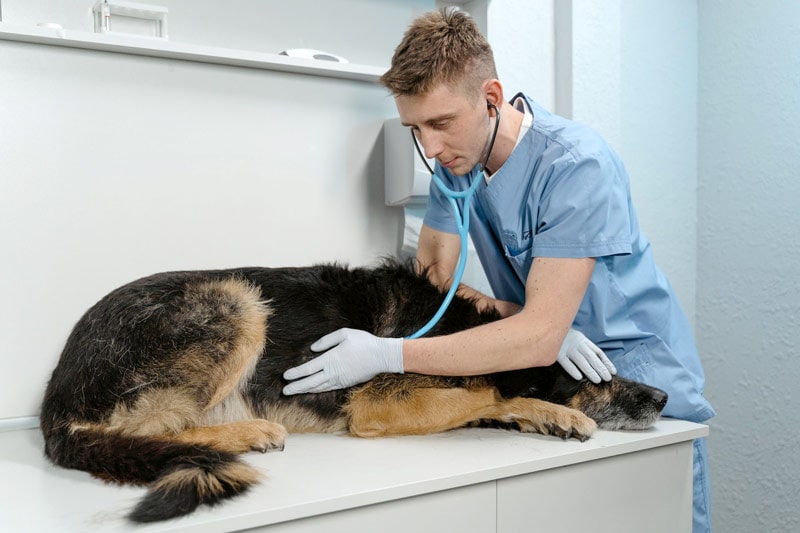
Pulmonary hypertension is a complex and potentially life-threatening condition. If your dog is showing signs of this condition, it’s important to book an appointment with your veterinarian right away.
Although the management of each case of pulmonary hypertension is unique and depends on the underlying cause, there are some general guidelines that you can follow to help care for your dog with this condition:

Frequently Asked Questions (FAQs)
How is pulmonary hypertension diagnosed?
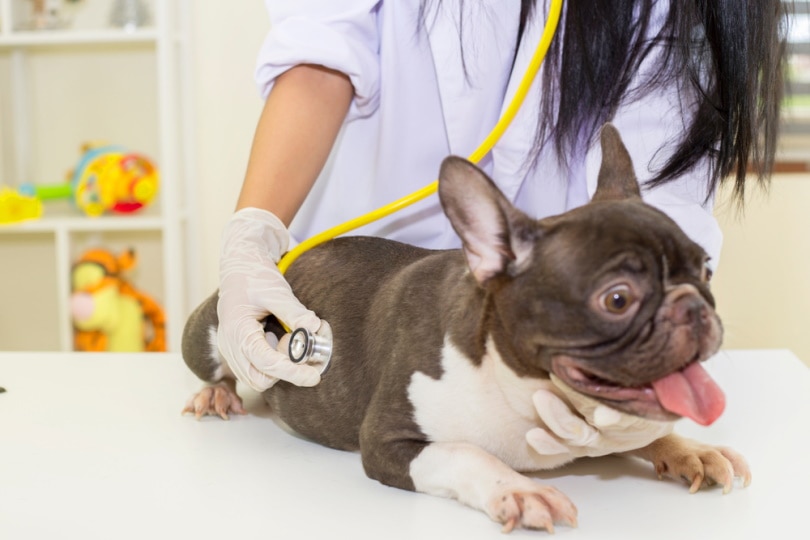
Echocardiogram is the primary means of diagnosing pulmonary hypertension in veterinary medicine. Other tests such as blood work, including a heartworm test, X-rays, bronchoscopy, and lung washes with cultures may be necessary to determine the underlying cause of the pulmonary hypertension. Your veterinarian will choose specific tests based on the clinical signs that your dog is showing.
What is the prognosis for pulmonary hypertension?
The prognosis for pulmonary hypertension is variable and depends on the underlying cause. Before the introduction of sildenafil (Viagra ®) a diagnosis of pulmonary hypertension carried a grave prognosis, however, the introduction of this medication has increased survival times for dogs with the condition.

Conclusion
Pulmonary hypertension is a complex syndrome that is often associated with severe underlying systemic disease. The most common sign of pulmonary hypertension is exercise intolerance – affected dogs tire quicker than normal during exercise or play. Other common signs include a cough, difficulty breathing, bluish discoloration of the gums, and fainting. The treatment for pulmonary hypertension is aimed at managing the underlying cause (if it can be identified) and lowering the blood pressure in the lungs with medications like sildenafil (Viagra ®) or tadalafil (Cialis®).
If your dog is showing any signs of pulmonary hypertension, it’s important to book an appointment with your veterinarian right away.
Sources
Cote, E., Ettinger, S., Feldman, E. (2018). The Textbook of Veterinary Internal Medicine, Expert Consult (Eighth Edition). Saunders. Available:
https://vcahospitals.com/know-your-pet/heartworm-disease-in-dogs
https://vcahospitals.com/know-your-pet/mitral-valve-disease-in-dogs
https://vcahospitals.com/know-your-pet/pulmonary-hypertension-in-dogs
https://www.vetspecialty.com/specialties/cardiology/pulmonary-hypertension/
Featured Image Credit: Zontica, Shutterstock
Get Hepper In Your Inbox


Pet care tips from our vets and experts, straight to your inbox.
You may opt-out at any time. View our Privacy Policy for more information.
Lindsay is a veterinarian who lives in the beautiful city of Cape Town, South Africa with her husband and their rescue cat and dog, Harrison and Blizzard. Lindsay obtained her bachelor's degree in veterinary science from the University of Pretoria and currently works in small animal practice. When she’s not at work, you can find her out in nature, hiking with Blizzard, or following some kind of creative pursuit, such as writing, playing the piano or sewing.
Lindsay is a veterinarian living in Cape Town, South Africa with her husband and their rescue animals, Harrison and Blizzard. You can find her hiking with Blizzard, enjoying time in nature, or writing when she’s not working.
Education
Lindsay graduated from the University of Pretoria, receiving her bachelor's degree in veterinary science.
Experience
Lindsay currently works in small animal practice.
Join the conversation
Ask a question, share your story, or send private feedback.