Hepper is reader-supported. When you buy via links on our site, we may earn an affiliate commission at no cost to you. Learn more.
Why Won't My Dog Come Inside? 6 Reasons & Solutions
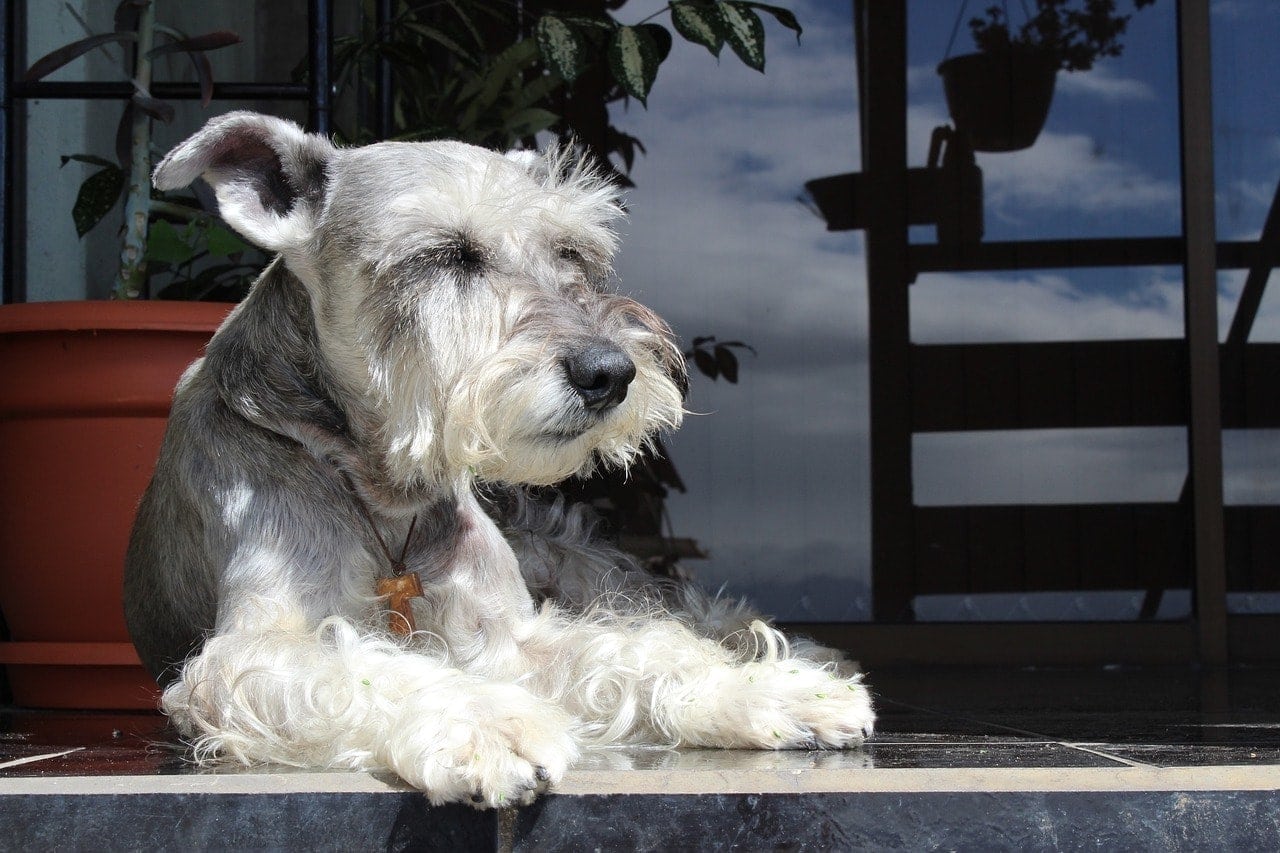
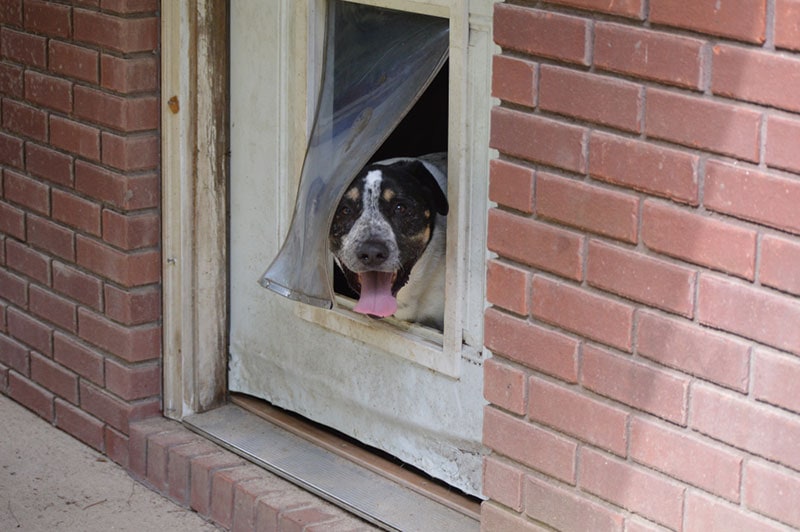
One of the best things about dogs is their reliability. After all, what other animal (or human) do you know will always come running when called? All you have to do is stick your head out the door and yell their name, and here they come, sure as anything.
But if your pup has suddenly stopped coming inside when called, there are a few reasons that this might be happening and a few things that you can do to fix it. Here are the 11 reasons your dog won't come inside.

The 6 Reasons Your Dog Won’t Come Inside
It’s impossible to list every reason that could be causing your dog to refuse to come back inside, but there are a few common ones.
Figuring out the why is critically important; otherwise, you’ll never figure out how to solve the problem.
1. They’re Adjusting to the New Environment

If you just moved to a new home or if your dog just moved in with you (especially if they came from a shelter), then they’ll want to spend as much time as possible learning all about their new environment.
Let’s face it: as interesting as you are (and your dog undoubtedly considers you the most interesting person in the world), you can’t compete with all the smells in your backyard. Your dog will come in eventually, but only when they’re done exploring.
How to Solve It
2. The Yard Is Naturally Self-Reinforcing
This issue lasts well beyond the time when your dog should be adjusted to the yard.
The fact of the matter is that yards—and the outdoors in general—are extremely fun for dogs. There are smells to sniff, birds to chase, mailmen to bark at, and much more. It’s understandable that they’d want to spend as much time out there as possible.
This can be doubly problematic if your pooch associates going inside with something bad, like being put in their crate or if you punish them for not coming when called.
How to Solve It
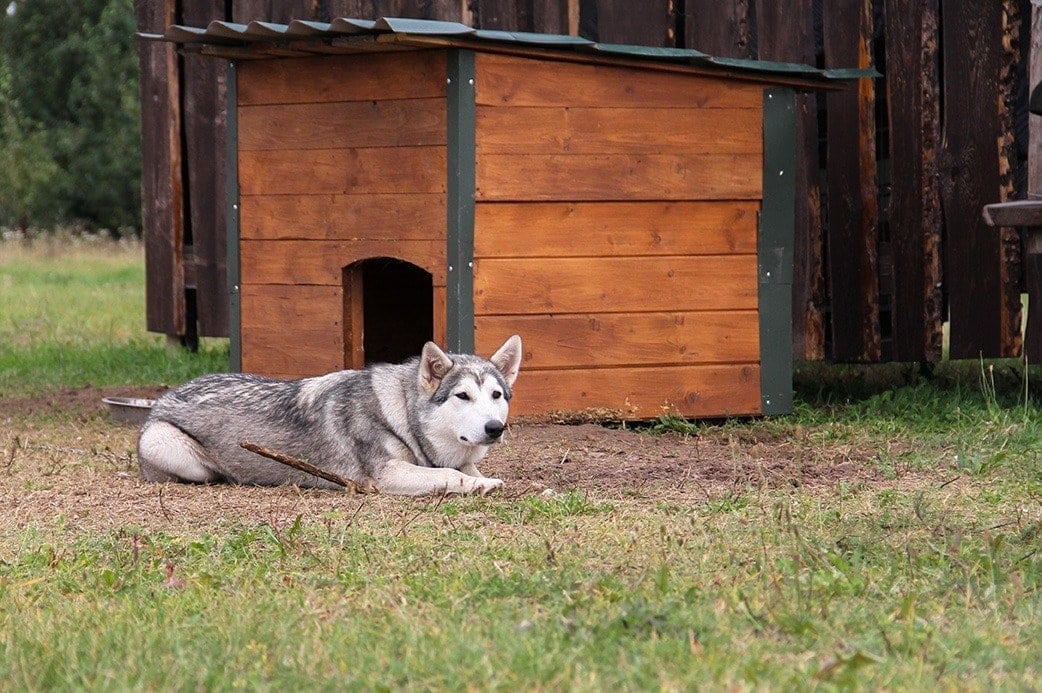
3. They Spend Most of Their Time Outdoors

If your dog is outside most of the time, they’ll eventually become more comfortable there than inside. They’re habit-forming creatures, after all.
Just like you have your favorite chair, they have their favorite sleeping spots, their favorite sniffing spots, and their favorite barking spots all staked out. If these are all outside, that’s where they’ll want to spend most of their time.
How to Solve It
4. They Have Poor Recall
Recall is your dog’s ability to come when called. If you were lax during your training, they may not know that they need to run to you when you call their name (and they may not even know their name).
Also, if you only ever call your dog to punish them or do something that they don’t enjoy (like giving them a bath or brushing them), they’ll form a negative association with their name, making them less likely to come when called.
How to Solve It
5. They’re an Independent Breed

Some dogs are eager to please, and they will be more than happy to run to you every time you call their name. Other breeds march to the beat of their own drum. They may come to you, but only if they feel like it. Many of these breeds were actually developed to work independently and make decisions on their own, so you’ll see working dogs like hounds, shepherds, and sled dogs among their ranks.
How to Solve It
6. They’re Overly Protective
Some dogs take their titles as Head of Home Security seriously. They realize that they—and their awe-inspiring barks—are the only thing standing between their families and certain peril.
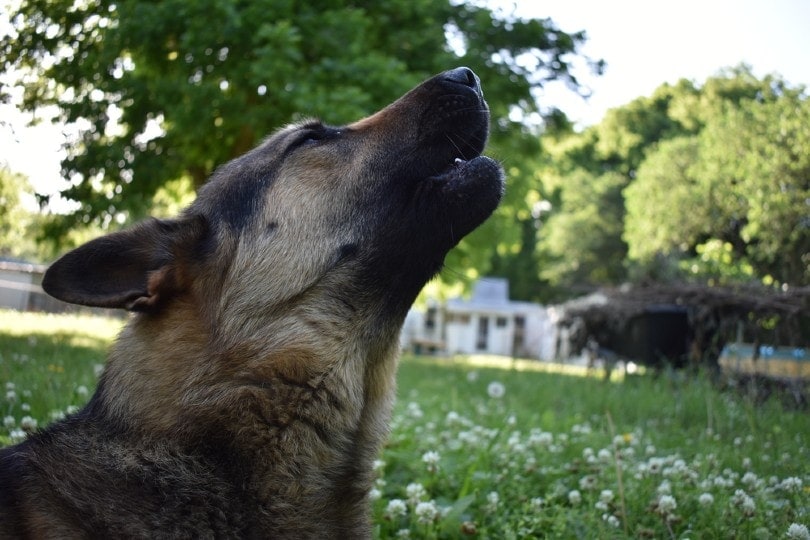
These dogs may be so busy patrolling the yard and barking at everything they see that they don’t feel like they can leave their post. You’ve basically got a workaholic dog on your hands, which is annoying when you (or your annoyed neighbors) just want them to take a break.
How to Solve It

Conclusion
With time and effort, you can get your dog to run inside every time that you open the door. Even the most skittish dog can be convinced to come when called, so there’s no reason to put up with avoidant behavior for long.
Your dog should want to be inside, right next to you. Before long, they’ll let themselves in, grab the remote, and put on “Paw Patrol” while asking you what’s for supper.
You might also be interested in:
Featured Image Credit: Pixabay
Get Hepper In Your Inbox


Pet care tips from our vets and experts, straight to your inbox.
You may opt-out at any time. View our Privacy Policy for more information.
Quincy never intended to be a cat person. He grew up around dogs, and when his wife brought home a kitten one day, he told her she had one week to find it a new home. That week turned into 10 years (his wife moves very slowly), and that kitten turned into three (they got two more, the kitten didn't self-replicate). After a decade of sharing his home with three cats, one horrifying realization finally set in: oh God, he's a cat person now, isn't he???
Join the conversation
Ask a question, share your story, or send private feedback.